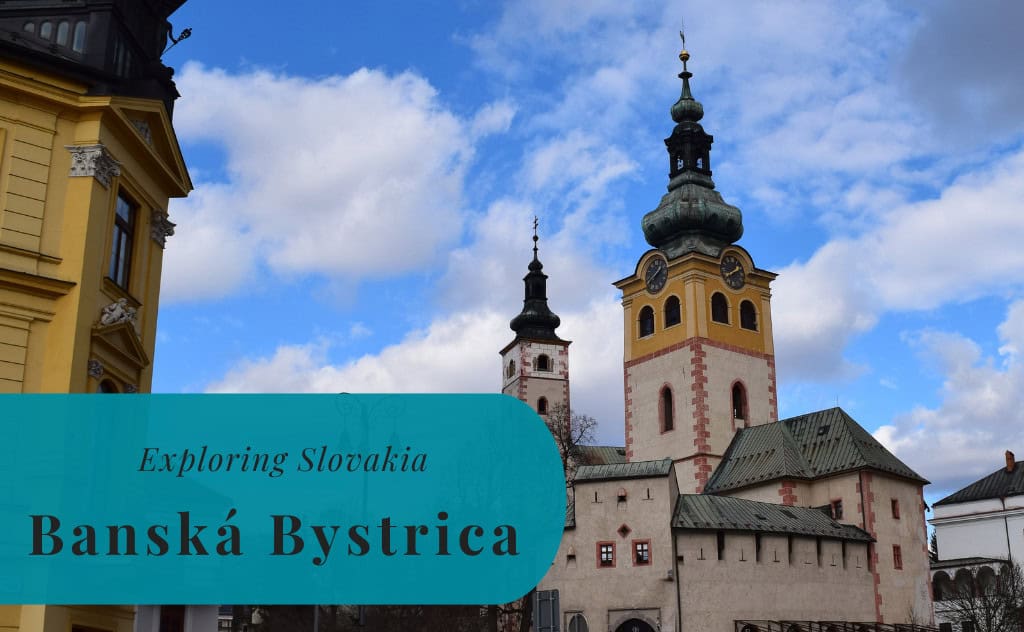
Banská Bystrica | Exploring Slovakia
Banská Bystrica is a city in central Slovakia. It lies on the Hron River, situated in a valley between the Low Tatras, Greater Fatra, and Kremnica Mountains. With a population of approximately 76,000 residents, it is Slovakia’s sixth-largest city. The city has a history rooted in its past as a major mining town, particularly for copper production. Today, it serves as an economic, cultural, and educational center for the region.
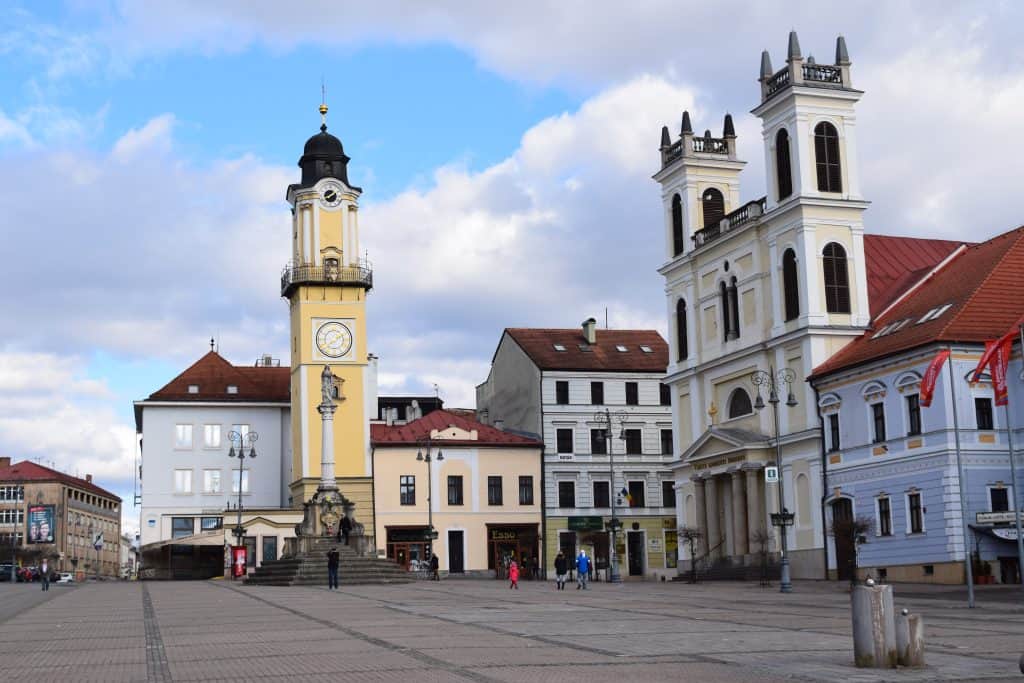
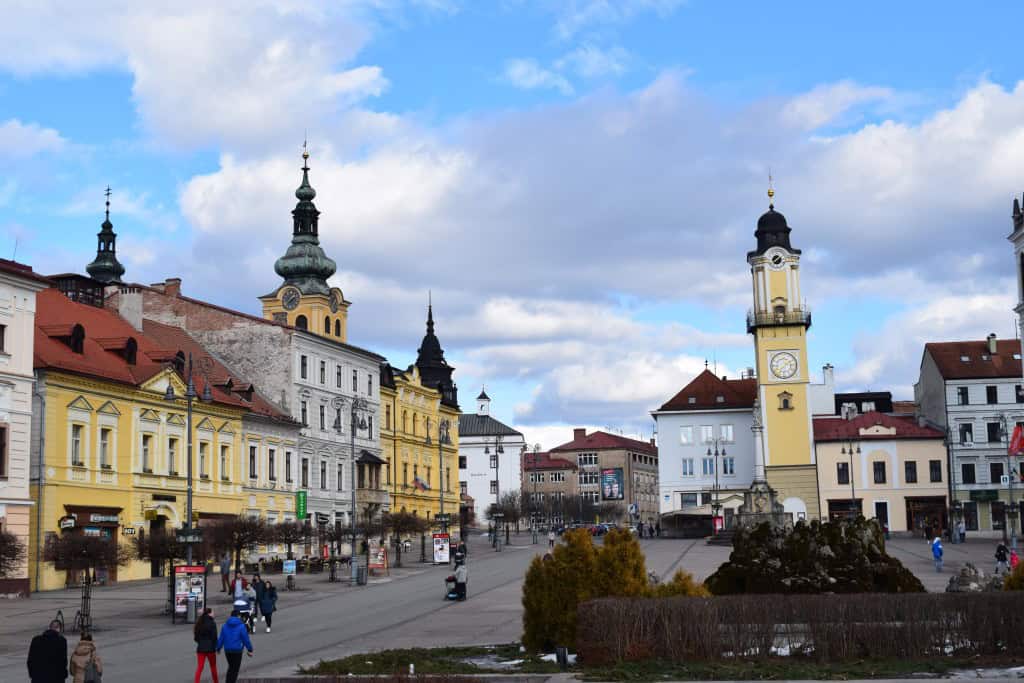
The city’s character is defined by its preserved central square and its historical connection to a major national event. The main square is surrounded by historic burgher houses and features a landmark clock tower. Banská Bystrica holds a specific place in national history as the center of the Slovak National Uprising during World War II. This historical legacy, combined with its proximity to several mountain ranges, gives the city its distinct identity.


A Short History of Banská Bystrica
The history of Banská Bystrica is directly tied to its valuable mineral resources. This foundation led to its growth as a wealthy medieval mining town, a fortified regional center, and later, the symbolic heart of national resistance in the 20th century.
Foundation and Mining Prosperity
The area around Banská Bystrica was settled as early as the prehistoric period. Its medieval development was fueled by the discovery of copper and silver deposits in the surrounding mountains. The city received royal free mining town privileges in 1255 from King Béla IV of Hungary, which spurred rapid growth. German colonists, who were skilled in mining, contributed significantly to its prosperity. Along with Kremnica and Banská Štiavnica, Banská Bystrica formed a trio of major mining towns in medieval Hungary. The 15th and 16th centuries saw the city’s peak wealth, largely controlled by powerful mining companies.
Fortress City and Transition
During the Ottoman wars in the 16th and 17th centuries, Banská Bystrica became a fortress city. Its defenses were strengthened to protect its wealth and its strategic location in the region. In the 19th century, as the easily accessible mineral deposits were depleted, mining activity began to decline. The city then transitioned into an important regional administrative and educational center. This shift ensured its continued relevance even after its primary industry faded.
The Slovak National Uprising and Modern Era
A pivotal moment in the city’s modern history was the Slovak National Uprising (SNP). The uprising against Nazi German forces and the collaborationist Slovak government began on August 29, 1944. Banská Bystrica became the headquarters and symbolic heart of this national resistance movement. The city endured heavy fighting before the uprising was suppressed by German forces two months later. After the war, Banská Bystrica was largely rebuilt and today stands as a modern regional capital.


Things to Do and See
Banská Bystrica’s sights reflect its history as a wealthy mining town and as the center of the Slovak National Uprising. The city’s main points of interest are concentrated in its historic central square and the adjacent City Castle complex.
Námestie SNP
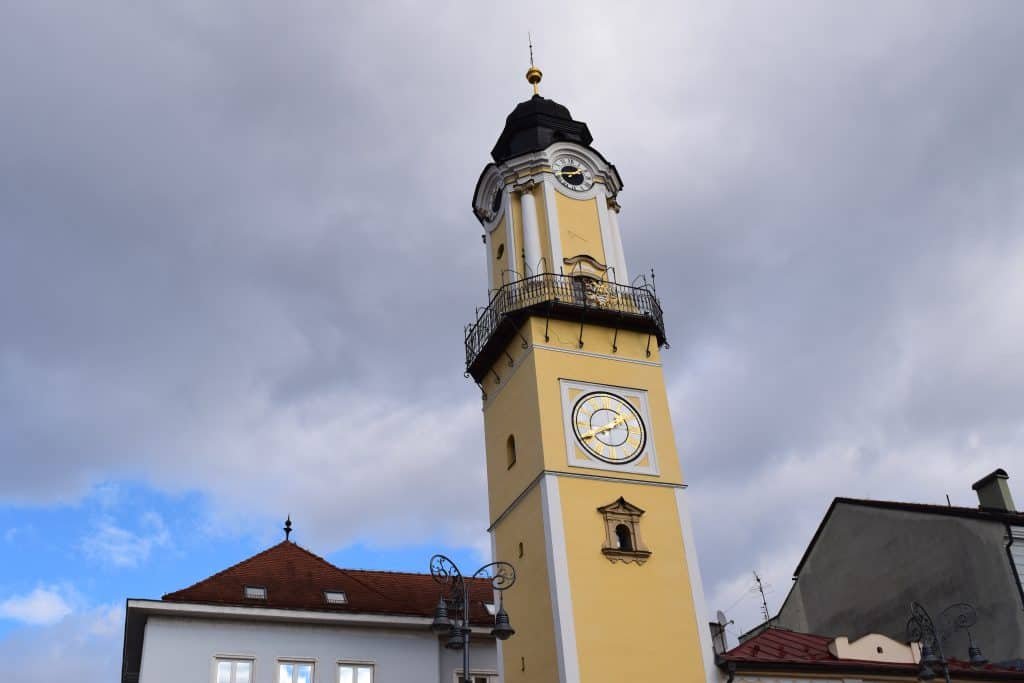
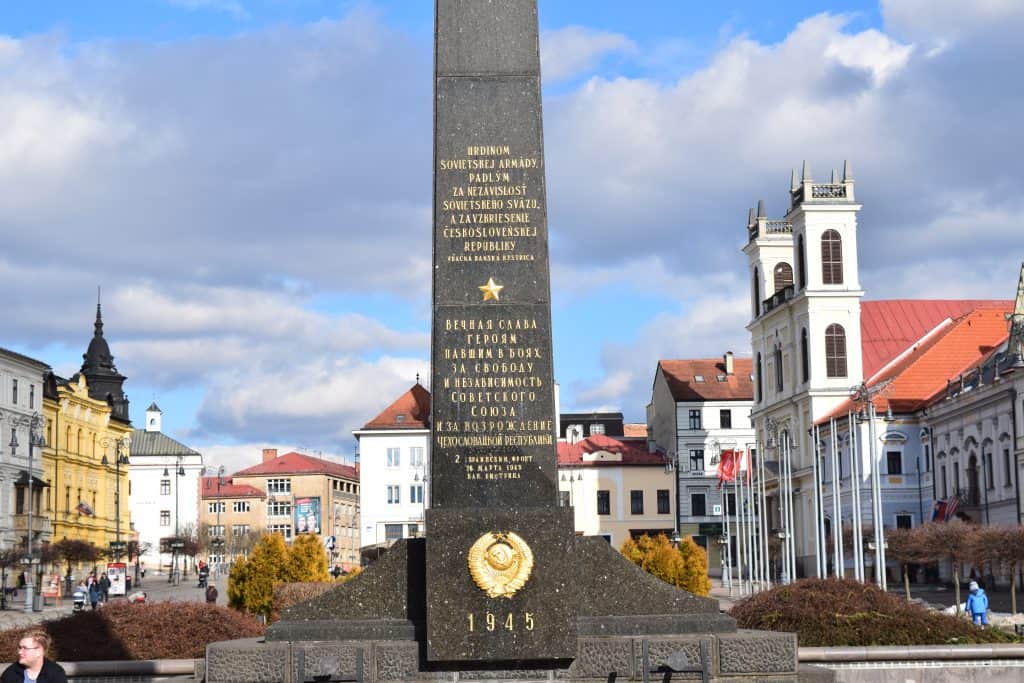
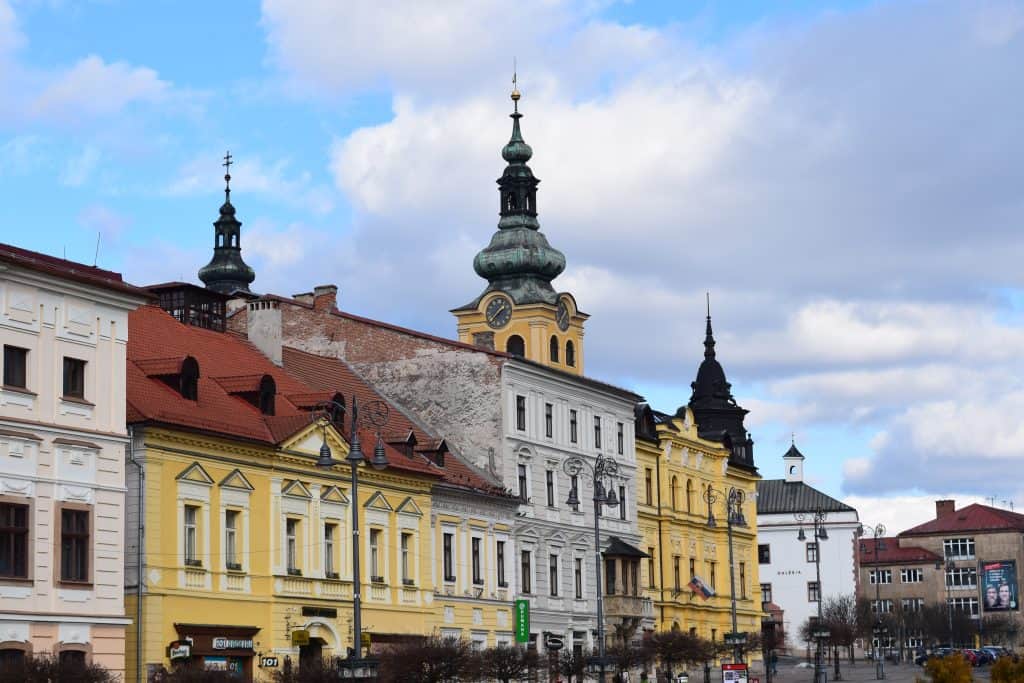
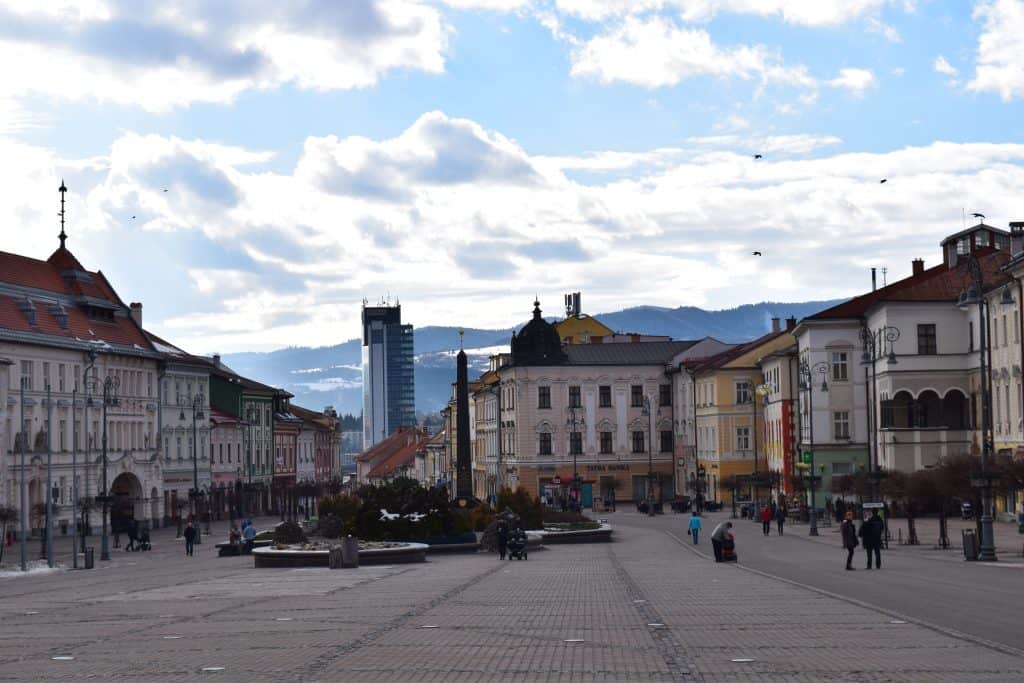
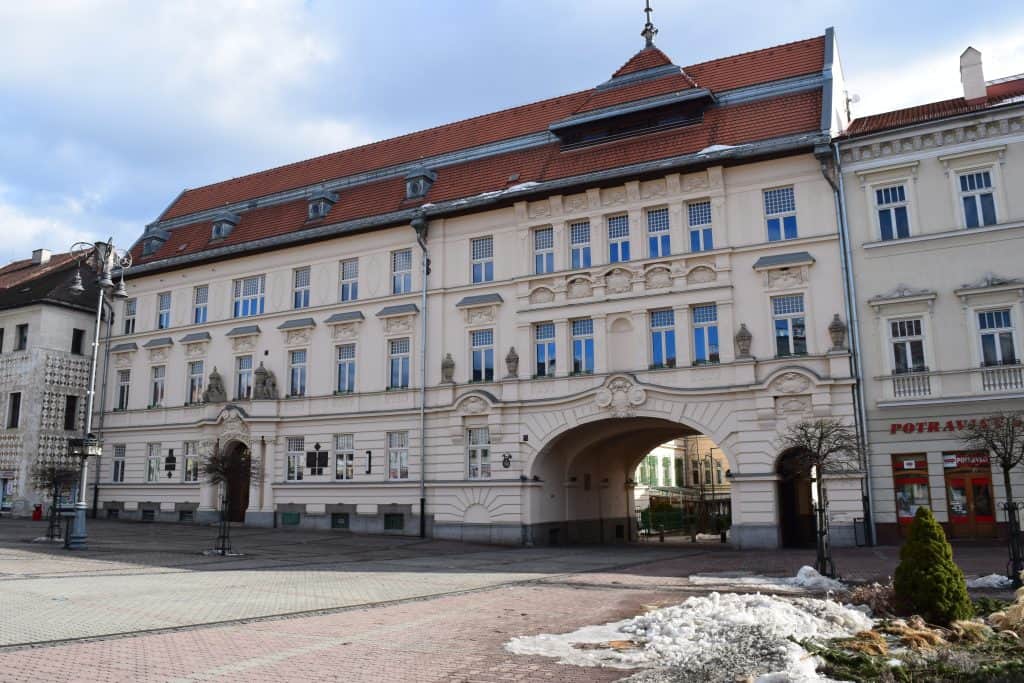
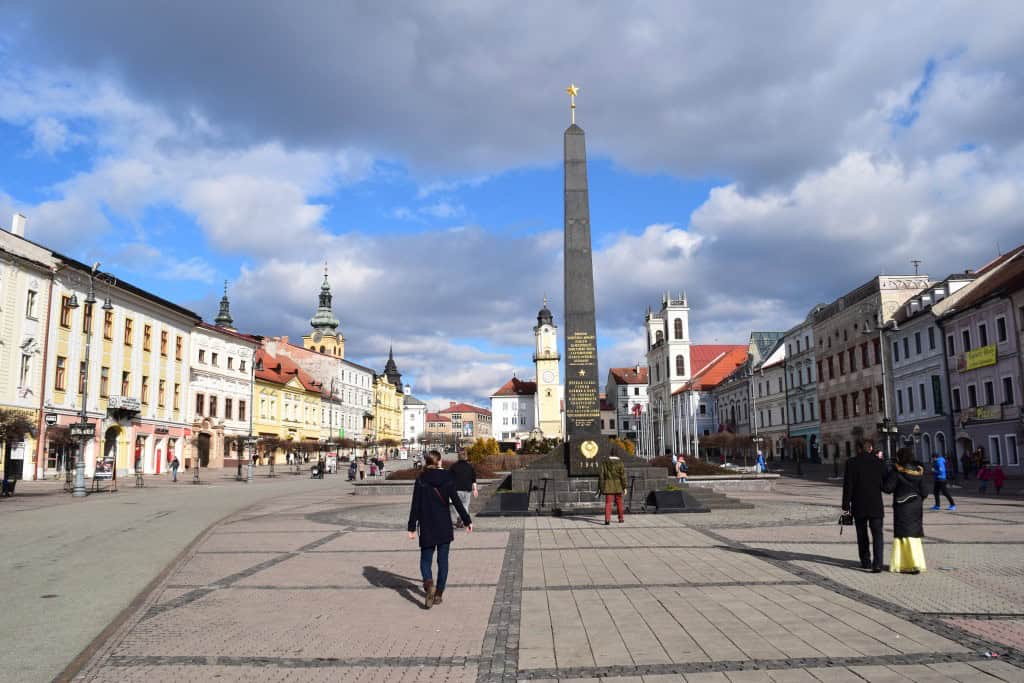
The Námestie SNP (Slovak National Uprising Square) is Banská Bystrica’s main square and the city’s historic heart. It is a long, rectangular square framed by historic burgher houses, many of which feature arcaded courtyards. A dominant Clock Tower, built in 1552, is a key feature; those who climb its 101 steps are rewarded with views of the city. The square also contains a large central fountain and the Black Obelisk, a monument dedicated to fallen Soviet soldiers.
Barbakan
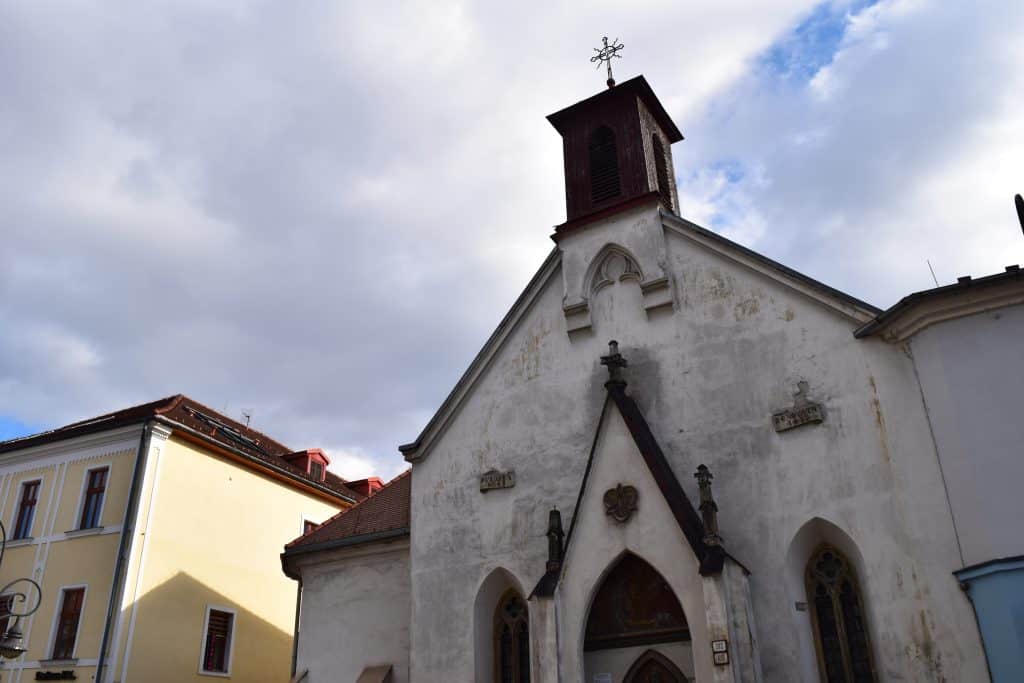
The City Castle (Mestský hrad), often referred to as the Barbakan complex, is a well-preserved fortification that once served as Banská Bystrica’s defensive core. The complex includes the Parish Church of the Assumption of the Virgin Mary. This church was originally built in the 13th century and features both Gothic and Baroque elements. Within the complex, you will also discover the old Town Hall (Praetorium) and the imposing Barbakan gate tower itself.
Museum of the Slovak National Uprising
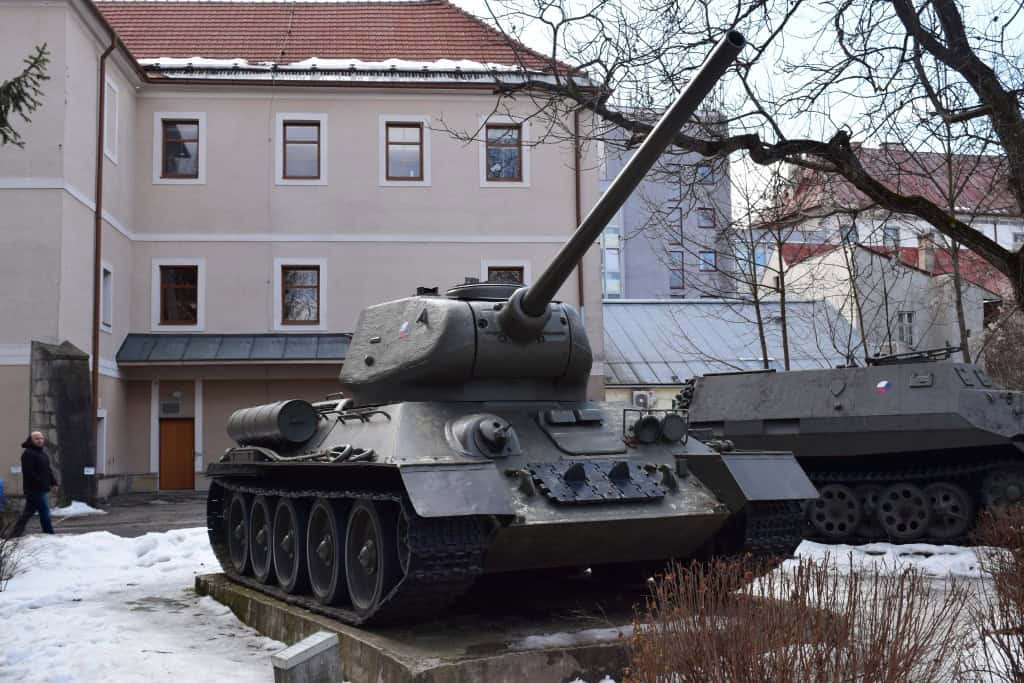
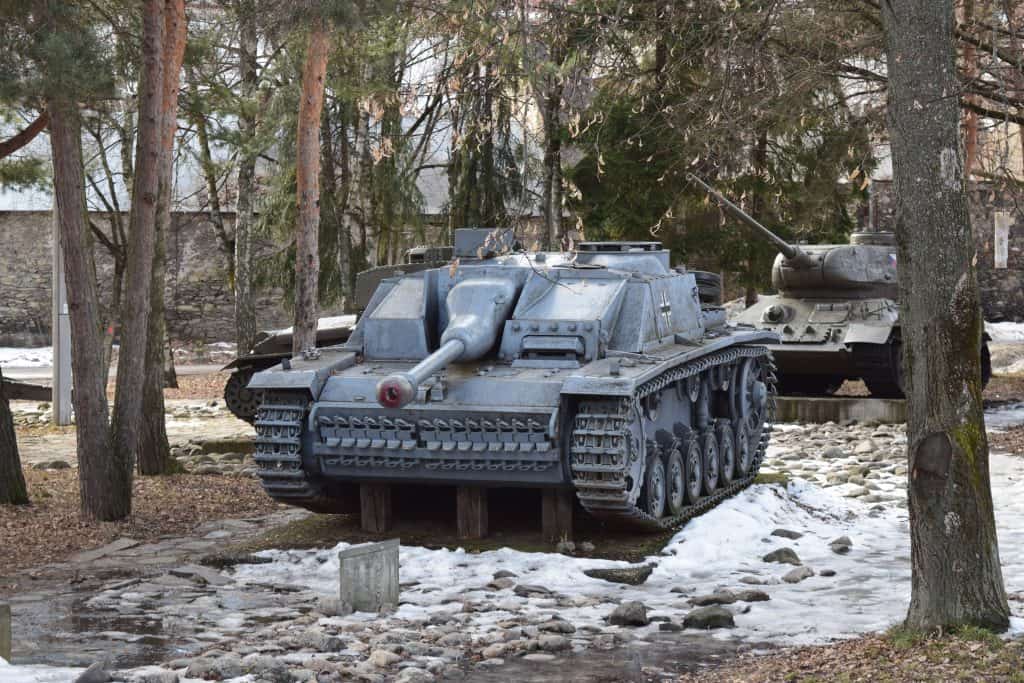
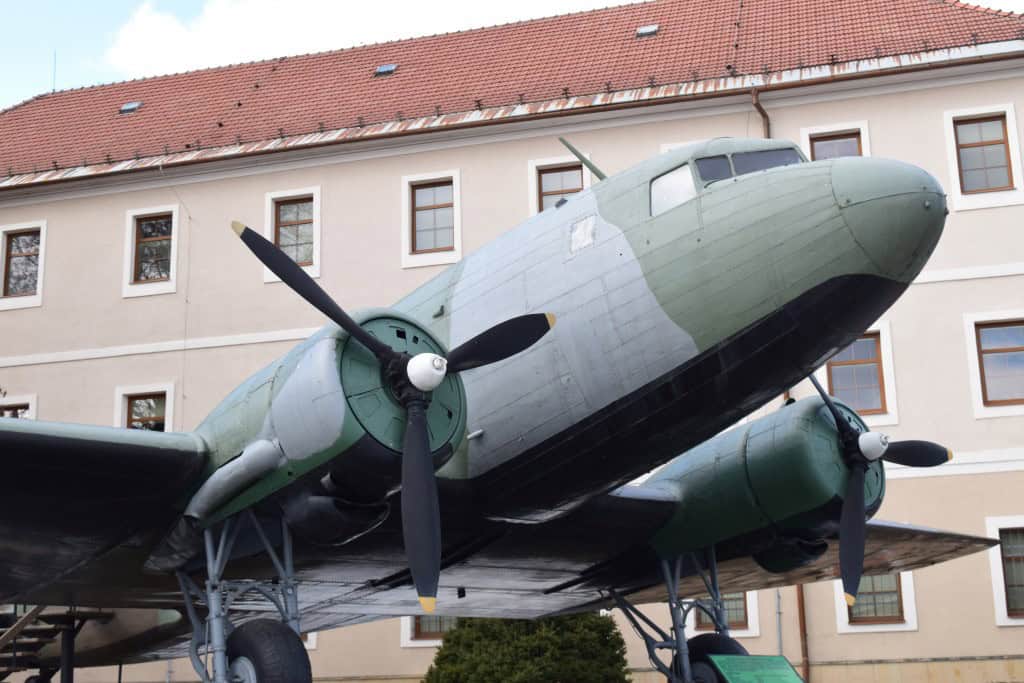
The Museum of the Slovak National Uprising (Múzeum Slovenského národného povstania) is housed in a distinct modern building located just outside the old town. This historical site is dedicated to the 1944 Slovak National Uprising. It features an extensive collection of artifacts, documents, and photographs from World War II. A large outdoor exhibition enhances the visit, displaying heavy military equipment. This includes authentic tanks and artillery used during the uprising.
Matejov Dom
Matej’s House (Matejov dom) is part of the City Castle complex. This Gothic-Renaissance burgher house was built in the 15th century. Its architecture and preserved interiors offer information on Banská Bystrica’s prosperous mining past. It also showcases the architectural styles of that era. The building now houses a museum.
Thurzov Dom
Located directly on Námestie SNP, Thurzo’s House (Thurzov dom) is a Gothic-Renaissance house. It once belonged to the wealthy Thurzo-Fugger mining company, which was a major European copper producer. Its distinct green sgraffito facade makes it easily recognizable among the square’s historic buildings. Today, it houses a significant part of the Central Slovak Museum. Its exhibits focus on the history and cultural heritage of the Banská Bystrica region.
SNP Memorial
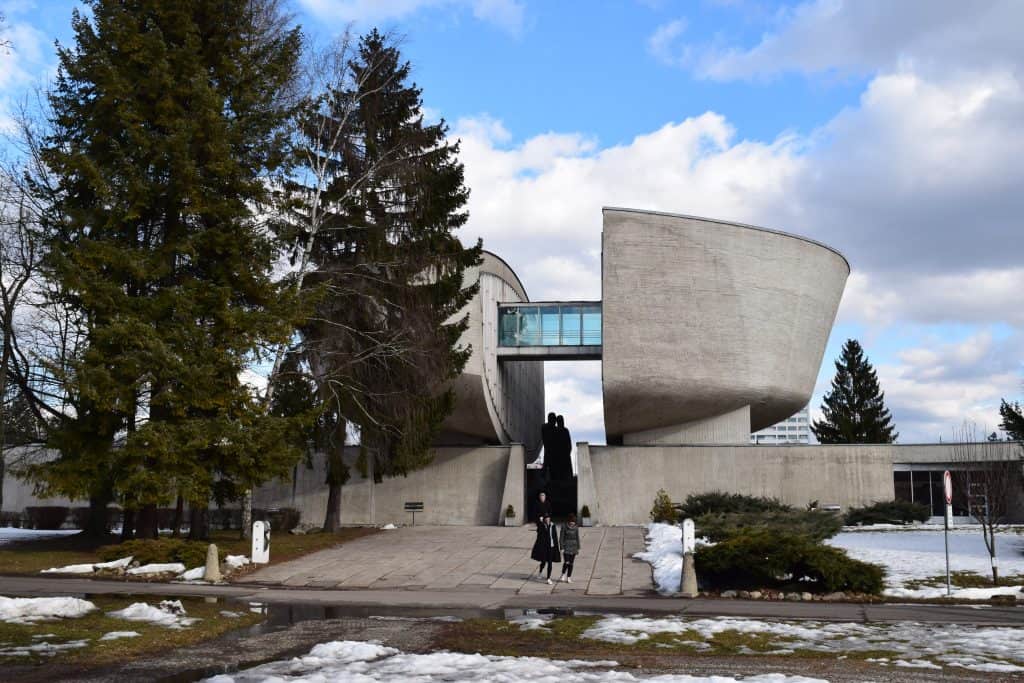
The SNP Memorial is a large monument located on the grounds of the Museum of the Slovak National Uprising. Its distinct architectural design, featuring two large concrete sections separated by a symbolic gap, was unveiled in 1969. The structure contains an eternal flame and commemorates the victims of the uprising. Below the monument is a ceremonial hall. It serves as the primary site in the city for official acts of remembrance.
Mining Bastion and Fortifications
Remnants of Banská Bystrica’s medieval fortifications are still visible in parts of the city. These defenses were constructed to protect the wealthy mining town from external threats. Visitors can see preserved sections of the original city walls. Several defensive bastions also remain, with the Mining Bastion (Banícka bašta) being one of the most well-known examples. These structures provide a direct connection to the city’s past as a fortified economic center.
Sports in Banská Bystrica
Banská Bystrica has a strong and diverse sports culture. The city is home to successful professional teams in Slovakia’s most popular sports, ice hockey and football. Its location at the foot of several mountain ranges also makes it a major center for winter sports like skiing and outdoor recreational activities like hiking and cycling.
Ice Hockey
Ice hockey holds a central place in Banská Bystrica’s sports identity, reflecting Slovakia’s national interest in the sport. The city’s professional club is a dominant force in the national league. The team won three consecutive league championships between 2017 and 2019. Home games generate a strong local following at the city’s winter stadium.
HC ’05 Banská Bystrica
The city’s professional ice hockey team is HC ’05 Banská Bystrica, nicknamed ”Barani” (the Rams). They compete in the Slovak Extraliga, the country’s top professional league. The club’s most successful period was when they won three consecutive Extraliga championships from 2017 to 2019. They play their home games at the Tipsport Arena (Zimný štadión Banská Bystrica), which has a capacity of over 3,000 spectators.
Football
Football has a significant place in Banská Bystrica’s sports history. The city’s main professional club has a long tradition and currently competes in the top tier of Slovak football. The club is associated with the historical army sports club ”Dukla.” Their home ground is a multi-purpose stadium also used for athletic events.
MFK Dukla Banská Bystrica
The city’s main professional football club is MFK Dukla Banská Bystrica. The club has a rich heritage and competes in the Slovak First Football League, the top tier in the country. Their home ground is the Štadión SNP, a modern multi-purpose venue used for both football matches and athletic events. The club has a youth development system that cultivates future players.
Skiing and Snowboarding
Given its prime location between the Low Tatras, Greater Fatra, and Kremnica Mountains, Banská Bystrica serves as an excellent gateway to several popular ski resorts. The surrounding area offers extensive slopes for downhill skiing and snowboarding. There are also many kilometers of maintained cross-country trails. This makes the city a key base for winter sports enthusiasts from across Slovakia and neighboring countries.
Donovaly Park Snow
The largest and most well-known ski resort near the city is Donovaly Park Snow. It is located just a short drive north of Banská Bystrica. The resort offers extensive slopes for downhill skiing on both sides of the Donovaly village, catering to all skill levels. It also has one of the largest children’s ski parks in Central Europe. The resort provides a full range of services, including ski schools, equipment rental, and dining options.
Hiking and Mountaineering
The mountain ranges surrounding Banská Bystrica provide vast and diverse opportunities for hiking and mountaineering. The Low Tatras National Park and Greater Fatra National Park are both directly accessible from the city. These parks contain hundreds of kilometers of well-marked trails. The trails cater to all levels, from leisurely walks through scenic valleys to demanding climbs up rugged peaks like Chopok and Ďumbier.
Cycling
The Banská Bystrica area has an extensive and growing network of cycling routes. These routes cater to various preferences, from road cycling to mountain biking. There are paved paths along the Hron River, which are suitable for family rides. The surrounding hills and mountains, including the Kremnica Mountains, offer more demanding mountain biking trails. The city has actively invested in improving its cycling infrastructure.
Athletics
Banská Bystrica has a particularly strong tradition in athletics. The city is home to a major sports center that has produced numerous successful athletes. This focus on athletics, particularly in disciplines like race walking and high jump, has solidified Banská Bystrica’s reputation as a key center for the sport in Slovakia. The city regularly hosts national and international athletic events.
VŠC Dukla Banská Bystrica
The main center for athletics in the city is the VŠC Dukla Banská Bystrica. This is a military sports center with a long history of producing top-level athletes. It has been the training base for numerous Slovak Olympians, world champions, and European champions. The center focuses on a wide range of sports, but its athletics program is particularly well known.
Basketball
Basketball has a notable presence in Banská Bystrica, particularly in the women’s game. The city’s main club is a long-standing competitor in the top tier of Slovak women’s basketball. The sport has a dedicated local following and contributes to the city’s overall sports scene. Major games often take place at the Športová hala Dukla sports hall.
Slávia Banská Bystrica
The city’s most prominent women’s basketball club is Slávia Banská Bystrica. The team competes in the Slovak Women’s Basketball Extraliga, the highest level of the sport in the country. While not always a title winner, the club is a consistent top-level competitor. They have a history of developing talented players and have also participated in European cup competitions.
Floorball
Floorball has seen rapid growth in Banská Bystrica, as it has across Slovakia. The sport is particularly popular among youth and at the university level. It is highly accessible and dynamic. Banská Bystrica is home to a club that represents the city in the national league system. This makes the city a participant in the growth of one of Europe’s fastest-growing sports.
1. FbK Banská Bystrica
The city’s main floorball club is 1. FbK Banská Bystrica. The club operates teams at various levels, including youth categories and senior teams. They compete in the national league structures organized by the Slovak Floorball Association. The club provides a focal point for the local floorball community and contributes to the development of the sport in the region.
Getting Around in Banská Bystrica
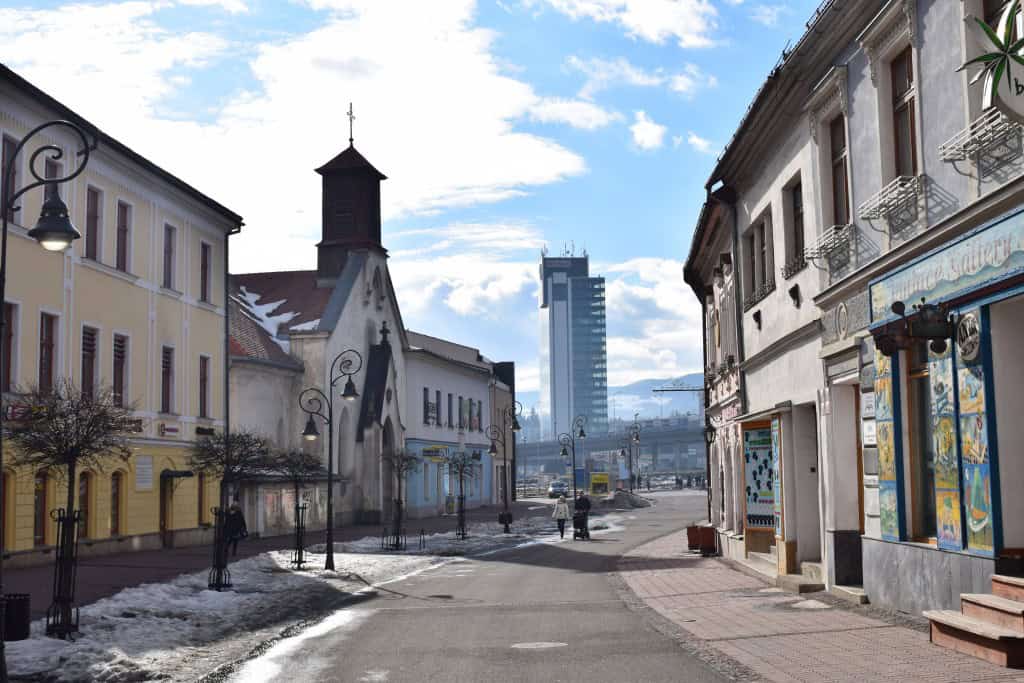
Banská Bystrica’s historic center is compact and largely pedestrianized, making it easy to explore on foot. For destinations in the wider city area, there is a local public transport network of buses and trolleybuses.
On Foot: The Historic Center
Walking is the best way to explore Banská Bystrica’s historic core. The main square, Námestie SNP, and the adjacent City Castle complex are entirely pedestrian-friendly. All the main sights, historic houses, and museums are within a short walking distance of each other. Comfortable shoes are recommended for navigating the cobblestone streets.
The Local Network: Buses and Trolleybuses
For journeys to other parts of the city, Banská Bystrica has a public transport system consisting of buses and trolleybuses. The network connects the city center with the outer residential areas and the main train and bus stations. This service is primarily used by local residents for commuting. Most visitors staying within the historic center will have limited need for the system.
How to Get to Banská Bystrica
Reaching Banská Bystrica is straightforward due to its central location in Slovakia and its connection to the country’s main road and rail networks.
Arriving by Air: Nearby Gateways
Banská Bystrica is served by the small Sliač Airport (SLD), located 15 km away, however, it currently handles few regular passenger flights. For most international travelers, the main gateways are the airports in Bratislava (BTS), Budapest (BUD) in Hungary, or Krakow (KRK) in Poland. From these major hubs, the journey to Banská Bystrica is typically completed by direct bus or by a combination of train and bus.
The Open Road: Driving to Central Slovakia
Driving to Banská Bystrica is efficient due to Slovakia’s road network. The city is directly connected by the R1 expressway. This major route links Banská Bystrica to Bratislava in the west and provides a fast connection to other parts of the country. Efficient road access is available from across Slovakia and neighboring countries like Hungary and Poland. A digital motorway vignette is required for Slovak expressways.
Connecting by Coach
Banská Bystrica has a central bus station (Autobusová stanica Banská Bystrica) that serves as a major hub for national and international bus services. Frequent direct buses connect the city with major Slovak centers like Bratislava and Košice. There are also direct international routes that connect Banská Bystrica to cities like Budapest, Krakow, and Prague.
On Track: A Journey by Rail
Banská Bystrica has its own main train station (Železničná stanica Banská Bystrica), located near the city center. It is a junction on Slovakia’s railway network. The national rail operator ZSSK provides frequent train services. Direct connections are available from major Slovak cities such as Bratislava and Košice. Some international direct trains also connect Banská Bystrica with cities in the Czech Republic.
Driving Distances
The driving distance to Banská Bystrica from 10 major regional cities, according to Google Maps:
- Žilina, Slovakia – 88 kilometers (1 h 40 min)
- Budapest, Hungary – 165 kilometers (2 h 30 min)
- Bratislava, Slovakia – 212 kilometers (2 h 10 min)
- Krakow, Poland – 228 kilometers (3 h 40 min)
- Košice, Slovakia – 230 kilometers (2 h 50 min)
- Katowice, Poland – 234 kilometers (3 h 40 min)
- Ostrava, Czech Republic – 261 kilometers (3 h 30 min)
- Vienna, Austria – 294 kilometers (3 h 10 min)
- Brno, Czech Republic – 340 kilometers (3 h 30 min)
- Warsaw, Poland – 523 kilometers (6 h 20 min)
Looking to Explore more of Slovakia and Europe?