

Leszno, Wielkopolskie | Exploring Poland
Located in western Poland’s Greater Poland (Wielkopolska) Voivodeship, Leszno is a city with a population of approximately 62,000 residents. Serving as a key regional hub, the city is strategically positioned on the main transport corridor between two of Poland’s larger cities, Poznań and Wrocław. This location has been historically important for both trade and cultural exchange for centuries.
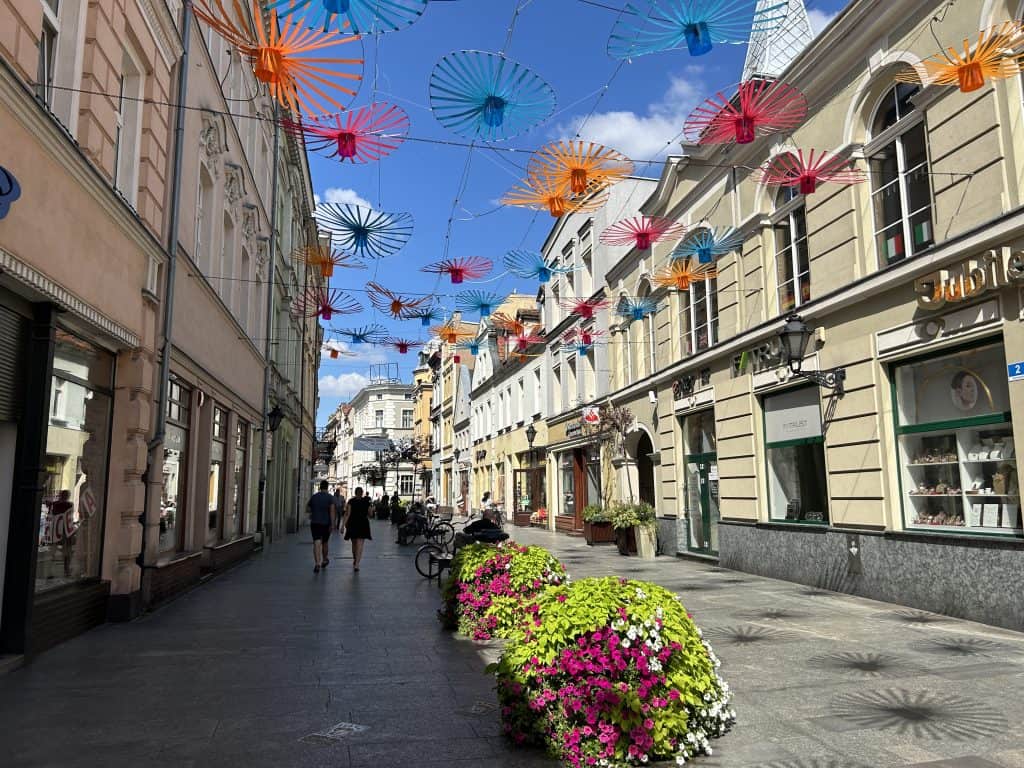
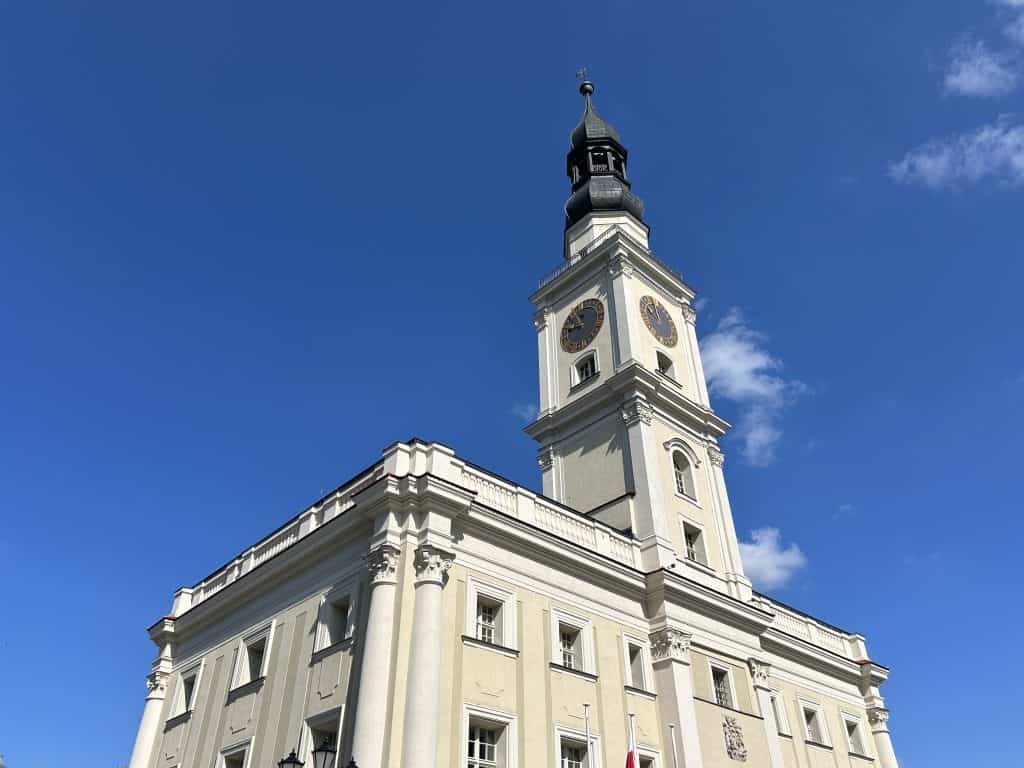
The city’s character is defined by a unique combination of its preserved historical center and a specific heritage in aviation and motorsport. Its urban landscape features significant Baroque architecture, which is visible in its churches and the Town Hall that presides over the main market square. While its history is ever-present, Leszno’s modern identity is strongly tied to its status as a European center for both motorcycle speedway and competitive gliding.


A Short History of Leszno
The history of Leszno tracks its development from a private village into a significant center of the Protestant Reformation in Poland. It later endured periods of war and foreign rule before becoming the modern regional city it is today.
Foundation and a Center of Reformation
The history of Leszno began in the 14th century as a village owned by the noble Leszczyński family. The settlement’s status changed significantly after it received its town privileges in 1547. Due to the Leszczyński family’s tolerant policies, Leszno quickly grew as a primary destination for religious refugees, particularly the Bohemian Brethren fleeing persecution. This influx of scholars and craftsmen made Leszno a multicultural and prosperous center for printing and education during the 16th and 17th centuries.
The Swedish Deluge and Decline
The city’s golden age ended with the series of conflicts known as the Swedish Deluge in the mid-17th century, during which it suffered significant destruction. Although it was slowly rebuilt, the city did not fully regain its former prominence. Following this period, the influence of the Leszczyński family waned, and the city’s role as a major cultural and religious center declined over the following century.
Prussian Rule and Modern Poland
After the Second Partition of Poland in 1793, Leszno came under Prussian rule and was known as Lissa. It remained part of Prussia and later Germany for over a century, continuing as an important regional administrative town. Following World War I and the successful Greater Poland Uprising, Leszno was returned to the newly independent Poland in 1920. This long history under different powers shaped its architecture and culture, and the city retains elements of its diverse past.
Things to Do and See
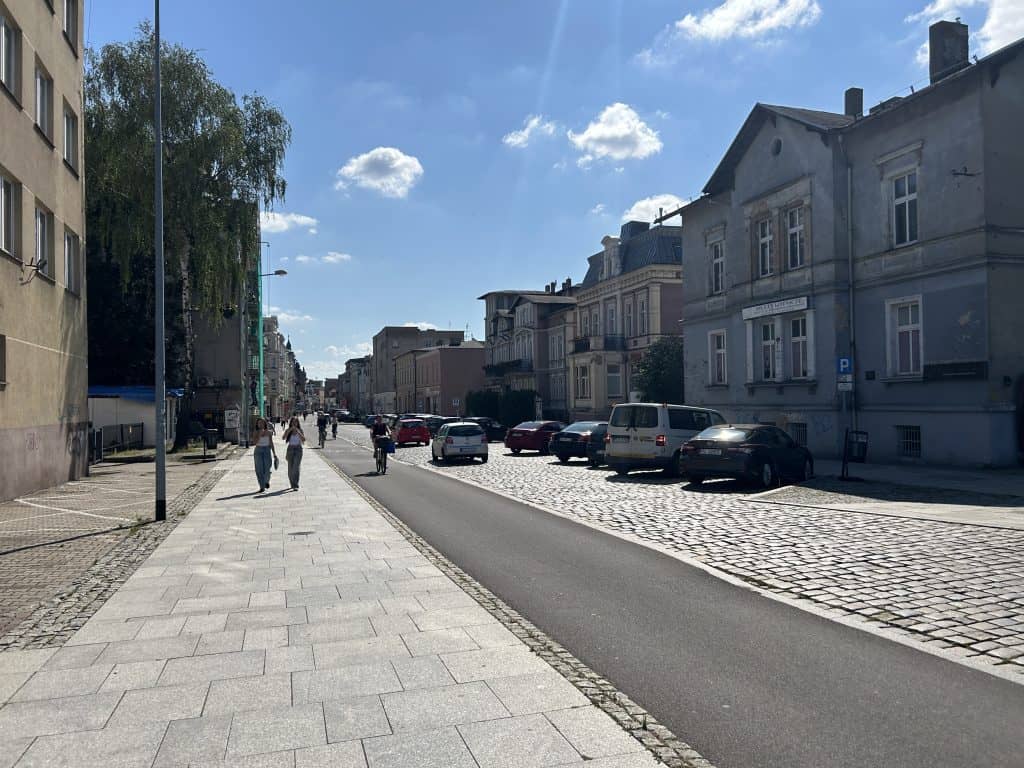
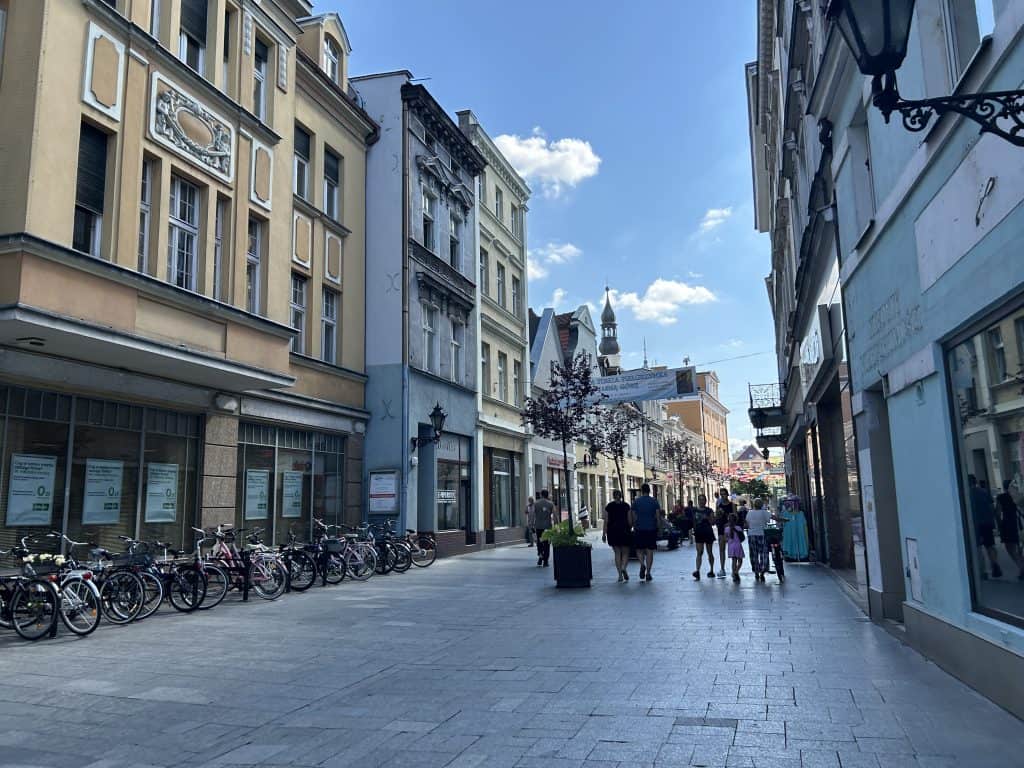
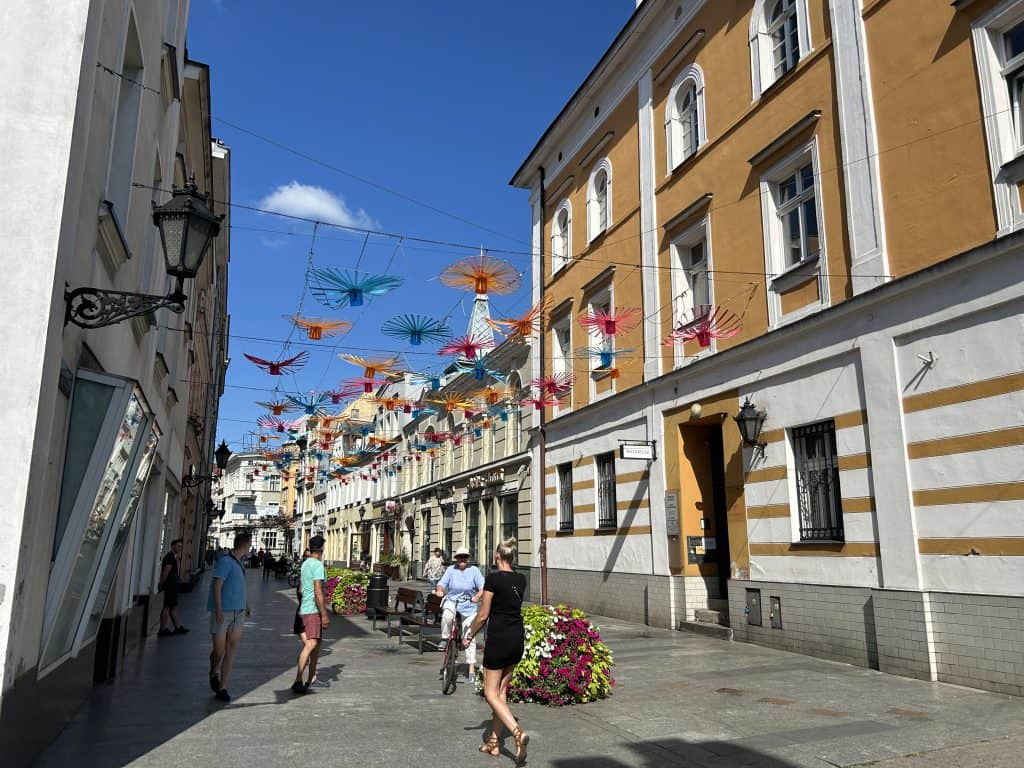
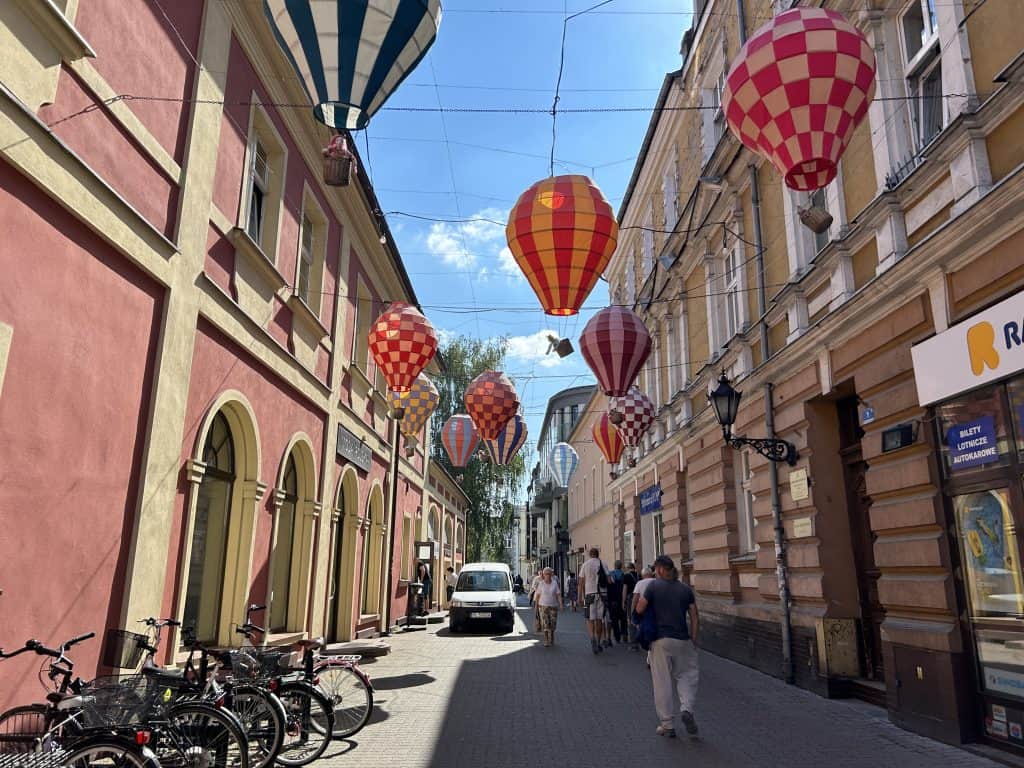
Leszno’s sights are centered on its historic core, where the city’s architectural and multicultural heritage is most visible. The journey begins in the main market square, moves through the surrounding historic churches that tell the story of its diverse religious past, and includes the former residence of its founding noble family. Beyond the old town, the city’s modern identity is revealed through its unique aviation facilities and public parks.
Old Town Market Square – Rynek
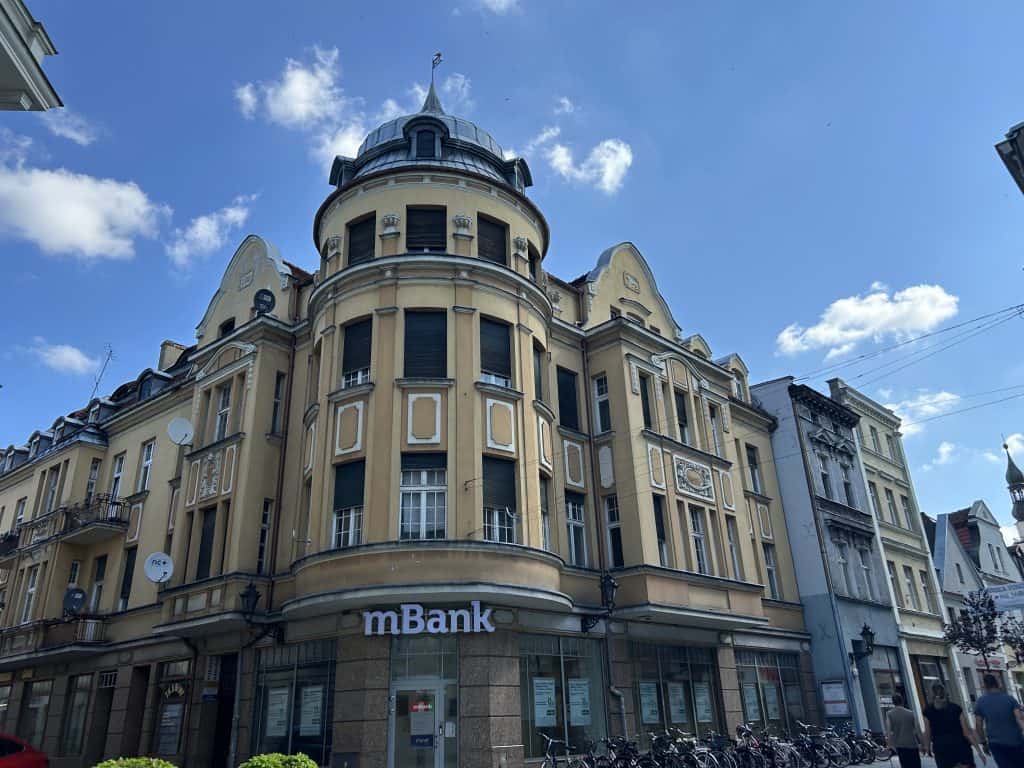
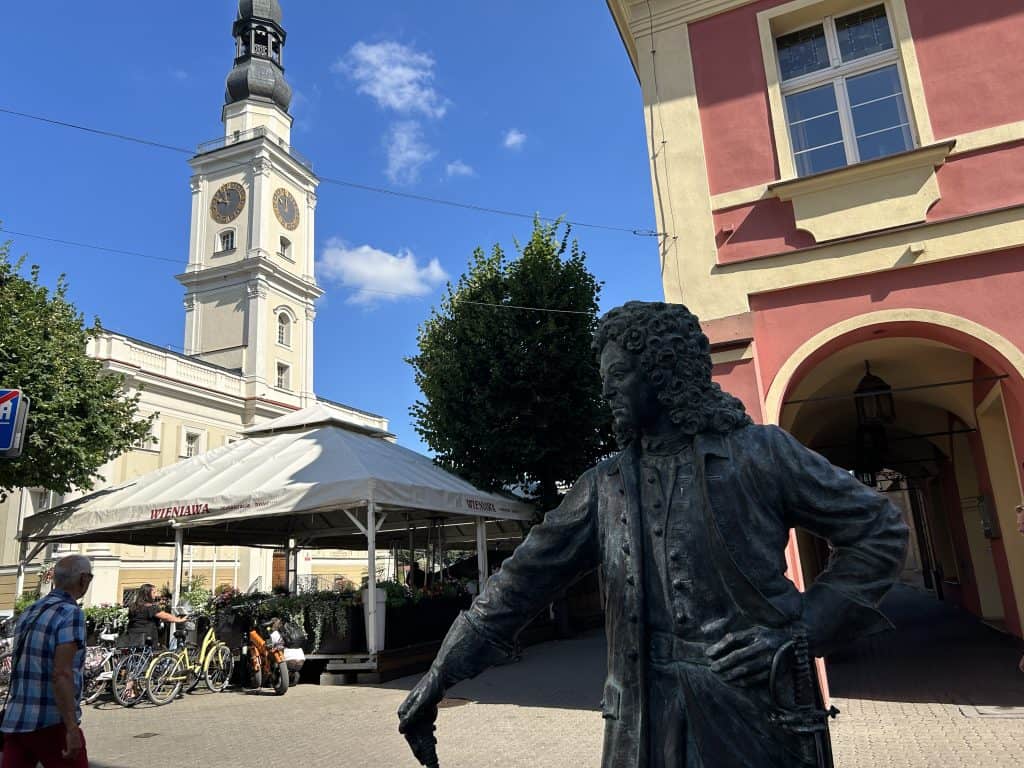
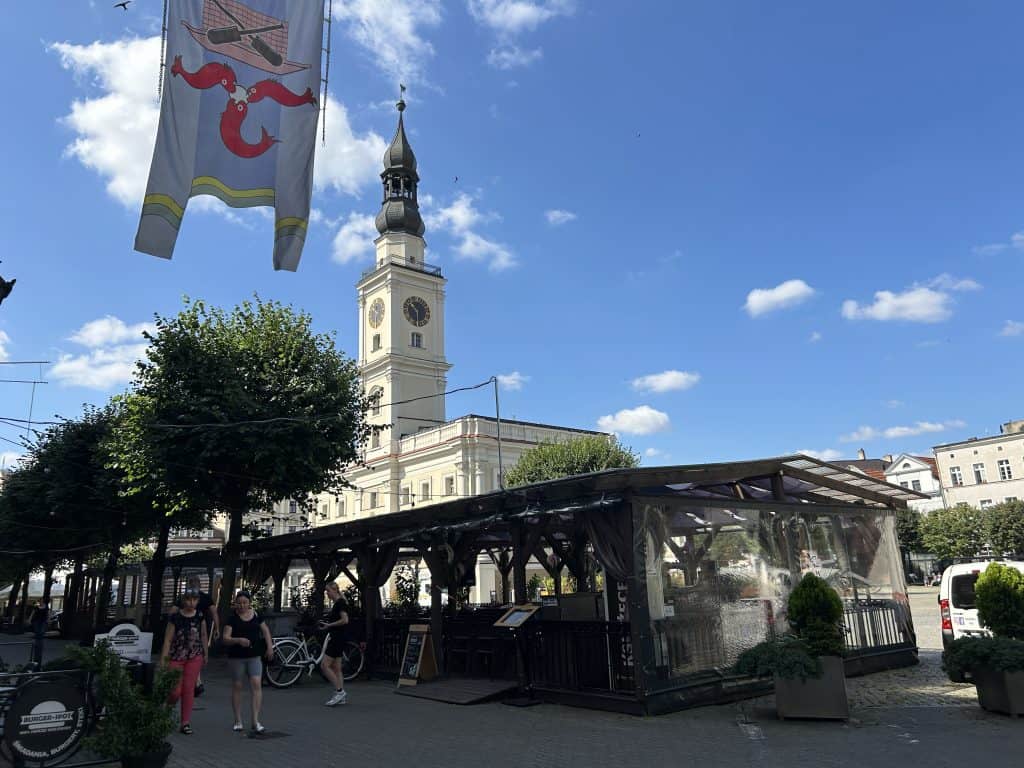
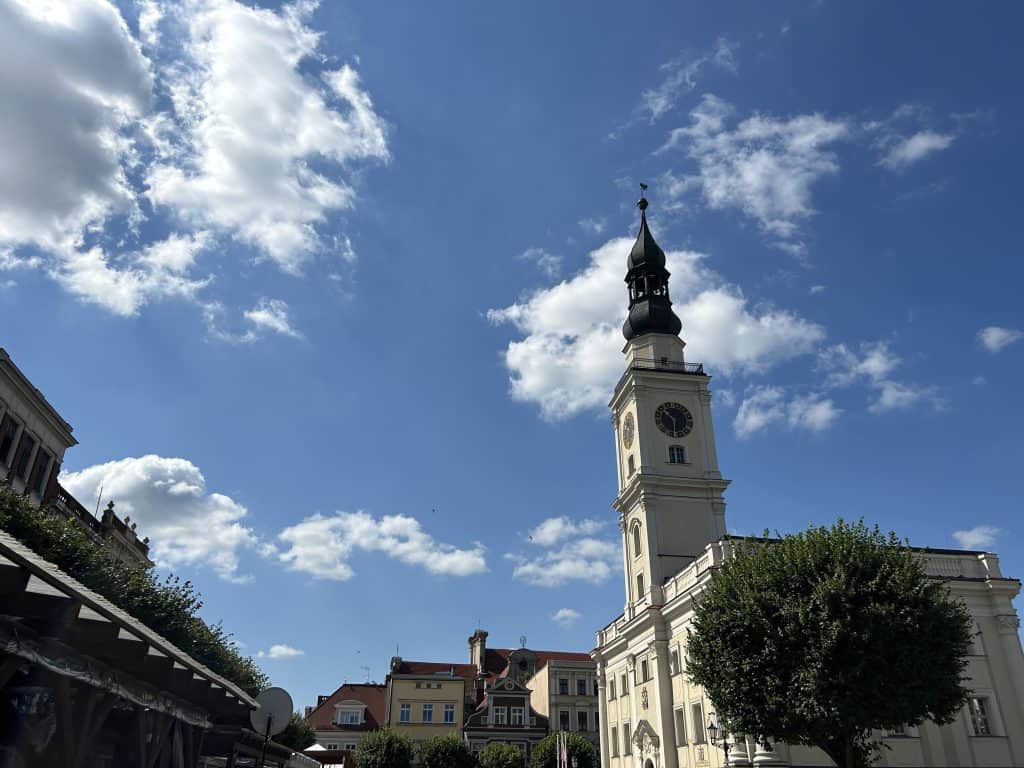
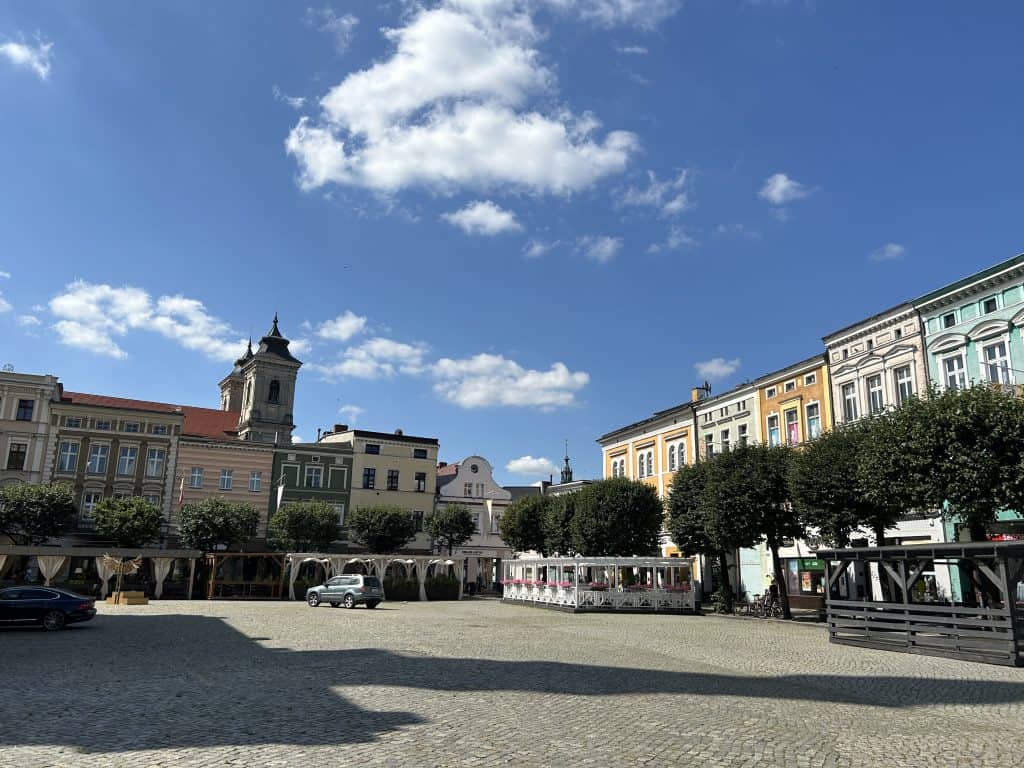
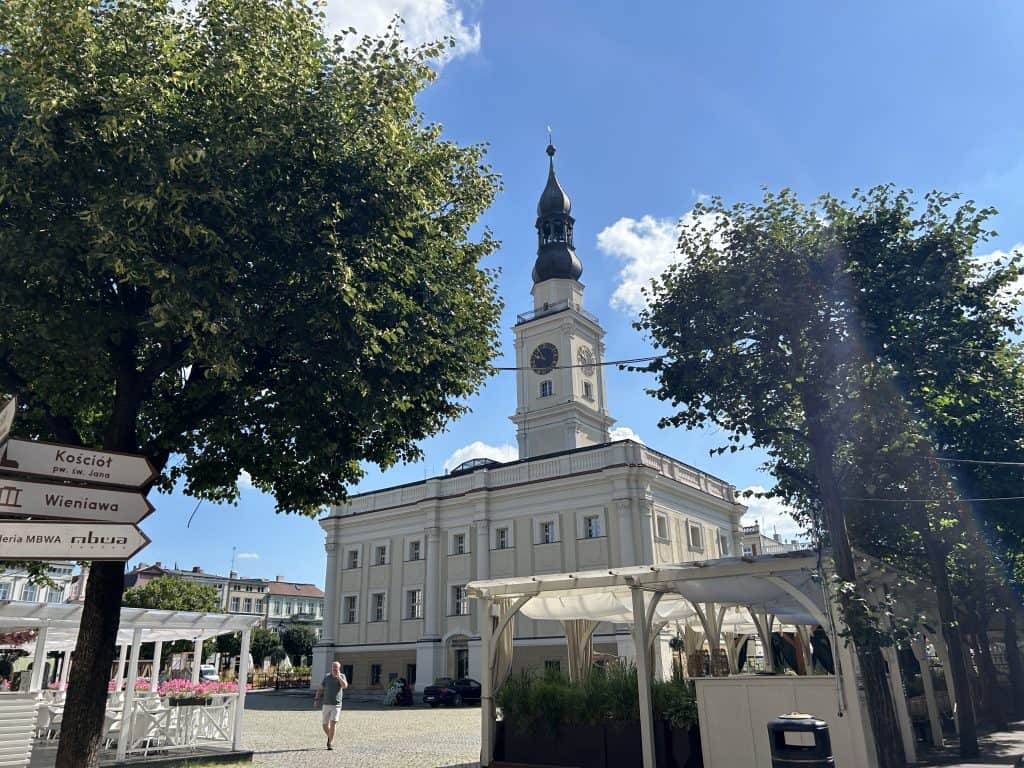
The Old Town Market Square (Rynek) forms the heart of Leszno. The large, open space is surrounded by colored tenement houses that reflect various architectural styles from different historical periods. The square is dominated by the Town Hall (Ratusz), a building constructed in the Baroque style whose prominent tower stands as a well-known landmark. As the central point for both residents and visitors, the square remains a primary hub of activity and public life.
Saint Nicholas’s Basilica
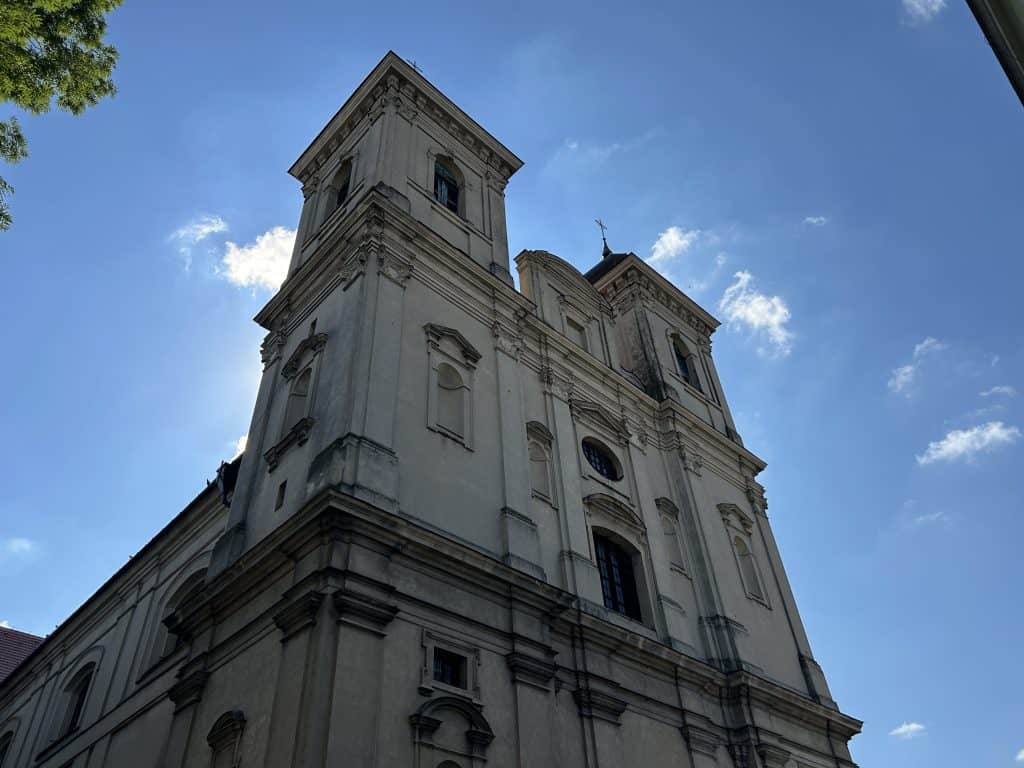
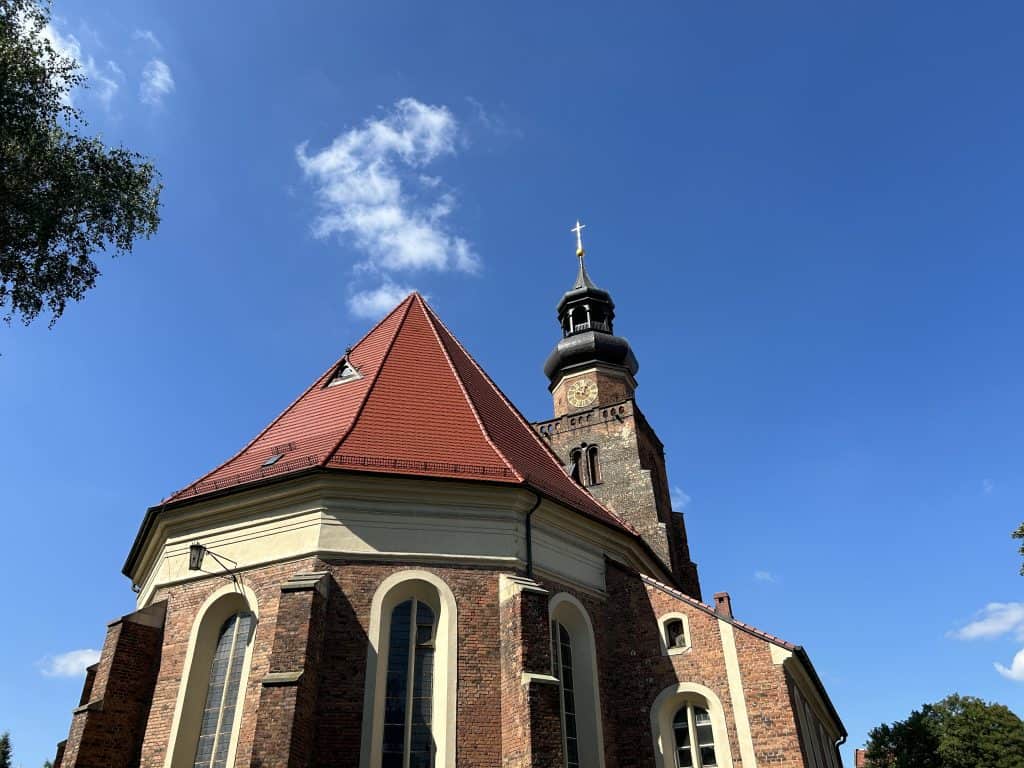
Just off the market square stands the Saint Nicholas’s Basilica (Bazylika św. Mikołaja), one of Leszno’s oldest and most important churches. The building presents a blend of Gothic and Baroque architectural elements, reflecting centuries of modifications. The original structure was Gothic, but it was rebuilt in the late 17th century in the Baroque style after being damaged. Its interior contains ornate altars and decorations that showcase the artistry of the period.
Holy Cross Church
Representing another facet of the city’s religious history is the Holy Cross Church (Kościół Świętego Krzyża). Originally built between 1652 and 1654 as a Protestant church for the Bohemian Brethren, it is now a Catholic place of worship. The building is an important example of Baroque architecture, with a design that features a cross-shaped layout. Its facade and interior are notable features from this period of multicultural religious life in the city.
Former Synagogue
The multicultural past of Leszno is further evidenced by the Former Synagogue (Dawna Synagoga). Built in the mid-18th century in the Baroque style, the building served the city’s large Jewish community for nearly two centuries. It was damaged during World War II and was not returned to its original function afterward. Today, the restored building houses an art gallery, but its architecture remains a reminder of the city’s formerly diverse religious landscape.
Leszno Airport and Gliding Center
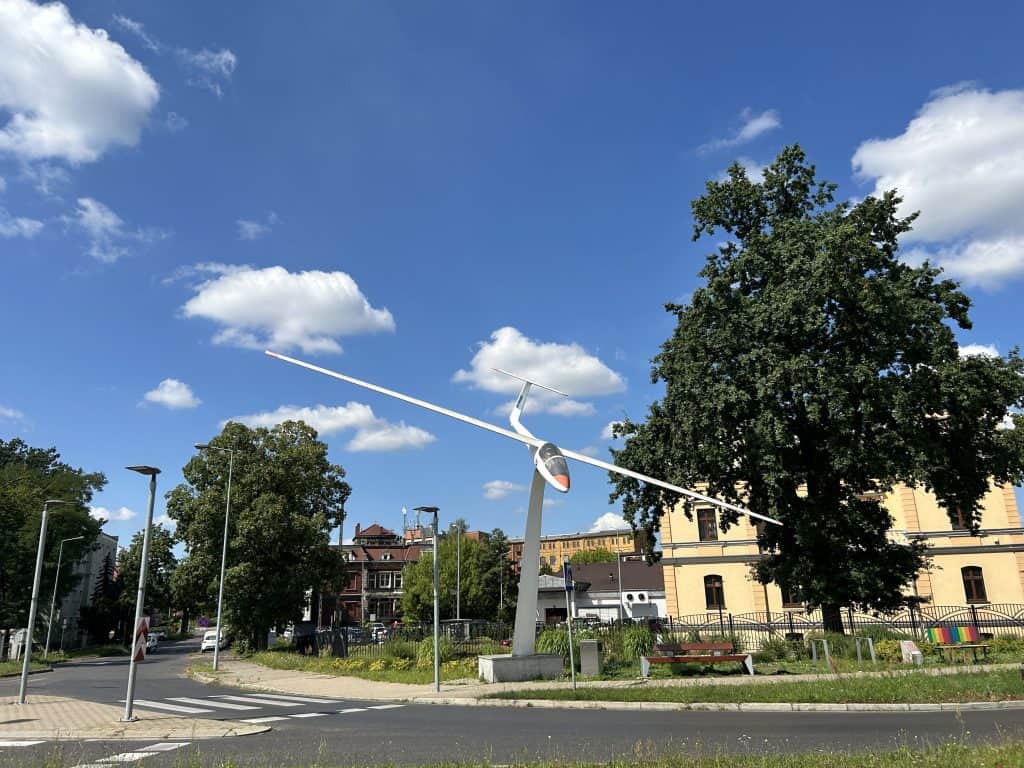
Beyond its historic architectural core, Leszno’s modern identity is closely tied to aviation. The Leszno Airfield (Lotnisko Leszno) is a key site for aviation sports in Europe. The city is often referred to as a ”gliding capital” due to its favorable thermal weather conditions. The airfield frequently hosts major international competitions, including World and European Gliding Championships. These events attract pilots and spectators from many different countries, and the sight of gliders in the sky is a common feature.
Culture and Leisure Park
For recreation on the ground, the city offers the Culture and Leisure Park (Park Kultury i Wypoczynku). This is a large public park in Leszno that provides space for relaxation and outdoor activities. The park contains a network of walking paths suitable for strolls or jogging. It also features playgrounds for children and other recreational facilities for public use. The park serves as a primary green space for residents.
Pałac Sułkowskich
Reflecting the city’s aristocratic heritage is the Sułkowski Palace (Pałac Sułkowskich). This historical palace, dating back to the 18th century, once belonged to the Sułkowski family, an influential noble family that owned the city after the Leszczyńskis. The building showcases the architectural style of a grand residence from that era. While the interior is not always accessible to the public, its exterior is a reminder of Leszno’s past as a private noble town.
Sports in Leszno
Leszno has an active sports scene with a particularly strong identity in two specific disciplines: motorcycle speedway and gliding. The city is home to one of Poland’s most successful speedway teams and a major European center for aviation sports. These specialties give Leszno a unique position in the Polish sporting landscape.
Speedway
Motorcycle speedway is the most followed sport in Leszno. The city is home to a club with a long and extremely successful history in the top Polish league. Speedway matches are major events in the city, drawing thousands of dedicated fans. The sport, which involves racing specialized motorcycles without brakes on an oval dirt track, is a central part of the city’s modern identity.
Unia Leszno
The city’s professional speedway club is Unia Leszno. Founded in 1938, it is one of the oldest and most successful speedway clubs in Poland. Competing in the PGE Ekstraliga, the top tier of Polish speedway, Unia Leszno has won the Polish Team Championship 18 times. They race at the Alfred Smoczyk Stadium, which is named after a legendary Polish rider from the area. The club’s supporters are known for creating a loud and supportive atmosphere.
Gliding
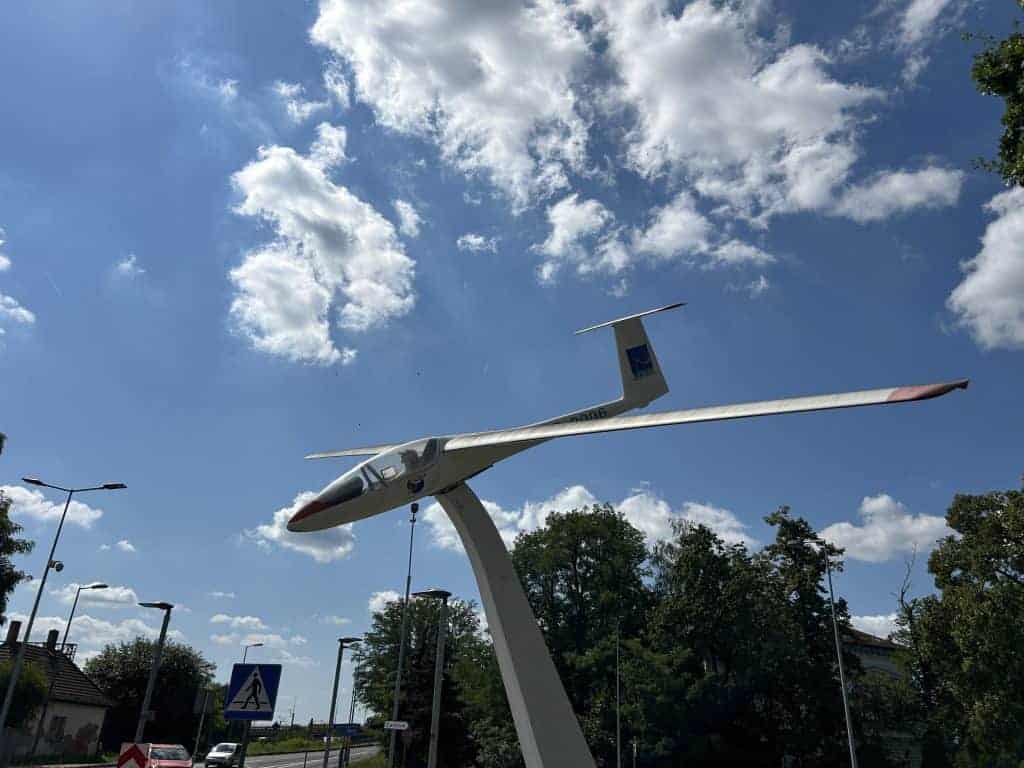
Leszno is widely known as a ”gliding capital” in Poland and Europe. The city has a large airfield and excellent thermal weather conditions that are suitable for the sport. This has made it a primary destination for both recreational and competitive gliding. The sky above Leszno is often filled with the sight of gliders, which has become a key part of the city’s visual identity.
Leszno Airfield Competitions
The Leszno Airfield (Lotnisko Leszno) is the center of the city’s aviation sports. The airfield frequently hosts major national and international gliding competitions, including World and European Gliding Championships. It is home to a central gliding school that has trained generations of Polish pilots. The airfield and its facilities are a key attraction for aviation enthusiasts from around the world.
Football
Football is also a popular sport in Leszno, although it does not have the same high profile as speedway. The city has a local football club that plays an important role in the community. The club provides a platform for local players and has a focus on youth development, competing in the regional tiers of the Polish football league system.
Polonia Leszno
The city’s main football club is Polonia Leszno. The club was founded in 1912, making it one of the oldest sports organizations in the region. The team plays its home games at a local stadium in the city. While they compete in the lower leagues of the Polish football system, the club has a dedicated local following and is a key institution for community sports in Leszno.

Getting Around in Leszno
Leszno’s city center is compact and easily navigable. The historic Old Town and its main sights are best explored on foot. For travel to other parts of the city, a local bus network is available.
On Foot: The Historic Core
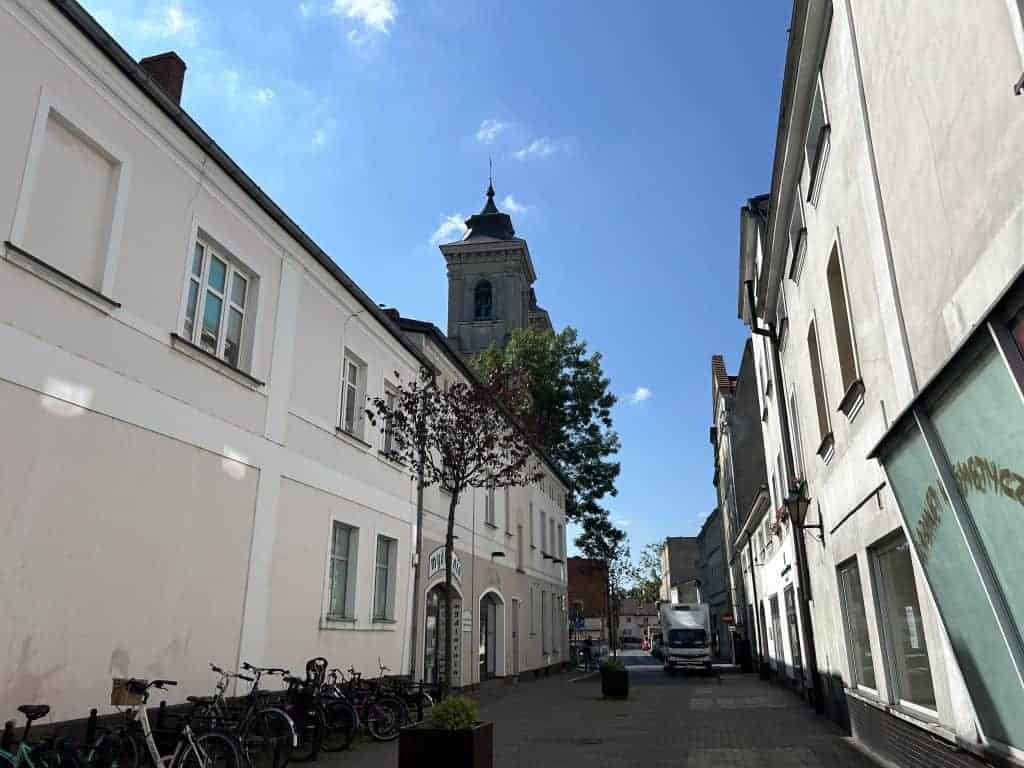
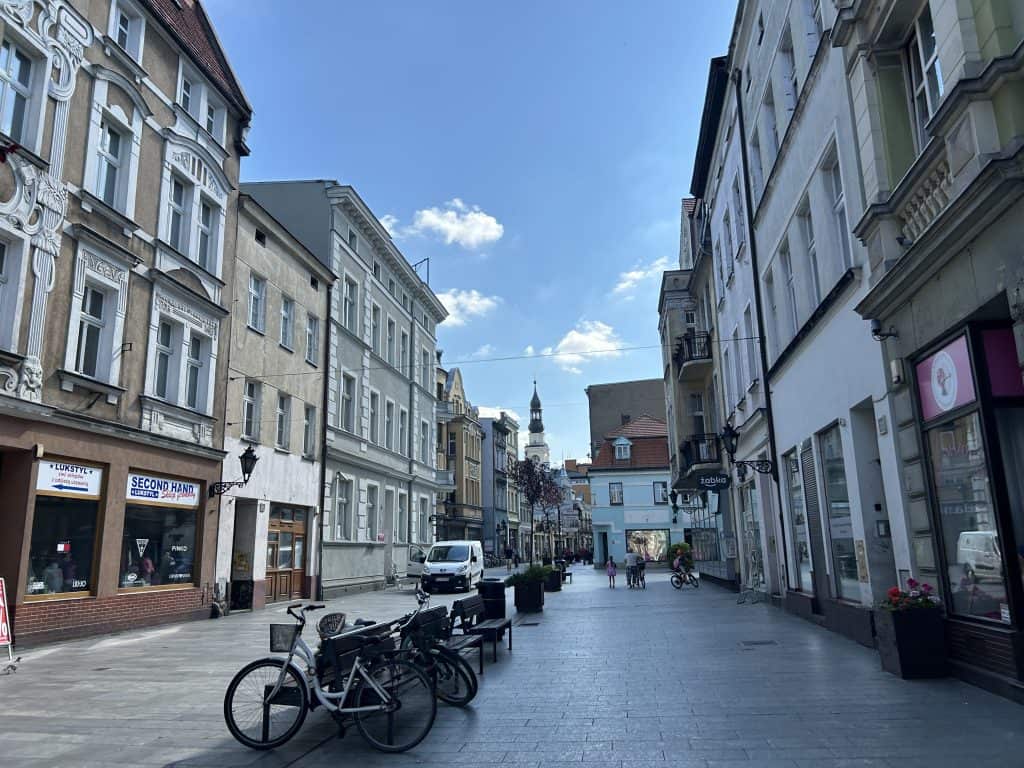
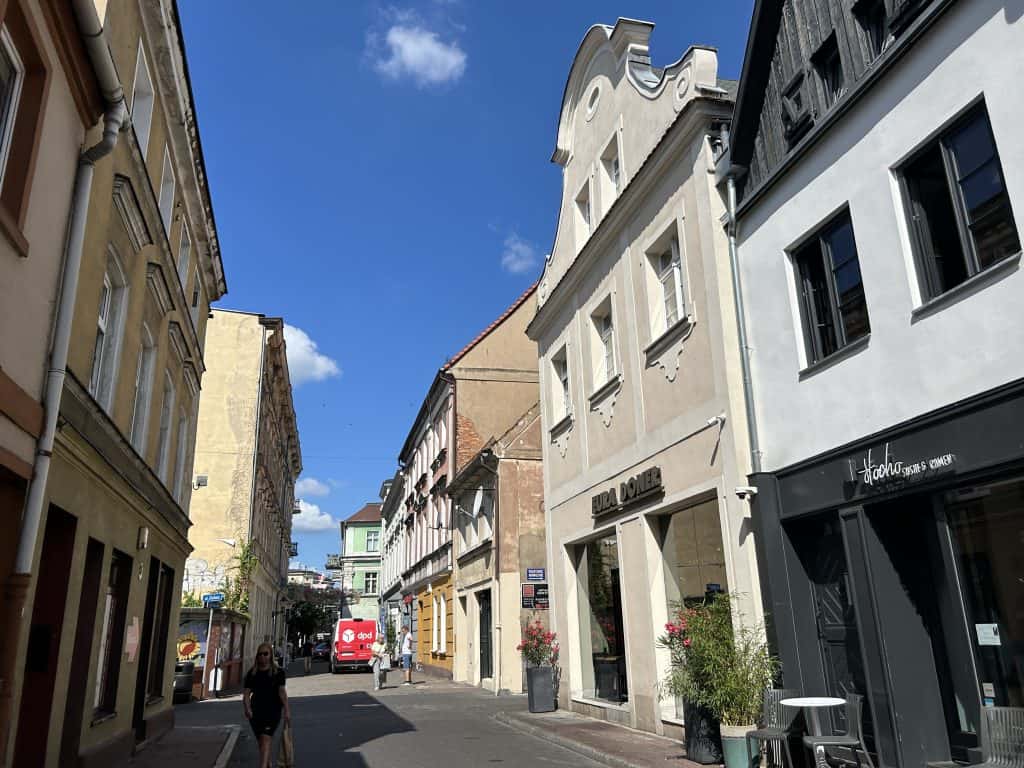
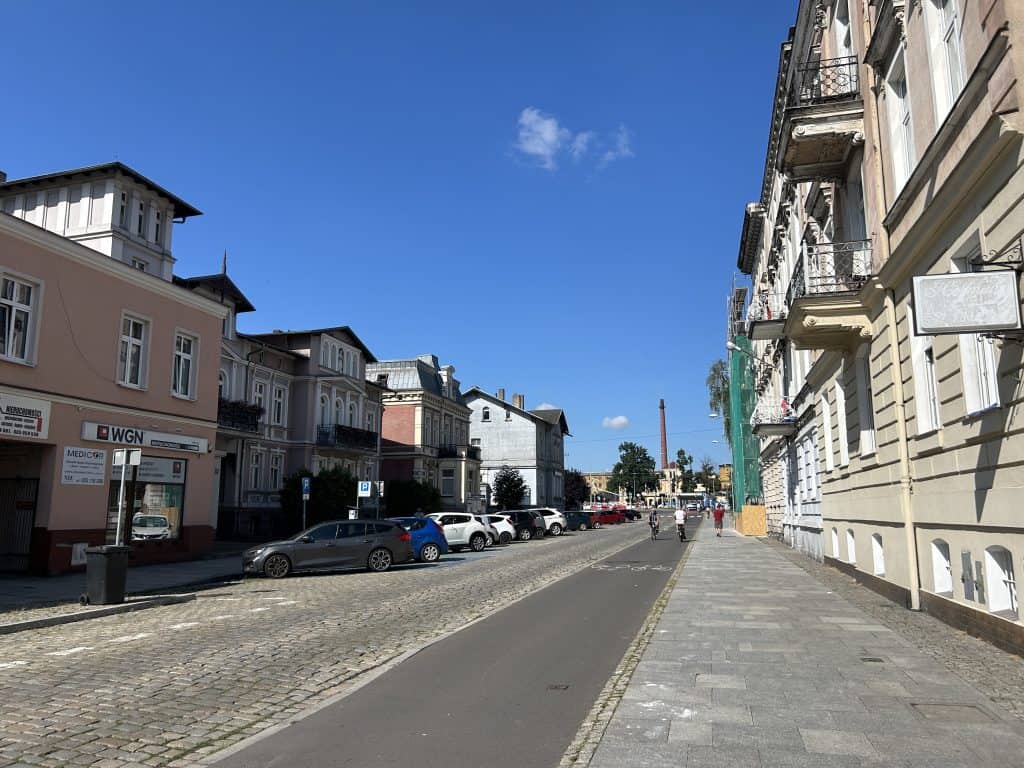
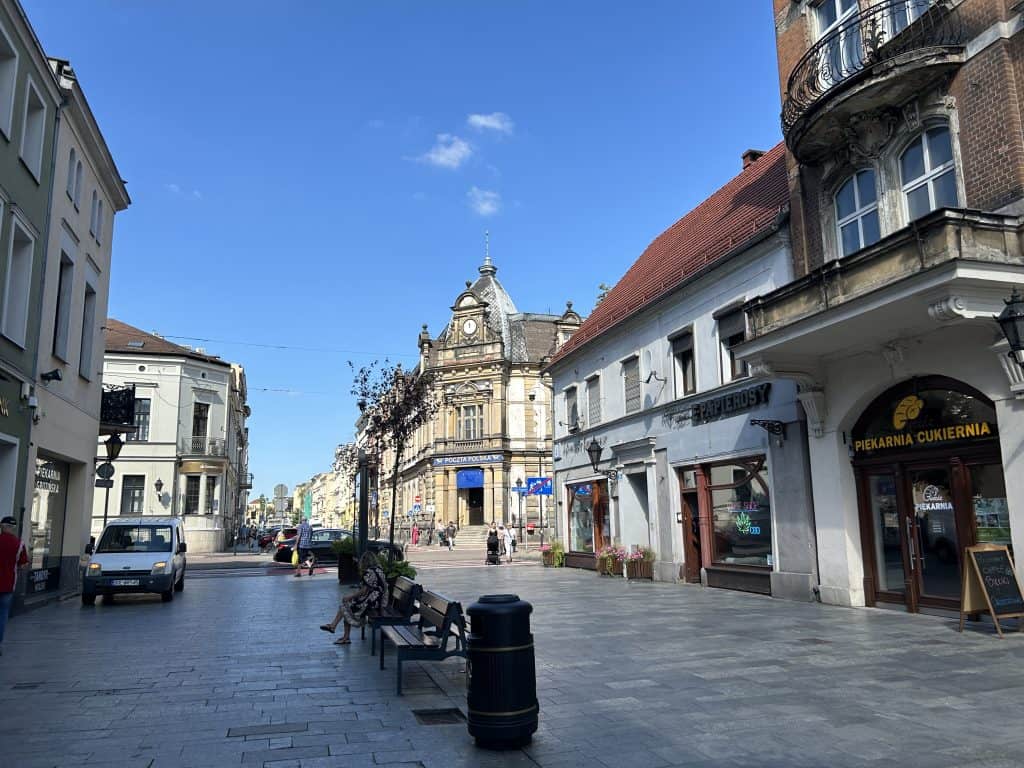
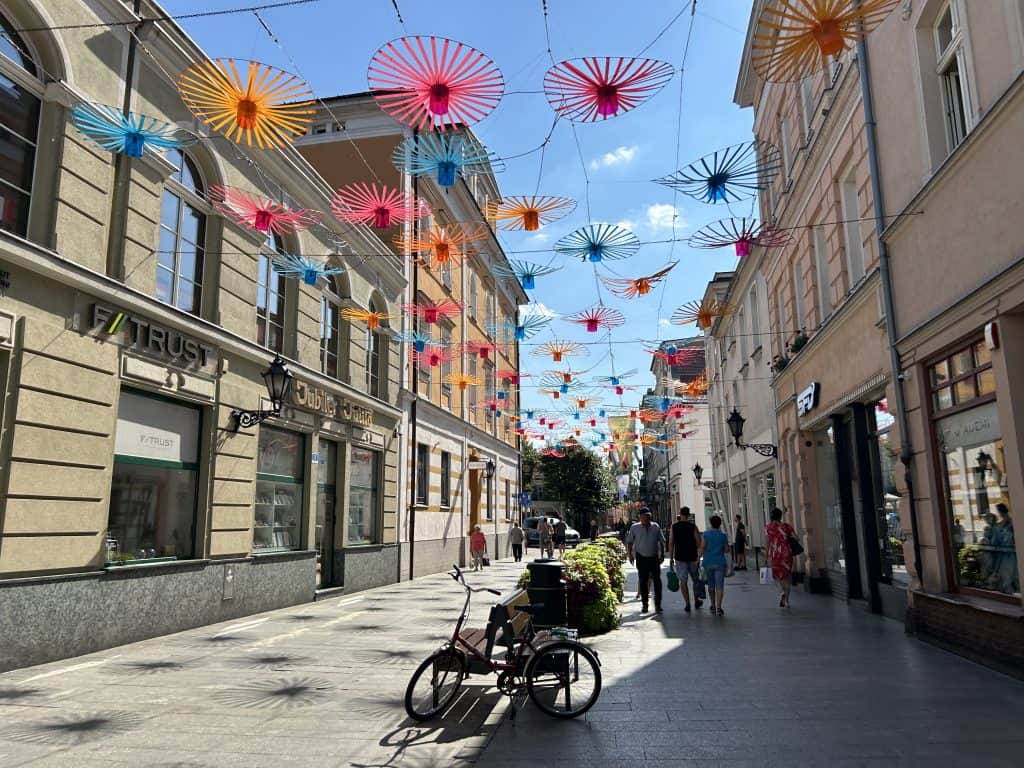
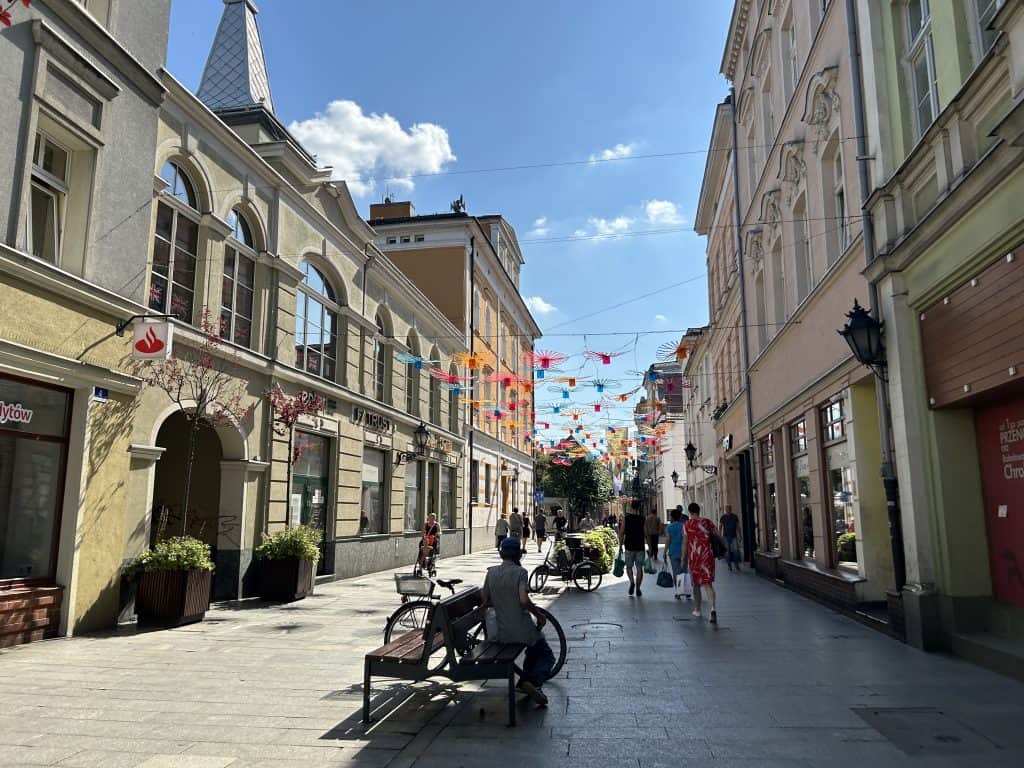
Walking is the best way to explore Leszno’s historic core. The Old Town Market Square (Rynek) and its surrounding streets form a pedestrian-friendly zone. Most of the main sights, including the Town Hall and the city’s historic churches, are located within this compact area. This allows visitors to see the architecture and access local shops and cafes on foot.
Local Buses
Leszno has a local bus network operated by the Miejski Zakład Komunikacji (MZK). These buses connect the city center with the outer residential districts, the train and bus stations, and the airfield. The bus system is the primary mode of public transport for residents moving around the city. Tickets can be purchased at kiosks or on the buses. Always check official sources for up-to-date schedule information.
How to Get to Leszno
Reaching Leszno is straightforward due to its location on a major transport corridor between two of Poland’s largest cities. The city is well-connected by both the national road and rail networks.
Arriving by Air: Regional Gateways
Leszno does not have its own commercial passenger airport. The two closest major airports are Poznań–Ławica Airport (POZ), located about 80 kilometers to the north, and Wrocław Airport (WRO), about 90 kilometers to the south. Both airports offer numerous domestic and international flights. From either airport, the journey to Leszno must be completed by train, bus, or rental car.
The Open Road: Driving the S5 Expressway
Driving to Leszno is very efficient, as the city is situated directly on the S5 expressway, which is also part of the European route E261. This major highway connects some of Poland’s largest urban areas, running from the north coast through Poznań and down to Wrocław. This road provides a fast and direct route to the city from both directions.
Connecting by Coach
Leszno has a central bus station (dworzec autobusowy) located near the train station, and it is well-served by national bus companies. FlixBus and other carriers offer direct routes from major Polish cities like Warsaw, Poznań, and Wrocław. International connections are also available from cities like Berlin and Prague. Bus travel is often an economical option for reaching the city.
On Track: A Key Railway Hub
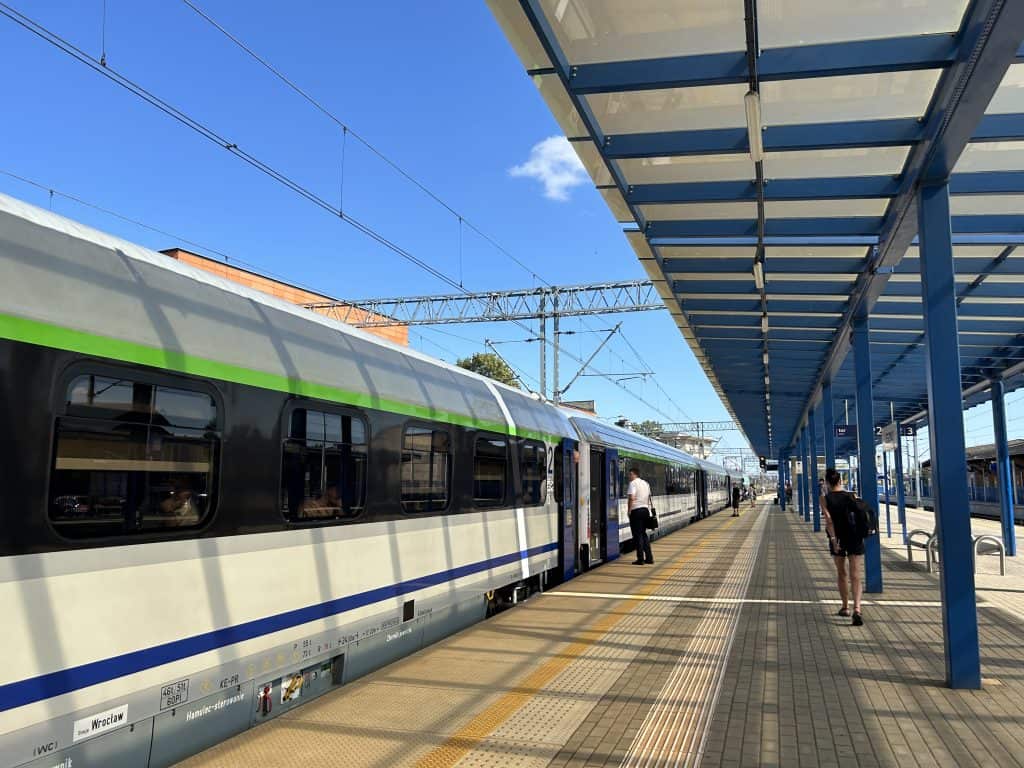
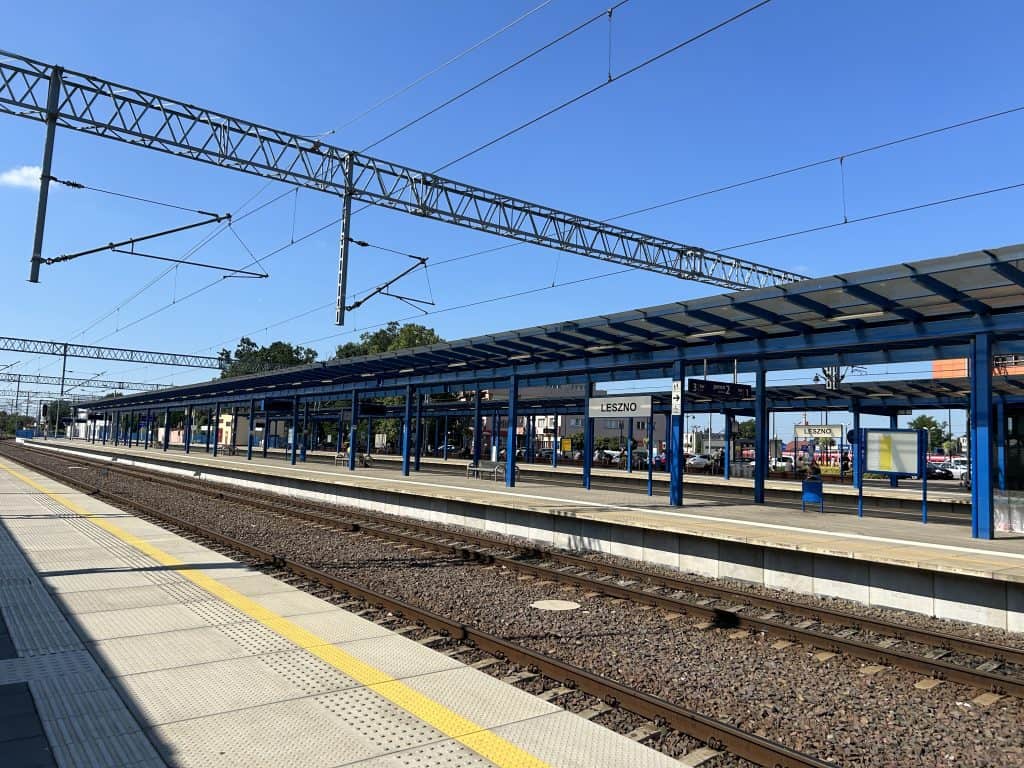
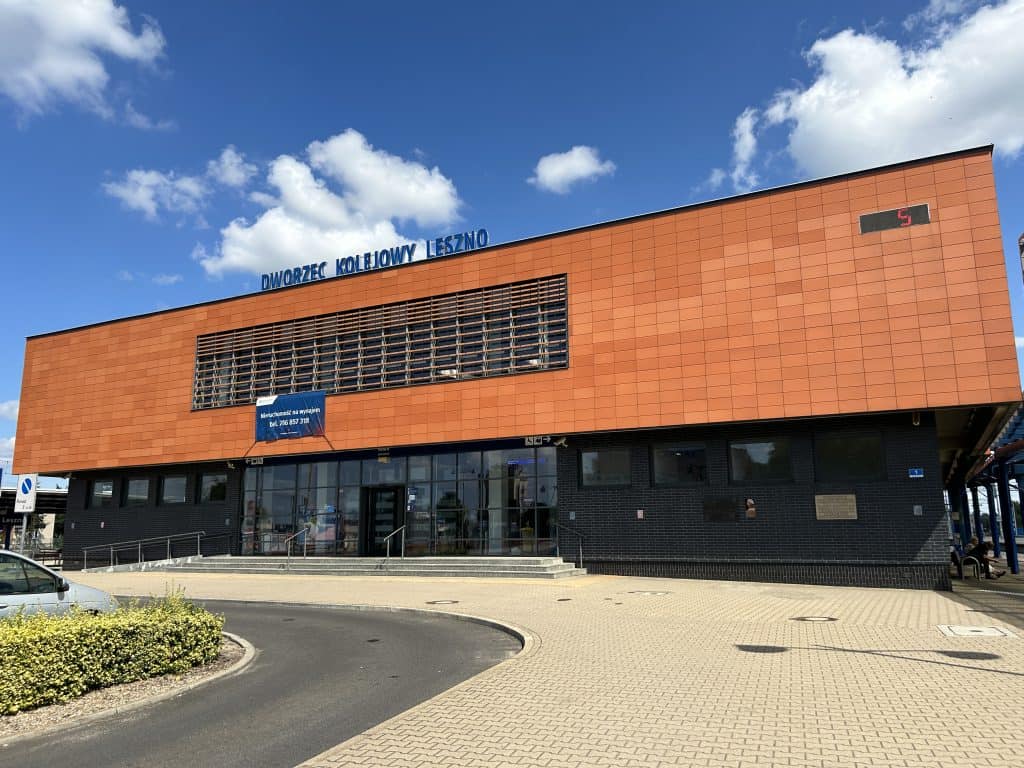
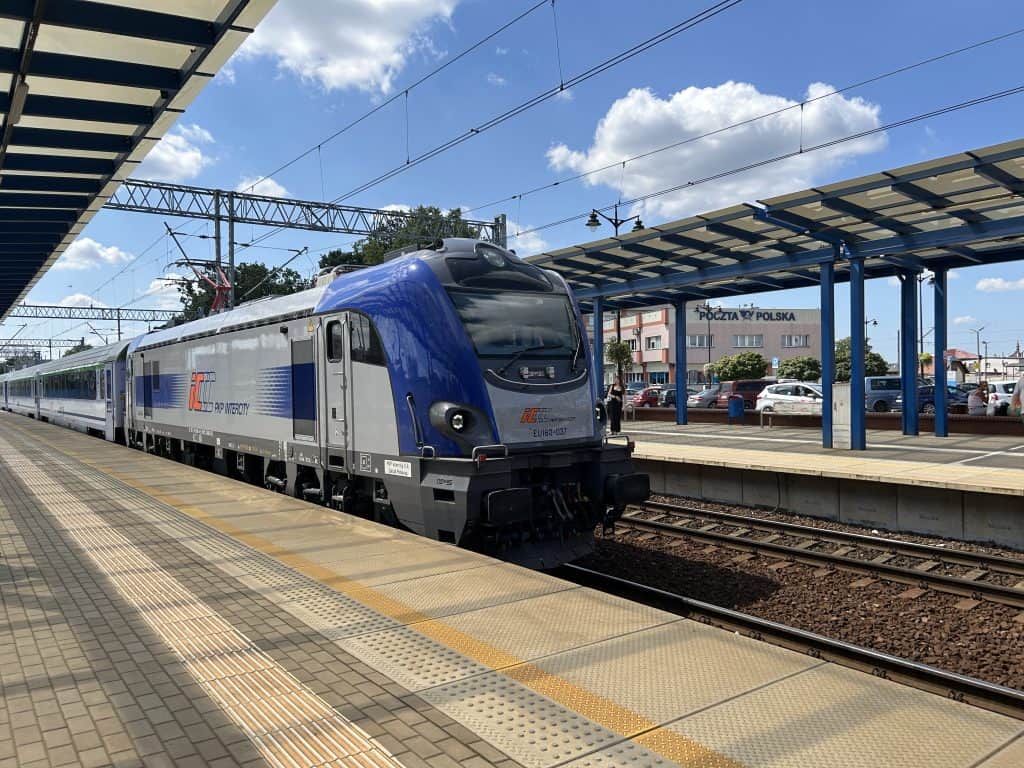
The Leszno railway station (Leszno PKP) is a key railway hub in the region, located on the important line connecting Poznań and Wrocław. PKP Intercity and regional carriers operate frequent services to Leszno. Direct trains from major Polish cities like Poznań and Wrocław are very common. Train travel is often a fast and convenient option for reaching the city.
Driving Distances
The driving distance from 10 major regional cities, according to Google Maps:
- Warsaw, Poland – 382 kilometers (4 h 00 min)
- Kraków, Poland – 378 kilometers (3 h 40 min)
- Wrocław, Poland – 99 kilometers (1 h 10 min)
- Gdańsk, Poland – 382 kilometers (4 h 00 min)
- Szczecin, Poland – 268 kilometers (3 h 00 min)
- Berlin, Germany – 275 kilometers (3 h 00 min)
- Prague, Czech Republic – 287 kilometers (3 h 20 min)
- Bratislava, Slovakia – 417 kilometers (4 h 10 min)
- Copenhagen, Denmark – 628 kilometers (7 h 40 min)
- Vienna, Austria – 478 kilometers (4 h 50 min)
Looking to Explore more of Poland and Europe?


I have always wanted to visit Poland since my mother’s family was from there. My maternal grandparents came over from Poland, via Ellis Island.
Thanks for the pictures.
Nancy