Lublin, Lubelskie | Exploring Poland
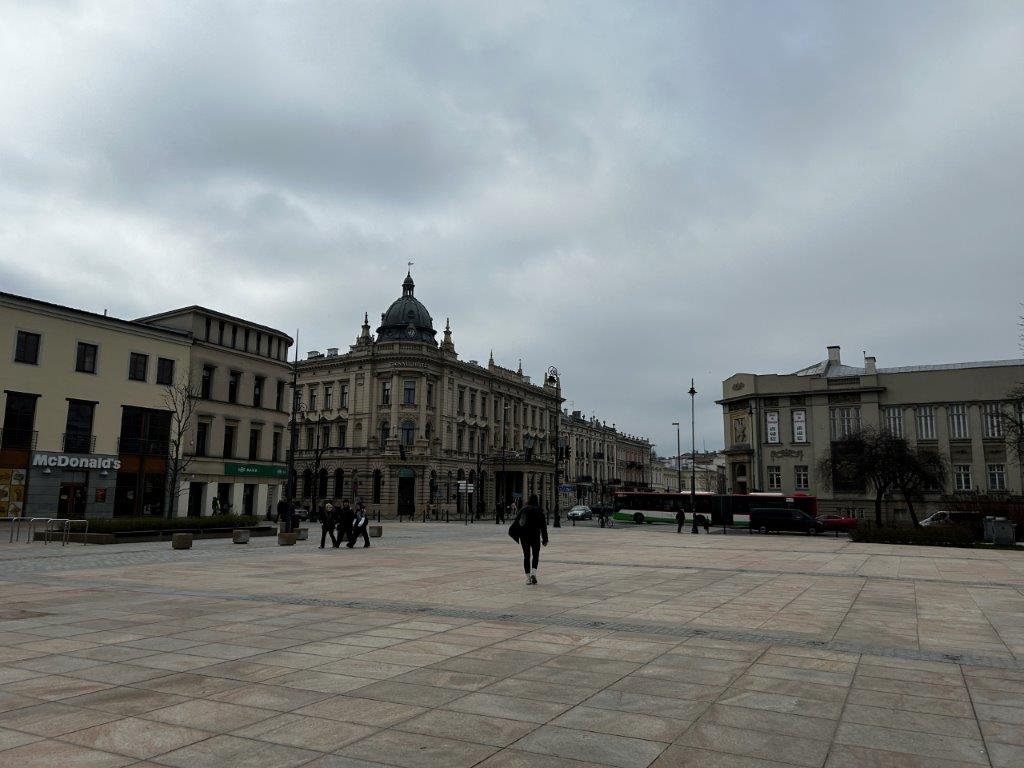
Lublin is a historic city in eastern Poland and serves as the capital of the Lublin Voivodeship, a key administrative region. Positioned at a historical crossroads, the city has long been a bridge between East and West, fostering a unique blend of cultures. Lublin is renowned for its beautifully preserved Old Town, a testament to its long and complex past. It functions as a major academic and cultural center in the region, hosting several universities that create a vibrant, youthful atmosphere.
With a population of approximately 330,000 residents, Lublin is a significant urban hub with a rich cultural tapestry. The city played a truly significant role in Polish and European history, most notably as the site where the Union of Lublin was signed, creating the Polish-Lithuanian Commonwealth. For centuries, it was also one of the most important centers of Jewish culture in Europe. Today, Lublin honors its multifaceted past while embracing its role as a dynamic modern city, balancing its historical legacy with a forward-looking spirit.




A Short History of Lublin
The origins of Lublin stretch back to the early Middle Ages, when it was established as a strategic settlement on vital trade routes. The city was granted official town rights in the 13th century, a key step that spurred its development. It flourished during the Polish Golden Age, becoming a major center for trade, craftsmanship, and political discourse. A pivotal moment in its history was the signing of the Union of Lublin in 1569, which united Poland and Lithuania into a single, powerful commonwealth and cemented the city’s importance on the European stage.
A Center of Jewish Culture
For centuries, Lublin served as a vibrant and significant center of Jewish culture. Its Jewish community was one of the largest and most influential in all of Poland, earning the city the nickname ”the Jewish Oxford.” The city was home to a famous yeshiva (a Talmudic academy), and its scholars and rabbis were renowned throughout the Jewish world. This community contributed immensely to the city’s intellectual, cultural, and economic life. The historic Jewish quarter was located around the castle, and while it was almost entirely destroyed during World War II, its memory is preserved by institutions like the Grodzka Gate–NN Theatre Centre.
World War II and Post-War Resilience
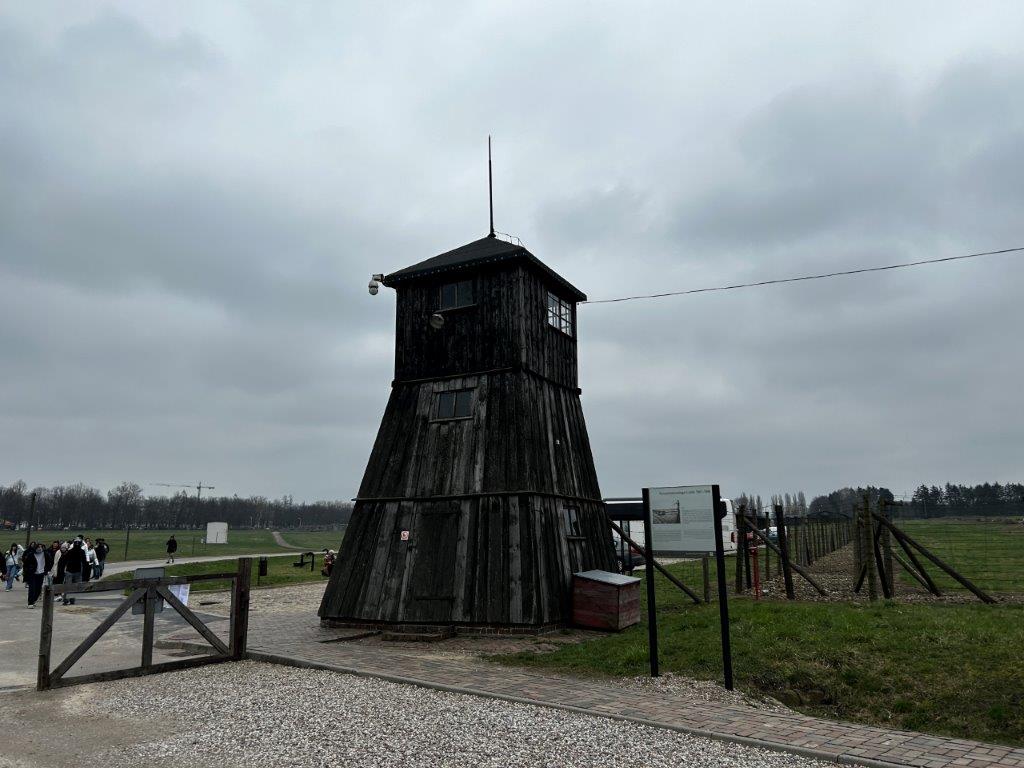
Tragically, during World War II, Lublin suffered immensely under brutal Nazi occupation. The infamous Majdanek Concentration and Extermination Camp was established on the outskirts of the city, serving as a horrific testament to the atrocities committed during the Holocaust. Following the devastation of the war, the city embarked on an arduous but determined rebuilding process. It successfully developed into an increasingly important academic and industrial center in post-war Poland, demonstrating remarkable resilience and a forward-looking spirit. Today, Lublin continues to honor its complex past while embracing its role as a dynamic modern city.
The Union of Lublin
A pivotal moment in European history occurred in Lublin in the year 1569 with the signing of the Union of Lublin. This momentous act forged the Polish-Lithuanian Commonwealth, uniting the Kingdom of Poland and the Grand Duchy of Lithuania under a single monarch and a single parliament (Sejm). The treaty was negotiated and signed at Lublin Castle. This event created one of the largest and most populous countries in 16th- and 17th-century Europe. It profoundly cemented Lublin’s political importance and is a cornerstone of the city’s historical identity.




Sights in Lublin
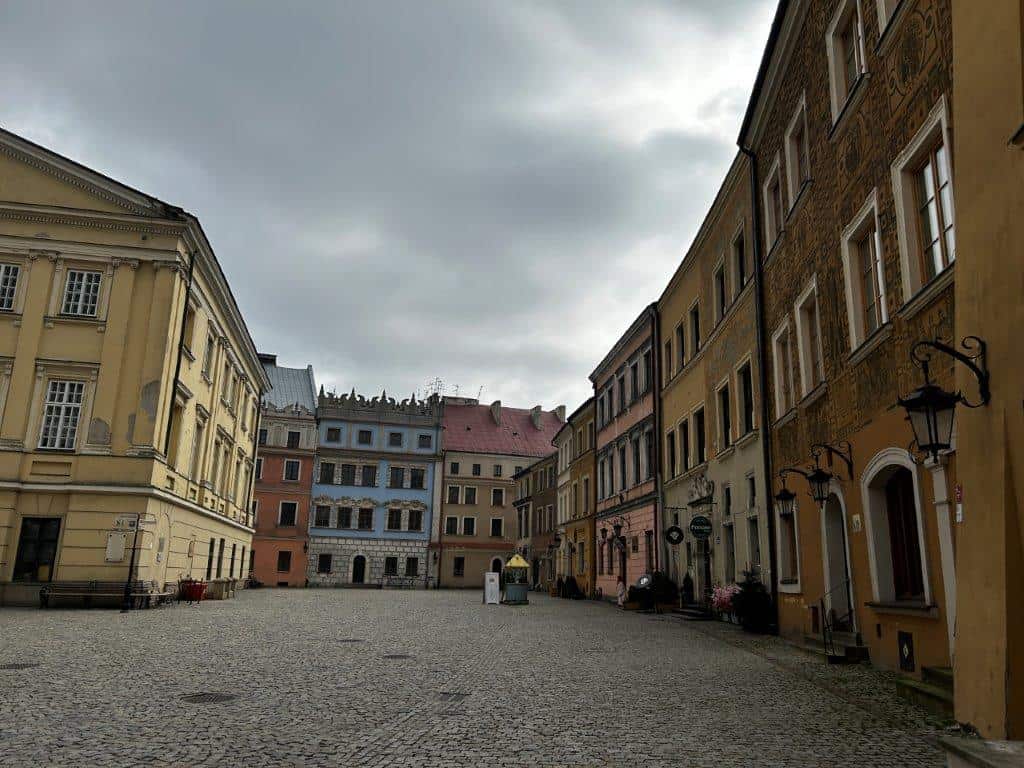
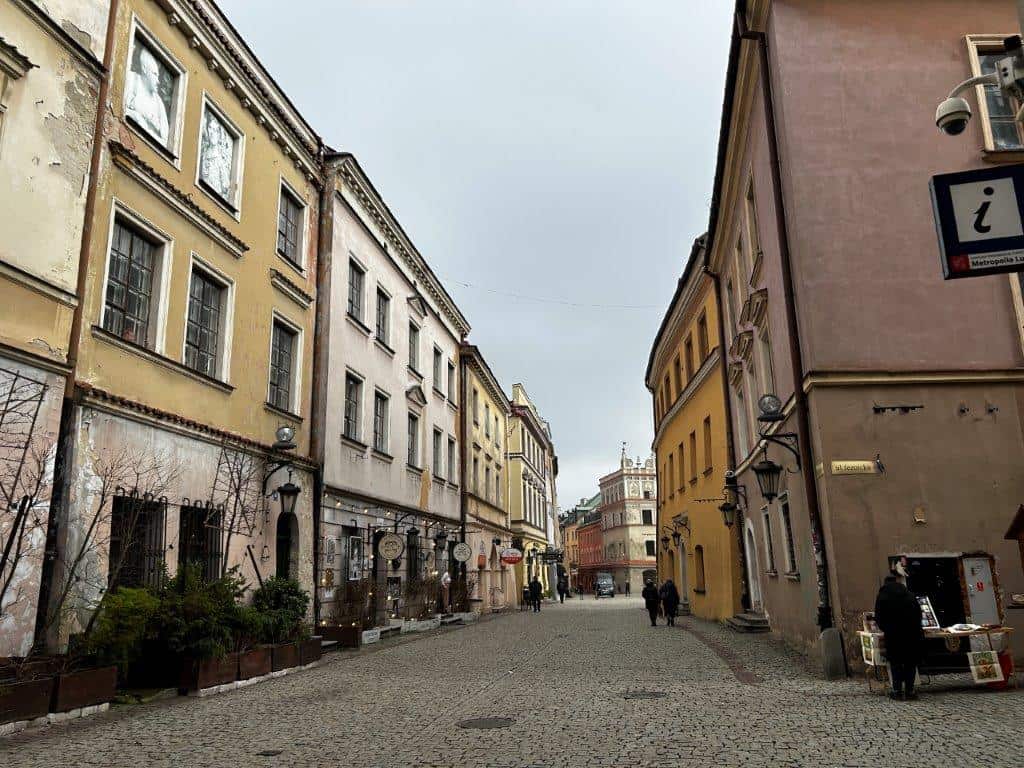
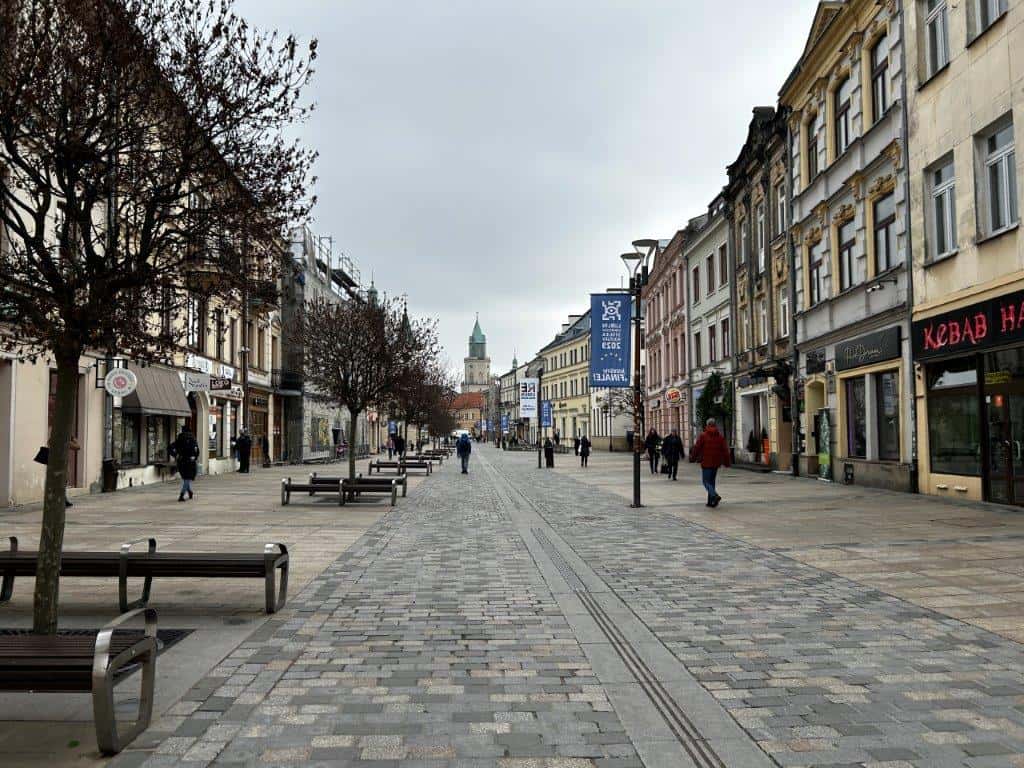
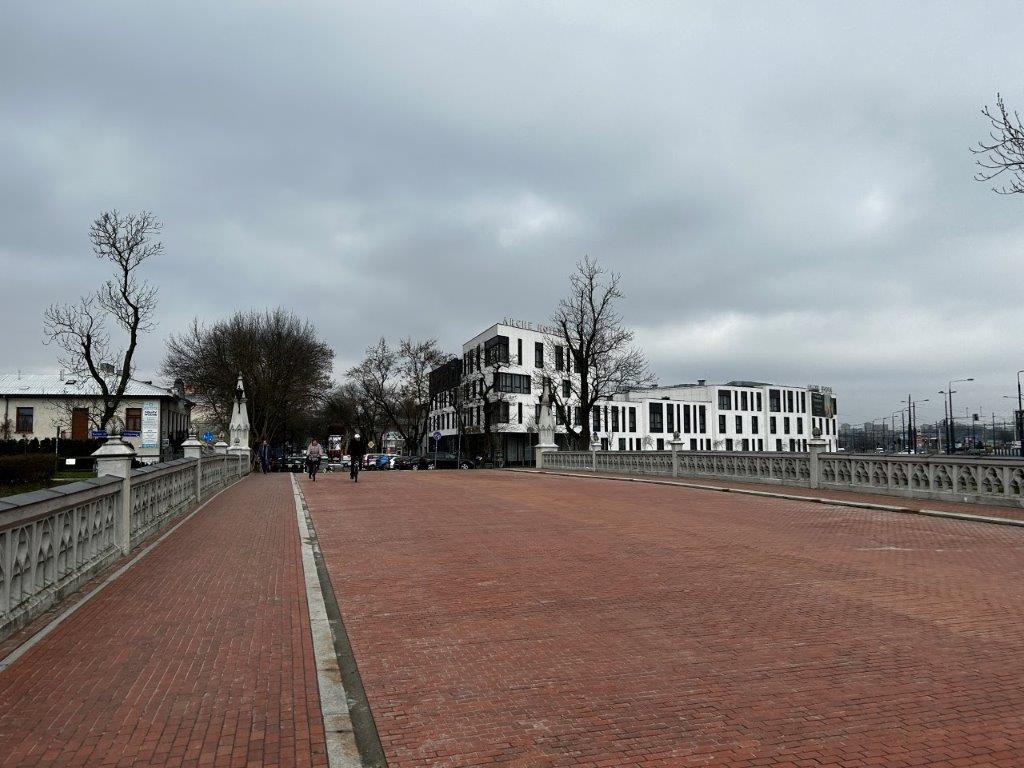
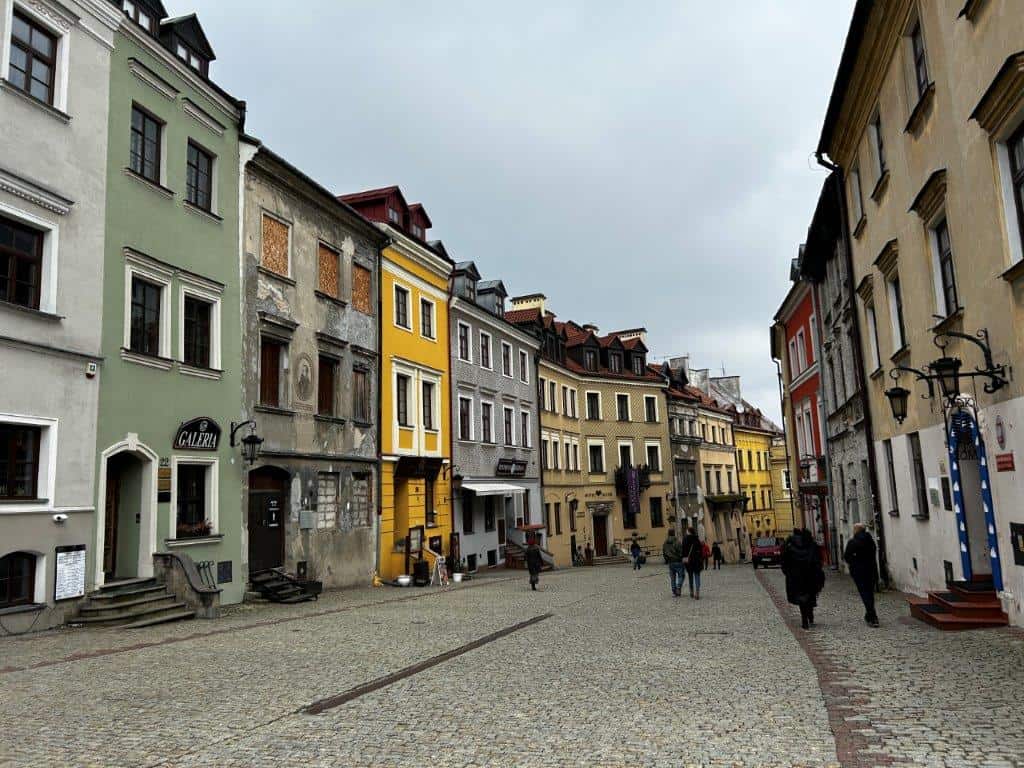
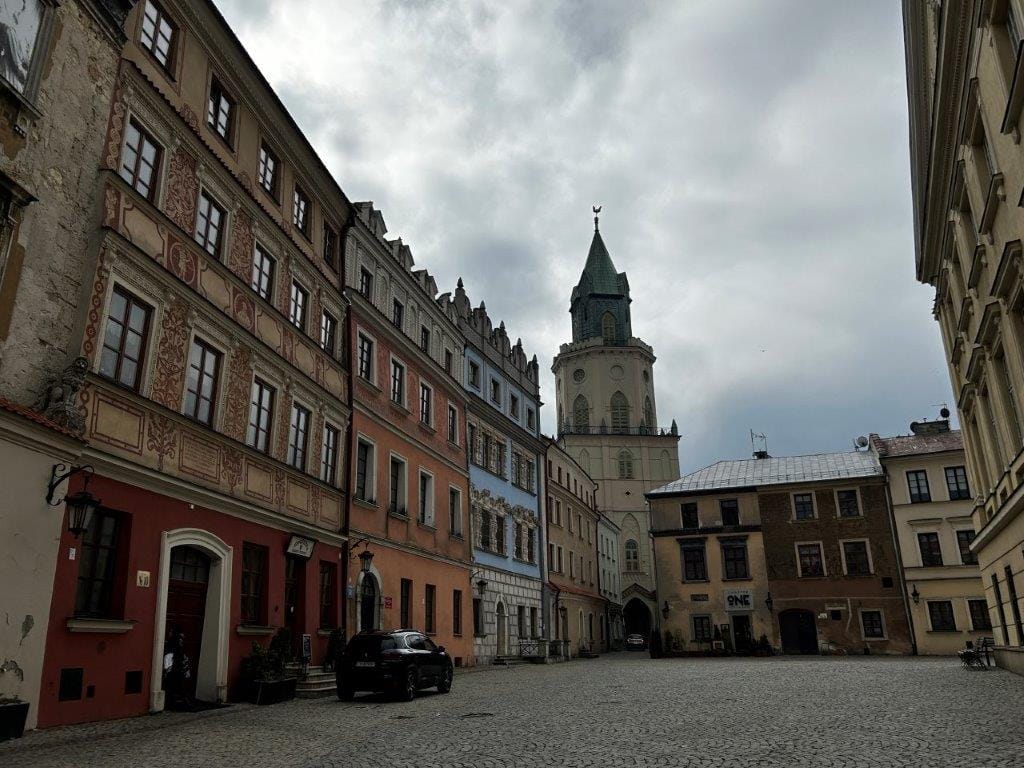
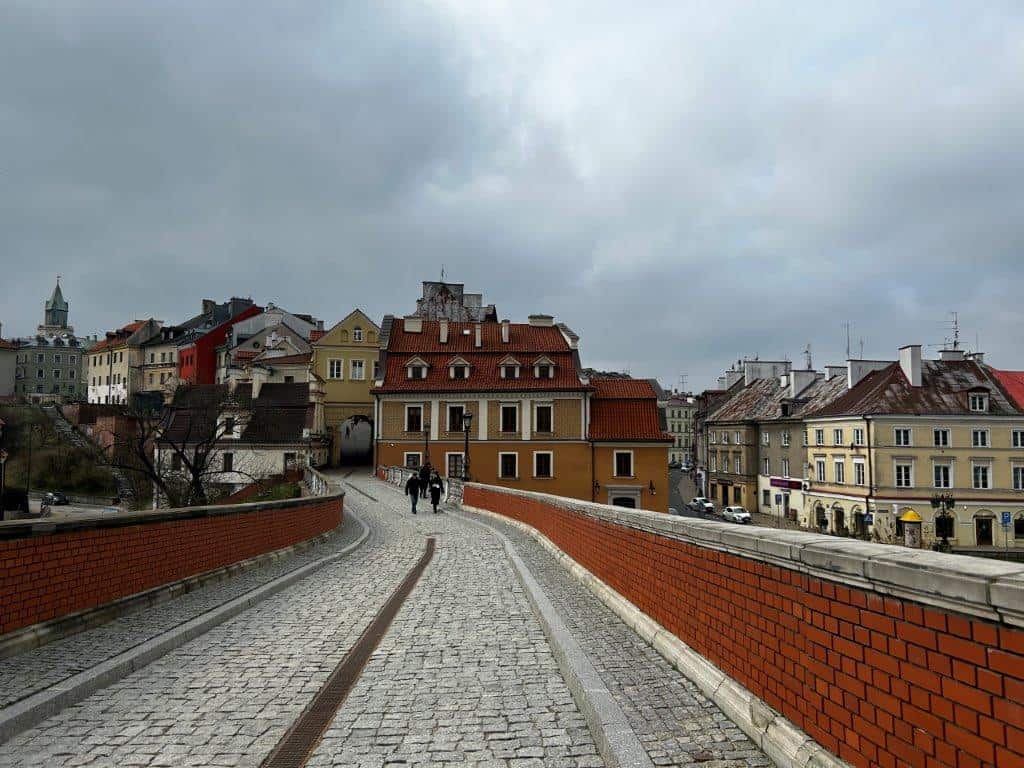
The sights in Lublin are a captivating showcase of the city’s deep and layered history. The undisputed heart of the city is its Old Town, which is recognized as one of Poland’s best-preserved historic districts and is a designated Historic Monument. A walk through its network of cobbled streets reveals colorful tenement houses and impressive city gates. Overlooking the Old Town is the formidable Lublin Castle, a complex whose origins date back to the 13th century and which houses one of the most precious artistic treasures in all of Poland.
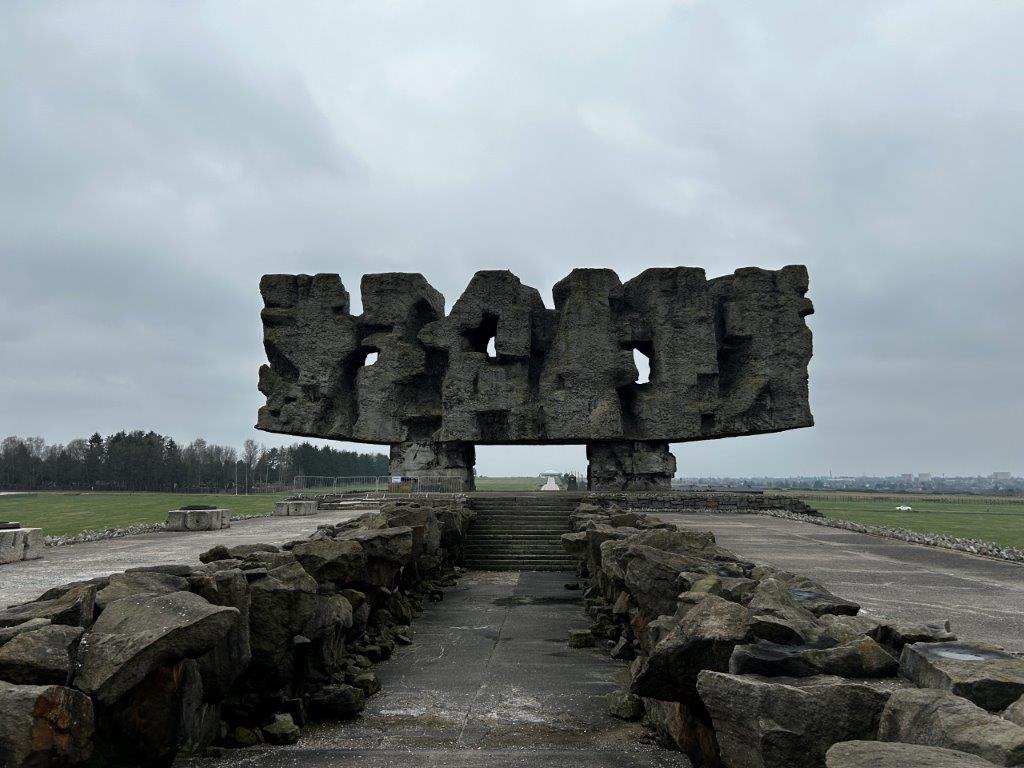
For those wishing to understand a darker but essential chapter of the city’s past, a somber visit to the Majdanek State Museum on the city’s outskirts is a profound experience. This former Nazi concentration camp has been preserved as a memorial and museum. The city also features beautiful religious architecture, such as the Baroque Lublin Cathedral and the ancient Dominican Priory. For a more tranquil experience, the historic Saxon Garden provides a peaceful green oasis in the heart of the city.
Lublin Castle
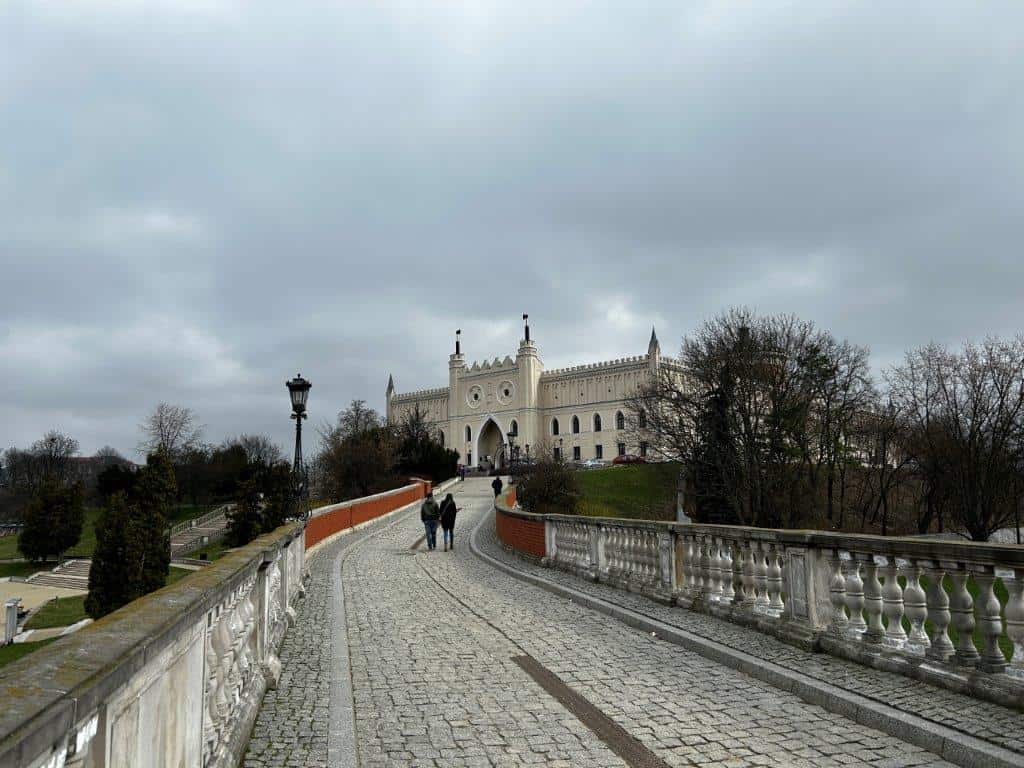
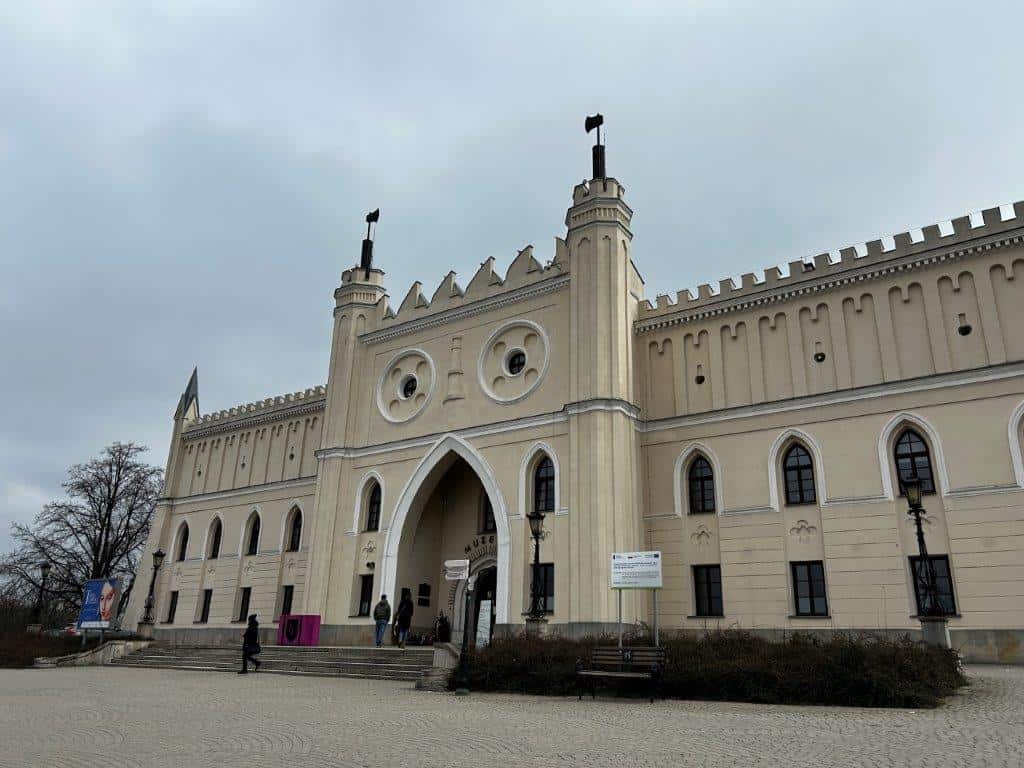
Perched on a hill, Lublin Castle is a complex that boasts a long and complex history. Parts of the castle, including its imposing cylindrical keep, date back to the 13th century, making it one of the oldest preserved royal residences in Poland. It witnessed many significant events, most notably the signing of the Union of Lublin in 1569. Though largely rebuilt in a Neo-Gothic style in the 19th century to serve as a prison, it contains a priceless gem within its walls. Today, the castle houses the main branch of the National Museum in Lublin, displaying archaeological, artistic, and historical collections.
Holy Trinity Chapel
Located within the walls of Lublin Castle, the Holy Trinity Chapel is a unique artistic treasure. This Gothic chapel, built in the 14th century, is completely covered in stunning Ruthenian-Byzantine frescoes from the early 15th century. The frescoes are a rare and beautiful blend of Western (Catholic) architecture with Eastern (Orthodox) iconography and painting style, commissioned by King Władysław II Jagiełło. This fusion of artistic traditions makes the chapel a monument of global significance. It is considered one of the finest examples of medieval art in Poland and is a key reason for the castle’s historical importance.
Kraków Gate (Brama Krakowska)
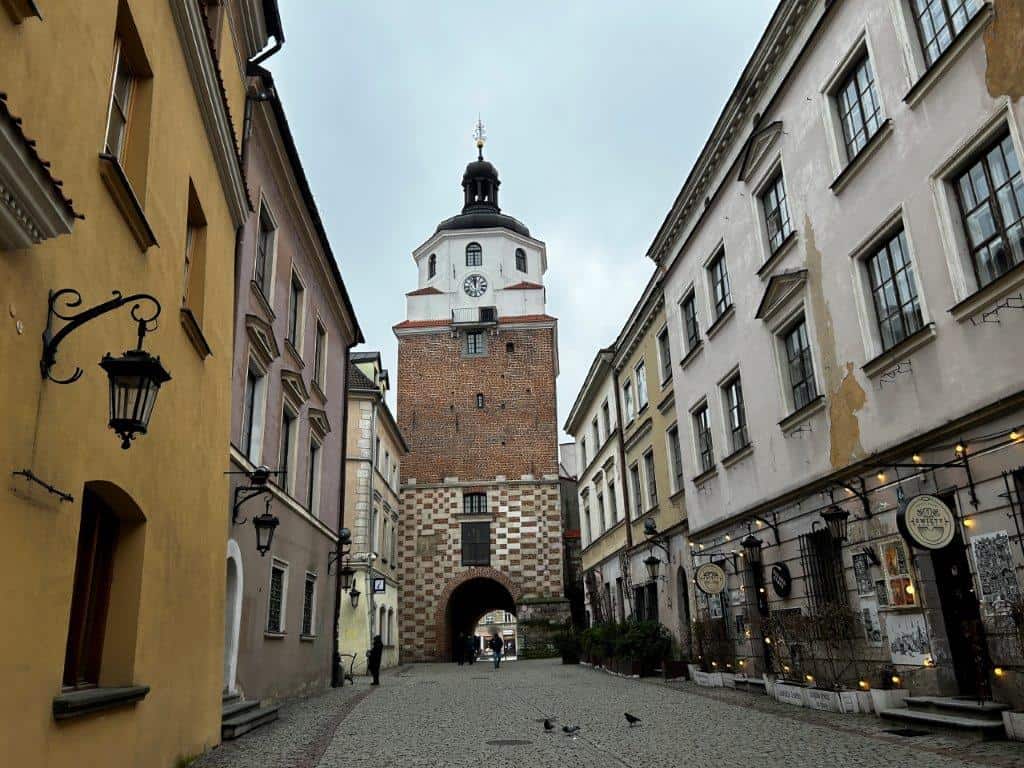
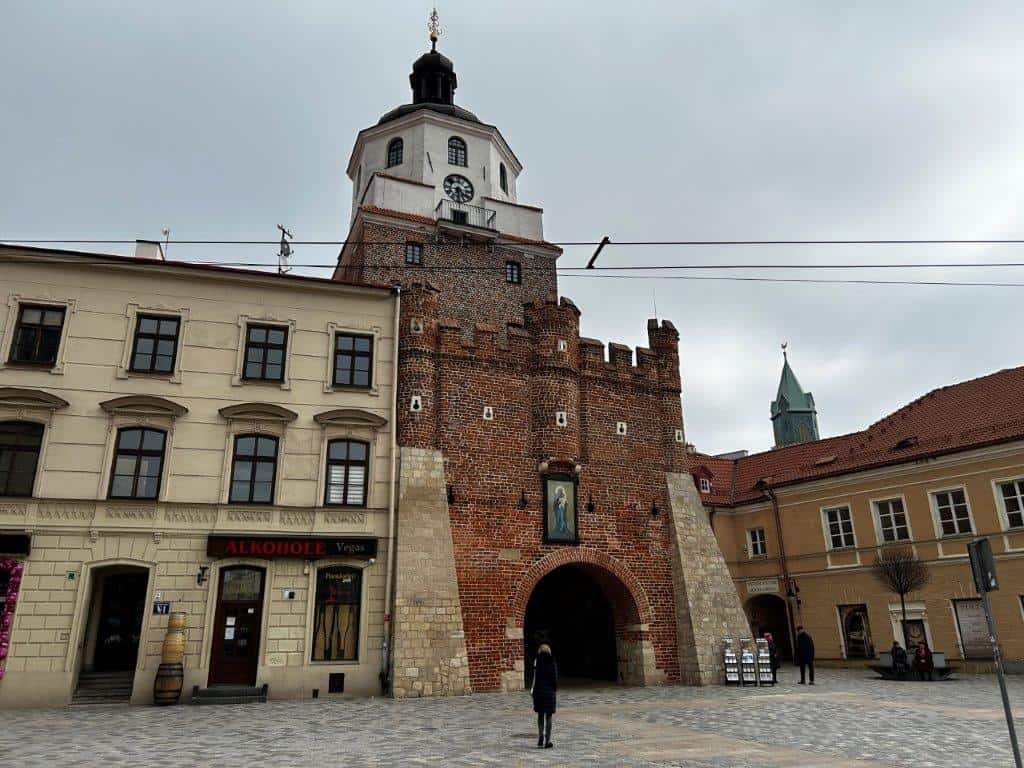
The Kraków Gate is the most iconic symbol of Lublin’s Old Town. This majestic brick and stone gate was built in the 14th century and served as the main western entrance to the fortified city. It is a striking example of Gothic architecture, with later additions in the Renaissance and Baroque styles. The gate has a distinctive octagonal tower topped with a helmet-like roof. Today, it serves a cultural function, housing the Museum of the History of the City of Lublin. Visitors can climb to the top for a panoramic view of the Old Town.
Grodzka Gate (Brama Grodzka)
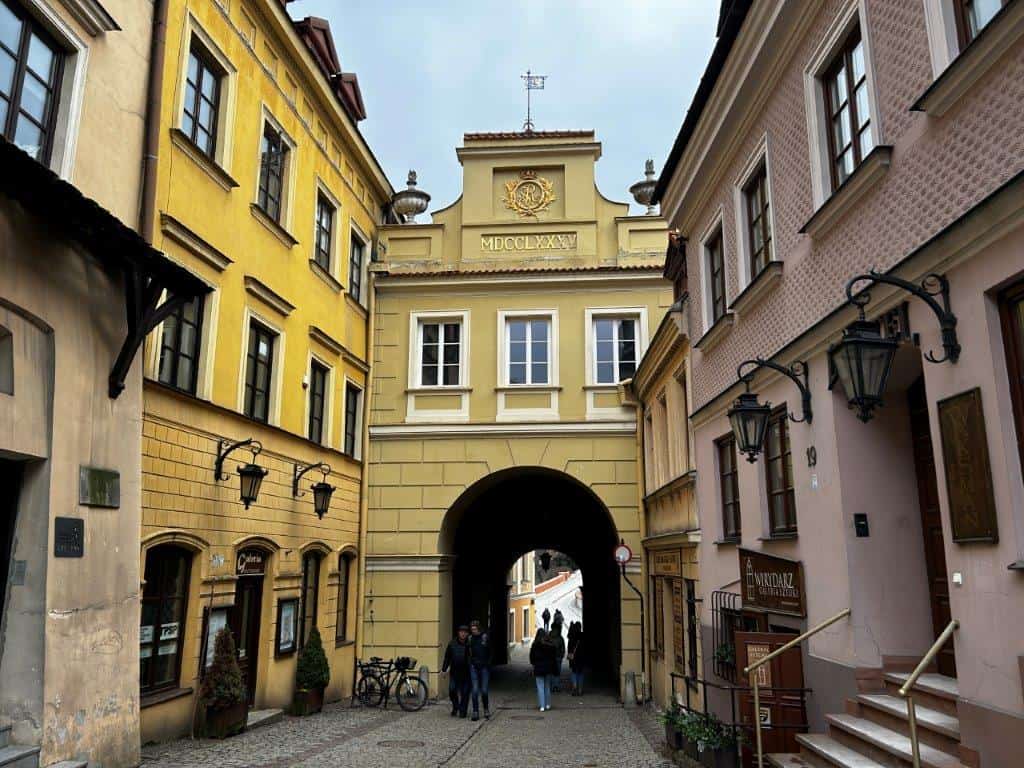
The Grodzka Gate is another of the historic entrances to the Old Town. Historically, it was known as the ”Jewish Gate” because it once marked the boundary between the Christian part of the city and the now-vanished Jewish quarter. This history has given the gate a profound modern purpose. Today, it is the seat of the ”Grodzka Gate – NN Theatre” Centre. This unique cultural institution is dedicated to preserving the memory and heritage of the pre-war Jewish community of Lublin through artistic projects, exhibitions, and educational activities.
Majdanek State Museum
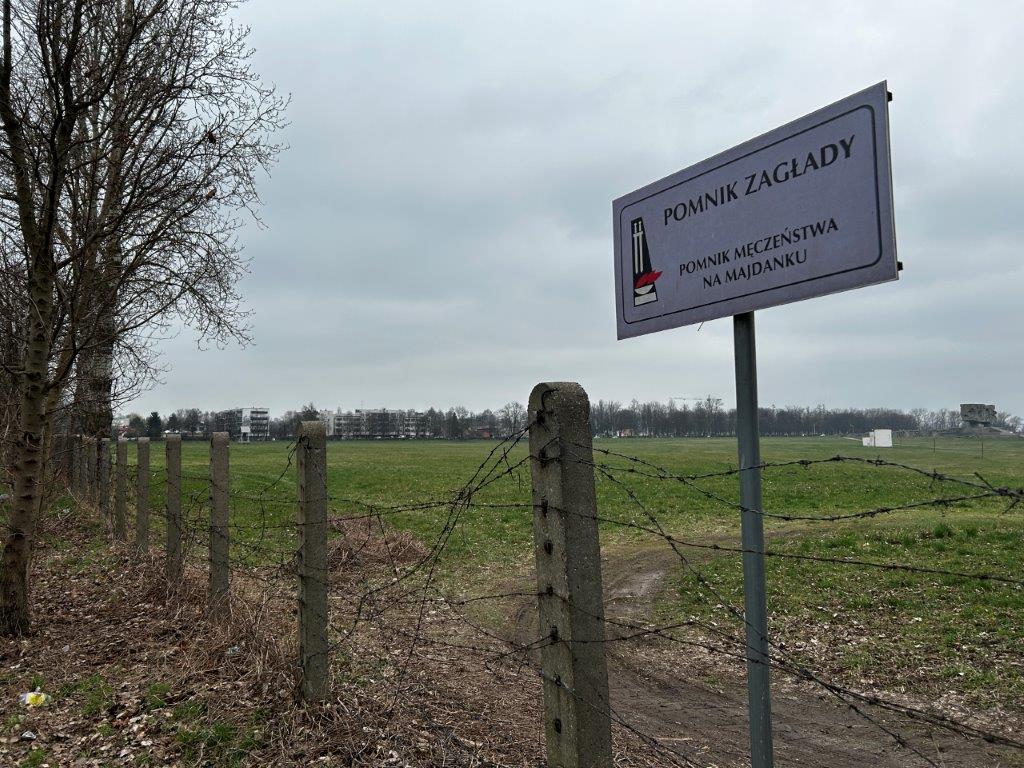
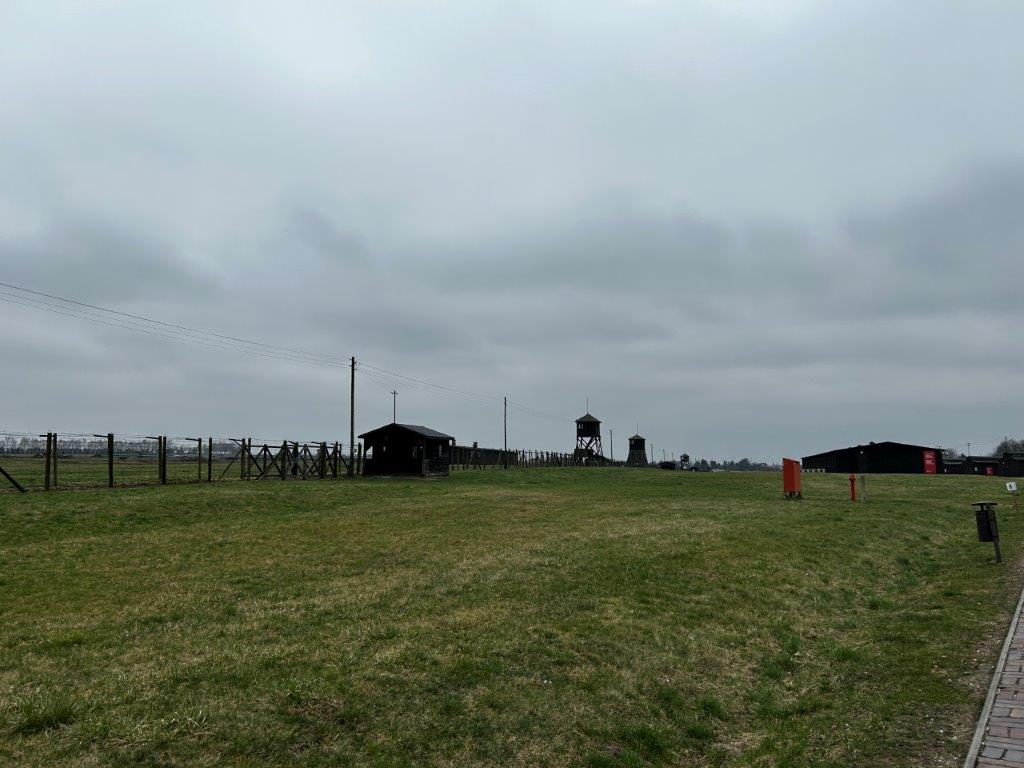
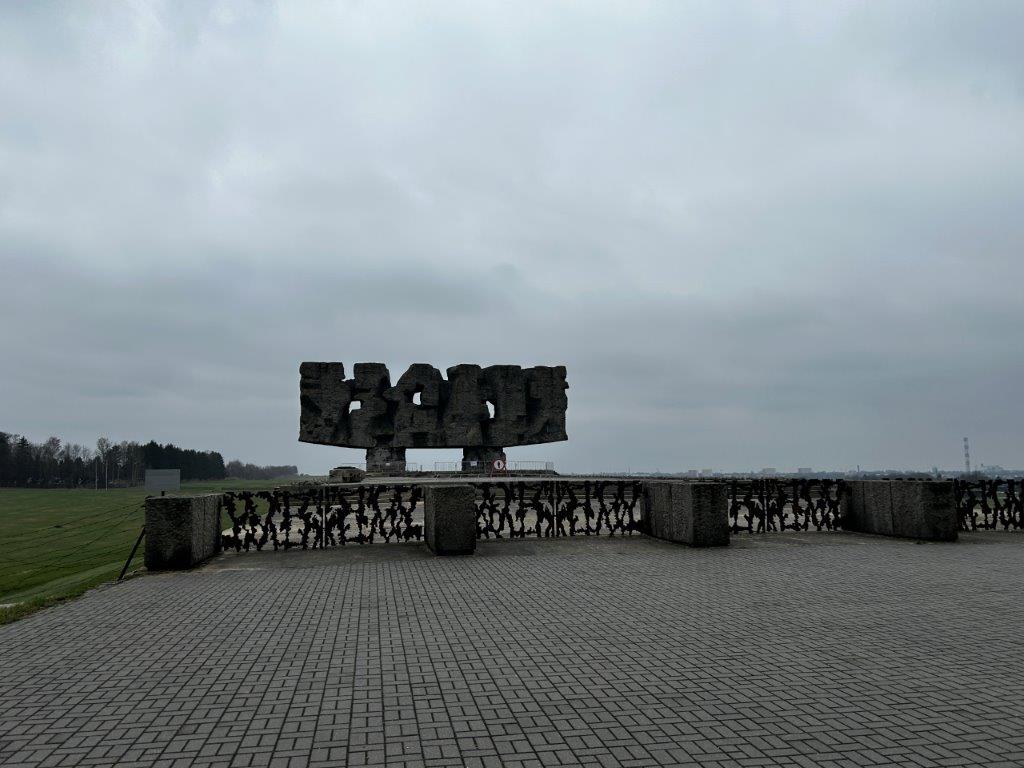
The Majdanek State Museum is the preserved site of the former Nazi German concentration and extermination camp. Located on the outskirts of Lublin, it was established in 1941. Because it was liberated swiftly by the Soviet Red Army in July 1944, Majdanek is one of the best-preserved camps of the Holocaust, with much of its original infrastructure intact. Visitors can see the original wooden barracks, watchtowers, gas chambers, and crematoria. A large, circular mausoleum contains a mound of the victims’ ashes, serving as a powerful memorial. It stands as a solemn place of remembrance and education.
Lublin Cathedral
The Cathedral of St. John the Baptist and St. John the Evangelist is a magnificent Baroque church. It was built between 1592 and 1617 as a Jesuit church, modeled after the Church of the Gesù in Rome. The rich interior features impressive illusionistic frescoes by Józef Meyer from the 18th century, which create a sense of three-dimensional space on the ceilings. A notable feature is the ”acoustic sacristy,” where whispers in one corner can be clearly heard in the opposite corner. The cathedral also holds a treasury and crypts that are open to visitors.
Dominican Priory
The Dominican Priory, which includes the Basilica of St. Stanislaus, is one of the most important historical religious complexes in Lublin. The priory’s origins date back to the 13th century. It played a significant role in the city’s history, once housing a relic of the True Cross, which attracted pilgrims from all over Poland. After a major fire in 1575, the complex was rebuilt in the Renaissance style. Inside, visitors can admire several beautiful chapels, such as the Tyszkiewicz Chapel, with its impressive stucco work and frescoes.
Saxon Garden (Ogród Saski)
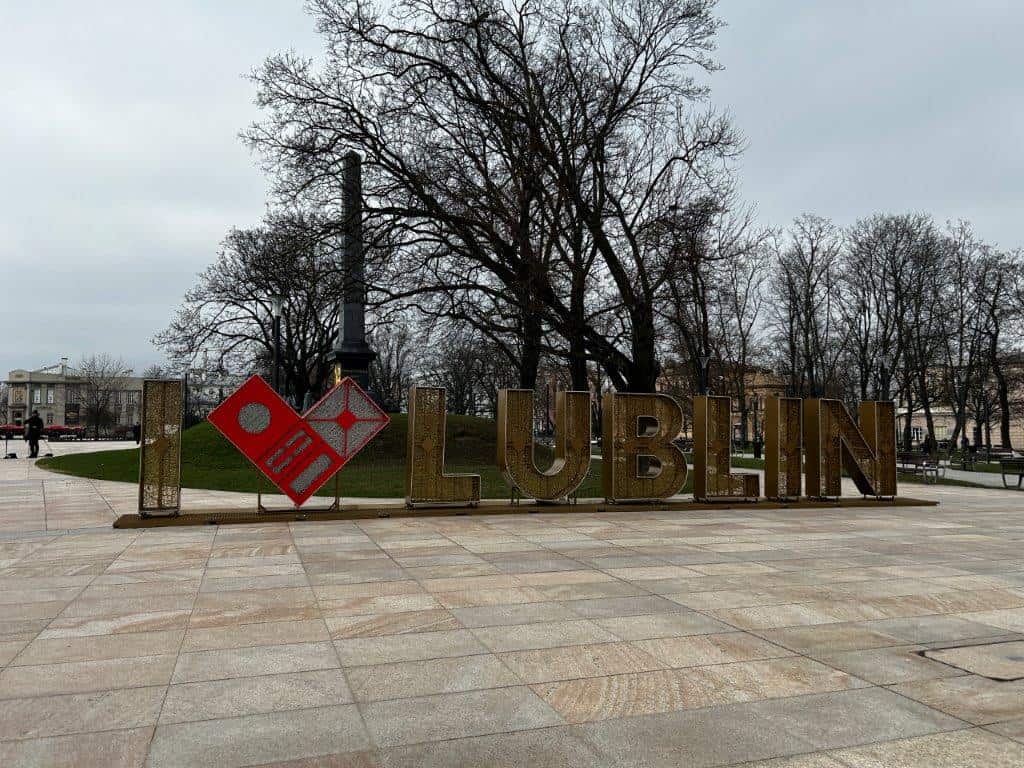
The Saxon Garden is a historic public park established in 1837, making it one of the oldest in Poland. This tranquil oasis in the heart of the city was designed in the popular English landscape style, departing from the strict symmetry of earlier gardens. It offers expansive green spaces, winding walking paths, and a wide variety of mature trees and plants. Key features within the park include a sundial, an octagonal fountain, and a historic band shell that still hosts concerts. It provides a peaceful and beautiful escape from the bustle of the city.
Literary Museum of Józef Czechowicz
This museum is dedicated to Józef Czechowicz (1903-1939), who was one of Poland’s most significant avant-garde poets of the 20th century. Located in the Old Town, the museum collects and exhibits manuscripts, publications, and personal items related to Czechowicz and other writers from the Lublin area. It offers insight into the poet’s life, his innovative work, and his profound influence on modern Polish poetry. The museum also serves as a poignant memorial, as Czechowicz was tragically killed in a bombing raid on Lublin at the very start of World War II.
Centre for the Meeting of Cultures (CSK)
The Centre for the Meeting of Cultures (Centrum Spotkania Kultur, or CSK) is a modern architectural landmark and a major cultural institution in Lublin. Opened in 2015, the building is known for its striking design, which incorporates glass facades and rooftop gardens that are open to the public. The CSK hosts a wide variety of cultural events, including theatre performances, concerts, art exhibitions, and conferences. It is a symbol of modern, open, and dynamic Lublin. The rooftop gardens offer a unique perspective and a panoramic view of the city.
Traveling with Kids
Lublin is a welcoming city for families, offering a good variety of activities that can engage both children and adults. The city’s famous Old Town is like a storybook setting, with its colorful houses and cobbled streets providing an exciting backdrop for a family walk. The city’s many large parks are a major asset for visitors with children, providing ample space for play and relaxation. These green spaces are perfect for a break from sightseeing, allowing kids to run around and enjoy the outdoors.
Beyond the parks, Lublin has several attractions that are particularly well-suited for a family audience. The Open-Air Village Museum offers a fun and interactive way to learn about history, while other modern facilities provide entertainment regardless of the weather. The city’s friendly atmosphere and the accessibility of its main attractions make it a manageable and enjoyable destination for a family trip, blending cultural discovery with recreational fun.
Activities for Kids in Lublin
For families seeking engaging activities, Lublin offers experiences that are both fun and educational. From exploring a vast open-air museum that brings the past to life to relaxing in one of Poland’s oldest city parks, there are plenty of options to fill a family itinerary. These activities provide a hands-on way for children to connect with the region’s culture and nature.
Lublin Open-Air Village Museum
The Muzeum Wsi Lubelskiej, or the Lublin Open-Air Village Museum, is a fantastic destination for a family day out. This large museum collects and preserves historic wooden architecture from across the Lublin region. Families can wander through a recreated historical village, complete with farmsteads, a manor house, a church, and even a provincial town. The museum often features live demonstrations of old crafts and farming techniques, and there are farm animals on the site, which is always a highlight for children. It offers an immersive and educational experience in a beautiful natural setting.
Exploring the Saxon Garden
A visit to the Saxon Garden (Ogród Saski) is a simple yet wonderful activity for families. As one of Poland’s oldest public parks, it provides a beautiful and historic environment for a relaxing afternoon. The park’s winding paths are perfect for a family stroll or for kids to ride scooters. The large lawns are ideal for picnics, and there is a popular playground located within the park. The central fountain and the many resident peacocks that roam the grounds add to the park’s charm and are sure to delight younger visitors.
Playgrounds in Lublin
Lublin features numerous public playgrounds that provide essential spaces for children’s recreation. These play areas are typically found within the city’s many parks and offer safe and well-equipped environments for fun. They are important social spots for local families and are a welcome sight for visitors traveling with children.
Playground in Saxon Garden
The playground located inside the Saxon Garden is one of the largest and most popular in the city. Its central location within the historic park makes it a convenient and scenic spot for families. The playground is modern and well-equipped, featuring a wide variety of play structures suitable for different age groups. It includes swings, slides, sandpits, and large climbing frames. The area is enclosed, providing a safe environment for children to play freely. The combination of a great playground and the beautiful park surroundings makes it a top choice for a family outing.
Playground in Ludowy Park
The newly renovated Ludowy Park offers another excellent, large-scale playground for families. This park is located closer to the Arena Lublin stadium and has undergone a major modernization. The playground is very large and features unique and creative play equipment, including themed climbing structures, trampolines, and water features for summer play. The park itself has new paths for walking and cycling, making it a major recreational hub for the city. This modern playground provides a fantastic destination for an afternoon of energetic fun.
Sports in Lublin
Lublin has a very active and passionately supported sports scene. Speedway motorcycling holds immense popularity in the city, with Motor Lublin being one of the top clubs in Poland’s premier league, drawing massive crowds to its modern stadium. Football is also very prominent, represented by another team under the same famous Motor Lublin banner. Beyond these, the city also boasts professional teams in both basketball and volleyball, which compete in their respective top national leagues. The city’s modern sports facilities, including the Arena Lublin and the Globus Arena, allow it to host a wide variety of events.
Motor Lublin (Speedway)
Speedway is arguably the most popular sport in Lublin. Motor Lublin is the city’s main speedway club, and they compete in Poland’s top league, the PGE Ekstraliga, which is considered the best speedway league in the world. The club has achieved significant success, winning multiple Polish Team Speedway Championship titles in recent years. Their home track, the Motoarena Lublin, is a modern and atmospheric venue. It draws large and passionate crowds for matches, creating an electric atmosphere that is famous throughout the sport.
Motor Lublin (Football)
The Motor Lublin name is also carried by the city’s professional football section. The team competes in the Polish professional leagues and has a large, dedicated fanbase. Their home ground is the Arena Lublin, a modern, football-specific stadium that opened in 2014. The stadium has a capacity of over 15,000 spectators and has hosted various important matches, including youth international games for the Polish national team. The club has a long history and is a key part of the city’s sporting identity.
Start Lublin (Basketball)
Polski Cukier Pszczółka Start Lublin is the city’s professional men’s basketball team. They compete in the Polish Basketball League, the top tier of Polish basketball. The team has a history dating back to 1953 and has achieved notable results, including finishing as the Polish League runner-up in 2020. Their home games are played at the Globus Arena, a multi-purpose indoor arena that holds up to 5,000 spectators. The team has a strong local following and represents the city at the highest level of the sport.


Getting Around in Lublin
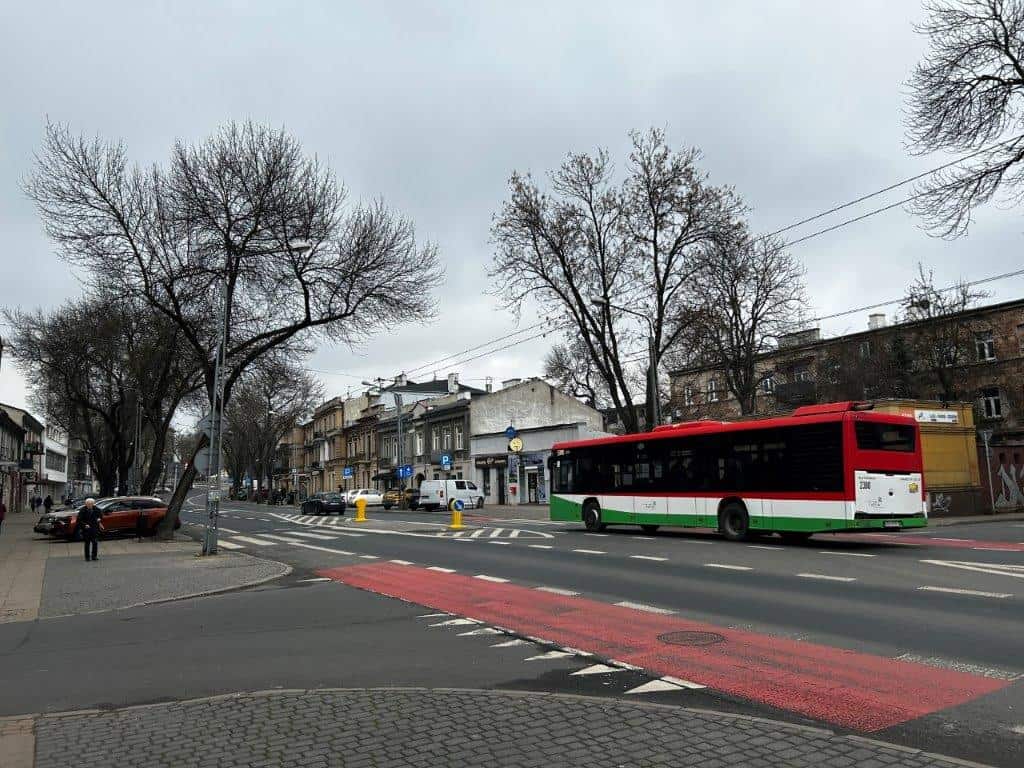
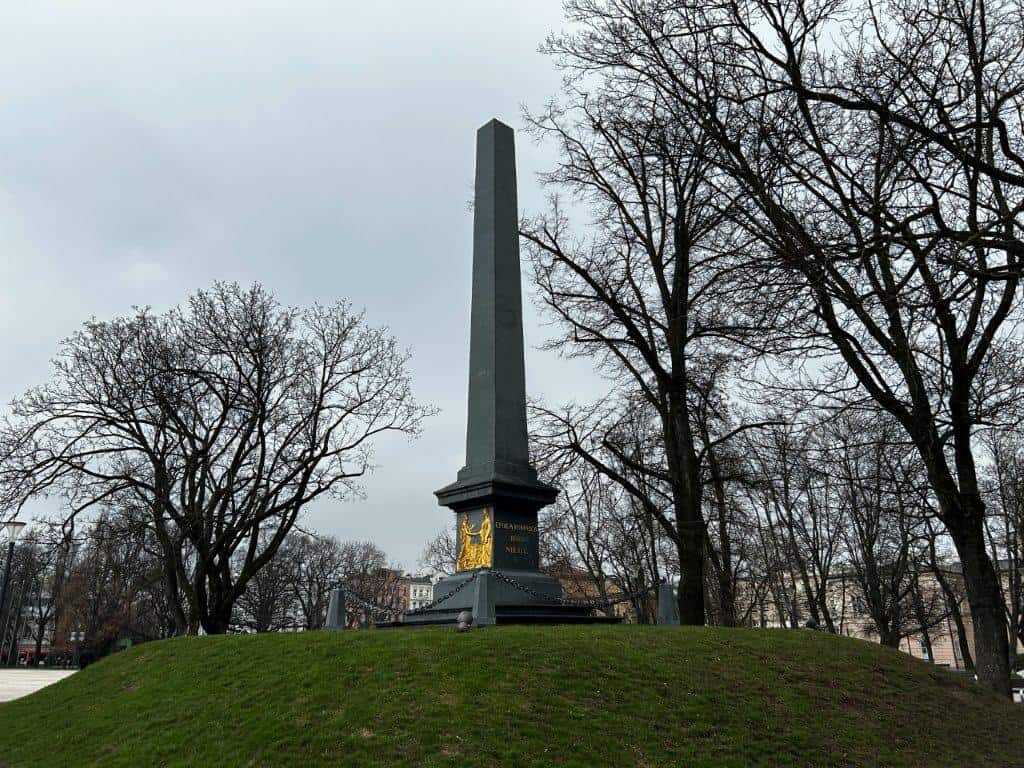
Navigating Lublin is facilitated by a comprehensive public transport system and a city center that is very conducive to walking. The primary mode of public transportation is an extensive network of buses and trolleybuses, which are managed by the municipal authority ZTM Lublin. These services connect the city center with all of the residential districts, universities, and attractions on the outskirts. For exploring the historic Old Town and the main city promenade, walking is by far the best and most enjoyable option. Taxis and ride-sharing services are also widely available for more direct travel.
Using Buses and Trolleybuses
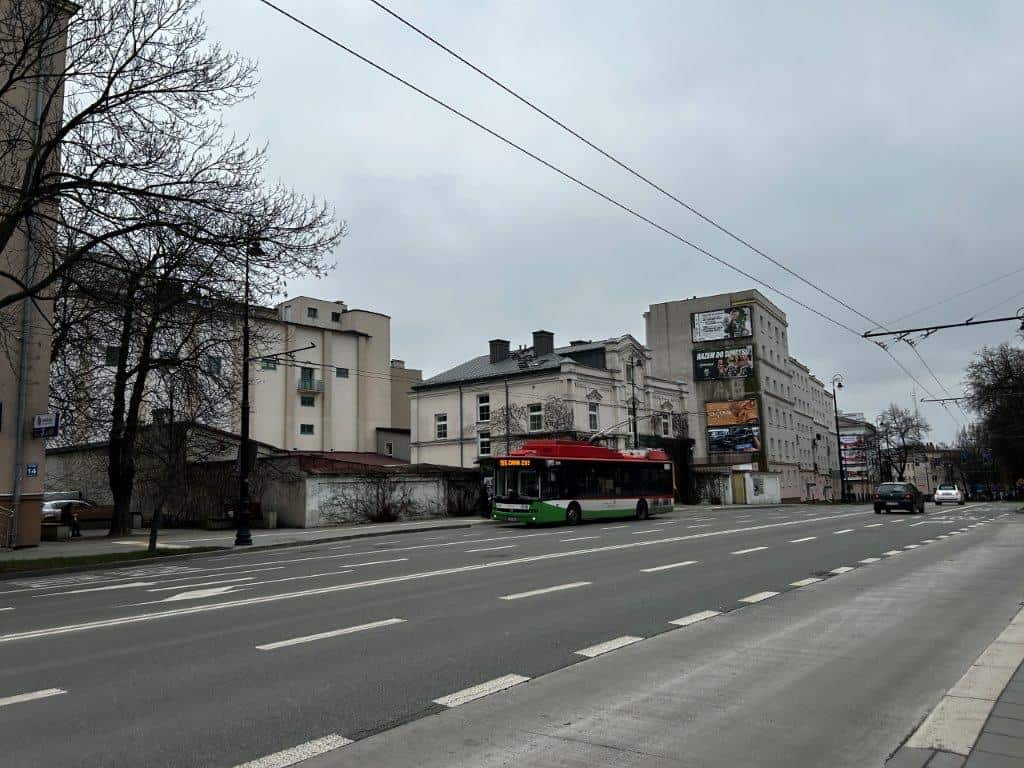
The public transport system in Lublin is efficient and covers the entire city. A unique feature of the system is the use of trolleybuses in addition to regular buses. These electric vehicles are connected to overhead power lines and are a common sight on the city’s main routes. The whole network is operated by ZTM (Zarząd Transportu Miejskiego). Tickets can be purchased at kiosks, from ticket machines, or through mobile apps, and they are valid for both buses and trolleybuses. This system is an affordable and reliable way for visitors to navigate between different parts of the city.
Exploring by Foot
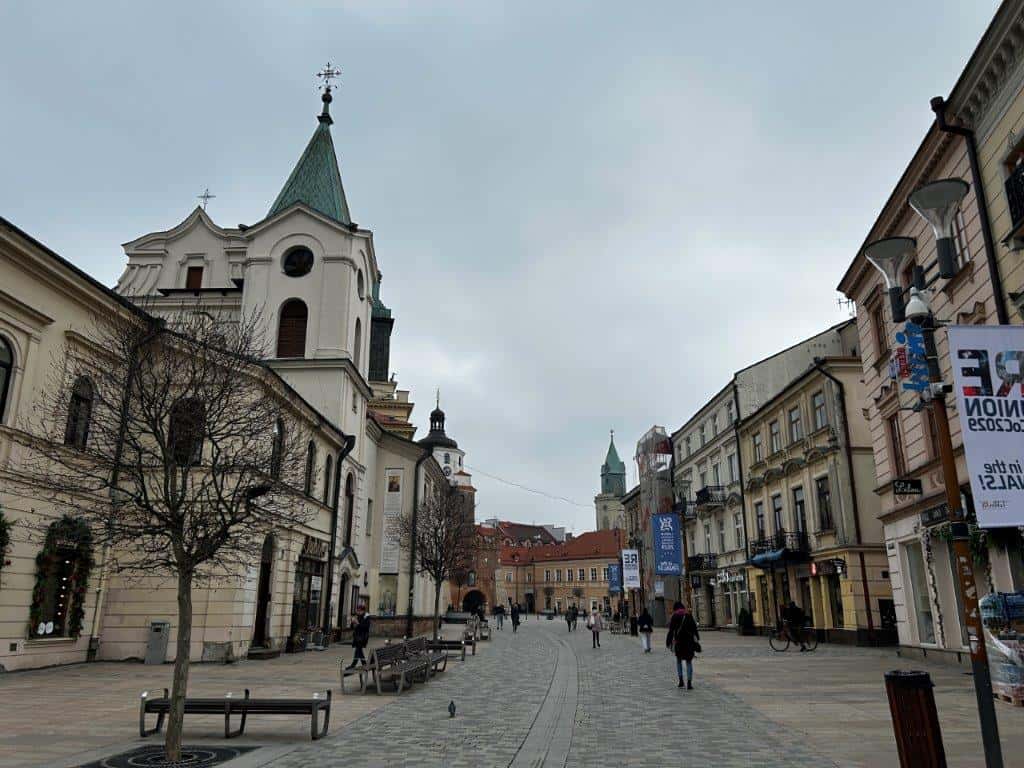
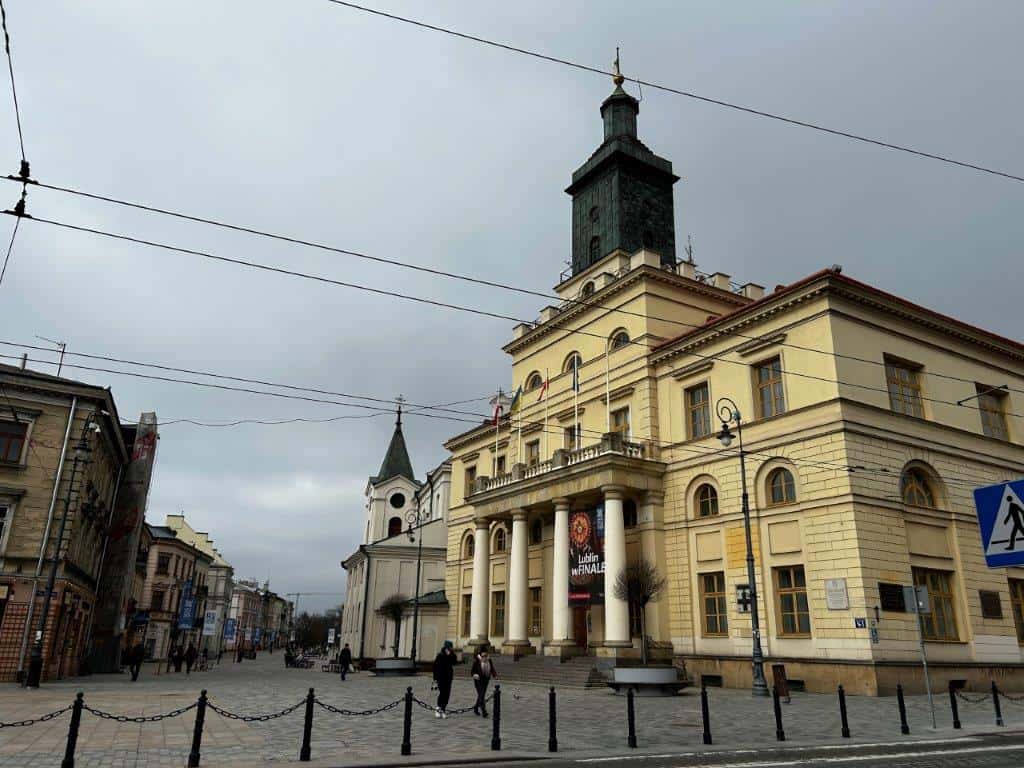
The historical heart of Lublin is best explored on foot. The Stare Miasto (Old Town) is a largely pedestrianized area with a maze of narrow, cobbled streets that are a pleasure to wander through. All of the key sights within the Old Town, such as the Kraków Gate, the Town Hall, and the Dominican Priory, are within a few minutes’ walk of each other. The main route from the Old Town to the modern city center is also a pleasant walk. Exploring on foot allows for a more immersive experience and the discovery of hidden courtyards and architectural details.
Using Taxis and Ride-Sharing
For direct and convenient travel, taxis are readily available throughout Lublin. They can be found at designated taxi ranks, such as at the main train station and the airport, or can be booked by phone. In addition to traditional taxis, popular ride-sharing services like Uber and Bolt operate in the city and can be accessed through their smartphone apps. These services often offer competitive pricing and are a popular choice for both locals and visitors. Using a taxi or a ride-sharing service is a good option for traveling with luggage or for getting around late at night.
How to Get to Lublin?
Reaching Lublin is straightforward due to a well-developed network of air, road, and rail connections. The city has its own international airport, Lublin Airport (LUZ), which provides direct links to several European cities. For those driving, the modern S17 expressway offers a fast and direct connection to Warsaw. Lublin also serves as a major hub for long-distance bus travel, with extensive national and international connections. The city’s main train station is well-connected to the Polish Railways network, with frequent services from major cities.
Arriving by Air
Lublin has its own modern international airport, Lublin Airport (LUZ), located in the nearby town of Świdnik. This airport offers direct flights to several European destinations, with popular routes to cities in the UK, Ireland, and Italy. From the airport, the city center is easily reached by local bus services or by taxi, a journey of about 15-20 minutes. For a much wider range of global connections, Warsaw Chopin Airport (WAW) is the main international gateway for the region. Frequent direct buses connect Warsaw’s airport to Lublin, with a journey time of about two to two-and-a-half hours.
Driving into the City
Driving to Lublin is an efficient option thanks to Poland’s modernizing road network. The city is most crucially connected by the S17 expressway (E372). This major highway provides a direct, high-speed link to Warsaw in the northwest, with a typical journey time of about two hours. The S19 expressway, also known as the Via Carpathia, is another major route that is being developed. It connects Lublin with Rzeszów to the south and Białystok to the north. These expressways make car travel to and from the city fast and convenient.
Journey by Rail
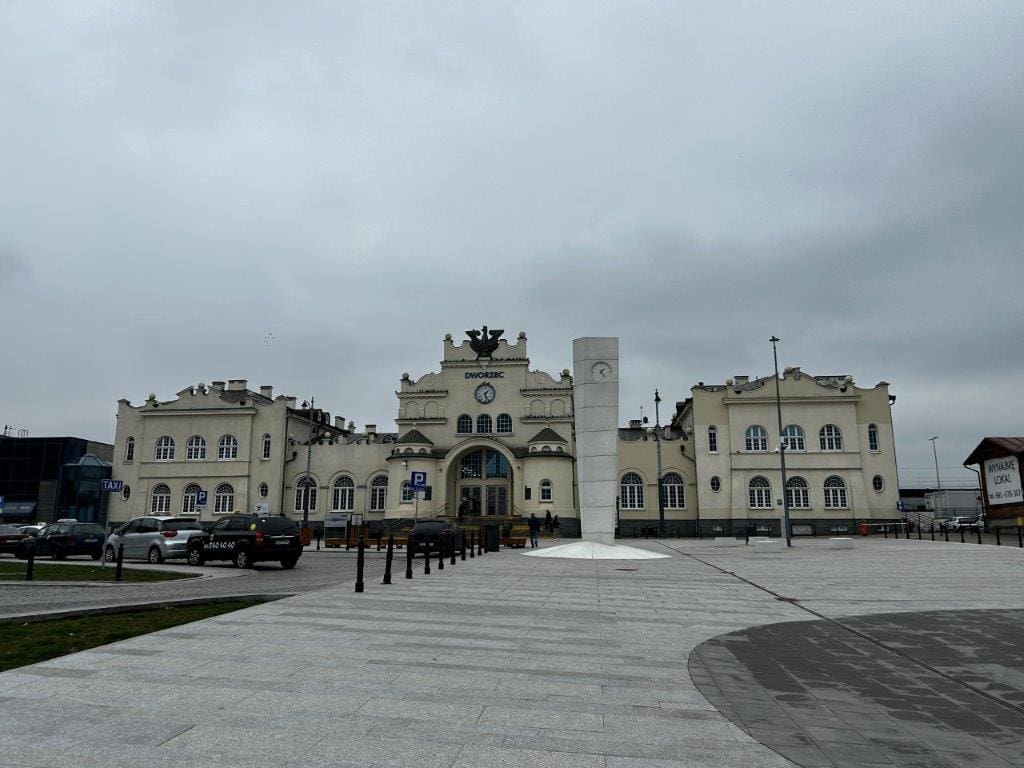
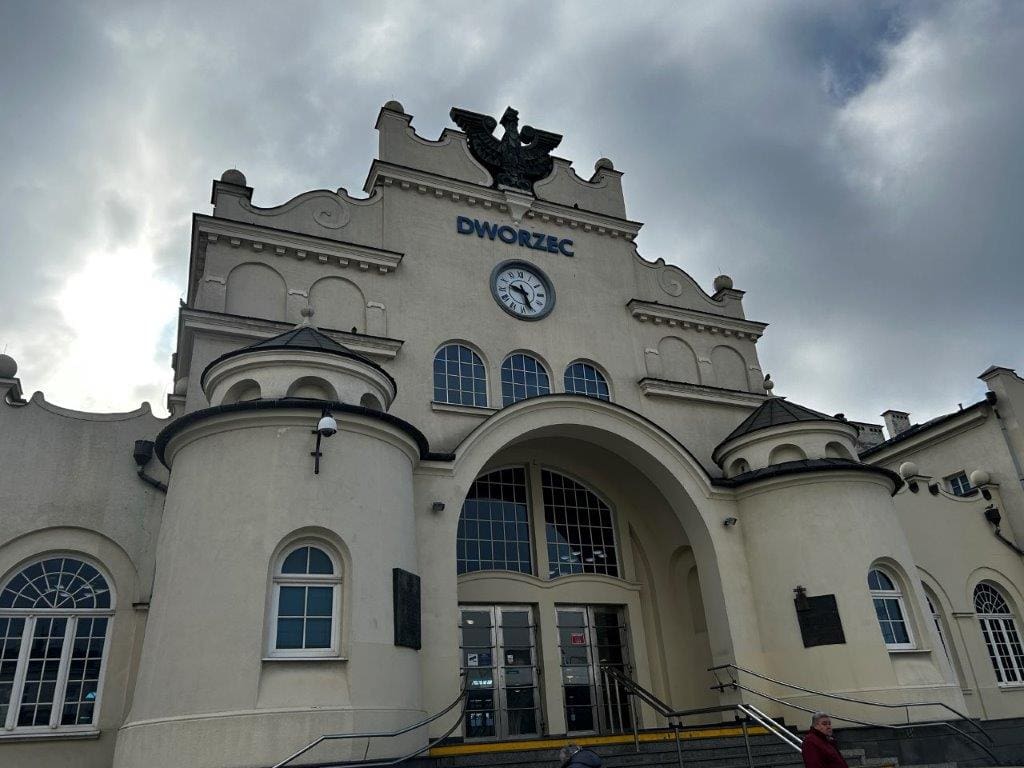
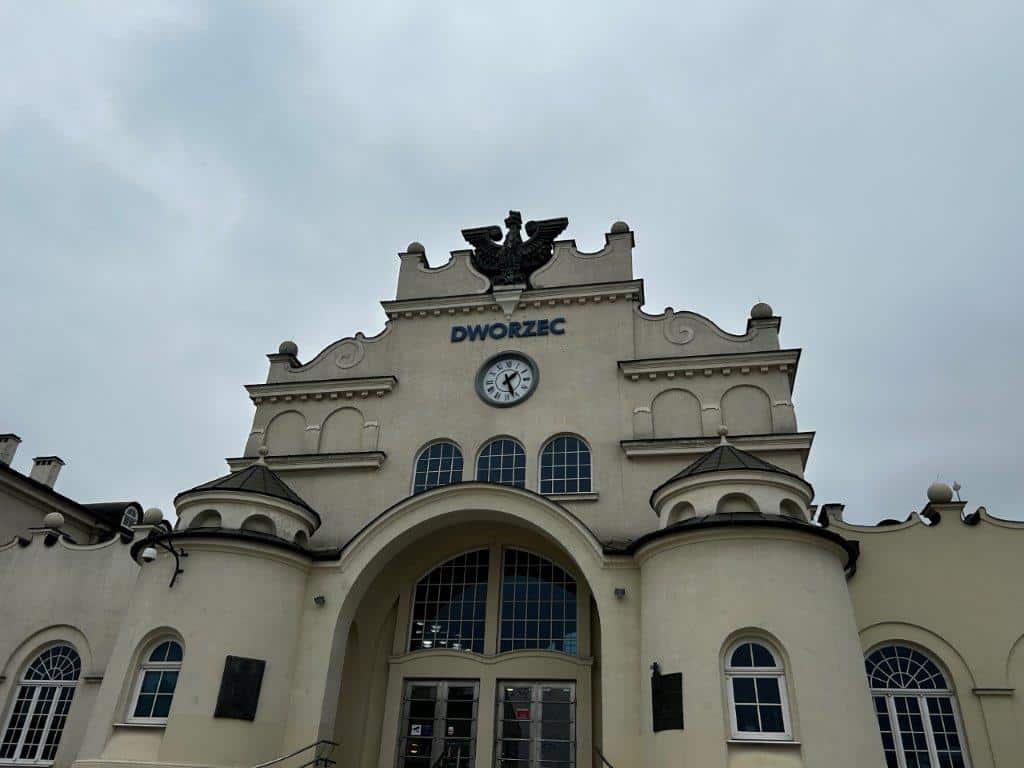
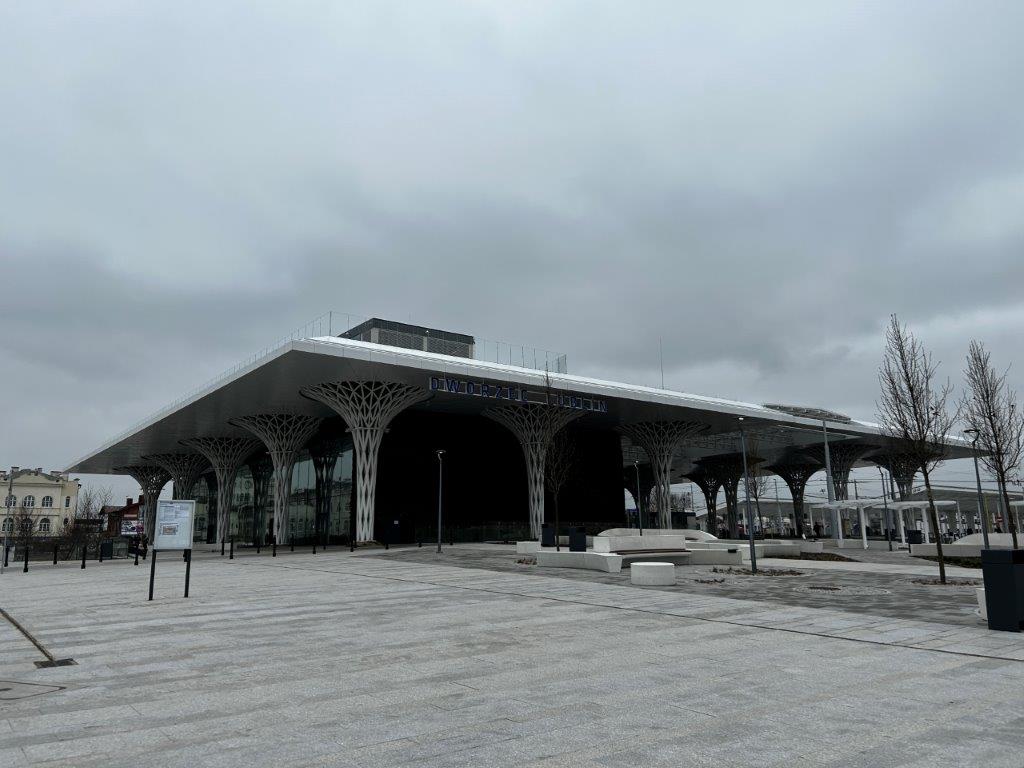
Lublin is well-connected by the Polish Railways system (PKP). The city’s main station, Lublin Główny, is a historic building and a key railway junction in eastern Poland. There are frequent, direct train services operating from most major Polish cities. Connections from Warsaw are particularly regular and popular, with journey times typically varying from one-and-a-half to two-and-a-half hours, depending on the service. Other direct train connections include cities like Kraków, Wrocław, and Rzeszów, offering a comfortable and scenic way to reach Lublin.
Connecting by Bus
Lublin has a modern main bus station that serves as a major hub for national and international bus connections. You can find frequent direct bus services from all major Polish cities, including Warsaw, Kraków, and Gdańsk. These services are operated by a variety of companies and offer a flexible and often very economical way to travel. In addition to domestic routes, international bus services also connect Lublin with many cities in neighboring countries, especially Ukraine and Belarus, as well as other destinations across Europe. The bus station’s central location allows for easy access to local transport upon arrival.
From Other Regional Airports
In addition to Lublin Airport and Warsaw Chopin, there are other regional airports that can be used to reach the city. Rzeszów–Jasionka Airport (RZE) is located about 160 kilometers south of Lublin and is another option with regional and some international flights. From Rzeszów, direct bus services to Lublin are available, and the trip usually takes around two to two-and-a-half hours. Kraków John Paul II International Airport (KRK) is much further away but is a major international hub. Buses are the most common public transport option from Kraków to Lublin, though the journey can take several hours.
Driving Distances
The driving distance from 20 regional cities, according to Google Maps:
- Rzeszów, Poland – 160 kilometers (1 h 40 min)
- Warsaw, Poland – 173 kilometers (1 h 50 min)
- Kraków, Poland – 275 kilometers (3 h 00 min)
- Lviv, Ukraine – 215 kilometers (3 h 30 min)
- Łódź, Poland – 305 kilometers (3 h 10 min)
- Katowice, Poland – 350 kilometers (3 h 30 min)
- Vilnius, Lithuania – 580 kilometers (7 h 00 min)
- Wrocław, Poland – 460 kilometers (4 h 30 min)
- Bratislava, Slovakia – 650 kilometers (6 h 20 min)
- Poznań, Poland – 490 kilometers (4 h 40 min)
- Gdańsk, Poland – 550 kilometers (5 h 10 min)
- Vienna, Austria – 715 kilometers (6 h 50 min)
- Budapest, Hungary – 650 kilometers (6 h 30 min)
- Prague, Czech Republic – 770 kilometers (7 h 30 min)
- Berlin, Germany – 750 kilometers (7 h 10 min)
- Kyiv, Ukraine – 775 kilometers (10 h 30 min)
- Szczecin, Poland – 670 kilometers (6 h 30 min)
- Copenhagen, Denmark – 1120 kilometers (11 h 30 min)
- Bucharest, Romania – 1130 kilometers (14 h 30 min)
- Amsterdam, Netherlands – 1350 kilometers (12 h 50 min)
Looking to Explore more of Poland and Europe?


This post was first published 2025-06-15 and was updated 2025-07-29