Norsholm, Östergötland | Exploring Sweden
Norsholm is a locality in Norrköping Municipality, located in the county of Östergötland, Sweden. With a population of approximately 600 residents, Norsholm is a small community with a significant history. The locality is situated at a major historical transport junction. This is the point where the Göta Canal and the Södra stambanan (Southern Main Line railway) cross the Motala ström river. Its location between the two major cities of Norrköping and Linköping is also a key geographical feature.
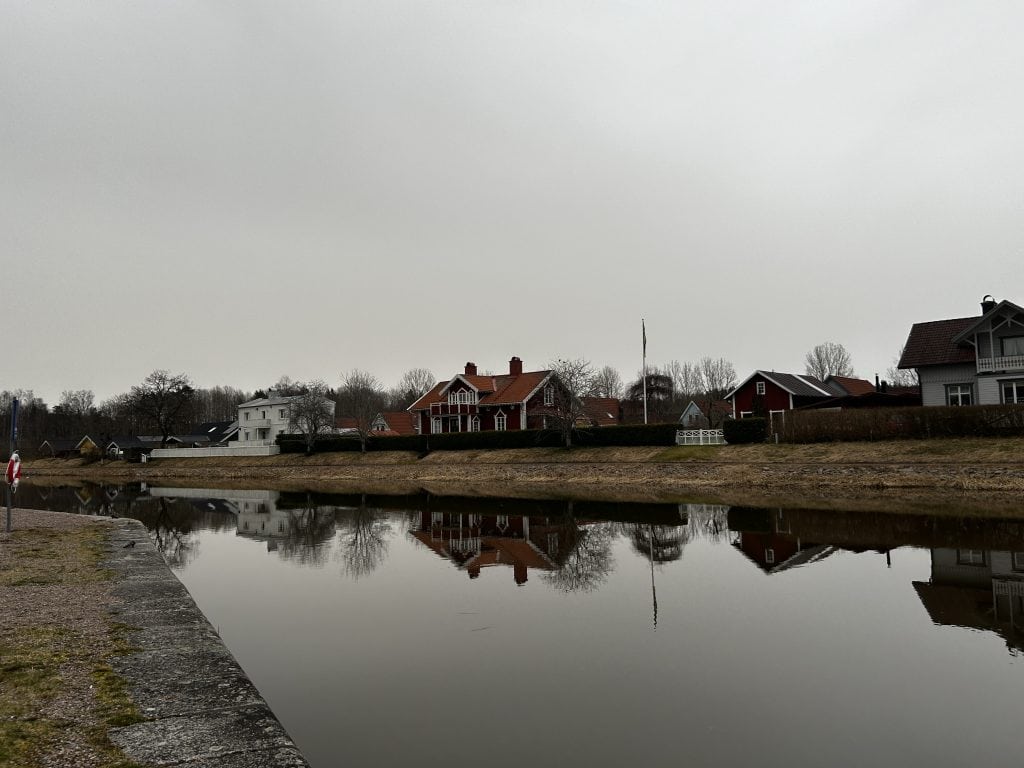
The character of Norsholm is defined by its role as a classic Swedish canal and railway hub (stationssamhälle). The entire village is centered around the lock on the Göta Canal, the adjacent guest harbor, and the railway line. This gives the locality a unique atmosphere that is deeply connected to 19th-century Swedish engineering and infrastructure. The presence of the canal passenger boats during the summer makes it a popular stopping point for tourists. This exists alongside its modern function as a quiet residential community.
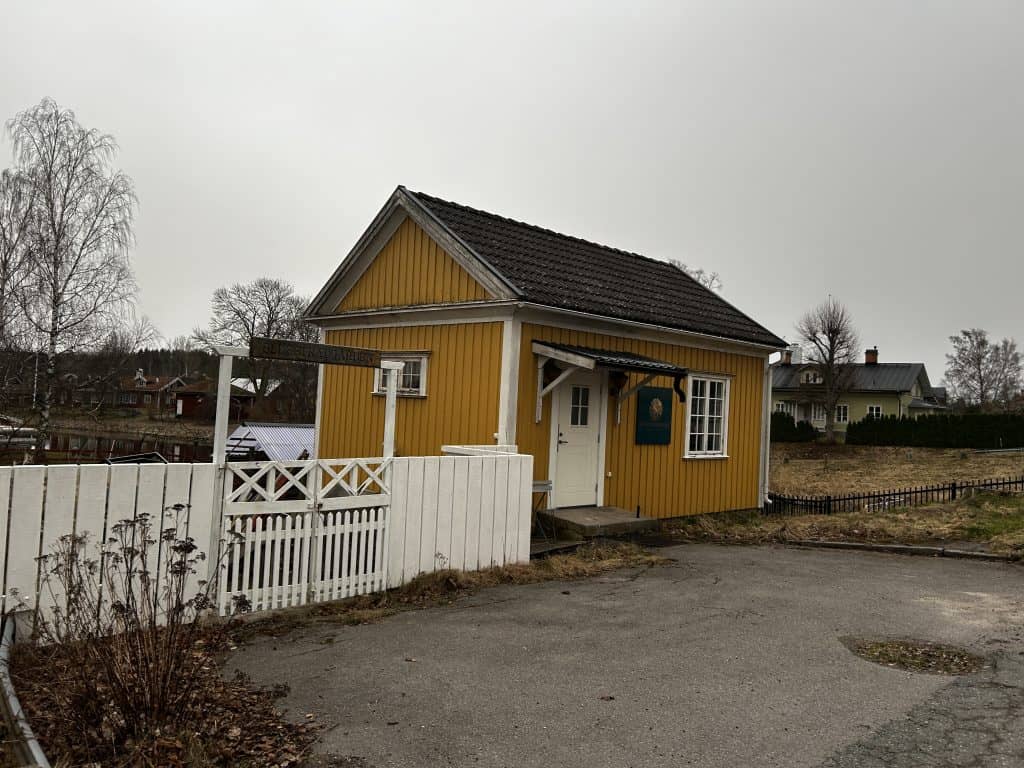


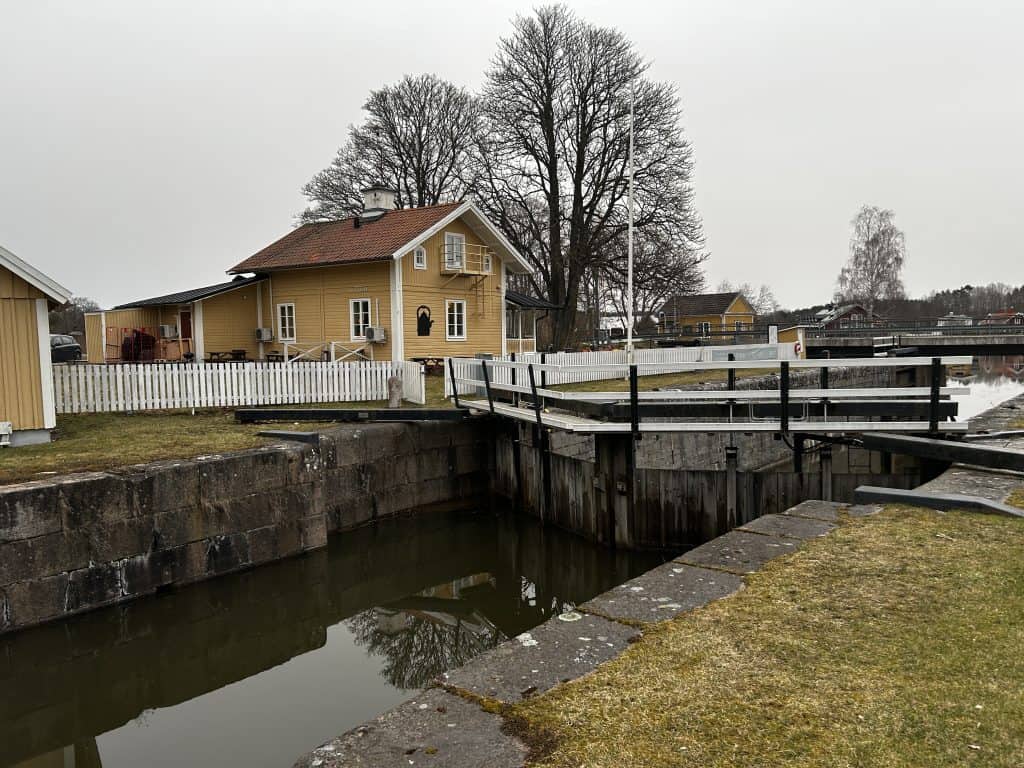

A Short History of Norsholm
The history of Norsholm is the story of a small village that was transformed into a major transport junction by the two most significant infrastructure projects of 19th-century Sweden. For centuries, it was a minor settlement. The construction of the Göta Canal, followed by the main southern railway line, turned it into a hub of activity. This history is visible today in the well-preserved canal environment and the railway that still runs through the village.
The Göta Canal Hub
The most pivotal moment in Norsholm’s history was the construction of the Göta Canal. The canal, which connects the east and west coasts of Sweden, was opened in 1832. Norsholm’s location at the point where the canal crosses the Motala ström river made it a key site. A large lock (sluss) was built here to manage the water levels. A harbor was also constructed. This turned the small village into a major hub for the canal traffic, which included both cargo and passenger vessels.
The Railway Junction and Modern Era
The second major development came with the construction of the Södra stambanan (Southern Main Line railway) in the 1870s. This is the main railway line that connects Stockholm with Malmö. The railway was built to cross both the Motala ström and the Göta Canal at Norsholm, further cementing its status as a transport junction. A train station was built, and the village grew as a service center. In the 20th century, as the commercial importance of the Göta Canal declined, Norsholm transitioned into a quieter residential community, though it has retained its historic character.
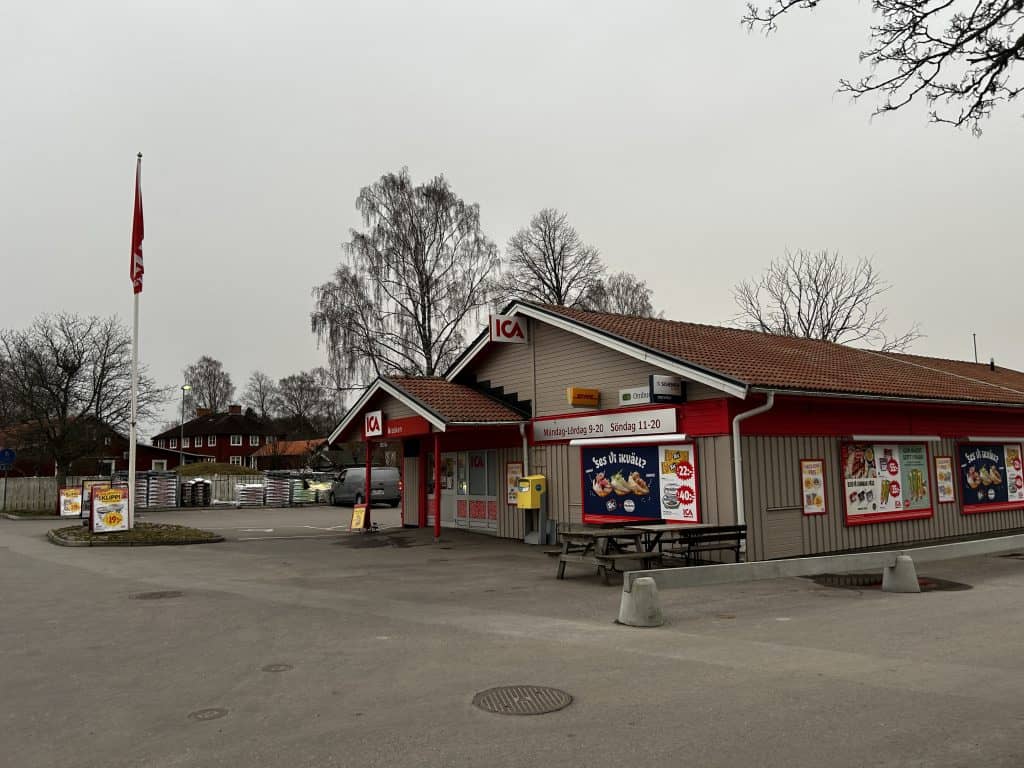
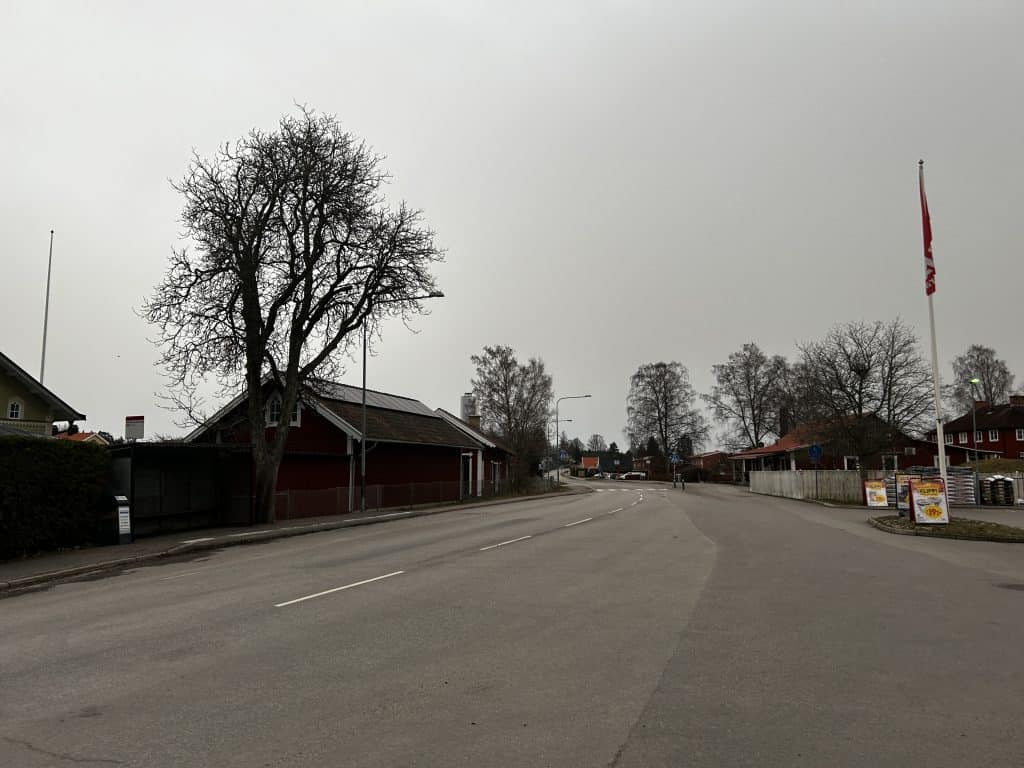
Things to Do and See
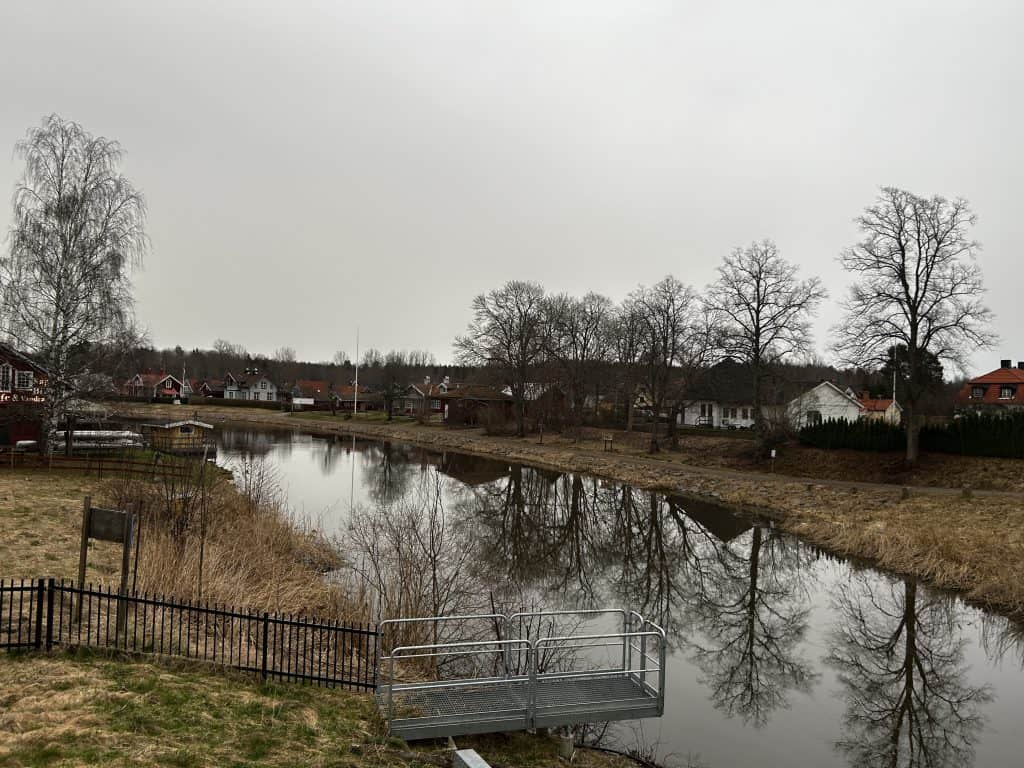
The sights in Norsholm are almost entirely focused on its unique transport history and its location on the Göta Canal. The main points of interest are the canal lock, the harbor area, and the bridges that cross the waterways. These sights offer a direct look into the 19th-century engineering that shaped modern Sweden.
The Göta Canal Lock
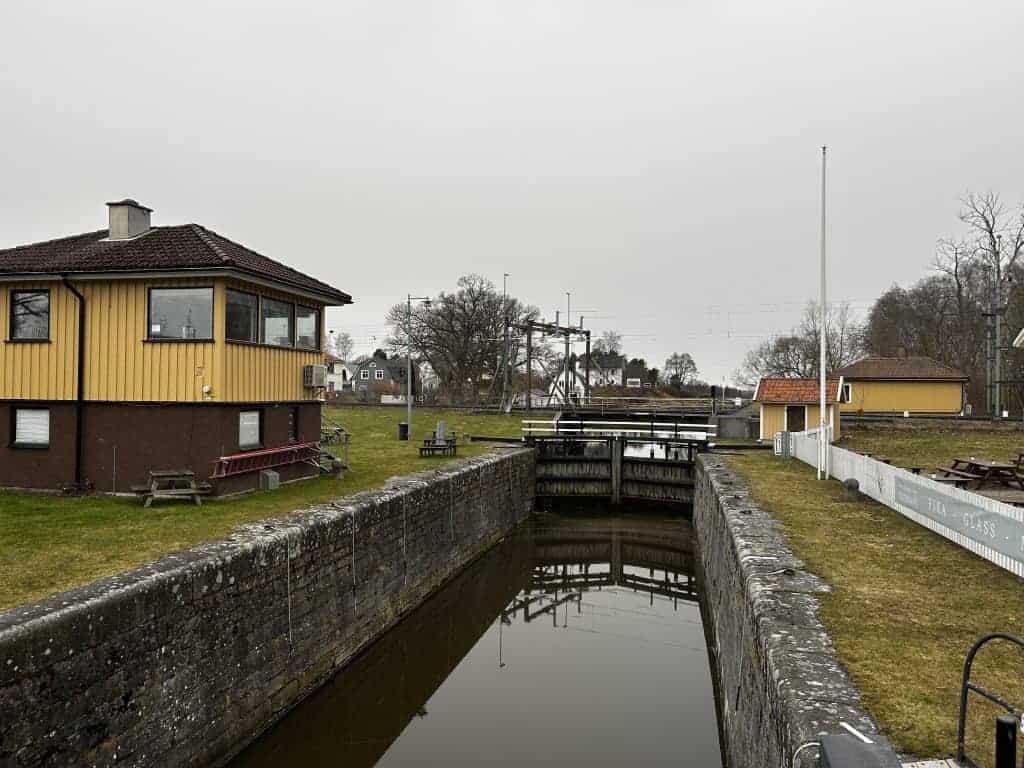
The Norsholm Lock (Norsholms sluss) is the central attraction of the locality. The lock is part of the Göta Canal. It is here that the canal boats are raised or lowered to navigate the difference in water levels. Watching the process of the lock in operation is a popular activity for visitors during the summer months when the canal is open for traffic. The lock is still operated manually, in much the same way as it was in the 19th century. The lock keeper’s house and the surrounding gardens are also part of the historic environment.
The Göta Canal
The Göta Canal itself is a major national sight. This 190-kilometer-long canal, which connects several lakes, was one of the largest civil engineering projects in Swedish history. The section of the canal that passes through Norsholm is particularly scenic. During the summer, several historic canal passenger boats, such as the M/S Juno, pass through Norsholm on their multi-day journeys between Gothenburg and Stockholm. The canal is a major destination for recreational boating and tourism.
The Harbour Area
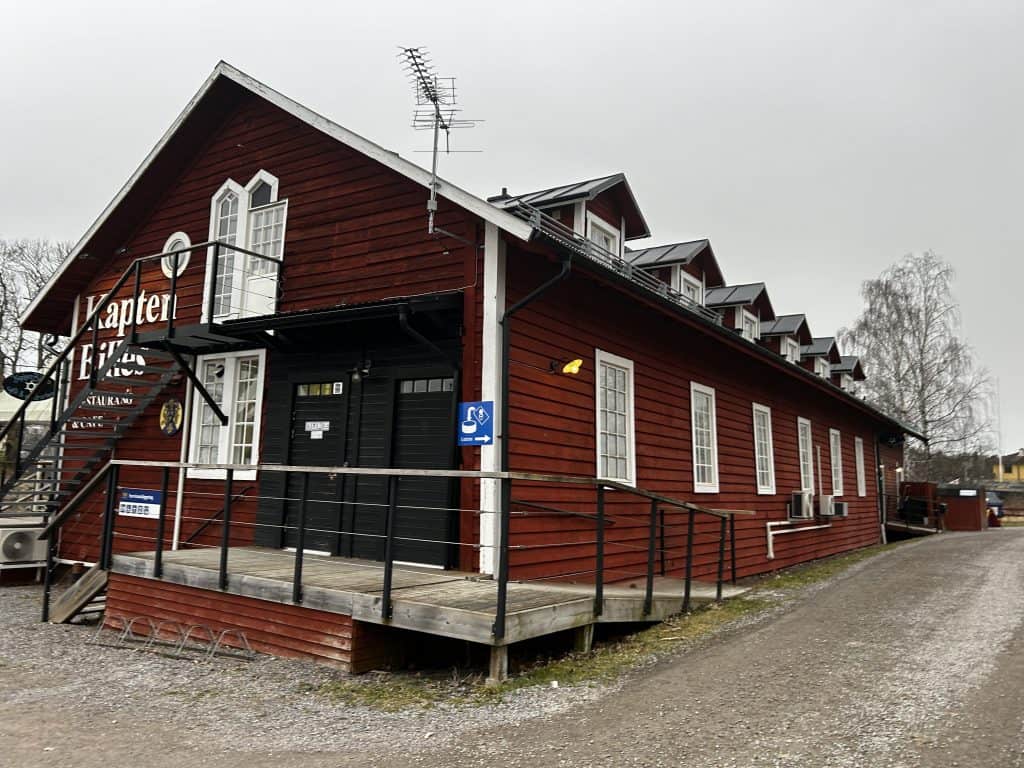
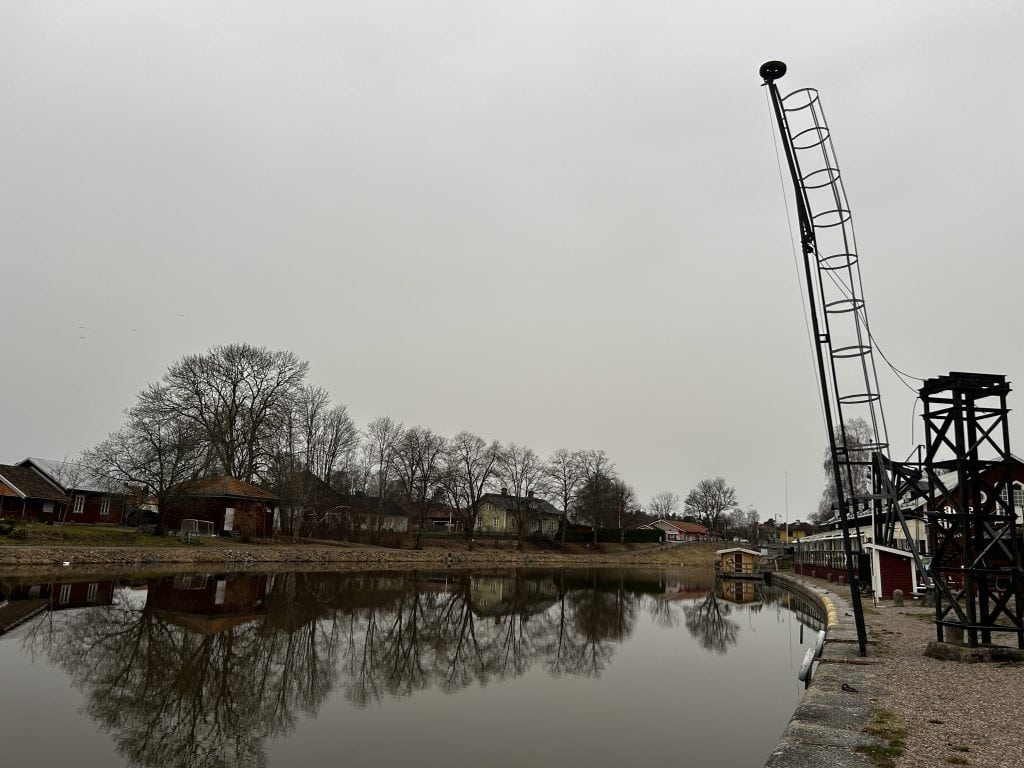
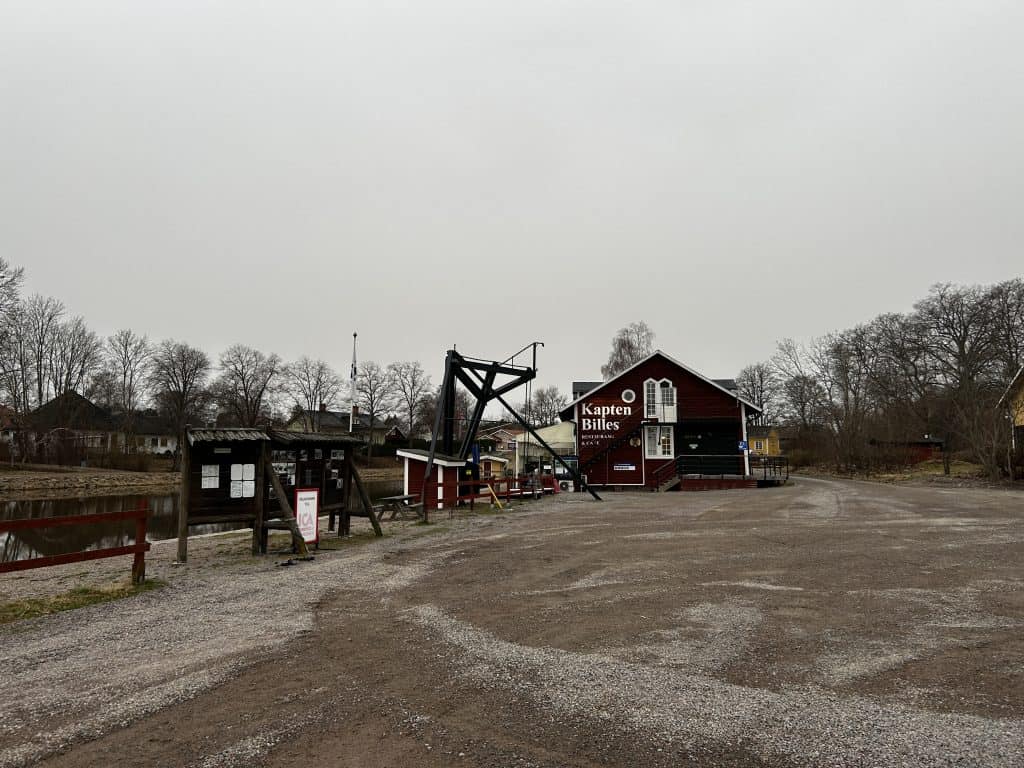
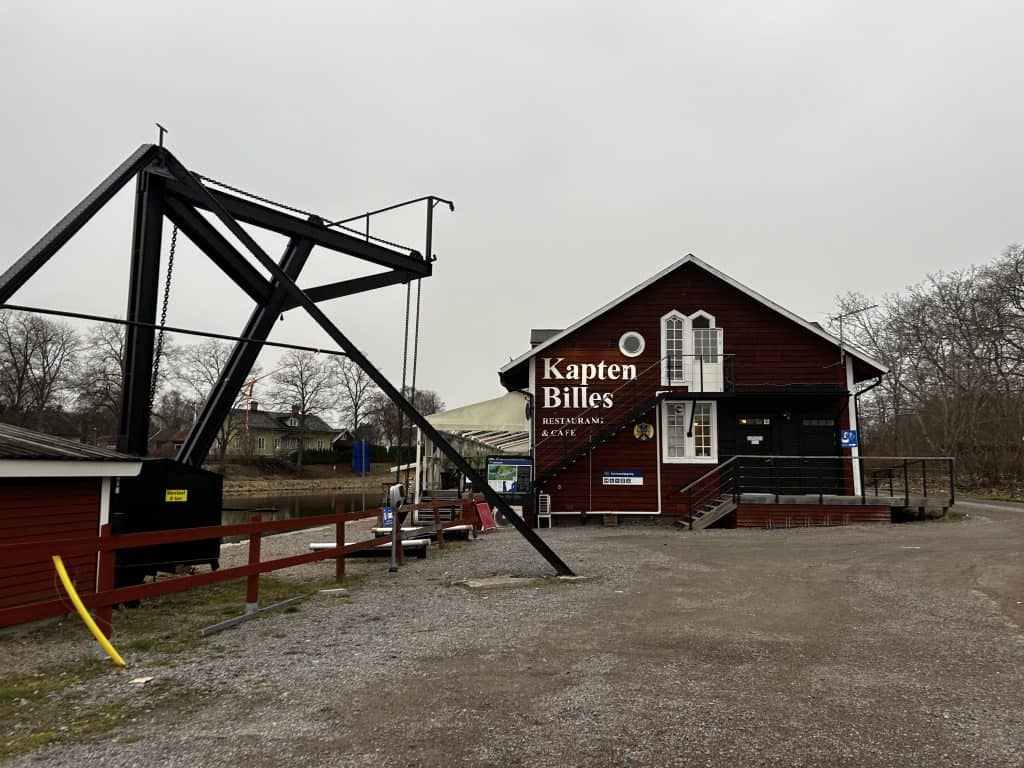
The harbor area in Norsholm is a hub of activity during the summer. It includes a guest harbor (gästhamn) for private boats traveling on the canal. The harbor is a popular place to stop for the night. The area is home to several historic buildings related to the canal’s operation. A key landmark in the harbor is the Kapten Bille’s hostel and restaurant, which is housed in a historic building.
The Railway Bridge
The railway bridge at Norsholm is another significant engineering landmark. The bridge carries the Södra stambanan, Sweden’s busiest and most important railway line, across both the Motala ström and the Göta Canal. The current bridge is a modern concrete structure that replaced an older one. The sight of high-speed trains passing over the historic canal landscape is a clear illustration of the meeting of 19th and 21st-century transport technology.
Recreational Activities
The area around Norsholm is a major center for outdoor recreation, particularly cycling and paddling. The Göta Canal and the surrounding landscape of the Östergötland plain provide the main setting for these activities.
Cycling
The Göta Canal cycle path is one of Sweden’s most famous and popular long-distance cycle routes. The path runs along the old towpaths that were once used by oxen to pull the boats through the canal. The section that passes through Norsholm is well-maintained and almost entirely car-free. The flat terrain makes it suitable for cyclists of all levels. Cycling along the canal provides an opportunity to see the locks and bridges up close.
Paddling
The Motala ström river and the Göta Canal itself are popular waterways for paddling. It is possible to rent kayaks or canoes in the region. Paddling provides a different perspective on the landscape. The calm waters of the canal are particularly suitable for beginners and families. It is a way to experience the historic waterway at a slow pace.
How to Get to Norsholm
Reaching the locality of Norsholm is very convenient by both road and rail. Its location at a major transport junction between Norrköping and Linköping makes it highly accessible from all parts of southern and central Sweden.
The Open Road: Driving the E4 Motorway
Driving is a very common and practical way to reach Norsholm. The locality is located directly on the E4 motorway. This is the main north-south highway in Sweden, which connects Stockholm with Helsingborg. The Norsholm exit from the motorway leads directly into the village. A car provides the flexibility to explore the surrounding Östergötland region.
Arriving by Air: Linköping and Norrköping
The two closest airports are Linköping City Airport (LPI) and Norrköping Airport (NRK). Both airports have limited connections. For more extensive international flights, Stockholm Arlanda Airport (ARN) is the main hub for the country. From any of these airports, a rental car or a combination of train and bus services is required to reach Norsholm.
On Track: A Journey on the Main Line
Traveling to Norsholm by train is very efficient. The Norsholm station is located on the Södra stambanan, Sweden’s Southern Main Line. The station is served by the regional Östgötapendeln commuter train service. This train provides frequent and direct connections to the major cities of Norrköping and Linköping. From these cities, it is easy to connect to the wider Swedish high-speed and long-distance rail network.
Connecting by Coach
There are limited direct long-distance bus services to the small locality of Norsholm itself. Travel by coach would typically involve taking a service from a company like FlixBus to one of the major nearby cities, such as Norrköping or Linköping. From the main bus terminals in these cities, travelers would then need to transfer to the local regional bus service, operated by Östgötatrafiken, to complete the short journey.
Driving Distances
The driving distance from 10 regional cities, according to Google Maps:
- Norrköping, Sweden – 16 kilometers (0 h 20 min)
- Linköping, Sweden – 26 kilometers (0 h 20 min)
- Stockholm, Sweden – 180 kilometers (2 h 00 min)
- Gothenburg, Sweden – 285 kilometers (3 h 10 min)
- Malmö, Sweden – 427 kilometers (4 h 20 min)
- Oslo, Norway – 443 kilometers (5 h 00 min)
- Copenhagen, Denmark – 486 kilometers (5 h 00 min)
- Helsinki, Finland – 696 kilometers (12 h 40 min, includes ferry)
- Hamburg, Germany – 819 kilometers (9 h 10 min, includes ferry)
- Berlin, Germany – 894 kilometers (10 h 50 min, includes ferry)
Explore More of Östergötland and Sweden