Goslar, Lower Saxony | Exploring Germany
Goslar is a historic city in the state of Lower Saxony, Germany. The city sits on the northwestern slopes of the Harz Mountains, Germany’s highest northern mountain range. With a population of approximately 47,600 residents, it serves as the administrative center of the Goslar district. The city is positioned where the Harz uplands meet the flat agricultural plains to the north. Goslar’s Old Town and the nearby Rammelsberg Mines are collectively designated as a UNESCO World Heritage Site.
The city’s character is defined by its past as a favored residence of Holy Roman Emperors and its 1,000-year history of mining. The city’s wealth is reflected in its well-preserved medieval and Renaissance architecture. The historic Old Town features over 1,500 half-timbered houses and a compact, walkable layout. Today, Goslar combines its function as a major tourist destination with its role as a regional center for the surrounding Harz area.


A Short History of Goslar
The history of Goslar is inextricably linked to the discovery of rich mineral deposits at the nearby Rammelsberg mountain. This wealth transformed a small settlement into a pivotal center of the Holy Roman Empire for over two centuries. The city’s story is one of imperial power, civic prosperity driven by mining, and the preservation of its architectural heritage. This long history earned it its UNESCO World Heritage status, recognizing its importance in both political and industrial history.
Imperial Center and Mining Power
While a settlement on the Gose stream was first mentioned in 979 AD, Goslar’s importance soared in the 10th century with the discovery of rich silver and copper deposits at Rammelsberg. In the early 11th century, Emperor Henry II established an Imperial Palace (Kaiserpfalz) here. This made Goslar a favored residence for German emperors of the Salian dynasty. For over 200 years, Goslar was a key political center of the Holy Roman Empire, hosting numerous Imperial Diets and assemblies.
Hanseatic League and Civic Prosperity
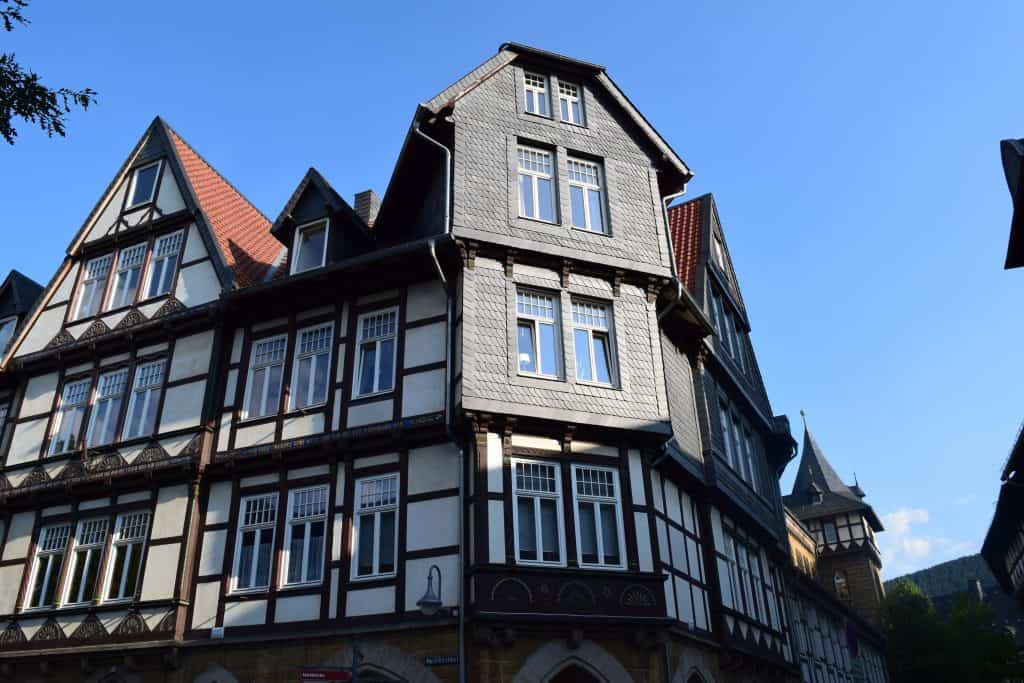
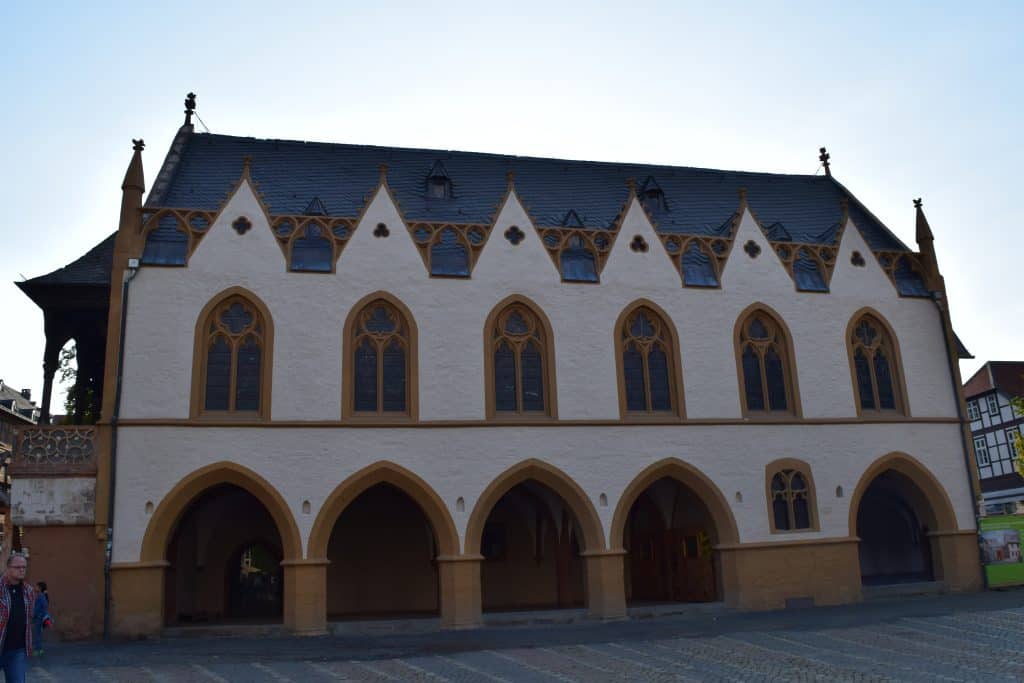
The city later gained significant economic power as a member of the Hanseatic League from 1267 to 1566. The immense wealth derived from the Rammelsberg mines funded the construction of many of the buildings seen today. The well-preserved medieval Old Town, featuring approximately 1,500 half-timbered houses, testifies to this rich past. The ornate carvings and large public buildings, like the Town Hall, were symbols of the civic pride and prosperity of the town’s merchants.
Decline and Modern Heritage
After the Middle Ages, Goslar’s political importance waned, although mining continued. The town was later incorporated into the Kingdom of Hanover and then Prussia. Mining at Rammelsberg continued for over 1,000 years, finally ceasing in 1988. Following its closure, the mine was converted into a museum. This millennium-long history of mining, combined with its imperial past, earned Goslar its initial UNESCO World Heritage status in 1992, which was expanded in 2010.


Things to Do and See
Goslar offers a range of attractions that showcase its imperial history, medieval architecture, and mining heritage. Visitors can explore the Imperial Palace and the preserved Historic Old Town. The Rammelsberg Mines offer direct insight into the source of the city’s wealth. The historic Market Square and various museums also provide a rich journey through time.
Kaiserpfalz Goslar
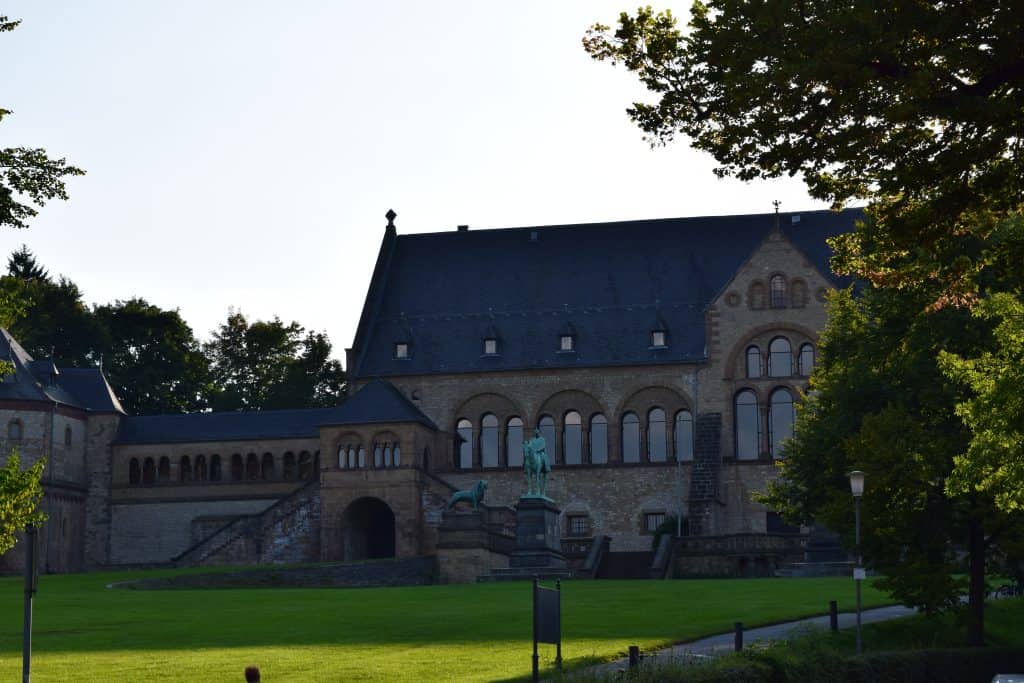
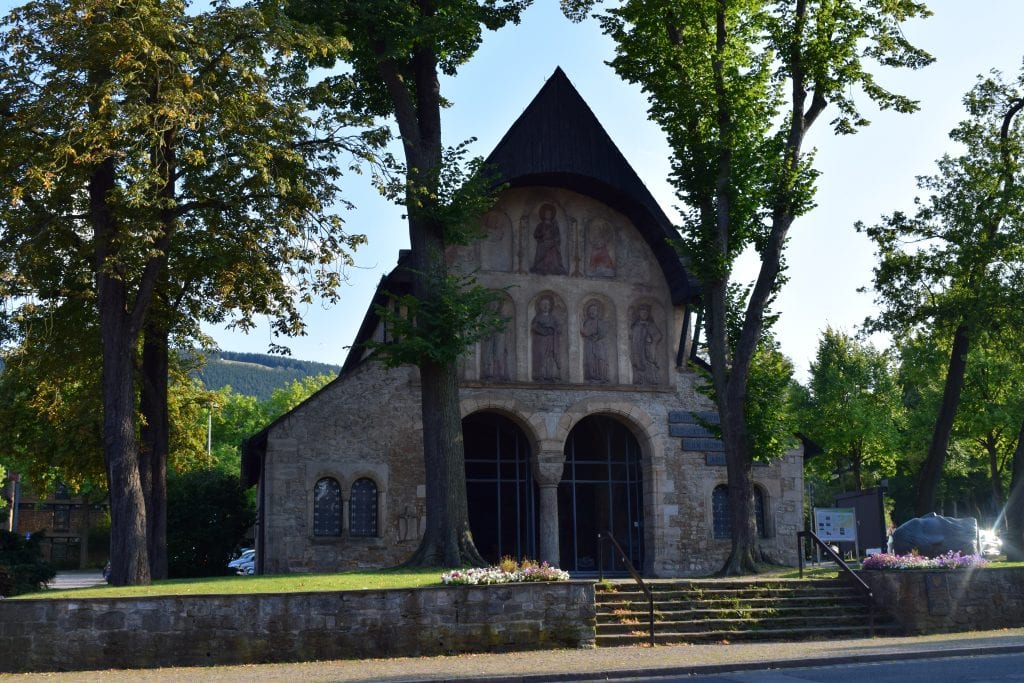
The Imperial Palace of Goslar (Kaiserpfalz Goslar) is a significant Romanesque-period building in Germany. Constructed between 1040 and 1050 under Emperor Henry III, it served as a residence for German emperors for over 200 years. The palace’s Imperial Hall (Reichssaal) is one of the largest secular halls from the Middle Ages. Its walls are adorned with large 19th-century murals depicting scenes from the history of the Holy Roman Empire. The adjacent Chapel of St. Ulrich contains the sarcophagus for the heart of Emperor Henry III.
Historic Old Town
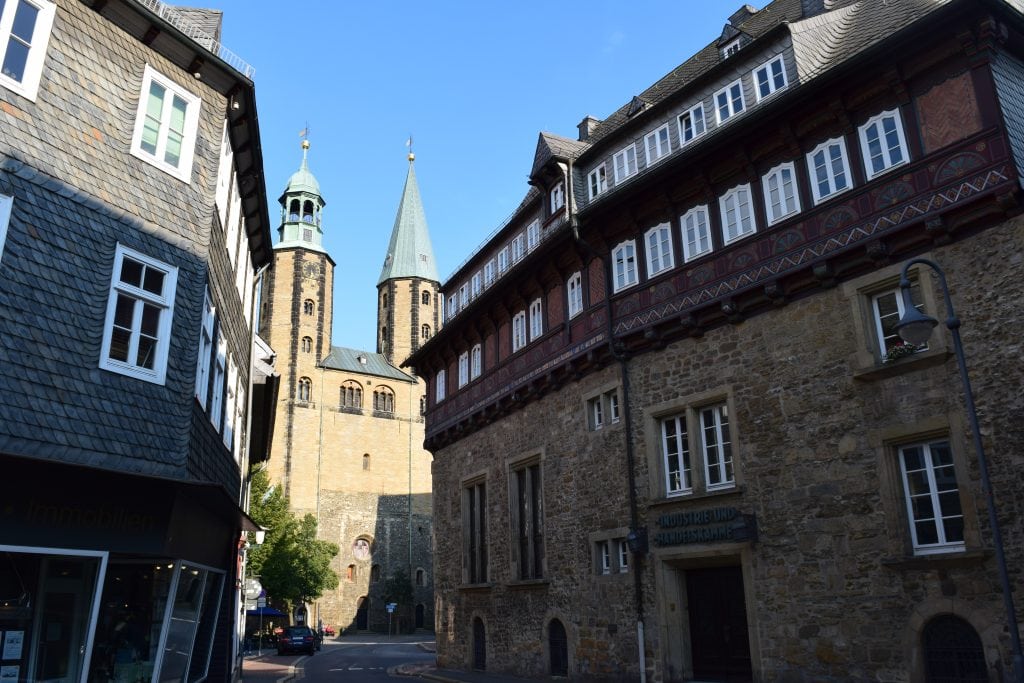
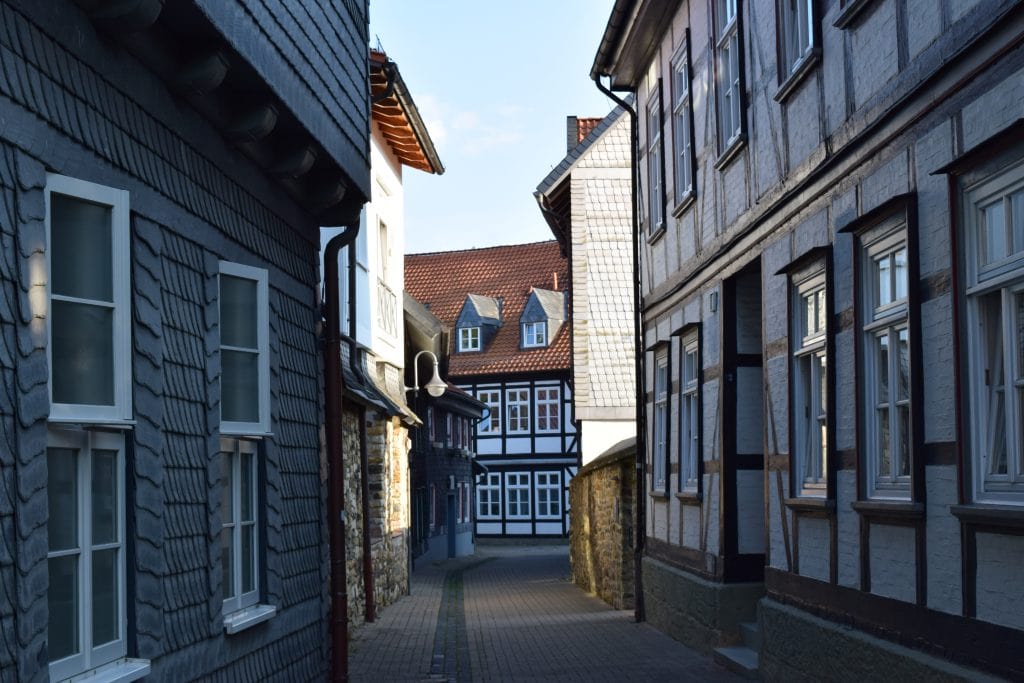
Goslar’s Historic Old Town (Altstadt) is one of Europe’s well-preserved medieval city centers and is part of the UNESCO World Heritage Site. The townscape features approximately 1,500 half-timbered houses, with some dating from the 15th century. Its narrow, winding cobblestone streets follow their original medieval layout. Many facades feature ornate wood carvings. The skyline is punctuated by the spires of several large churches, including the Market Church.
Rammelsberg Mines
The Rammelsberg Mines (Bergwerk Rammelsberg) are a UNESCO World Heritage Site located directly adjacent to Goslar. These mines were continuously worked for over 1,000 years, from the 10th century until 1988. They represent Europe’s oldest continuously operated colliery. Today, it is a large museum where visitors can tour old tunnels, often by riding on original miners’ trains. Exhibitions cover mining techniques from the medieval period to the industrial era.
Marktplatz and Rathaus
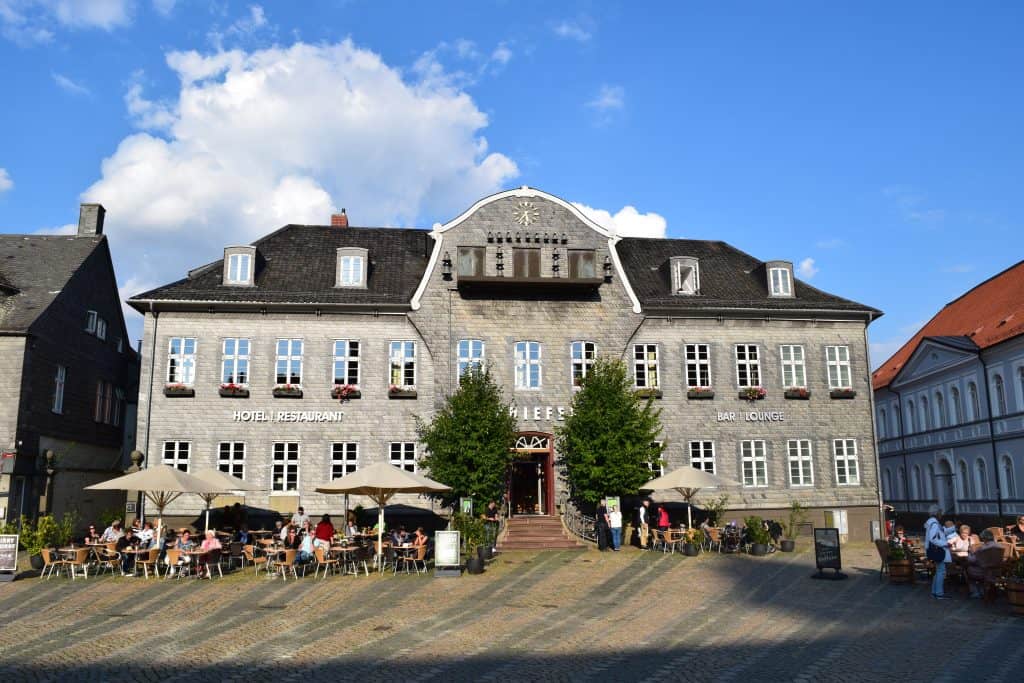
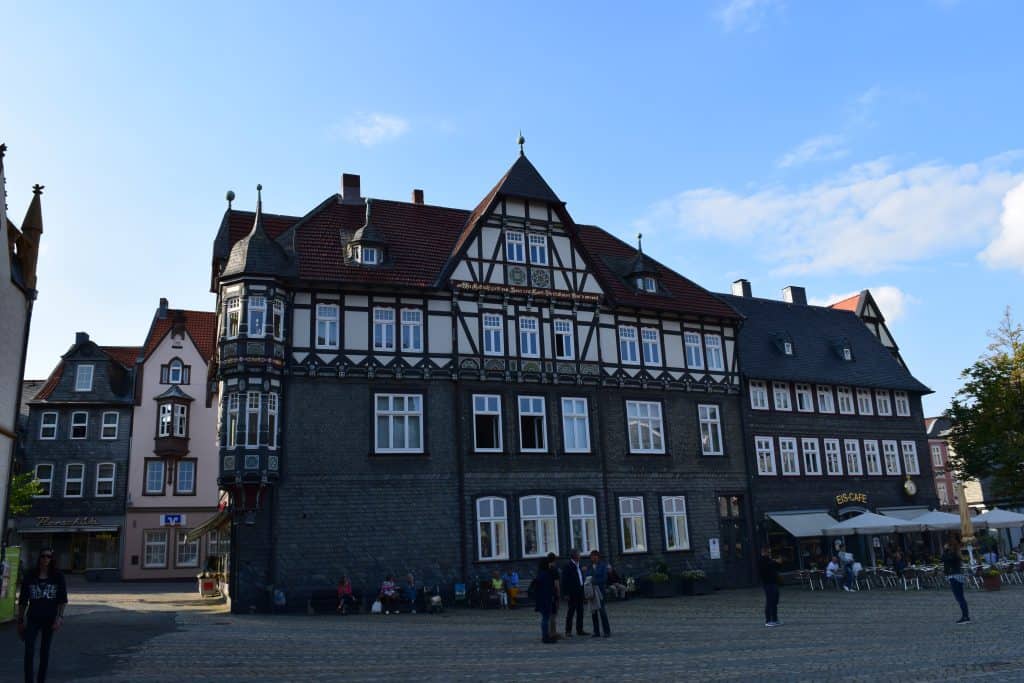
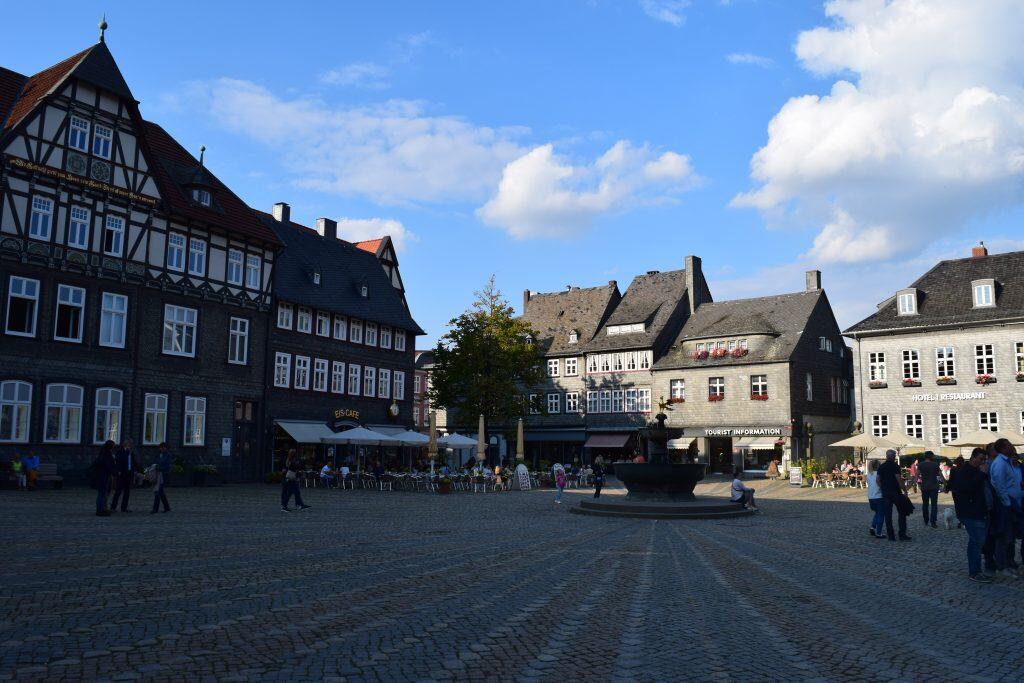
Goslar’s Market Square (Marktplatz) is the historic heart of the Old Town. The square is surrounded by significant buildings. The Market Church (Marktkirche), with its two different towers, overlooks the square. The Goslar Town Hall (Rathaus), dating from the 15th century, also stands here. Its Council Chamber (Huldigungssaal) is a small room completely covered with valuable panel paintings. A unique carillon on a nearby building features figurines depicting the Rammelsberg mining history and performs daily.
Goslar Museum
The Goslar Museum (Goslarer Museum) provides an overview of the town’s development. It is located in a building near the Market Church. Its collections span from archaeology and geology to the history of the imperial city and its religious life. Highlights include Gothic sculptures, medieval coins, and a large model of the town as it appeared in the 16th century. It also houses the original 11th-century imperial throne, which was crafted from bronze cast at the Rammelsberg mines.
Zwinger Tower
The Zwinger Tower is a large defensive tower that was part of Goslar’s former city fortifications. Built in the early 16th century, it is a battery tower with walls up to 6.5 meters thick. It once protected the city’s outer wall at a key defensive point. Today, the tower houses a museum dedicated to the Late Middle Ages. This museum includes collections of armor, weapons, and torture instruments. The top of the tower offers views of Goslar’s rooftops.
Sports in Goslar
The sporting life in Goslar is focused on its main community football club and a wide range of recreational activities offered by its location in the Harz Mountains. The surrounding forests and hills are a primary destination for hiking and mountain biking.
Football
Football holds a significant place in Goslar’s community. The city’s primary football club has a long history and commands local loyalty. The club provides a platform for local players and serves as a point of social gathering for its supporters. It is a key part of the city’s sporting identity.
Goslarer SC 08
The town’s most prominent football club is Goslarer SC 08. The club has a history that includes periods of competing at a higher level in the German regional league system. They play their home matches at the Sparkassen-Arena, a local sports ground. The club is an important institution for local football development, with a significant focus on its youth teams.
Outdoor Sports in the Harz
The city’s location on the edge of the Harz Mountains makes it a major center for outdoor sports. The Harz National Park and the surrounding nature parks offer a vast network of trails. These are used for hiking and mountain biking. The routes cater to all skill levels, from easy walks along the Gose river to more demanding climbs in the mountains.




Getting Around in Goslar
Goslar’s historic Old Town is compact and almost entirely a pedestrian zone, making it ideal to explore on foot. For destinations slightly further afield, like the Rammelsberg Mines, a local bus network is available.
On Foot: The Medieval Old Town
Walking is the best way to explore Goslar. The entire Altstadt, with its winding cobblestone alleys and squares, is best experienced at a slow pace. All the main sights, including the Imperial Palace, the Market Square, and the various museums, are easily reachable on foot. Comfortable shoes are highly recommended for navigating the historic streets.
Local Buses
A local bus network, operated by Stadtbus Goslar, connects the train station with the city center and the surrounding districts. The buses are a key mode of transport for reaching sights outside the immediate center, such as the Rammelsberg Mines. The bus station is located next to the main train station, creating an integrated transport hub for the city.
How to Get to Goslar
Reaching Goslar is straightforward by road and rail, with good connections to Germany’s main transport networks. The town is a key tourist destination in the Harz region.
Arriving by Air: Nearby Gateways
Goslar does not have its own airport. The closest major international airport is Hannover Airport (HAJ), located approximately 90 kilometers away. From HAJ, there are frequent train connections to Goslar, usually with one change. Other airports in the wider region include Leipzig/Halle Airport (LEJ) and Berlin Brandenburg Airport (BER), though these require longer onward journeys by train or car.
The Open Road: Driving to the Harz
Driving to Goslar offers flexibility for exploring the Harz Mountains. The town is easily accessible via major highways. The A7 motorway, a primary north-south route in Germany, runs close to Goslar. The A36 motorway (formerly the B6n road) provides a direct east-west link to cities like Brunswick and Halle. The city is well-signposted from all major routes.
Connecting by Coach
Long-distance bus services provide an economical way to reach Goslar. The main bus stop is located near the Goslar Bahnhof (central train station). Companies like FlixBus operate routes that connect Goslar with major cities across Germany, including direct services from Berlin. Regional buses also connect Goslar to all other towns and attractions within the Harz region.
On Track: A Regional Rail Hub
Traveling to Goslar by train is efficient and popular. The Goslar station is the city’s main railway station and a hub for the northern Harz region. Regional trains operated by Erixx and Deutsche Bahn (DB) provide frequent services. Direct services run from major cities like Hannover, Braunschweig, and Halle. The Harz-Berlin-Express also provides a direct connection to Berlin on weekends.
Driving Distances
The driving distance from 10 major regional cities, according to Google Maps:
- Hanover, Germany – 92 kilometers (1 h 20 min)
- Hamburg, Germany – 225 kilometers (2 h 30 min)
- Berlin, Germany – 256 kilometers (2 h 50 min)
- Frankfurt, Germany – 303 kilometers (3 h 20 min)
- Cologne, Germany – 335 kilometers (3 h 40 min)
- Prague, Czech Republic – 427 kilometers (4 h 30 min)
- Stuttgart, Germany – 466 kilometers (4 h 40 min)
- Amsterdam, Netherlands – 471 kilometers (5 h 00 min)
- Munich, Germany – 514 kilometers (5 h 20 min)
- Copenhagen, Denmark – 554 kilometers (6 h 10 min)
Looking to Explore more of Germany and Europe?