

Aalborg | Exploring Denmark
Aalborg is a city in northern Denmark and the regional capital of North Jutland. The city sits on the southern bank of the Limfjord, a shallow strait that connects the North Sea and the Kattegat. With a population of approximately 120,000 residents in the city proper, Aalborg is the fourth-largest city in Denmark. Its location makes it a key economic and cultural hub for the northern part of the country.
The city’s character is defined by a blend of its industrial heritage and a modern cultural waterfront. Aalborg has undergone significant urban renewal, transforming its former industrial harbor into a center for architecture and public life. This exists alongside a preserved historic core with 17th-century buildings and a medieval cathedral. The city is also a university town, which contributes to its active social environment.


A Short History of Aalborg
The history of Aalborg tracks its development from a Viking Age trading post to a major industrial city and its subsequent transformation into a modern center for culture and knowledge. For centuries, its location on the Limfjord has been central to its economic life. The city has experienced periods of great prosperity through trade, as well as significant industrial growth in the 19th and 20th centuries. Its modern identity is shaped by the successful regeneration of its post-industrial areas.
Viking Age and Hanseatic Trade
The history of Aalborg dates back to the Viking Age, with settlements established along the Limfjord to take advantage of its rich fishing grounds. The town was first mentioned as ”Alabu” on coins from around 1000 AD. It gained market town privileges in 1342, which formalized its status as a commercial center. During the Middle Ages, Aalborg flourished as a major trading hub and was a key port in the Hanseatic League. It traded extensively in herring, grain, and other agricultural products, which saw the construction of its prominent churches and monastic foundations.
Industrialization and War
The 19th and 20th centuries transformed Aalborg into a significant industrial city. It became known for its heavy industries, including several large cement factories, distilleries producing the famous Aalborg Akvavit, and shipbuilding. This industrial boom led to a large increase in population and shaped the city’s working-class character. The city endured bombing during World War II due to its industrial and strategic importance.
Post-War Urban Renewal
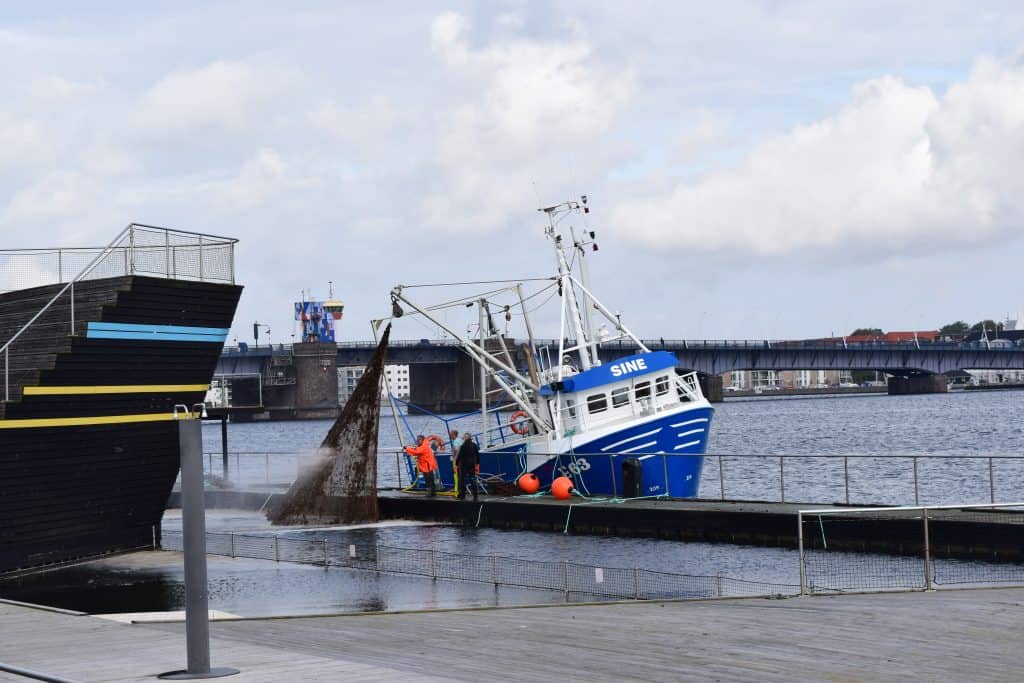
After the war, Aalborg embarked on extensive urban renewal projects. As heavy industry declined in the late 20th century, the city began a process of transforming its industrial waterfront into a modern cultural hub. This regeneration is most evident in the construction of new architectural landmarks like the Utzon Center and the conversion of a former power plant into the Nordkraft cultural center. Aalborg has successfully transitioned from an industrial town to a center for knowledge, culture, and innovation.



Things to Do and See
Aalborg offers a range of attractions that showcase its layered history, modern architecture, and cultural dynamism. Visitors can explore the architectural work of Jørn Utzon on the waterfront, see a major collection of modern art, and visit historic landmarks like Aalborghus Castle and Budolfi Cathedral. The city’s redeveloped harbor front and its historic streets provide a mix of old and new points of interest.
Utzon Center
The Utzon Center is a cultural and architectural landmark on Aalborg’s waterfront. It was the last building designed by the world-renowned Danish architect Jørn Utzon, who is most famous for designing the Sydney Opera House. Opened in 2008, the center functions as a space for architecture, design, and art. It features changing exhibitions and houses a permanent exhibition about Utzon’s life and work. The building’s design, with its distinctive curved roofs, reflects Utzon’s architectural principles.
Kunsten Museum of Modern Art Aalborg
The Kunsten Museum of Modern Art Aalborg is a leading art institution in North Jutland. The building was designed by the acclaimed Finnish architect Alvar Aalto, in collaboration with Elissa Aalto and Jean-Jacques Baruël, and opened in 1972. Its architecture is characterized by its white marble facade and its use of natural light in the galleries. The collection features Danish and international modern and contemporary art from 1900 to the present day. The museum is also set within a sculpture park.
Aalborg Zoo
The Aalborg Zoo is one of Denmark’s largest zoos. Opened in 1935, it covers an area of 8 hectares. The zoo is home to over 1,500 animals representing approximately 120 different species. It focuses on conservation and education, and it participates in international breeding programs for endangered species. Notable animals include African elephants, orangutans, and polar bears. The zoo offers educational programs for visitors and is a major family attraction in the region.
Aalborghus Castle
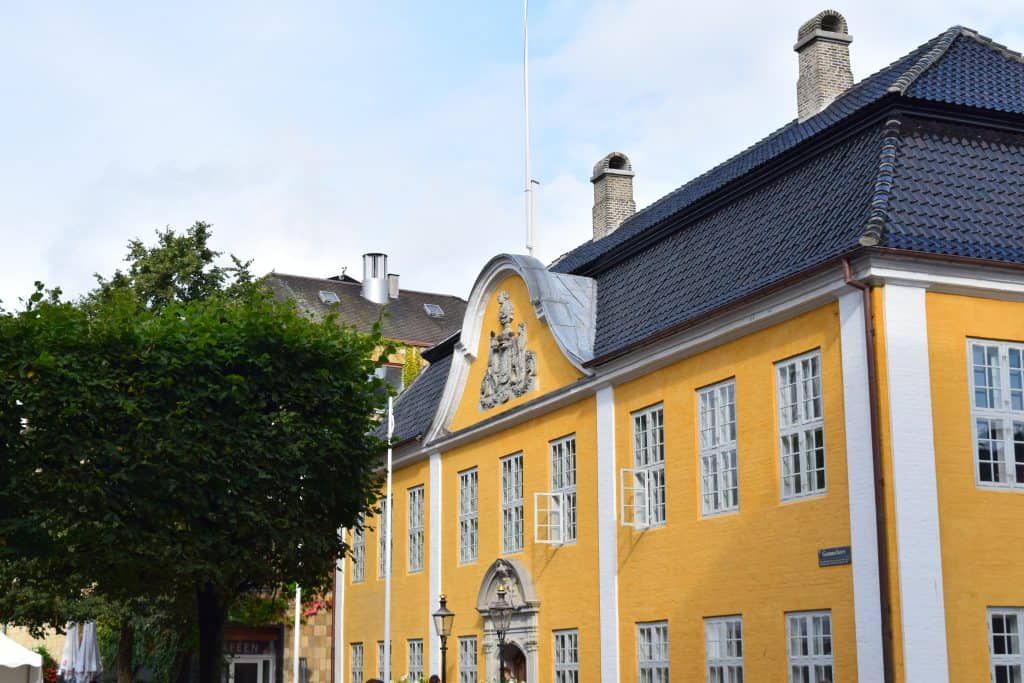
The Aalborghus Castle (Aalborghus Slot) is a preserved half-timbered castle in central Aalborg. Although called a ”castle,” it is primarily a large manor house built in the Renaissance style. It was constructed in the mid-16th century by King Christian III to serve as a royal residence and administrative center for the region. While it now houses Danish state administration offices, visitors can explore parts of the castle grounds, gardens, and defensive earthworks for free.
Budolfi Cathedral
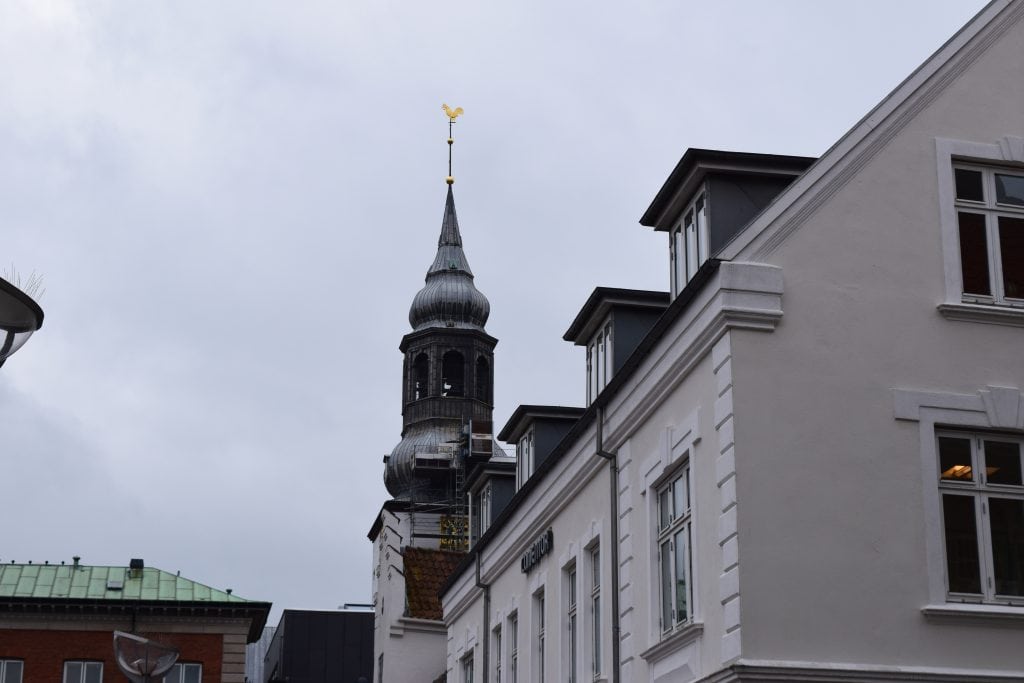
Budolfi Cathedral (Budolfi Kirke) is Aalborg’s most important church and the cathedral of the Diocese of Aalborg. Its origins trace back to the 14th century, built on the site of an earlier wooden church. The current Brick Gothic building features a distinctive Baroque spire that was added in the 1770s. Its interior contains frescoes and an ornate altarpiece from the 17th century. The church is dedicated to Saint Botolph, an English patron saint of seafarers.
Jomfru Ane Gade
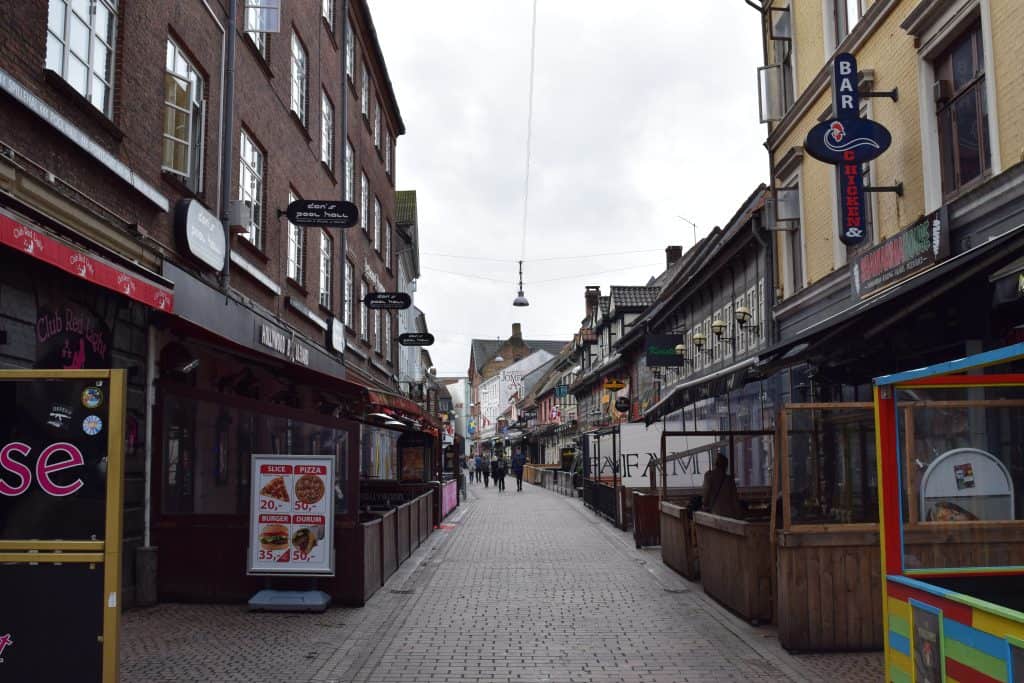
Jomfru Ane Gade is a well-known street in Aalborg’s city center. The name translates to ”Virgin Anne’s Street.” Dating back to the 16th century, the street is now lined almost exclusively with restaurants, bars, and nightclubs. Historically, it was a street of taverns and inns for sailors and merchants. Today, it functions as a major nightlife hub, particularly on weekends. During the day, many of the establishments offer outdoor dining.


Sports in Aalborg
Aalborg has an active sports scene with successful professional teams in Denmark’s most popular sports. Football and handball are the most followed sports, with the city’s clubs competing for national and European titles. Ice hockey also has a strong presence. The city’s location on the Limfjord provides opportunities for water sports, while running events are also popular in the city.
Football
Football holds a significant place in Aalborg’s community. The city’s primary football club is one of the most successful in Denmark and commands immense local loyalty. Matches are major social events that unite generations of fans. The club’s performance often draws significant local attention and is a key part of the city’s sporting identity.
Aalborg BK (AaB)
Aalborg Boldspilklub, commonly known as AaB, is the city’s most prominent football club. Founded in 1885, they play their home matches at the Aalborg Portland Park, which has a capacity of over 13,000. AaB has a successful history, having won the Danish Superliga four times and the Danish Cup three times. They have also competed in the UEFA Champions League. The club currently plays in the top tier of Danish football.
Handball
Handball has an exceptionally strong and successful presence in Aalborg, particularly in the men’s professional game. The city is home to one of the most dominant forces in Danish and European handball. The club’s success has made Aalborg a major center for the sport, with a large and dedicated following.
Aalborg Håndbold
Aalborg Håndbold is one of Denmark’s most successful men’s handball clubs. Founded in 2011 from a merger, they play their home matches at the Sparekassen Danmark Arena. Aalborg Håndbold has won the Danish Men’s Handball League multiple times. They are also a perennial contender in the EHF Champions League, Europe’s premier club competition, having reached the final in both 2021 and 2024.
Ice Hockey
Ice hockey also has a notable presence in Aalborg, with a successful professional team that competes in the top national league. The sport provides a key indoor sporting spectacle during the winter months. The team’s games attract a dedicated fanbase and contribute to the city’s diverse sports scene.
Aalborg Pirates
The Aalborg Pirates are a professional ice hockey team that competes in the Metal Ligaen, the top tier of Danish ice hockey. They play their home games at the Sparekassen Danmark Arena. The club has won the Danish Championship multiple times, with recent titles in 2018, 2022, and 2023. They are consistently one of the top teams in the country.
Running
Running is a popular activity in Aalborg, with several organized events taking place throughout the year. These races cater to different levels of ability, from fun runs to competitive half-marathons. The city’s waterfront and parks provide suitable routes for these events.
Royal Run
The Royal Run is a major national running event in Denmark that makes a stop in Aalborg. The event was established to celebrate the Crown Prince’s 50th birthday. It includes several distances, such as one mile, 5 km, and 10 km. The event is not a competitive race for most participants but rather a public celebration of running and an active lifestyle. It attracts thousands of participants of all ages.

Getting Around in Aalborg
Navigating Aalborg is straightforward. The city center is compact and highly walkable. An efficient local bus network connects the city center with the surrounding districts and the airport. The city is also very bike-friendly.
On Foot: The City Center
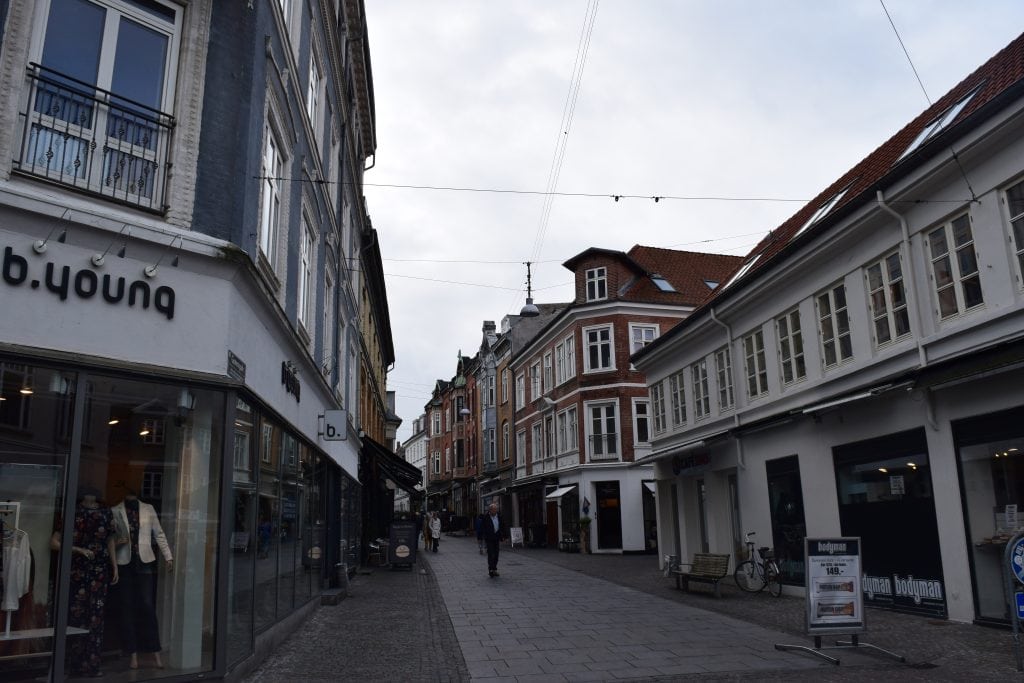
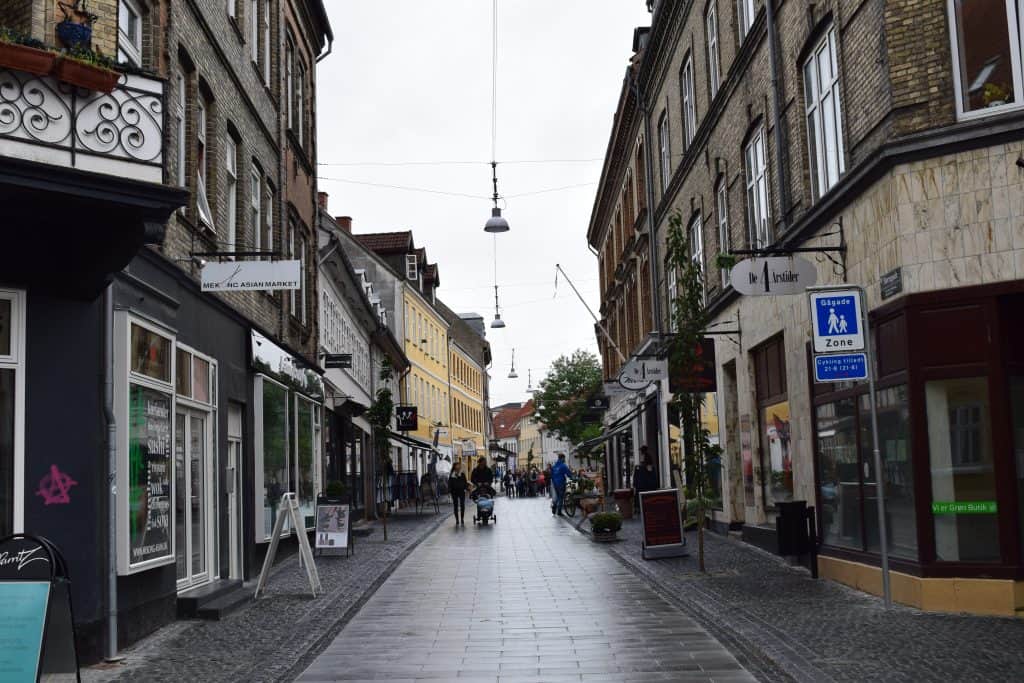
Walking is often the best way to explore Aalborg’s city center. Many key attractions, like Budolfi Cathedral, Aalborghus Castle, and the historic streets of the old town, are within a short walking distance of each other. The redeveloped waterfront area is also a pedestrian-friendly zone with promenades and public spaces. Comfortable shoes are recommended for exploring the cobblestone streets.
Riding the Bus: The NT Network
Aalborg’s public transport is operated by NT (Nordjyllands Trafikselskab). A comprehensive network of city buses serves all parts of Aalborg and its suburbs. The buses are a key mode of transport for connecting the city center with the airport, the university, and other districts. Tickets can be purchased via a mobile app or on the bus. The Rejsekort is a national electronic ticketing system that can also be used.
Two Wheels on the Limfjord: Cycling
Aalborg is a bike-friendly city with an extensive network of dedicated cycle lanes. The city’s relatively flat terrain makes it suitable for cycling. There are many scenic routes, particularly along the Limfjord waterfront and through the city’s parks. Cycling is a popular mode of transport for local residents and a good way for visitors to explore the city.
How to Get to Aalborg
Reaching Aalborg is convenient due to its international airport and its position on Denmark’s main motorway and rail networks. It is the primary transport hub for the North Jutland region.
Arriving by Air: Aalborg Airport
Aalborg has its own international airport, Aalborg Airport (AAL), located just 6 kilometers northwest of the city center. AAL offers extensive connections to major European cities, with direct routes to hubs like Amsterdam, London, and Oslo. It is the main gateway for air travel to North Jutland. From the airport, regular public buses connect directly to Aalborg’s city center in about 15-20 minutes.
The Open Road: Driving the E45
Driving to Aalborg offers flexibility for exploring North Jutland. The city is located directly on the E45 motorway. This is the main north-south highway in Jutland, connecting Aalborg with Aarhus and the German border to the south. The E45 also continues north of the Limfjord towards the port city of Frederikshavn. The drive from Aarhus is approximately 118 kilometers.
Connecting by Coach
The Aalborg Busterminal is the main bus station, located conveniently next to the train station. Regional buses, operated by NT, connect Aalborg with all nearby towns and cities throughout North Jutland. Long-distance bus companies like FlixBus also offer routes connecting Aalborg to major Danish cities like Copenhagen and Aarhus, as well as to cities in Germany.
On Track: A Mainline Rail Hub
Traveling to Aalborg by train is highly efficient. Aalborg Station is the city’s main railway station and a major hub in the Danish rail network. DSB (Danish State Railways) operates frequent services. Direct InterCity trains connect Aalborg to major cities like Copenhagen (a journey of about 4.5 hours) and Aarhus. The station is located centrally, a short walk from the main pedestrian streets.
The North Sea Route: Arriving by Ferry
While Aalborg itself is not a major international passenger ferry port, the nearby ports of North Jutland provide excellent access. Frederikshavn, about 60 kilometers north, has ferry links to Norway (Oslo) and Sweden (Gothenburg). Hirtshals, on the west coast, offers ferries to Norway (Kristiansand, Bergen, Stavanger), the Faroe Islands, and Iceland. From these ports, you can take a direct train or bus to Aalborg.
Driving Distances
The driving distance from 10 regional cities, according to Google Maps:
- Randers, Denmark – 78 kilometers (1 h 00 min)
- Aarhus, Denmark – 118 kilometers (1 h 20 min)
- Esbjerg, Denmark – 224 kilometers (2 h 50 min)
- Odense, Denmark – 255 kilometers (3 h 10 min)
- Hamburg, Germany – 469 kilometers (4 h 40 min)
- Copenhagen, Denmark – 478 kilometers (4 h 40 min)
- Bremen, Germany – 571 kilometers (5 h 40 min)
- Oslo, Norway – 594 kilometers (6 h 50 min)
- Berlin, Germany – 757 kilometers (8 h 10 min)
- Amsterdam, Netherlands – 863 kilometers (9 h 10 min)
Looking to Explore more of Denmark and Europe?


