

Kärrbo, Västmanland | Exploring Sweden
Kärrbo is a historic parish in the province of Västmanland, Sweden, and it is part of the Västerås Municipality. The parish is defined by its church village, and its identity is centered around a medieval church. It is situated in a rural landscape of open fields and forests, and it is just a short distance southeast of the city of Västerås. With a small population, Kärrbo is a tranquil church village. The area’s history stretches back for centuries, and its landscape is dotted with ancient monuments.
The parish has been inhabited since at least the Iron Age, and this is evidenced by numerous ancient grave fields and runestones. The establishment of its stone church in the 12th century marked the formal beginning of the parish as a Christian community. For centuries, life in Kärrbo revolved around this church and the surrounding farms. Today, the area is a peaceful residential and agricultural community, and it offers visitors a glimpse into the deep history and the rural scenery of the Lake Mälaren valley.
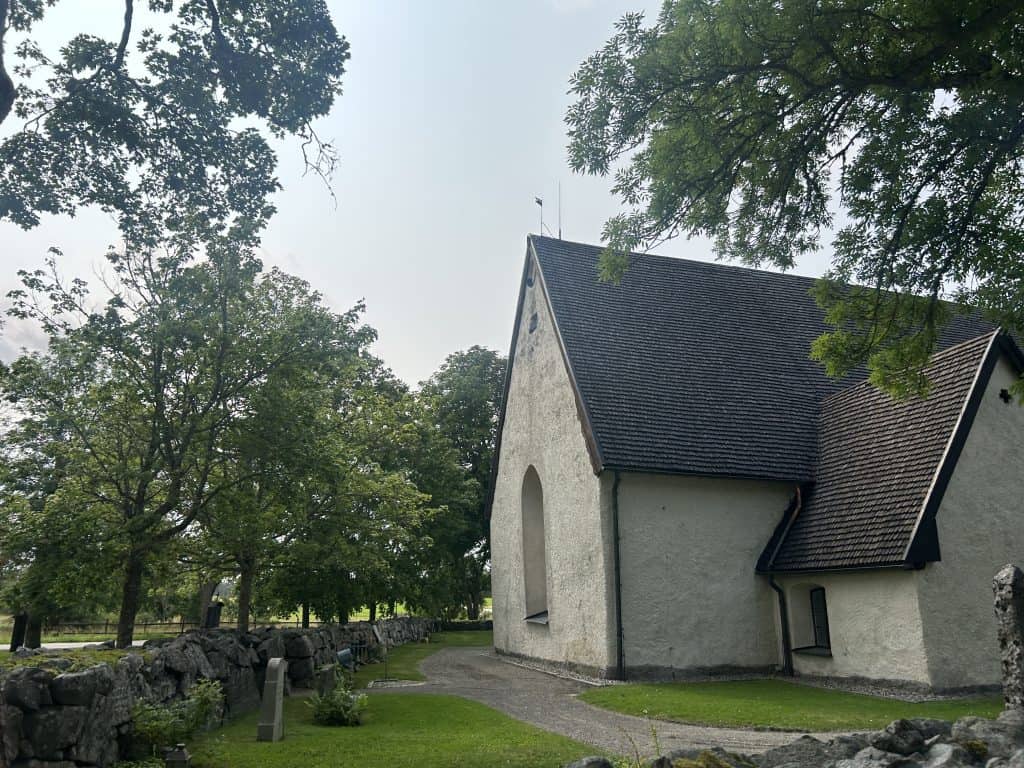
A Short History of Kärrbo
The history of Kärrbo is that of a classic Swedish rural parish, or ”socken.” The area has been inhabited since at least the Iron Age, and this is evidenced by the numerous ancient grave fields and runestones found in the vicinity. The establishment of a stone church in the 12th century marked the formal beginning of the parish as a Christian community. For centuries, life in Kärrbo revolved around the church and the surrounding farms. The parish remained a distinct administrative unit until the municipal reforms of the 20th century, but its historical identity remains strong.
From Iron Age to a Christian Parish
The area around Kärrbo has a very long history of human settlement, and there are several large grave fields from the Iron Age located within the parish boundaries. This shows that it was an important area long before the church was built. The presence of several notable runestones, such as the Frösåker stone, further highlights its significance during the late Viking Age. The transition to the Christian era was then marked by the construction of Kärrbo Church in the 12th century. This event established the parish of Kärrbo as the new religious and social center for the local community for centuries to come.
A Rural Agricultural Community
For most of its history, Kärrbo was a typical rural parish, and it is located in the fertile agricultural landscape of the Lake Mälaren valley. Life was centered around the church, and it was also focused on the many farms and manors that were scattered throughout the parish. The community was relatively stable for centuries. Its population was engaged primarily in farming and forestry. The parish served as the main administrative and social unit for the local population until the late 19th century. The historic manor houses that still stand in the area are a testament to the agricultural wealth of the region.
The Modern Era and Municipal Reforms
The modern era brought significant changes to the administrative structure of rural Sweden. In the municipal reforms of the mid-20th century, the historic parish of Kärrbo was incorporated into the larger Västerås Municipality. While it lost its status as an independent administrative unit, the parish has retained its distinct historical and cultural identity. In the modern era, the area has become a popular residential location. Many people want to live in a peaceful, rural environment while still being close to the city of Västerås. The preservation of its historic church and ancient monuments therefore remains a key focus for the community.
Sights at Kärrbo
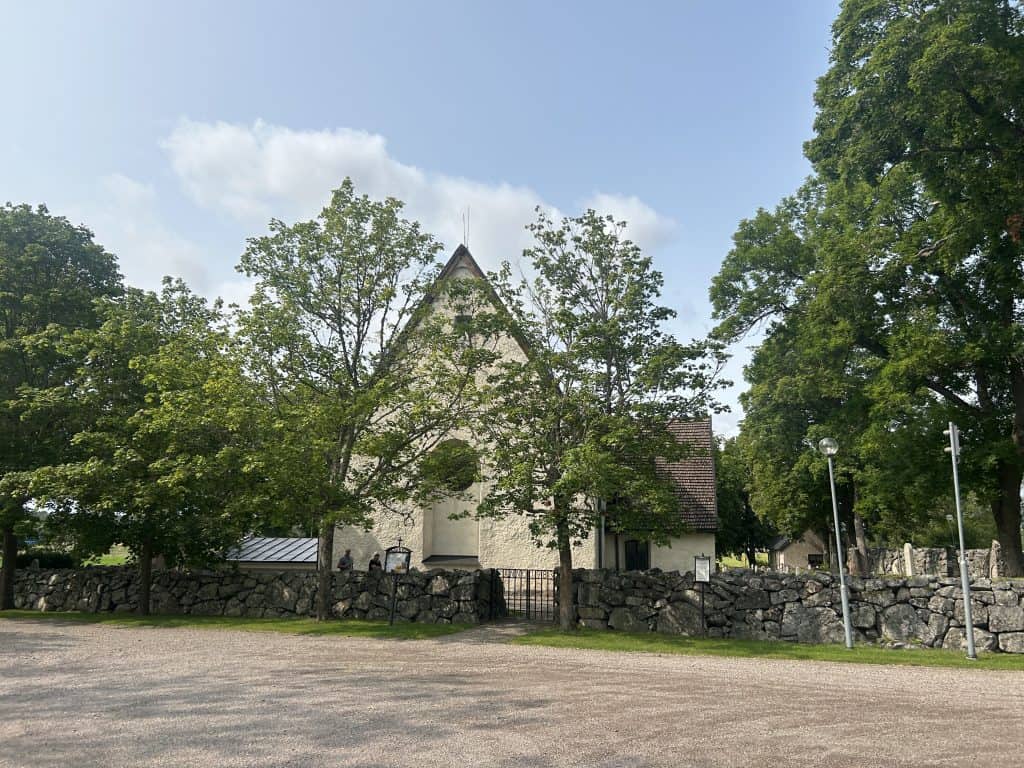
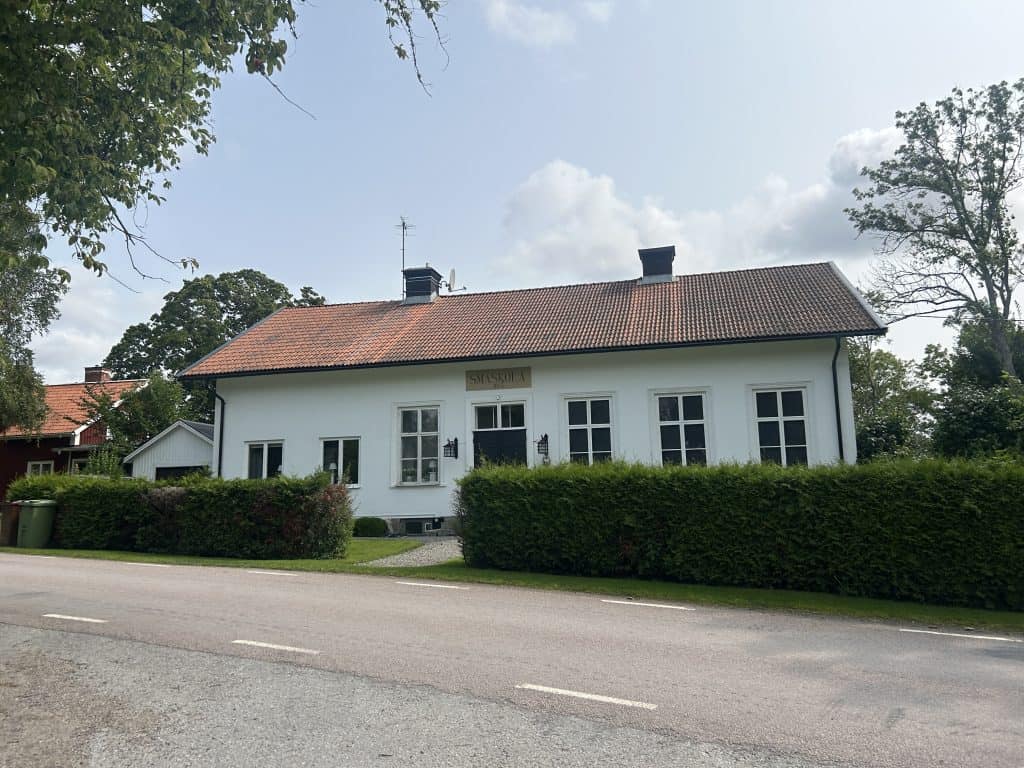
The sights in the village of Kärrbo are centered around its well-preserved medieval church. This historic structure is the primary landmark, and it is the main point of interest within the small church village. A visit to Kärrbo is primarily a visit to this single, significant building, for it offers a direct look into the history of the parish. The church and its immediate surroundings encapsulate the long history of this rural Västmanland community.
Kärrbo Church
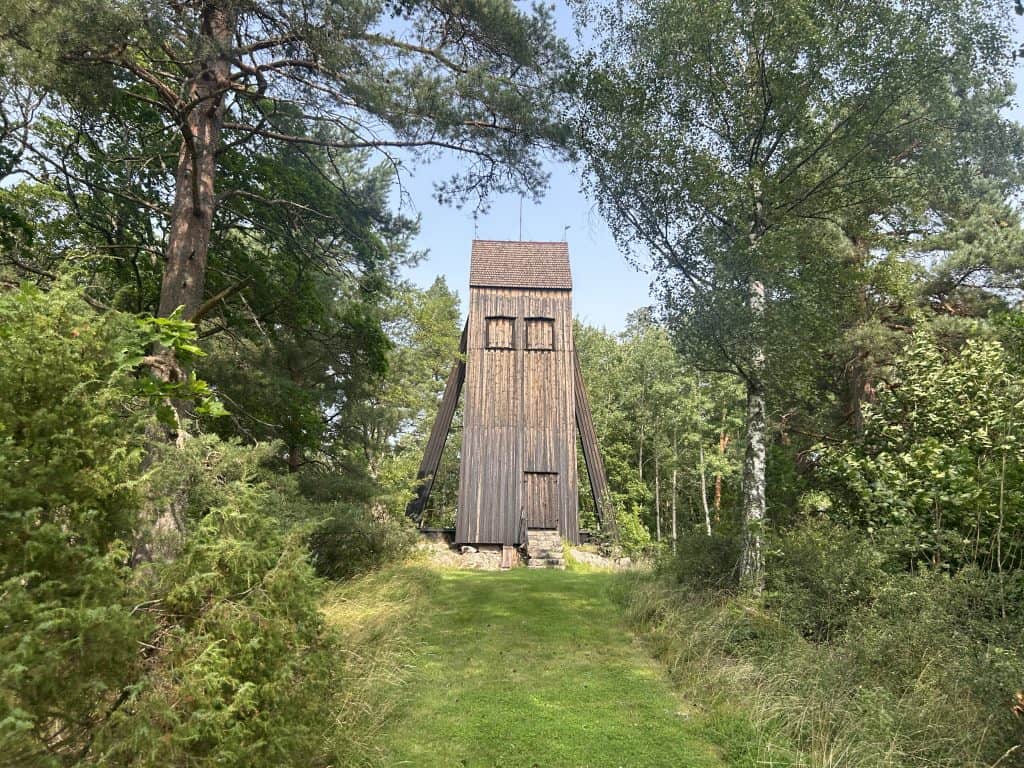
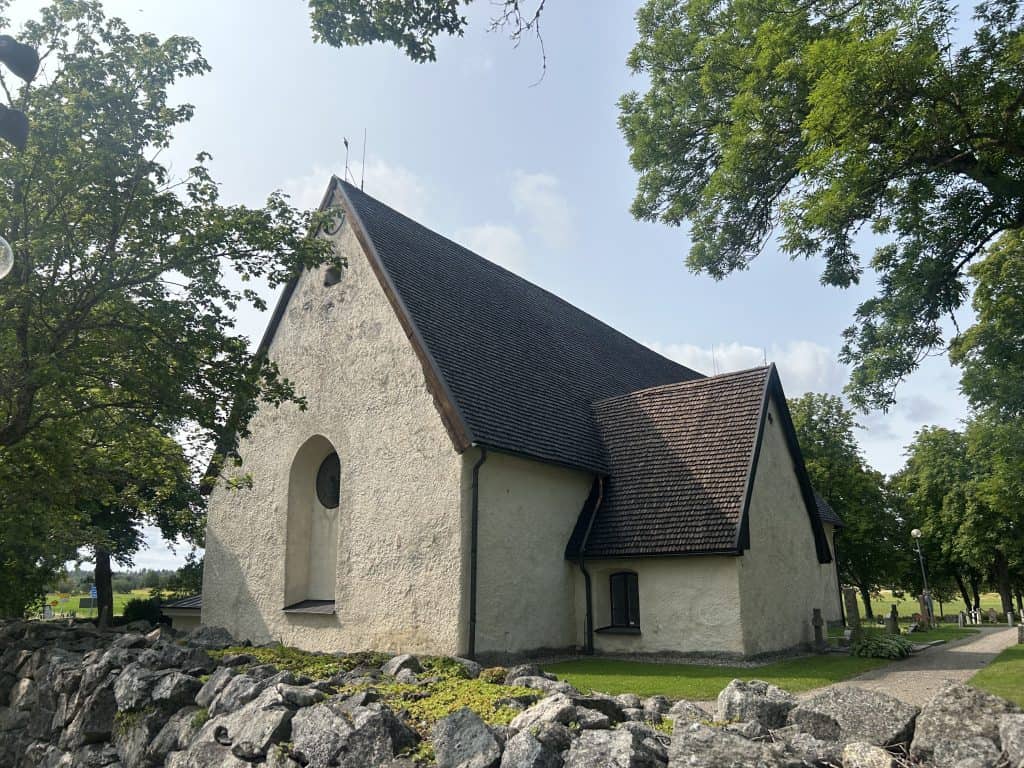
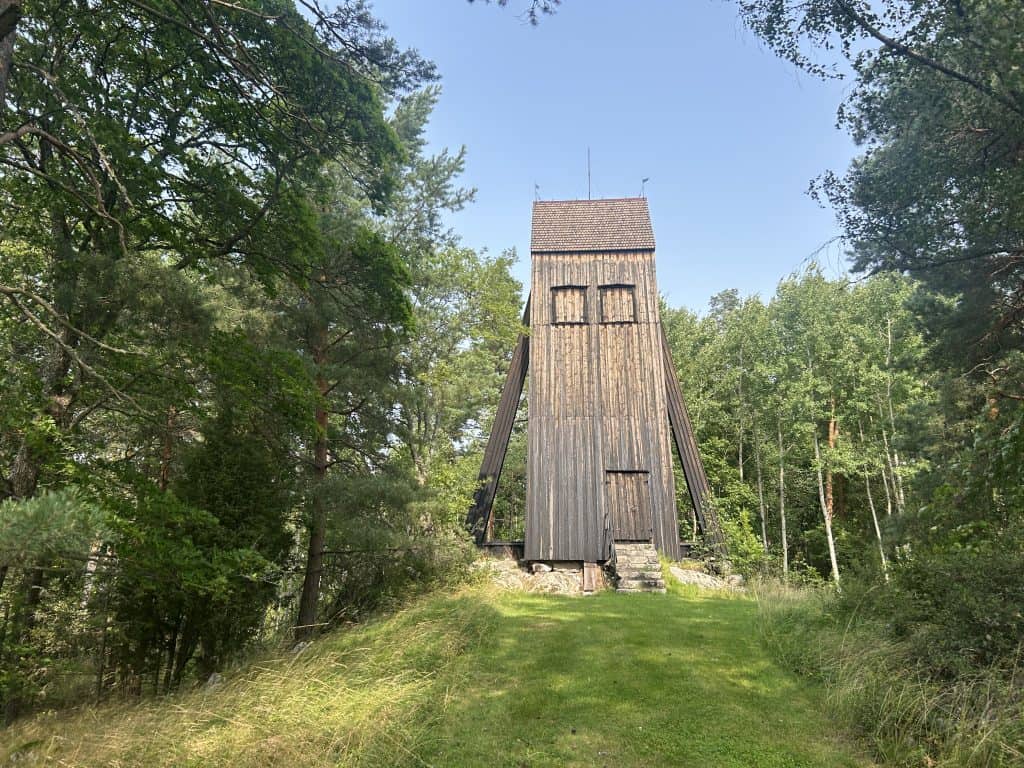
Kärrbo Church (Kärrbo kyrka) is the most important historical landmark in the village. Its oldest parts date back to the 12th century, and this makes it a prime example of Romanesque architecture. The church is particularly known for its well-preserved medieval frescoes, or ”kalkmålningar.” These colorful paintings decorate the interior vaults, and they depict various biblical scenes. These frescoes are a significant artistic asset from the period. A key feature of the church grounds is the belfry, and it stands separately from the main stone building. This is a wooden belfry, and this type of separate structure is a common feature for churches in this region.
Getting Around
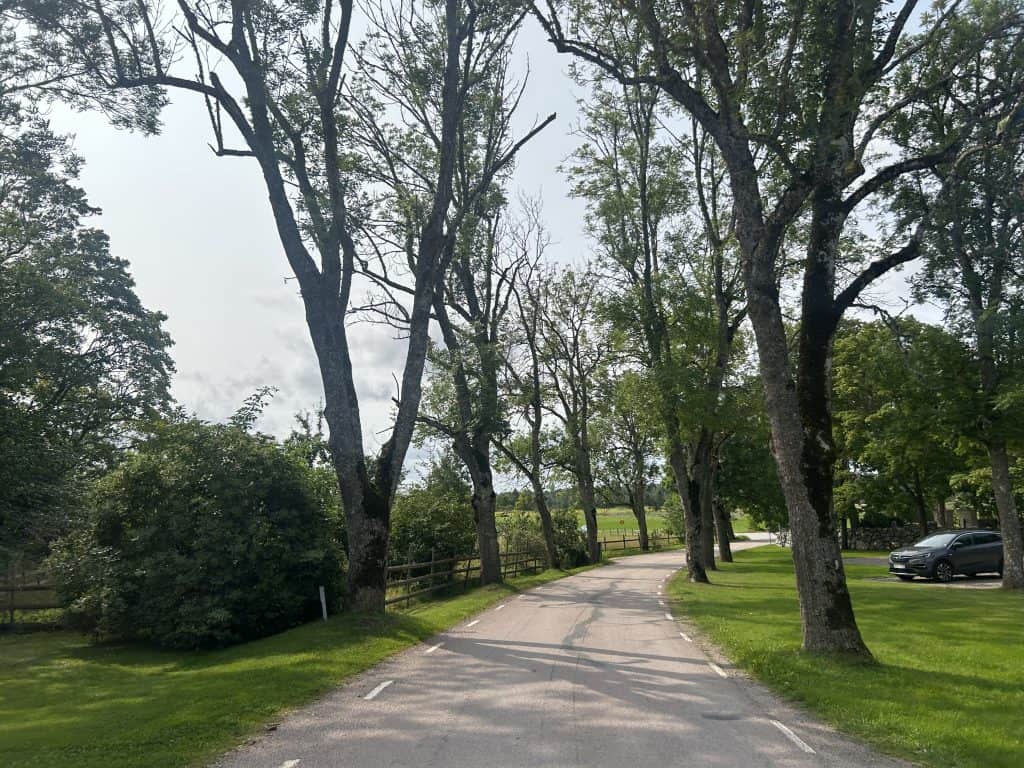
Navigating the rural parish of Kärrbo is best done by car or bicycle. The village is located in the countryside, so public bus services may not be very frequent. A car provides the most flexibility for exploring the different sights in the area. This includes the various runestones and the nature reserve. Cycling is also an excellent option. The terrain is relatively flat, and the country roads are scenic and have light traffic. The nearby city of Västerås has a comprehensive public transport system for wider travel.
Navigating by Car
A car is the most convenient way to explore Kärrbo and the wider region of Västmanland. The village is located a short, 15-minute drive from the city center of Västerås. Having a car makes it easy to take day trips to the many historical sights. This includes manor houses and nature reserves in the Lake Mälaren valley. The roads are generally in good condition, and this makes for a pleasant driving experience. Parking is free and easy to find at the church and other sights in the area.
Exploring by Bicycle
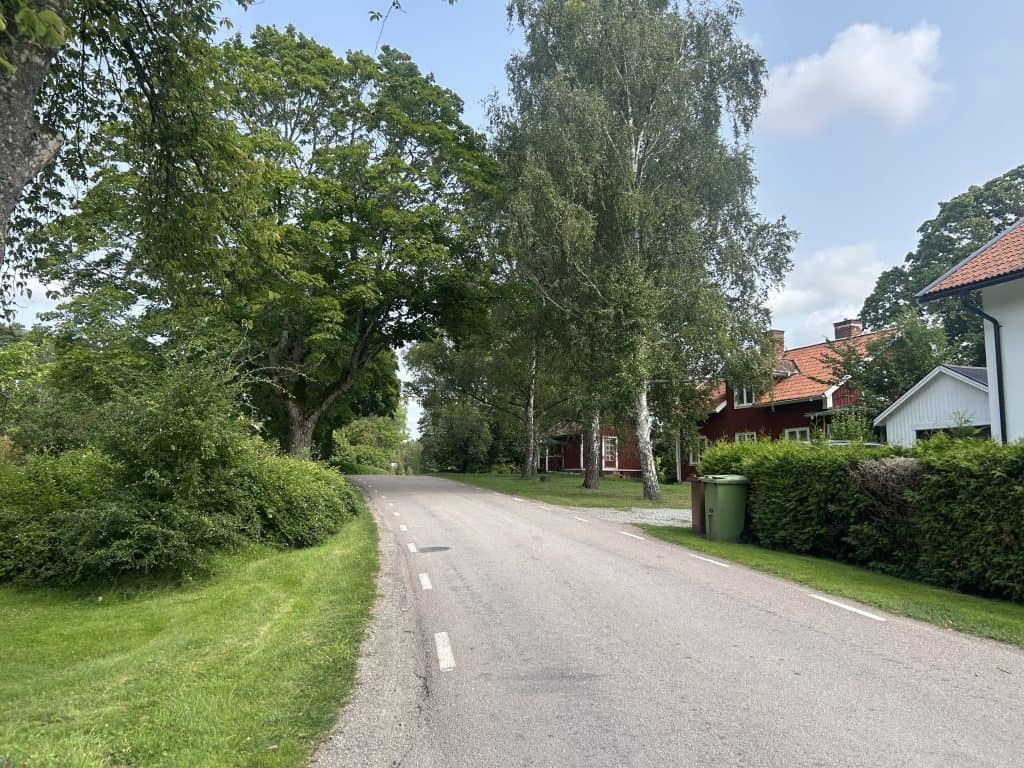
The countryside around Kärrbo is a scenic area for cycling. The landscape is relatively flat, and the small country roads that wind their way through the fields and forests are perfect for a bike ride. A bicycle is a great way to explore the different runestones. It also lets you see other historical sites in the parish at a leisurely pace. There is also a marked cycle path that runs from the city of Västerås out towards the Kärrbo area, so it is a safe and scenic route.
Using Local Buses
The regional public transport authority, VL, operates the bus network in the area. There are local bus services that connect the village of Kärrbo with the main bus terminal in Västerås. However, the services in this rural area may be infrequent, and this is especially true on weekends. It is important to check the current timetable in advance if you plan to rely on public transport. From the main terminal in Västerås, you can connect to a wider network of city and regional bus routes.
How to Get to Kärrbo?
Kärrbo is located in the province of Västmanland in central Sweden. The village is situated just southeast of the city of Västerås. The primary way to get to the area is to first travel to Västerås, for it is a major transportation hub. It has an airport and excellent train and road connections. From Västerås, it is a very short and easy journey to Kärrbo by car or local bus. The proximity to a major city makes this rural parish very accessible.
Arriving by Air
The closest and most convenient airport is Stockholm Västerås Airport (VST). This airport is located just a few kilometers east of the city of Västerås, so it is very close to Kärrbo. It is a hub for low-cost airlines like Ryanair. It has connections to several destinations in Europe, including London. For a much wider range of international and long-haul connections, Stockholm Arlanda Airport (ARN) is the best option. This is Sweden’s largest airport, and it is located about a one-hour drive away.
Driving into the Area
Kärrbo is very easy to reach by car, and the road connections are excellent. The area is located just a few kilometers from the main E18 motorway. This is the main east-west highway in central Sweden, and it connects Stockholm with Västerås and Oslo. To reach Kärrbo, you take the exit for Västerås Airport. Then, you follow the smaller country roads for a short distance. This excellent road access makes driving a very convenient option for visitors traveling from other parts of Sweden.
Journey by Rail
The closest main train station is in the city of Västerås. The Västerås Central Station is a major hub on the Swedish railway network. There are frequent and fast train services from Stockholm, and these take about one hour. There are also direct train connections to other major cities. These include Gothenburg and Uppsala. From the train station in Västerås, you would then need to take a short local bus ride or a taxi to reach the village of Kärrbo.
Connecting by Bus
Long-distance bus companies like Flixbus operate services to the main bus terminal in Västerås. This terminal is located next to the train station. These services connect the city with many other destinations in Sweden. From the bus terminal in Västerås, you can then connect to the local bus service operated by VL. This will take you on the final short journey to Kärrbo. The bus is often a very economical option for travel to the region.
Driving Distances
The driving distance from 20 regional cities, according to Google Maps:
- Västerås, Sweden – 13 kilometers (0 h 15 min)
- Enköping, Sweden – 35 kilometers (0 h 30 min)
- Eskilstuna, Sweden – 40 kilometers (0 h 40 min)
- Uppsala, Sweden – 75 kilometers (1 h 00 min)
- Örebro, Sweden – 80 kilometers (1 h 00 min)
- Södertälje, Sweden – 100 kilometers (1 h 10 min)
- Stockholm, Sweden – 100 kilometers (1 h 10 min)
- Norrköping, Sweden – 150 kilometers (1 h 40 min)
- Gävle, Sweden – 160 kilometers (1 h 50 min)
- Karlstad, Sweden – 180 kilometers (2 h 10 min)
- Linköping, Sweden – 190 kilometers (2 h 10 min)
- Jönköping, Sweden – 290 kilometers (3 h 00 min)
- Växjö, Sweden – 380 kilometers (4 h 00 min)
- Gothenburg, Sweden – 380 kilometers (4 h 00 min)
- Kalmar, Sweden – 420 kilometers (4 h 30 min)
- Oslo, Norway – 430 kilometers (5 h 00 min)
- Helsingborg, Sweden – 540 kilometers (5 h 30 min)
- Malmö, Sweden – 600 kilometers (6 h 00 min)
- Copenhagen, Denmark – 630 kilometers (6 h 30 min)
- Hamburg, Germany – 920 kilometers (10 h 00 min)
Explore More of Västmanland and Sweden


