

Sochaczew, Mazovia | Exploring Poland
Sochaczew is a historic town in the Masovian Voivodeship of central Poland, located approximately 50 kilometers west of Warsaw. The town’s identity connects deeply to two key themes: its pivotal role in military history and its unique heritage of railway engineering. For instance, Sochaczew is most famous for its Narrow-Gauge Railway Museum, a major attraction for train enthusiasts from all over Europe. Furthermore, its history is intrinsically linked to the Battle of the Bzura, the largest battle of the 1939 September Campaign. With scenic ruins of a medieval castle overlooking the Bzura river, Sochaczew offers visitors a compelling mix of history and heritage.
Covering an area of 26.13 square kilometers, Sochaczew is situated at the confluence of three rivers: the Bzura, the Utrata, and the Pisia. As of the end of 2023, the town had a population of approximately 35,500 residents. As the administrative seat of Sochaczew County, it serves as an important regional center for commerce and industry. The town’s demographics, therefore, reflect its history as both a market town and an industrial hub, with a mix of long-time residents and families connected to its manufacturing past. Its strategic location on the main transport routes between Warsaw and Poznań continues to define its economic importance.
History of Sochaczew
The history of Sochaczew stretches back over eight centuries, marking it as one of the oldest towns in the Mazovia region. Its strategic location on a high riverbank made it a natural defensive point. As a result, it became an important administrative center from the early medieval period. The town served as a residence for the Dukes of Masovia and enjoyed a golden age as a royal town, but it also endured repeated destruction in nearly every major conflict on Polish soil. Its experiences during World War II and its subsequent role as an industrial hub have profoundly shaped its modern identity.
The Castle of the Masovian Dukes
The origins of Sochaczew can be traced to a fortified settlement established as early as the 12th century. Its importance grew significantly, however, when it became one of the main seats of the independent Dukes of Masovia. In the 14th century, Duke Siemowit III built a substantial brick castle on a hill overlooking the Bzura river, which made the town a major political and administrative center. Sochaczew received its city rights around this time. For the next two centuries, it thrived as a royal town and a hub for trade and crafts, benefiting from its strategic location.
Destruction and Rebirth
Sochaczew’s period of prosperity came to a violent end during the Swedish Delge in the mid-17th century, when the invading Swedish army captured and completely destroyed the town and its magnificent castle in 1655. Although the town was slowly rebuilt, it never fully regained its former prominence. In fact, it suffered further damage during subsequent conflicts, including the Napoleonic Wars. Throughout the 19th century, while under Russian rule, Sochaczew played a role in the national uprisings and gradually began to develop as a small industrial center.
The Battle of the Bzura and the 20th Century
In the 20th century, Sochaczew once again found itself at the heart of a major military conflict. In September 1939, the area became the central axis of the Battle of the Bzura, the largest single engagement of the September Campaign where Polish armies launched a major counter-offensive. The brutal, two-week battle resulted in a Polish defeat but significantly delayed the German advance on Warsaw. Fighting heavily damaged the town, and its role in the battle is now commemorated at the local museum. After the war, Sochaczew was rebuilt and further industrialized.
Sights in Sochaczew
The sights of Sochaczew offer a fascinating look into the town’s layered history, from its medieval ducal past to its crucial role in 20th-century warfare and its unique industrial heritage. The town’s attractions are centered around Castle Hill, the main town square, and the expansive grounds of the railway museum. Unlike a large city, Sochaczew provides a relaxed and accessible sightseeing experience where most of its key landmarks are located within a compact area. A visit here is an opportunity to explore some of the most significant military and technological history in the Mazovia region.
The surrounding area of Sochaczew is also of great importance, most notably as the location of Żelazowa Wola, the birthplace of Fryderyk Chopin. This nearby village is a primary reason many people visit the region. For this reason, the town is often used as a base for exploring this rich cultural landscape. The Bzura river also adds a scenic, natural element to the town’s historic and industrial character. This combination of attractions makes Sochaczew a destination with a diverse and compelling offering for history buffs, music lovers, and technology enthusiasts.
Narrow-Gauge Railway Museum
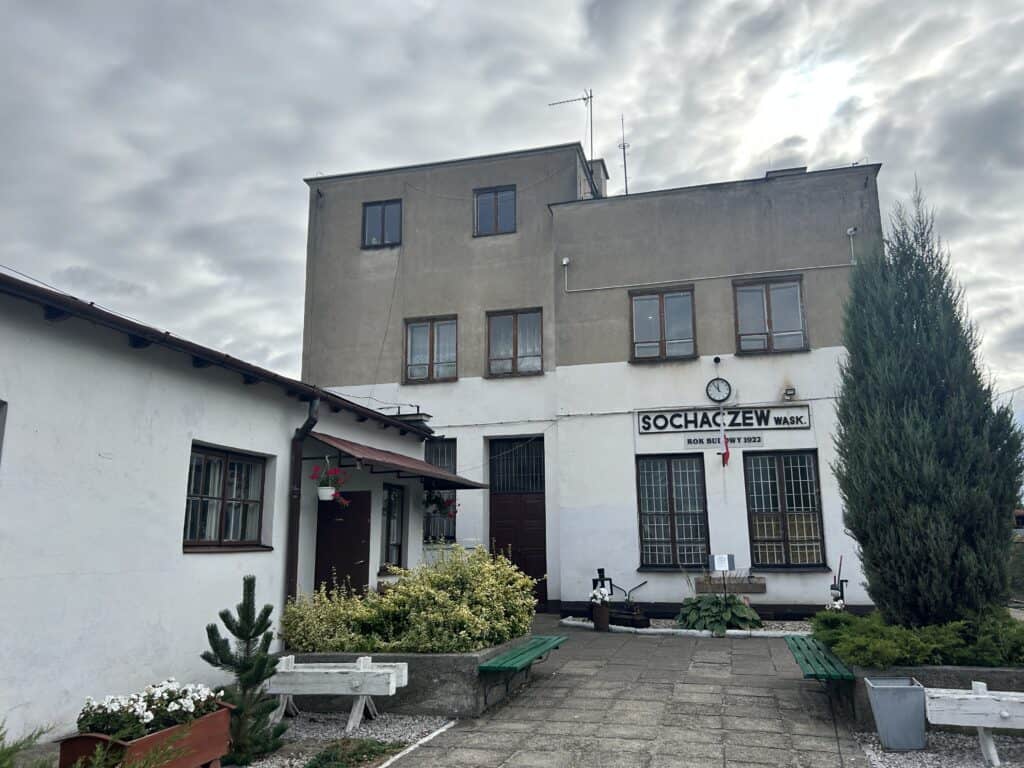
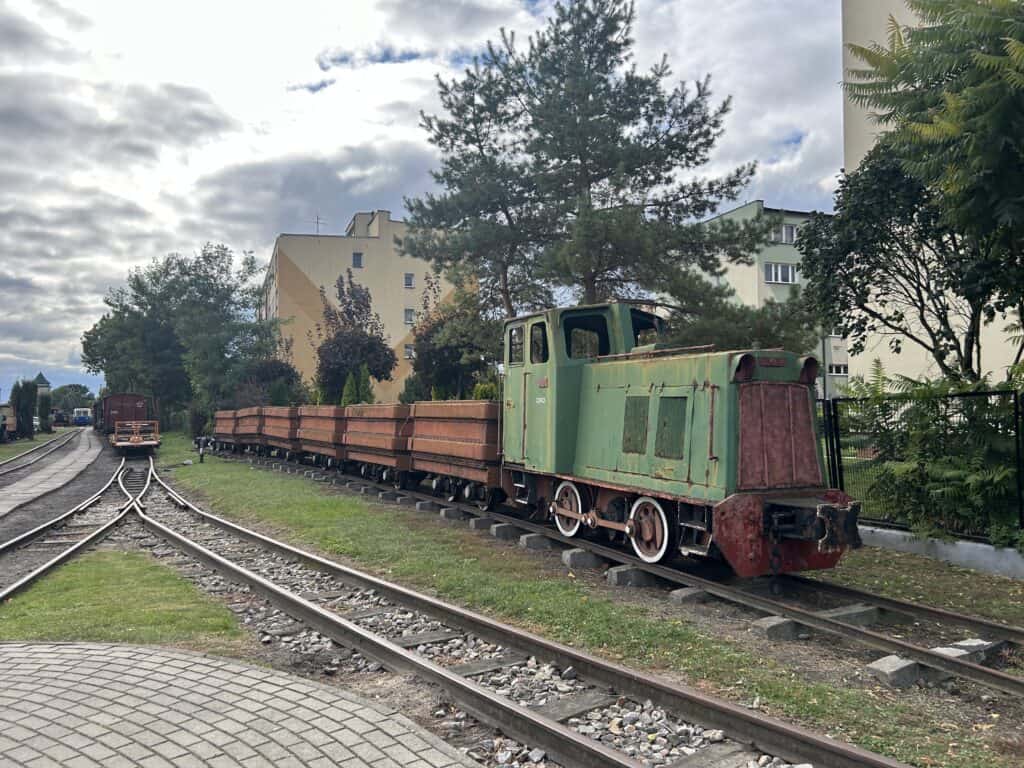
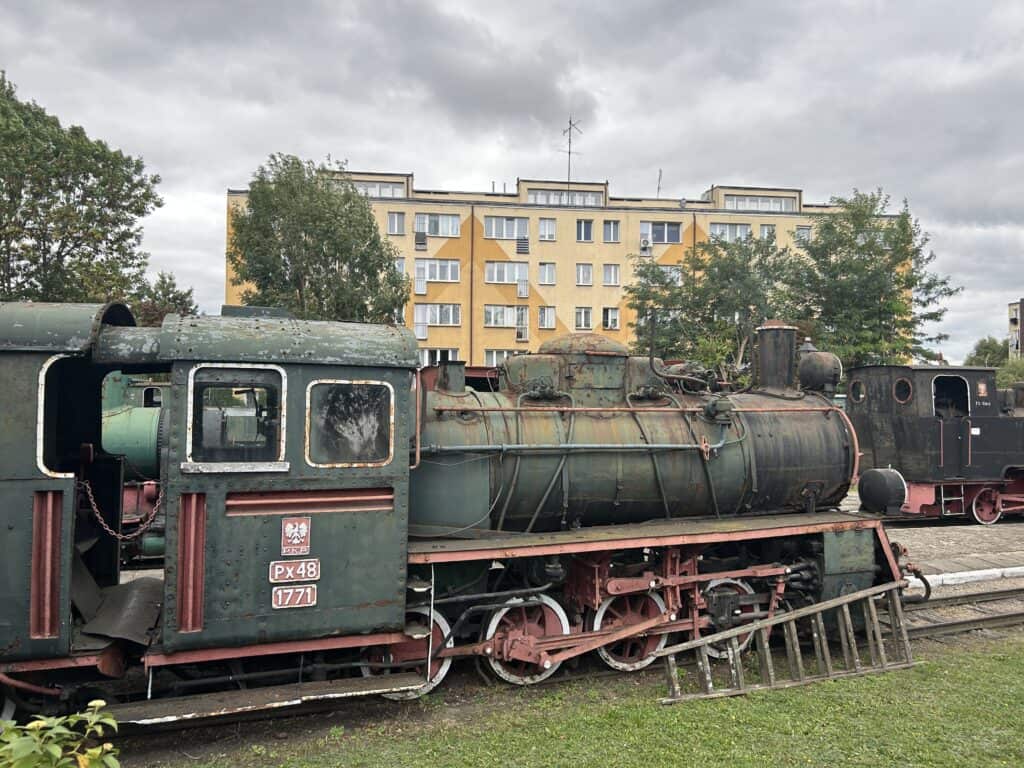
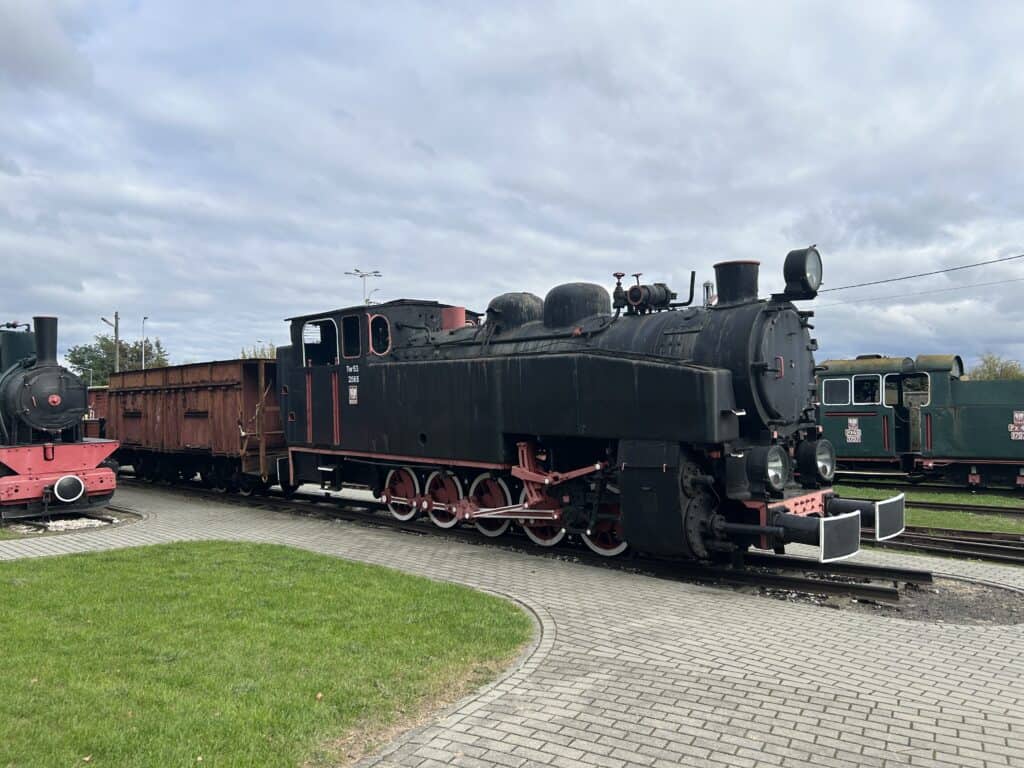
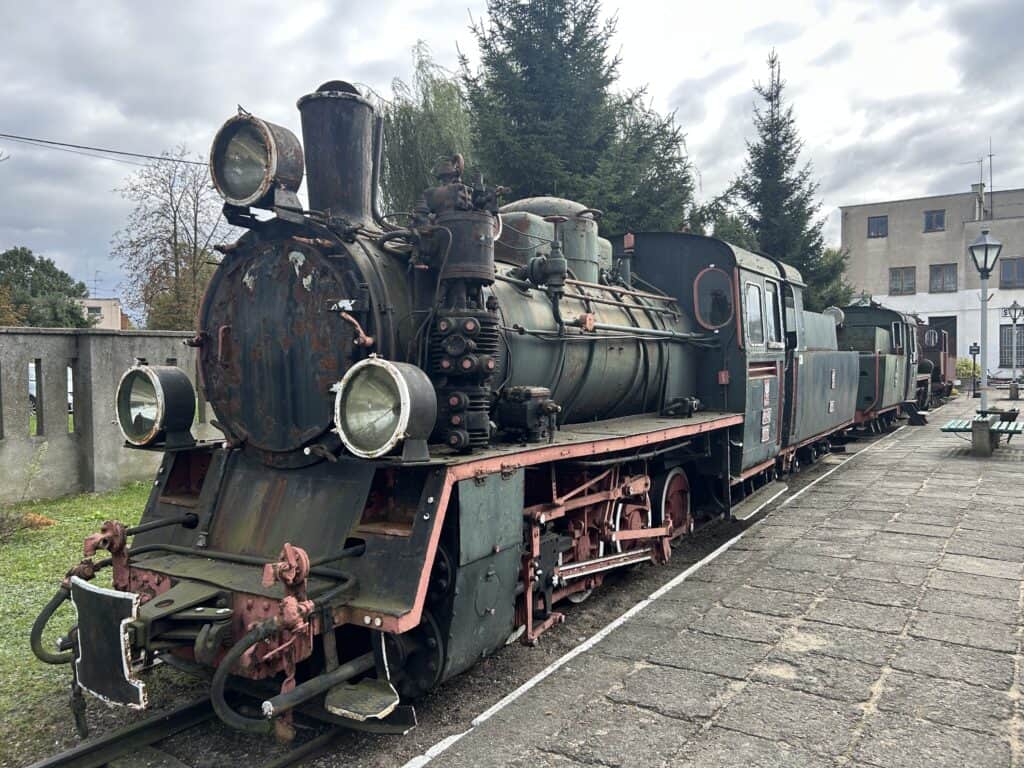
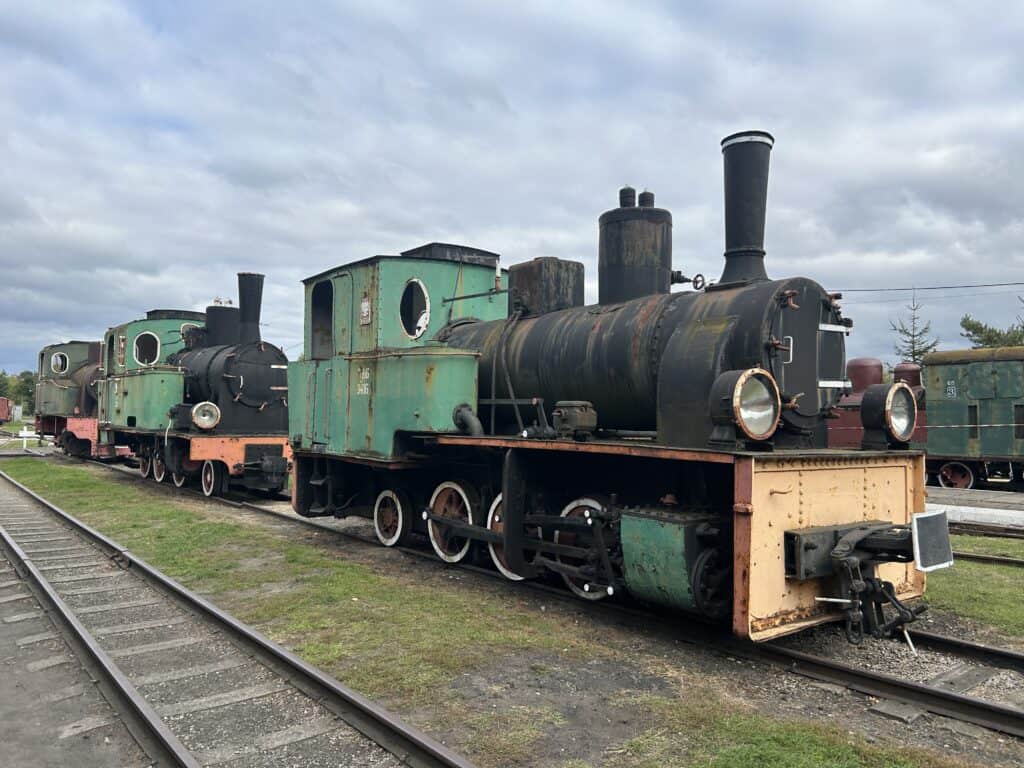
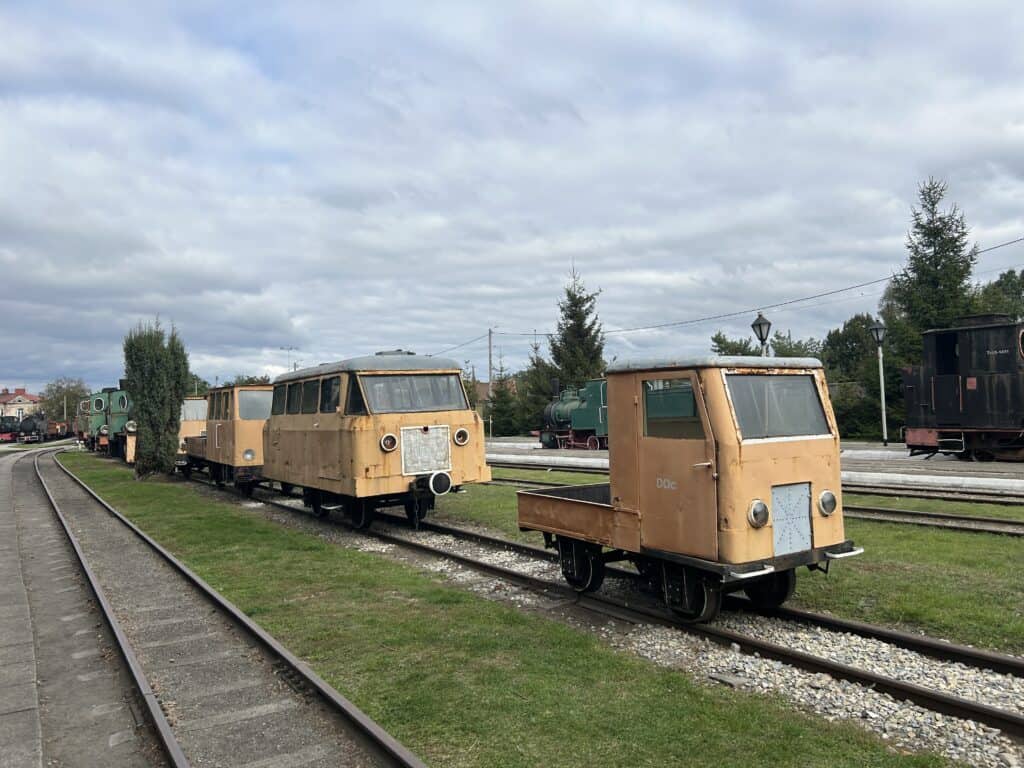
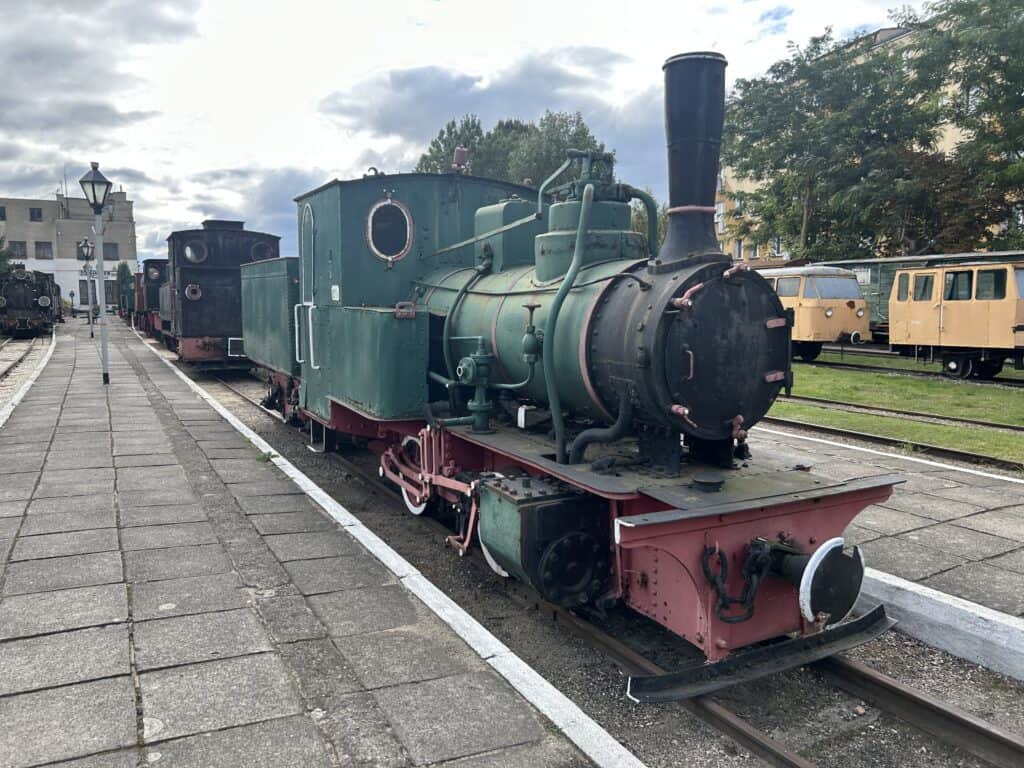
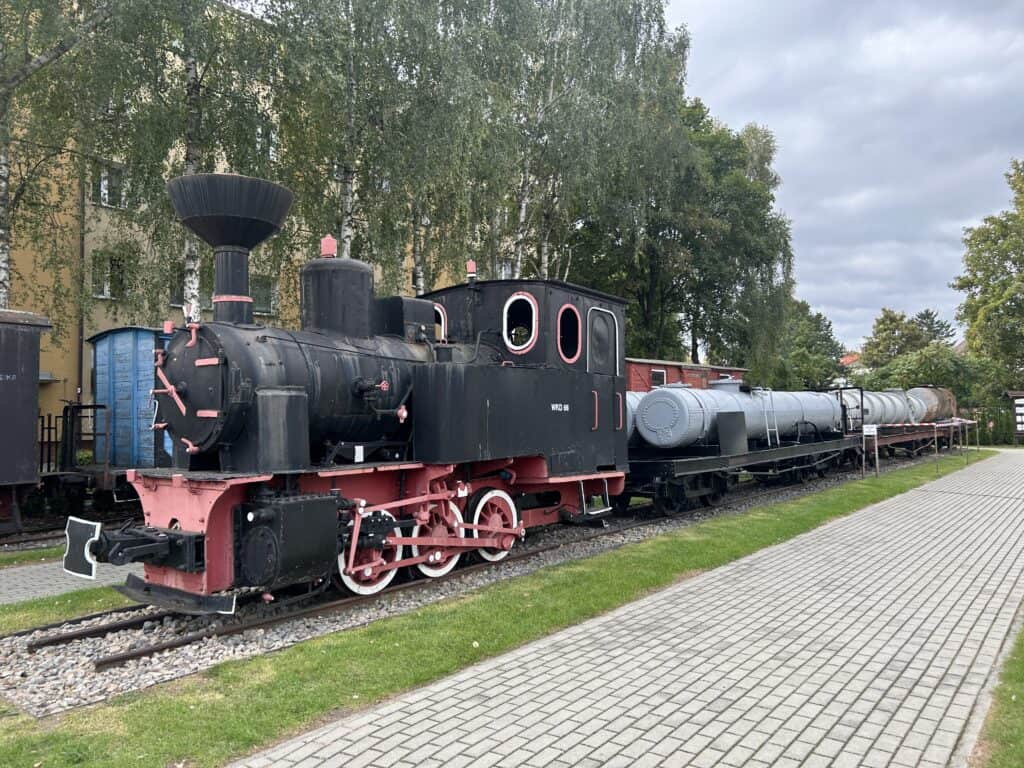
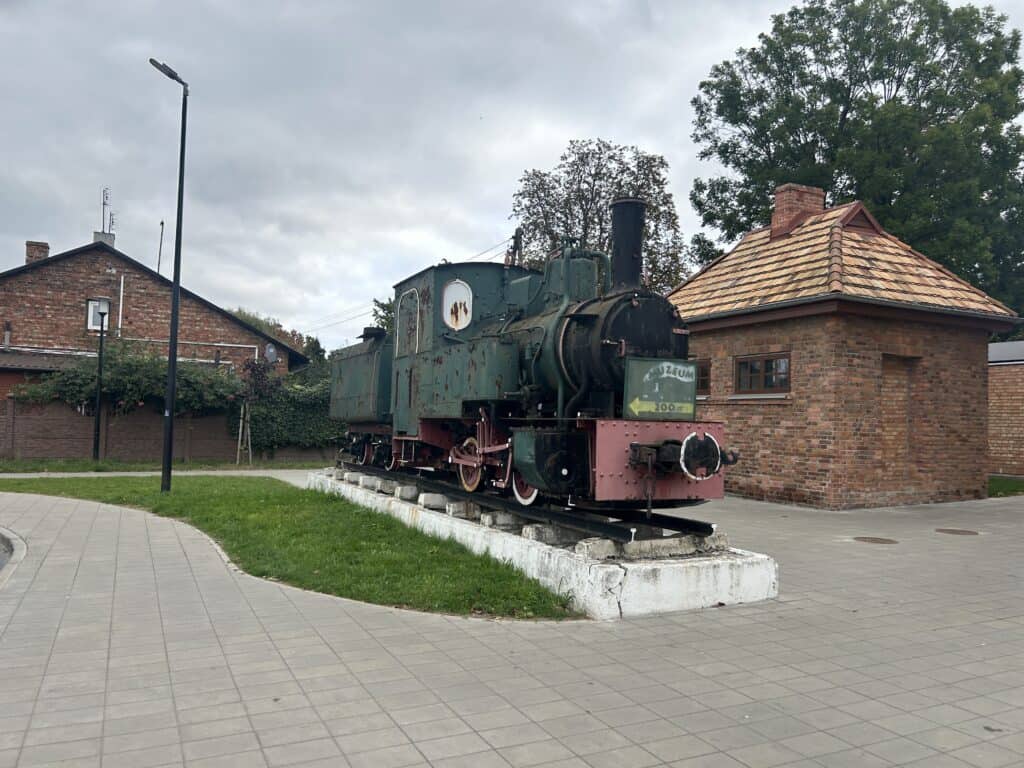
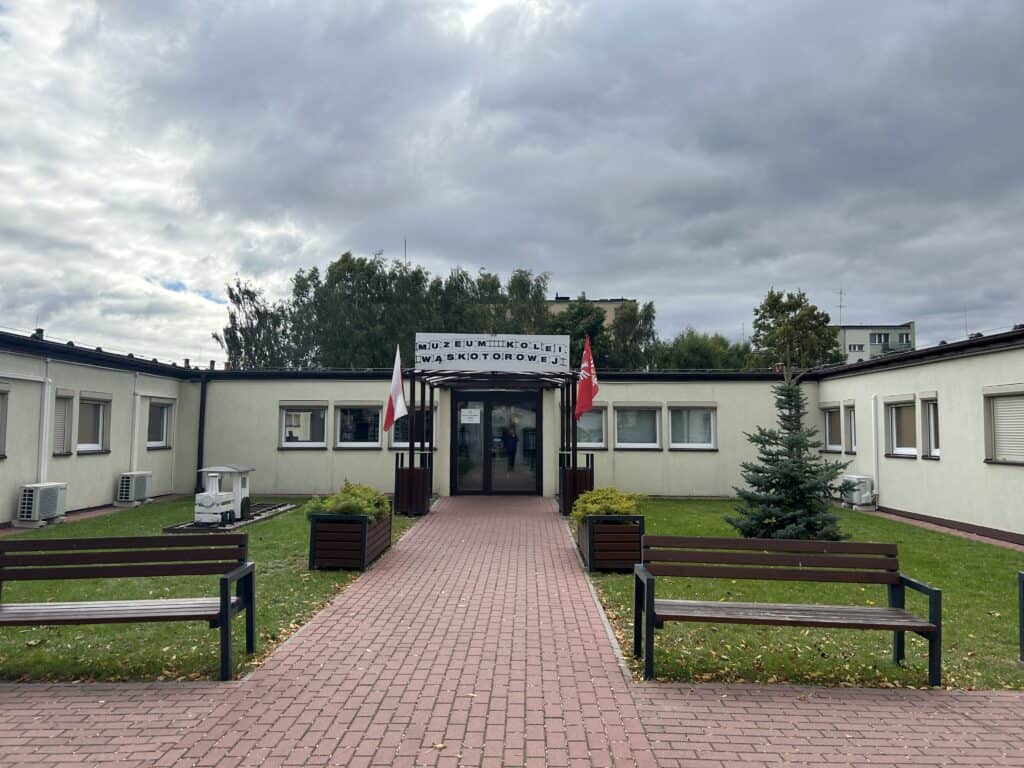
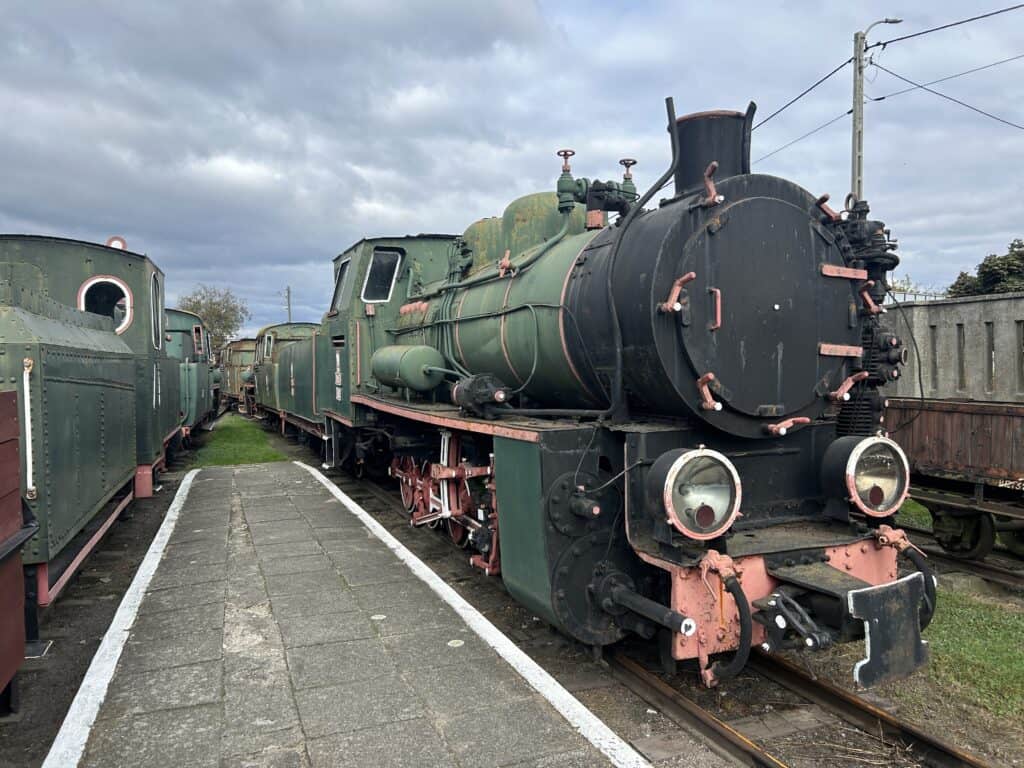
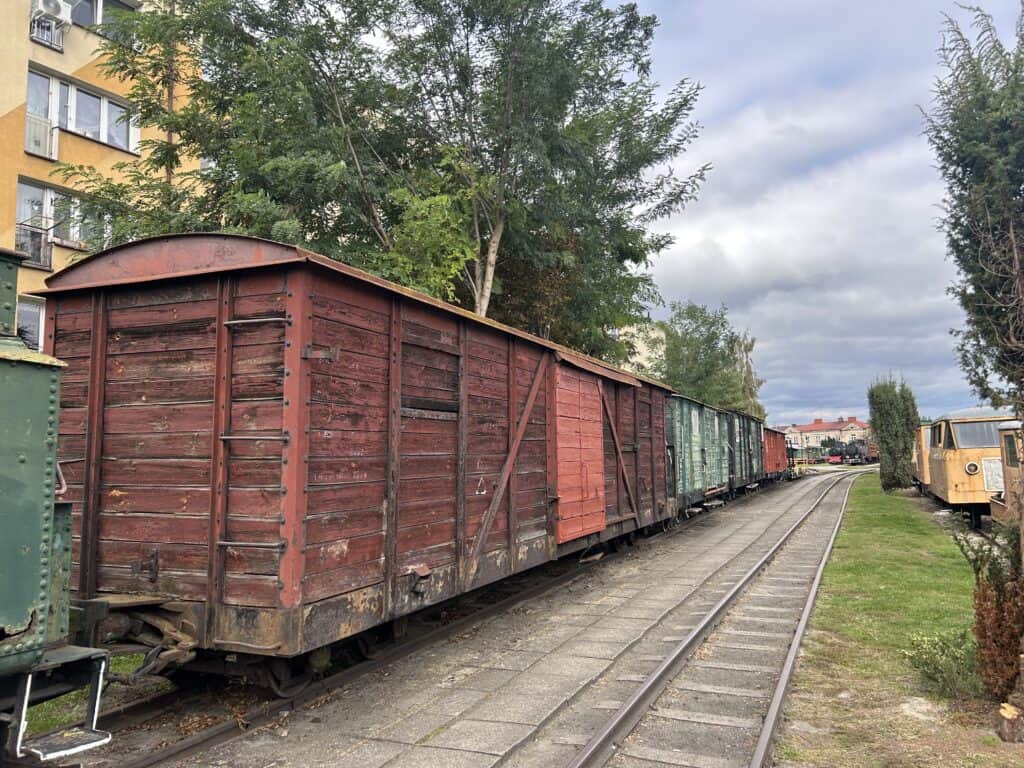
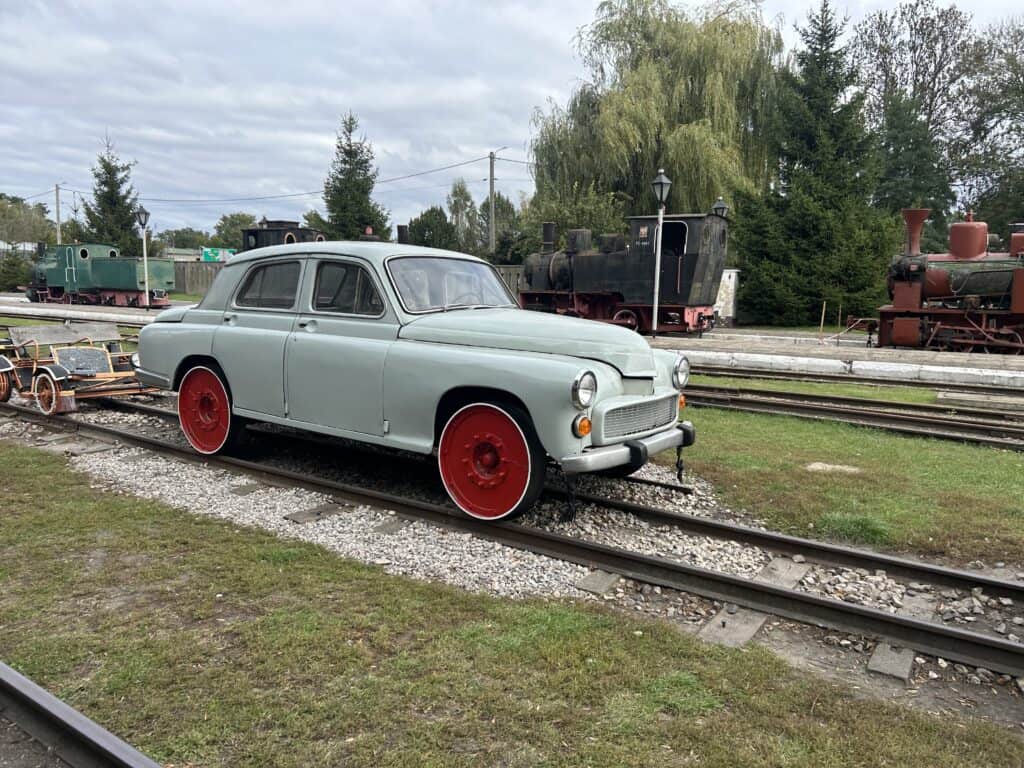
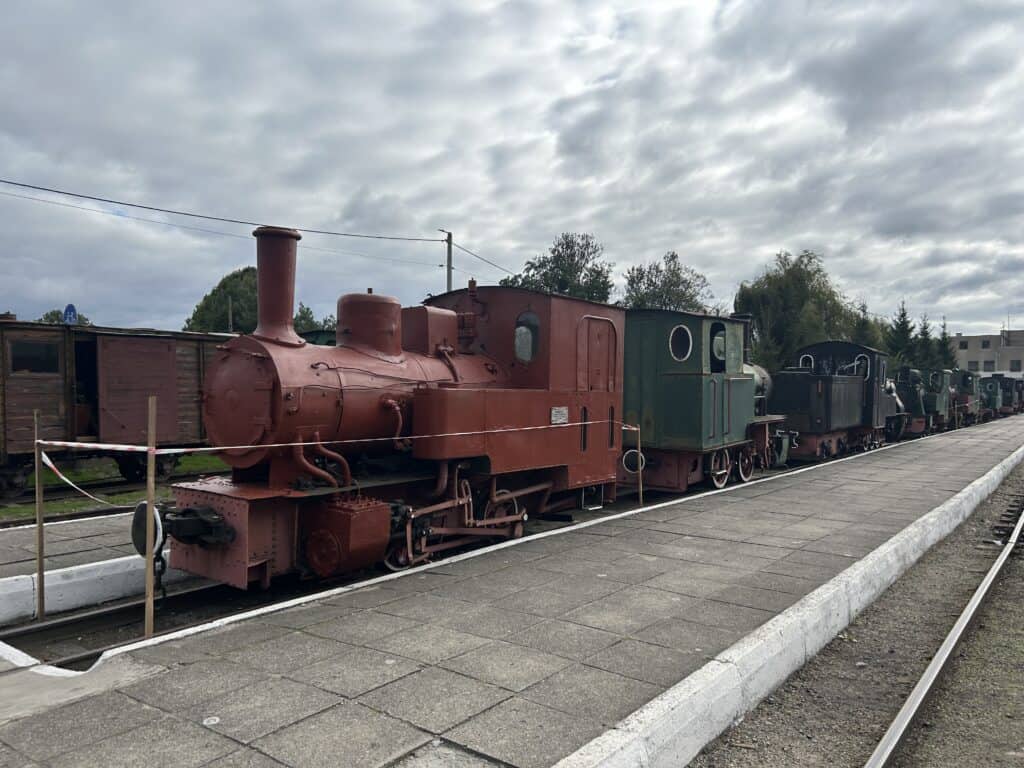
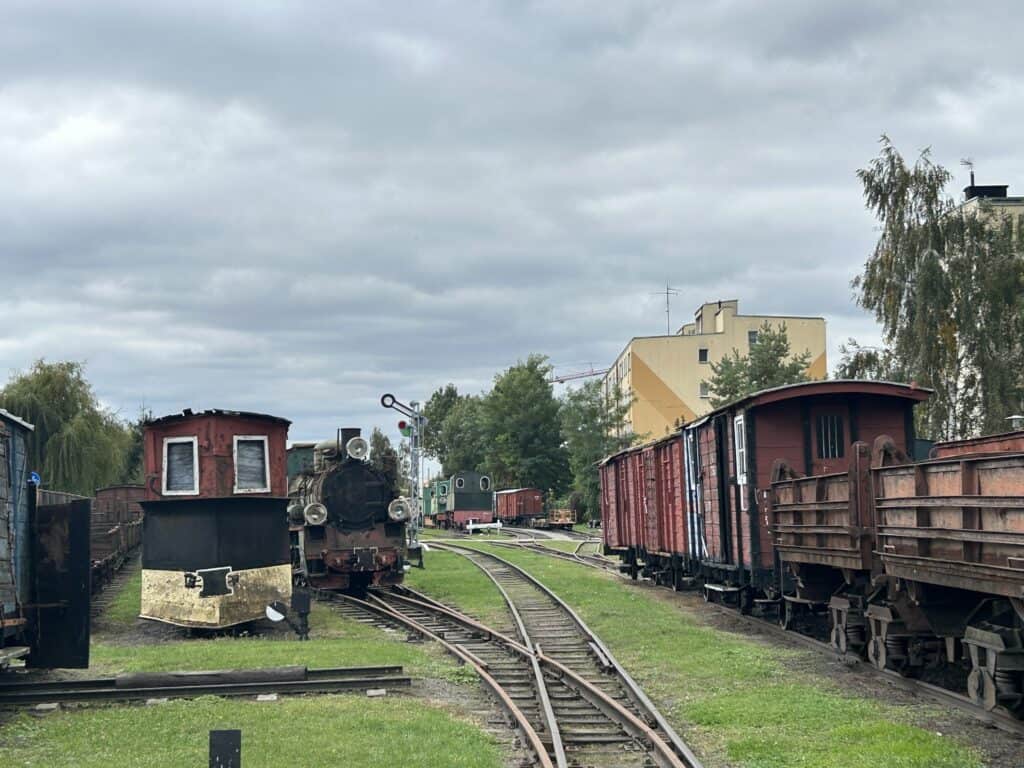
The Narrow-Gauge Railway Museum (Muzeum Kolei Wąskotorowej) is the premier attraction in Sochaczew and one of the most important railway museums in Europe. The museum is housed in the historic buildings of the former Sochaczew County Narrow-Gauge Railway. Its vast open-air collection features over 150 historic rolling stock items, including a huge array of steam locomotives, diesel engines, and various types of wagons. During the summer season, the museum operates a heritage train which takes visitors on a scenic journey through the countryside to the edge of the Kampinos National Park.
Ruins of the Dukes of Masovia’s Castle
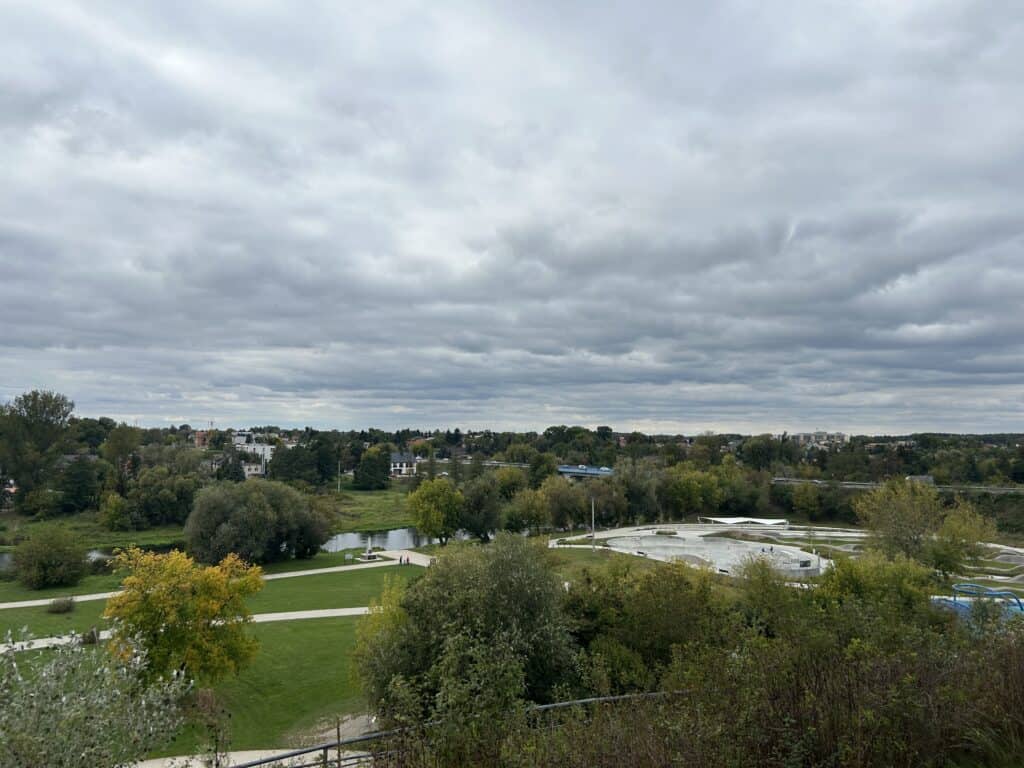
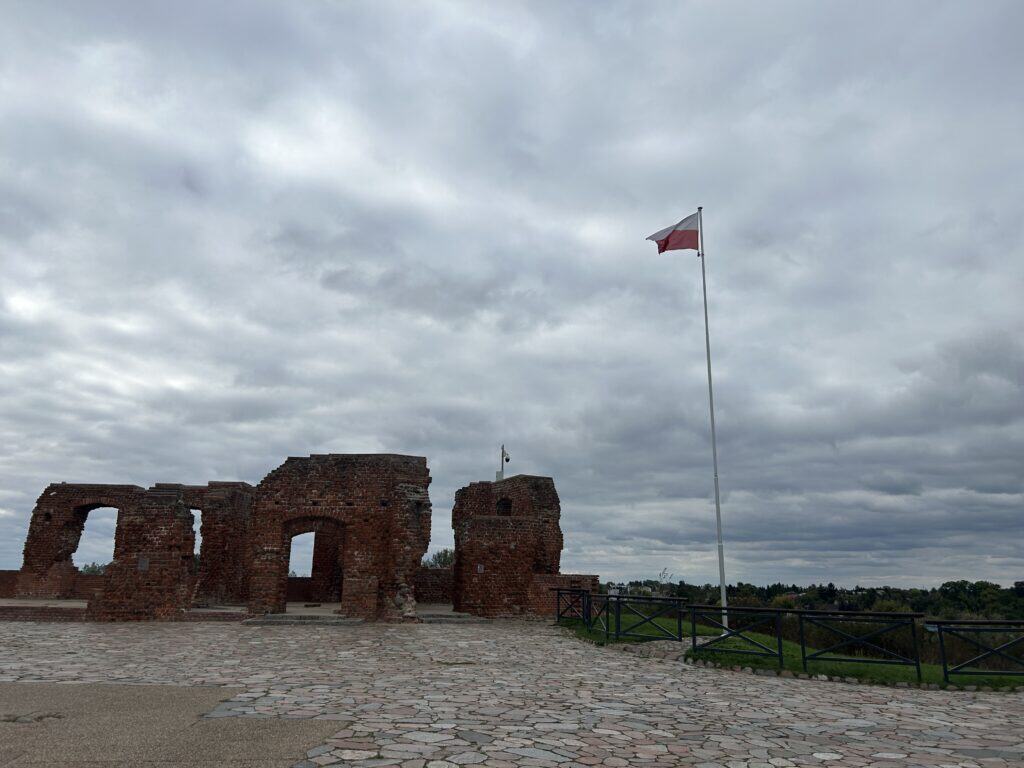
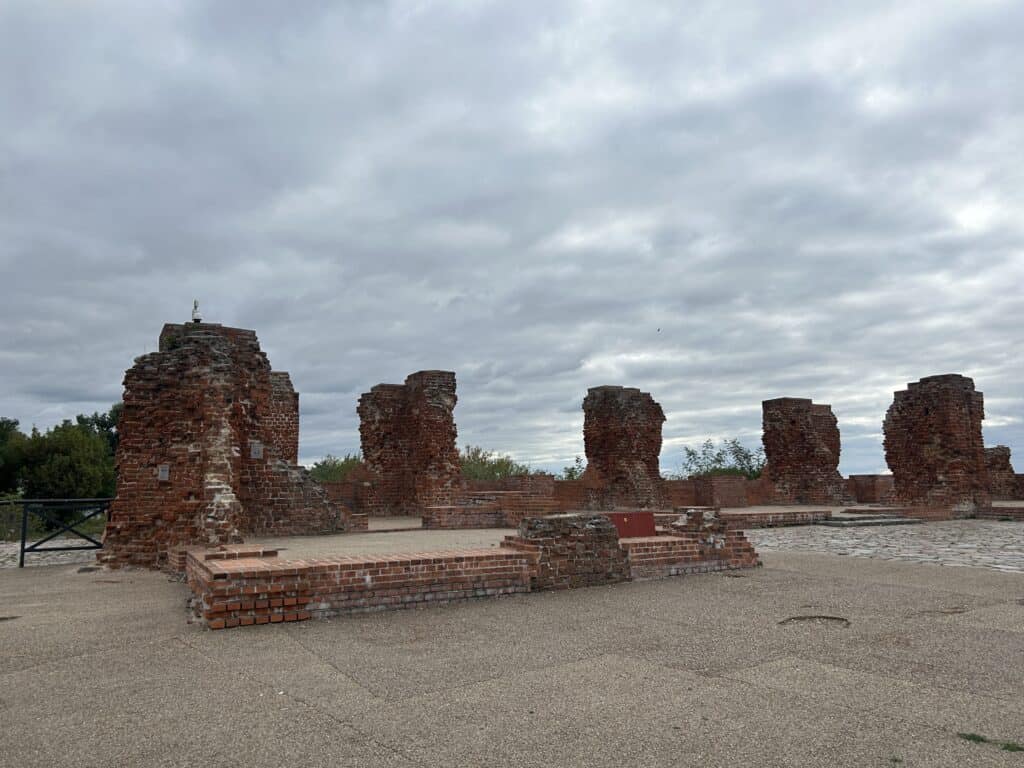
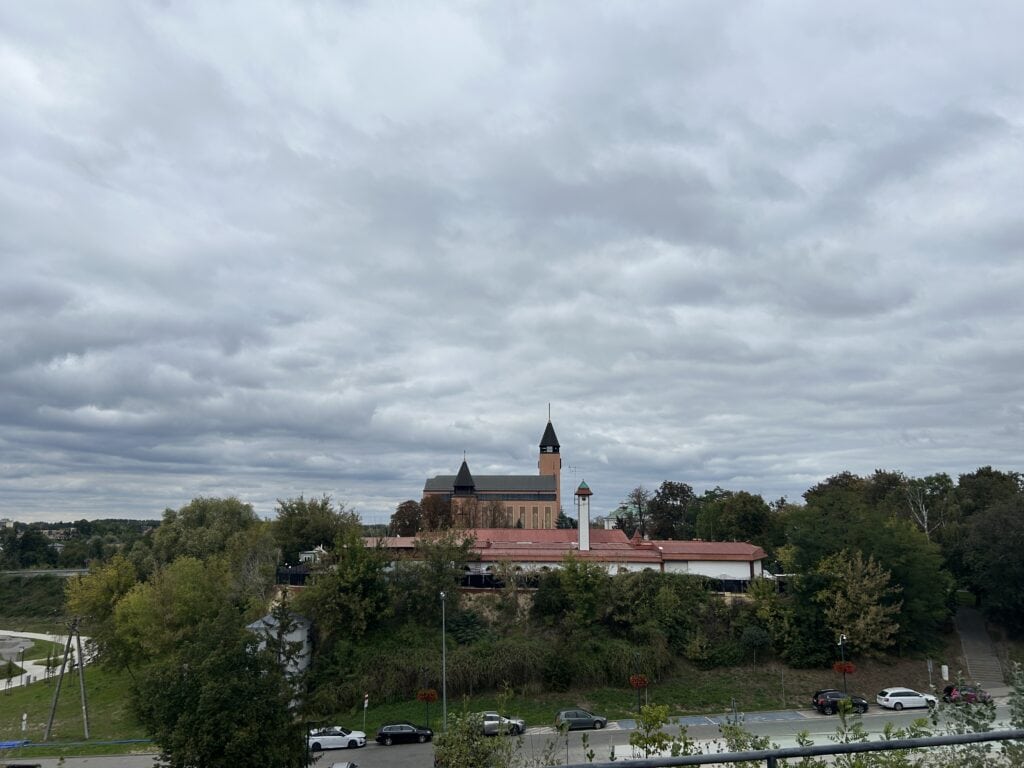
Perched on a prominent hill overlooking the Bzura river, the Ruins of the Dukes of Masovia’s Castle are the most visible symbol of Sochaczew’s ancient past. The original brick castle was built in the 14th century and served as a major political center for the region. After its destruction by the Swedes in 1655, it was never fully rebuilt. Today, the well-preserved ruins of the castle walls stand in a public park, offering panoramic views of the river valley. The Castle Hill is a popular spot for walks and serves as the venue for historical reenactments and outdoor events.
Battlefield of the Bzura Museum
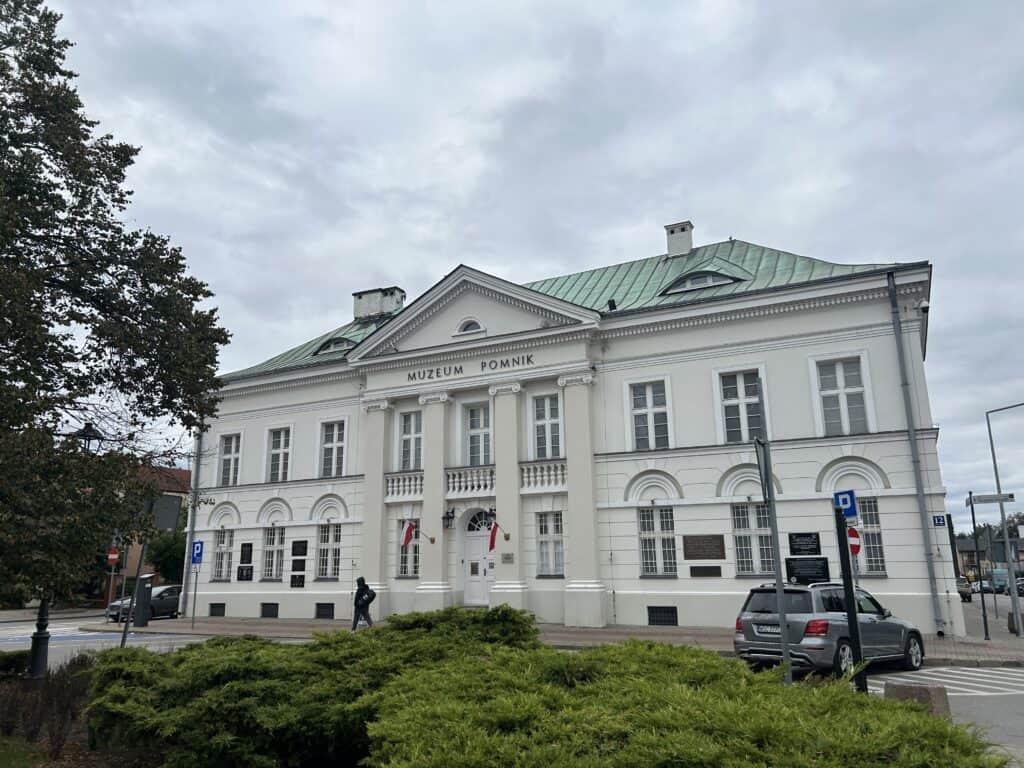
The Museum of the Sochaczew Land and the Battlefield of the Bzura is the town’s main historical museum. It is dedicated to two main themes: the rich archaeological heritage of the Sochaczew region, and the 1939 Battle of the Bzura. The military history section is particularly noteworthy, featuring a vast collection of weapons, uniforms, and equipment of the Polish and German soldiers who fought in the battle. In addition, the museum has an open-air exhibition of larger military equipment, including artillery pieces and vehicles.
Żelazowa Wola – Birthplace of Fryderyk Chopin
Just a few kilometers east of Sochaczew lies the village of Żelazowa Wola, the birthplace of the world-famous composer Fryderyk Chopin. The historic manor house where Chopin was born in 1810 is now a beautiful museum surrounded by a large, picturesque park. The interior of the manor is furnished in the style of the early 19th century, which evokes the atmosphere of the composer’s childhood. During the summer, piano recitals are held at the manor every Sunday, attracting music lovers from all over the world and making it an essential destination for anyone visiting the region.
The Old Town Square
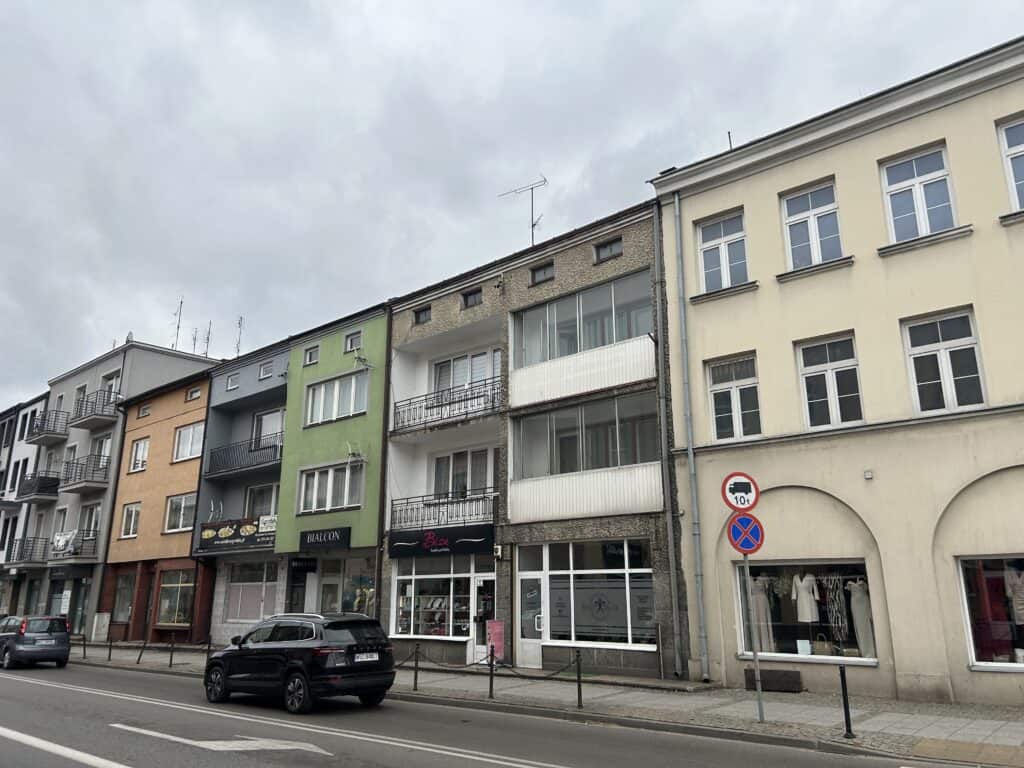
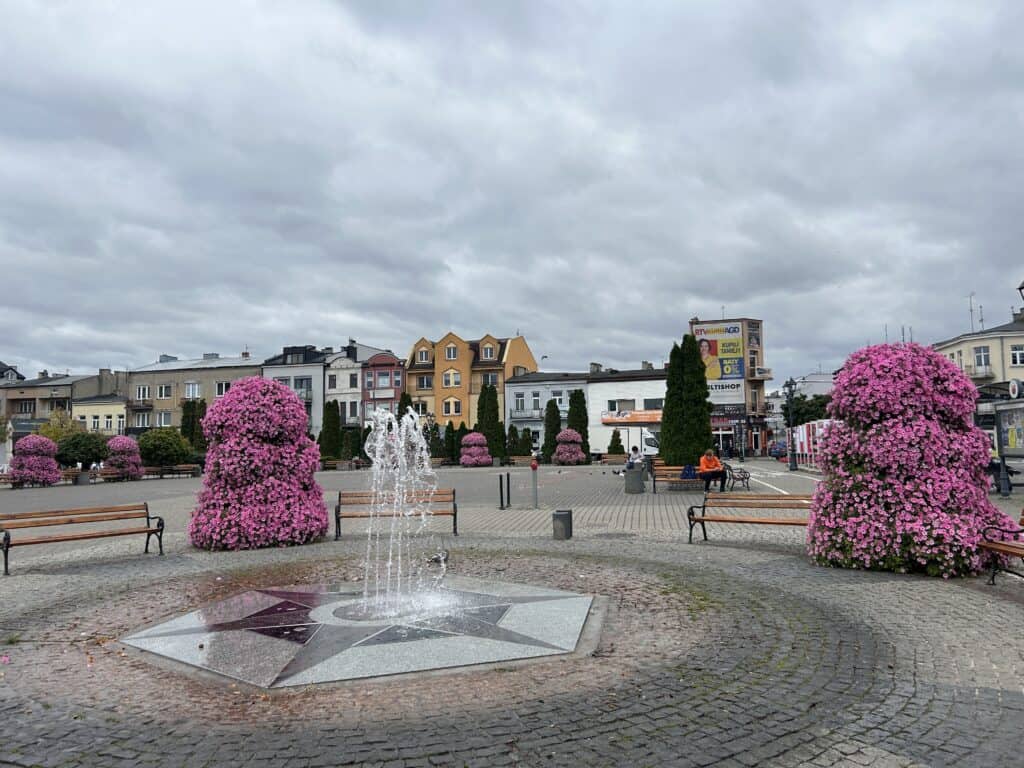
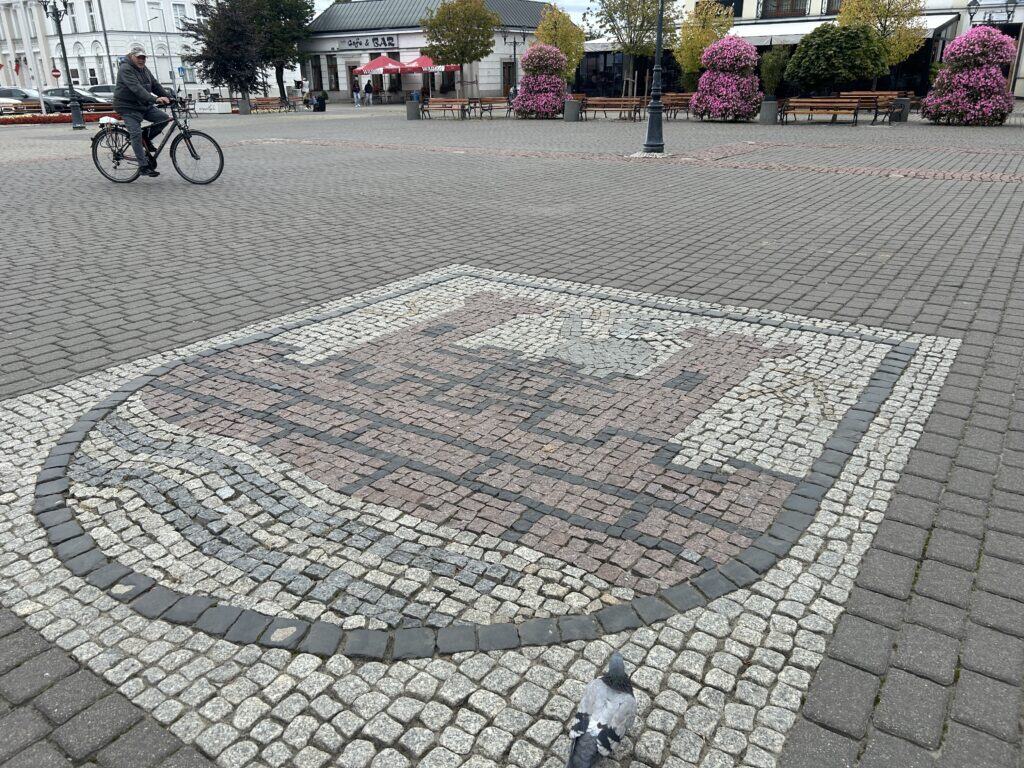
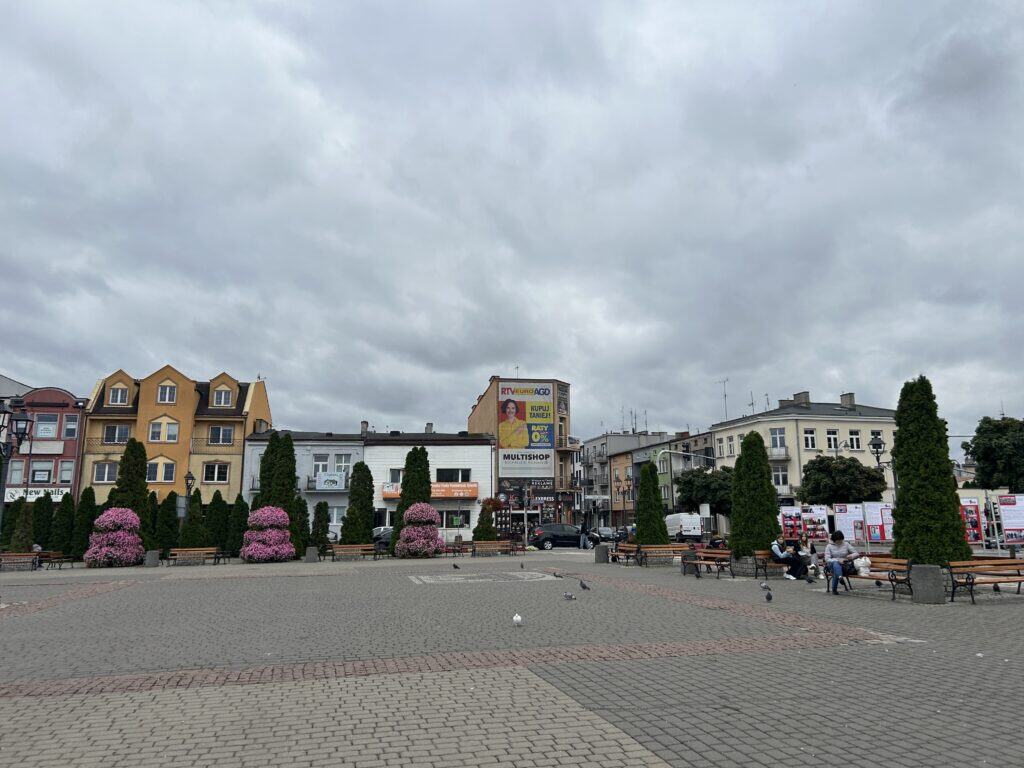
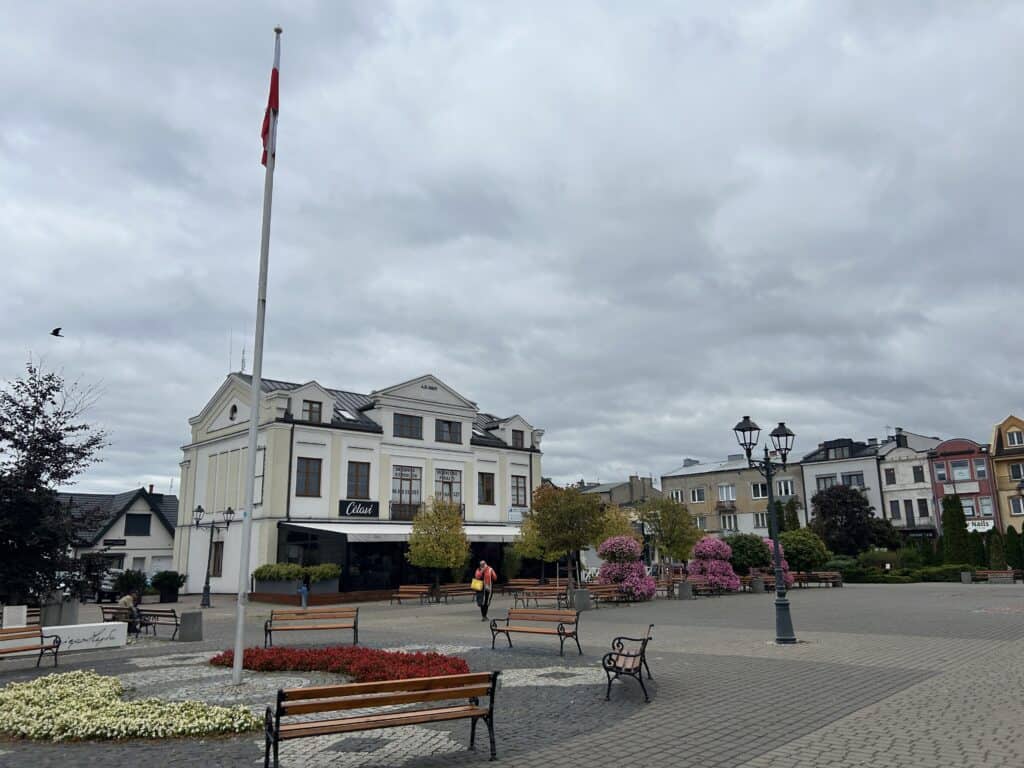
The main square in Sochaczew, Kościuszko Square, serves as the historic center of the town. Unlike the triangular square in nearby Łowicz, it has a more traditional rectangular shape, which is dominated by the imposing neoclassical Town Hall. The surrounding streets feature some preserved 19th-century buildings. These are now home to local shops and services. The square is the main hub of civic life in Sochaczew and a good starting point for a walk through the historic parts of the town.
St. Lawrence’s Parish Church
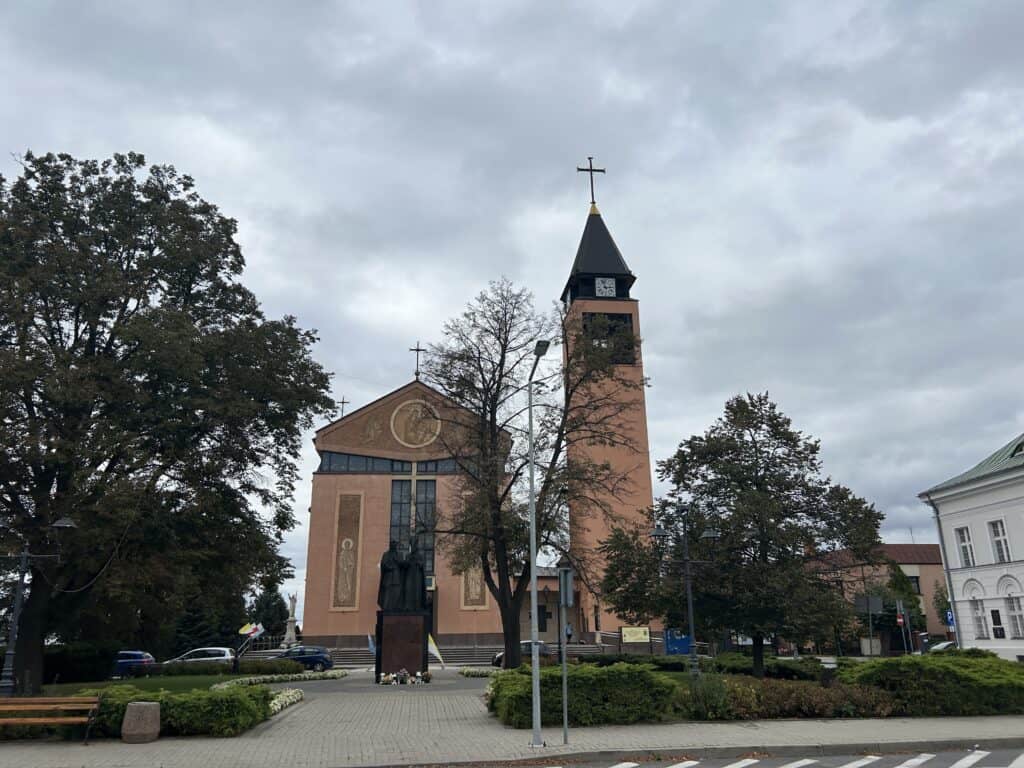
The Parish Church of St. Lawrence the Martyr is the oldest and most important church in Sochaczew. The church’s history dates back to the medieval period, but the current structure is a result of reconstruction after its destruction during the Swedish Deluge. Builders reconstructed it in the Baroque style and later gave it a classicist facade. The church was once again heavily damaged during the Battle of the Bzura in 1939 and rebuilt after the war. Today, it serves as the main parish church for the town and is a key historical landmark.
The Town Hall
The Town Hall (Ratusz) in Sochaczew is an impressive classical building that stands on Kościuszko Square. The renowned architect Fryderyk Adolf Schütz designed it, and construction took place between 1825 and 1828. A prominent four-columned portico and a central clock tower distinguish the building. For nearly two hundred years, it has served as the seat of the municipal government. The Town Hall stands as a symbol of the town’s efforts to rebuild and modernize in the period after the Napoleonic Wars.
The Bzura River Boulevards
The area along the banks of the Bzura river, especially at the foot of Castle Hill, has been developed into pleasant boulevards and recreational spaces. These paths are popular with local residents for walking, jogging, and cycling, making the river a key feature of the town’s identity and landscape. Furthermore, the boulevards offer beautiful views of the castle ruins and the surrounding nature. They are a central part of the town’s green infrastructure and have become a popular spot for relaxation and outdoor activity.
Kramnice Miejskie
The Kramnice Miejskie, or Old Market Halls, are a historic commercial building located just off the main town square. Built in the 19th century, these classicist halls were designed to provide a central and organized space for local trade and crafts. The building is a fine example of period commercial architecture. It continues to serve a commercial function today by housing various shops. The Kramnice are an important part of the town’s historical fabric and a reminder of its long tradition as a market town.
Historic Manor in Czerwonka-Parcel
On the outskirts of Sochaczew, in Czerwonka-Parcel, stands a historic manor house complex from the 19th century. This classical manor, surrounded by the remains of a park, is a well-preserved example of the noble residences that were once common in the Mazovian countryside. It provides a glimpse into the lifestyle of the Polish gentry in the period after the Partitions. While the manor now serves as an educational facility, its architecture and setting are of significant historical interest.
Sports in Sochaczew
Sochaczew has a proud and active sports community with a particularly strong tradition in rugby, making it one of the key centers for the sport in Poland. The town’s sporting life is driven by its local clubs. These clubs have deep roots in the community and inspire great local passion, especially in football and rugby. They are supported by a good public infrastructure managed by the Municipal Sports and Recreation Center (MOSİ). This combination of a strong club tradition and public support makes sport an important part of Sochaczew’s identity.
Orkan Sochaczew (Rugby)
Rugby Club Orkan Sochaczew is the town’s most famous and successful sports team. Founded in 1971, the club is a powerhouse in Polish rugby, regularly competing in the top tier of the national league, the Ekstraliga. Orkan has won the Polish Championship and the Polish Cup multiple times. This makes it one of the most decorated rugby clubs in the country. The team’s home games at the local stadium are major events that draw large and enthusiastic crowds, cementing Sochaczew’s reputation as a ”rugby town.”
Bzura Chodaków (Football)
Robotniczy Klub Sportowy Bzura Chodaków is a local football club with a long and rich history. Organizers founded the club in 1923, and it is associated with the Chodaków neighborhood of Sochaczew. For decades, Bzura has been a key institution in the local football scene, competing in the regional leagues. The club has a strong community focus and runs numerous youth teams. As a result, it plays an important role in the development of young athletes in the town and represents the deep, working-class sporting traditions of the area.
MOSiR Stadium
The main stadium in Sochaczew is managed by the Miejski Ośrodek Sportu i Rekreacji (MOSiR) and serves as the central arena for the town’s sporting life. It is a multi-purpose facility, but it is primarily used for the rugby and football matches of the town’s main clubs. The stadium is the home ground for both the Orkan Sochaczew rugby team and the Bzura Chodaków football team. With a capacity for a few thousand spectators, the stadium is the venue for the town’s most important sporting events and a hub of community activity on match days.
Unia Boryszew (Football)
Klub Sportowy Unia Boryszew is another local football club based in the Boryszew neighborhood of Sochaczew. The club has its own local following and competes in the regional leagues, often maintaining a friendly rivalry with Bzura Chodaków. The presence of multiple local football clubs like Unia and Bzura highlights the deep passion for the sport within the community. In addition, these clubs are essential for the grassroots level of the sport by providing important opportunities for local players to compete.
Sochaczewskie Centrum Sportów Walki (Martial Arts)
The Sochaczewskie Centrum Sportów Walki is a prominent club that brings together athletes from various combat sports disciplines. The center provides professional training in sports like boxing, kickboxing, and mixed martial arts (MMA). It has gained a strong reputation, with its fighters achieving success in national competitions. The club is an important part of the local sports scene. It offers a modern and dynamic outlet for athletes interested in martial arts and diversifies the town’s sporting offer.
Getting Around in Sochaczew
Navigating Sochaczew is relatively simple, as the town’s main points of interest are concentrated in a compact central area that is easily explorable on foot. This makes for a pleasant and leisurely sightseeing experience, especially around the main square and castle hill. For destinations that are further apart, such as the Narrow-Gauge Railway Museum, a local bus system serves the town. The surrounding flat terrain also makes cycling a viable and enjoyable option for getting around and exploring the scenic riverbanks.
Exploring the Town Center on Foot
The most practical and enjoyable way to see the historic heart of Sochaczew is by walking, as the area from Kościuszko Square to the Castle Hill is a compact zone. A walking tour allows visitors to easily move between the main sights while appreciating the atmosphere of this historic town. Most of the key landmarks are located within a 1-2 kilometer radius. Therefore, a car is generally unnecessary for exploring the center, and visitors can take their time discovering the area.
The Local Bus System
Sochaczew operates a local public bus system, Zakład Komunikacji Miejskiej (ZKM), which connects the town center with the main residential neighborhoods and railway stations. The buses are useful for traveling to destinations on the outskirts of the town, such as the Narrow-Gauge Railway Museum, located a few kilometers from the center. The bus network provides a reliable and affordable way to get around the wider town area for those who prefer not to walk or are without a car.
Cycling along the Bzura River
The area around Sochaczew is well-suited for cycling due to its relatively flat landscape and scenic river valleys. In recent years, the town has been developing its network of bike paths, particularly along the banks of the Bzura river. These routes provide a safe and pleasant way to explore the town’s green areas. Cycling is also a popular way to reach nearby attractions in the countryside, such as the Kampinos National Park or Żelazowa Wola, combining sightseeing with healthy activity.
How to Get to Sochaczew?
Sochaczew is conveniently located in central Poland, making it very easy to reach from Warsaw and other major cities since it lies on a key east-west transport corridor. The town is served by a major railway line and national roads. Its proximity to the capital makes it an easily accessible destination for a day trip. Whether traveling by train, car, or bus, getting to Sochaczew is generally fast and straightforward, with excellent transport links connecting it to the rest of the country.
Access via Warsaw’s Airports
The most convenient airport for reaching Sochaczew is Warsaw Chopin Airport (WAW). From the airport, travelers can take a suburban train to Warszawa Zachodnia (Warsaw West Station) and then transfer to a direct regional train to Sochaczew, with a total journey time of just over an hour. Alternatively, Warsaw Modlin Airport (WMI) is also an option. From Modlin, one would typically take a shuttle bus to Warsaw and then connect to a train to Sochaczew.
Rail Connections on the Warsaw-Kutno Line
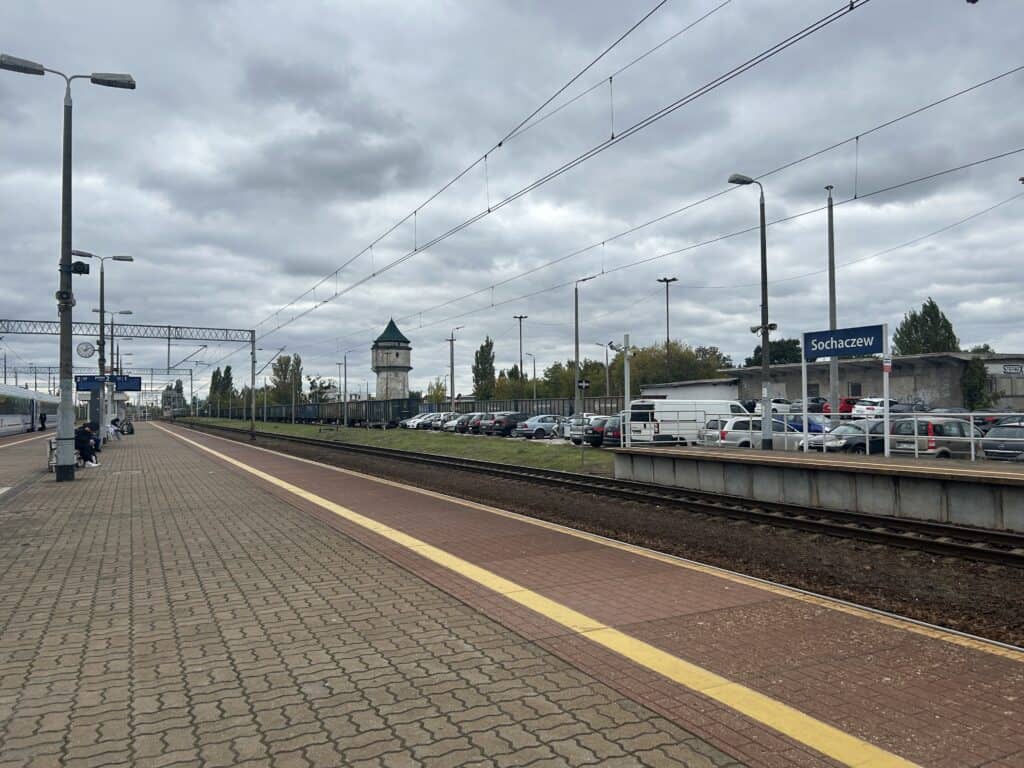
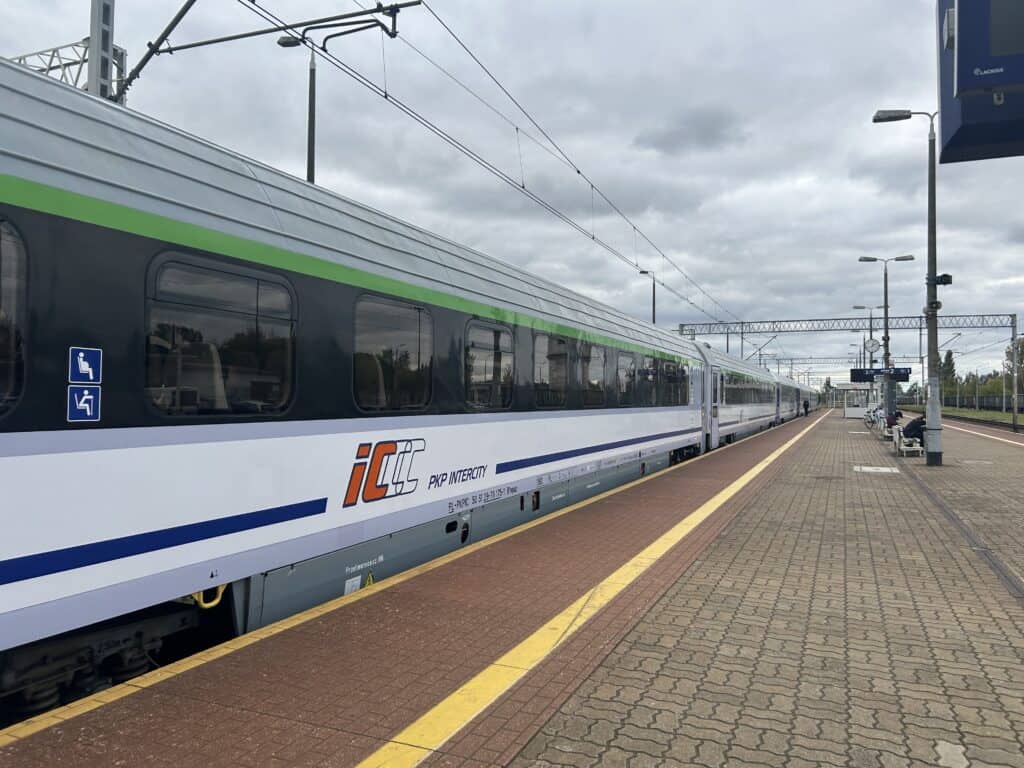
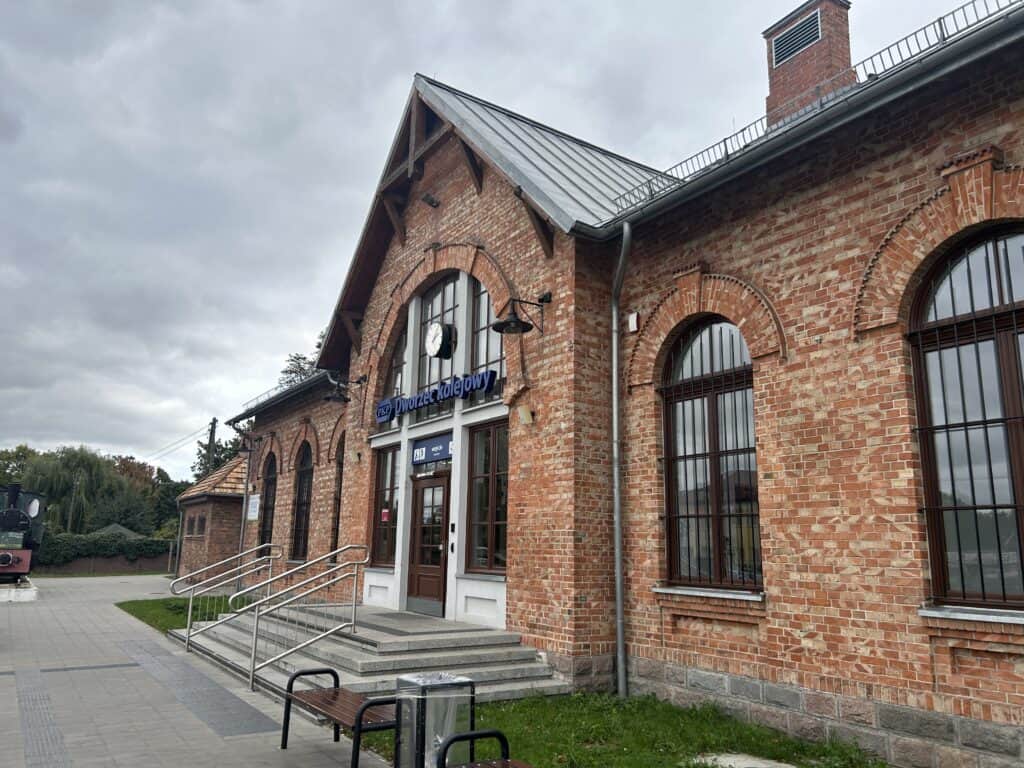
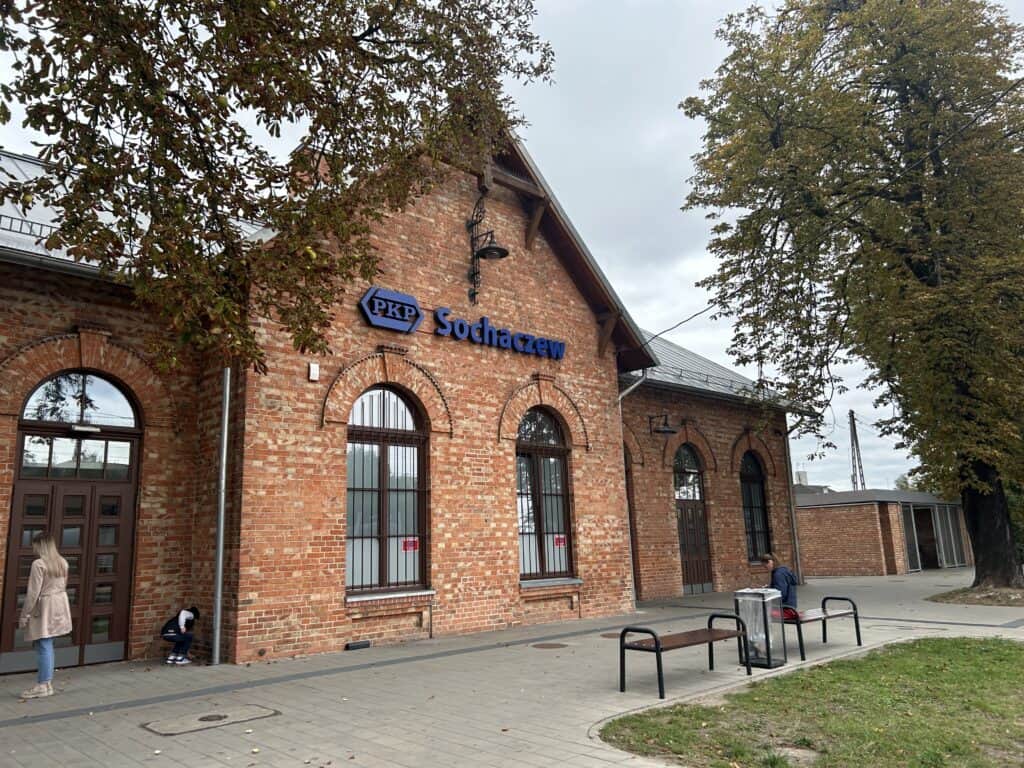
Sochaczew is situated on the important railway line that connects Warsaw with Kutno, Poznań, and ultimately Berlin, so it is extremely well-served by trains. Frequent regional trains operated by Koleje Mazowieckie provide a direct and reliable connection to Warsaw’s central stations in approximately 1 hour. Several long-distance intercity trains also stop in Sochaczew. Consequently, arriving by train is one of the easiest and most popular ways to get to the town from almost anywhere in Poland.
Driving to Sochaczew via National Road 92
Sochaczew is located directly on National Road 92 (DK92), which is the old main road connecting Warsaw and Poznań and runs parallel to the A2 motorway. While the motorway offers a faster transit route across Poland, the DK92 provides direct, toll-free access to the town center. Sochaczew is located about 50 kilometers west of Warsaw, and the drive typically takes around an hour, depending on traffic. The town is also a junction for other regional roads, connecting it with Łowicz and Skierniewice.
Regional and National Bus Services
The bus station in Sochaczew is served by a network of regional and national bus operators that provide frequent connections to Warsaw and many smaller local towns. While the train is generally faster for travel to and from the capital, buses can be a convenient option for exploring the local region, especially for reaching villages that lack direct rail access. Long-distance services also connect Sochaczew with other cities across Poland, offering a budget-friendly alternative to rail travel.
Connecting from the Baltic Coast
For travelers starting their journey in the port cities of Gdańsk or Gdynia, Sochaczew can be reached by both car and train. By car, the journey involves taking the A1 and A2 motorways and takes approximately 3.5 hours. By train, the most common route is to take a fast express train to Warsaw. From there, passengers can transfer to a frequent regional train to Sochaczew. This combination of rail services provides a comfortable and efficient way to travel from the north of Poland.
Driving Distances
The driving distance from 20 regional cities, according to Google Maps:
- Błonie, Poland – 20 kilometers (0 h 25 min)
- Łowicz, Poland – 23 kilometers (0 h 25 min)
- Żyrardów, Poland – 24 kilometers (0 h 30 min)
- Grodzisk Mazowiecki, Poland – 27 kilometers (0 h 30 min)
- Skierniewice, Poland – 30 kilometers (0 h 35 min)
- Warsaw, Poland – 55 kilometers (1 h 00 min)
- Płock, Poland – 60 kilometers (1 h 00 min)
- Łódź, Poland – 80 kilometers (1 h 10 min)
- Toruń, Poland – 165 kilometers (1 h 50 min)
- Poznań, Poland – 255 kilometers (2 h 30 min)
- Kaliningrad, Russia – 290 kilometers (4 h 20 min)
- Berlin, Germany – 505 kilometers (4 h 50 min)
- Bratislava, Slovakia – 530 kilometers (5 h 30 min)
- Vilnius, Lithuania – 530 kilometers (6 h 30 min)
- Prague, Czechia – 535 kilometers (5 h 30 min)
- Vienna, Austria – 635 kilometers (6 h 10 min)
- Budapest, Hungary – 810 kilometers (7 h 20 min)
- Copenhagen, Denmark – 950 kilometers (9 h 40 min)
- Amsterdam, Netherlands – 1135 kilometers (11 h 00 min)
- Milan, Italy – 1390 kilometers (14 h 00 min)
Looking to Explore more of Poland and Europe?


