Hello Kitty Shinkansen to the Atomic Bomb Dome | East Asia Winter Exploration 2025/26 [5/8]
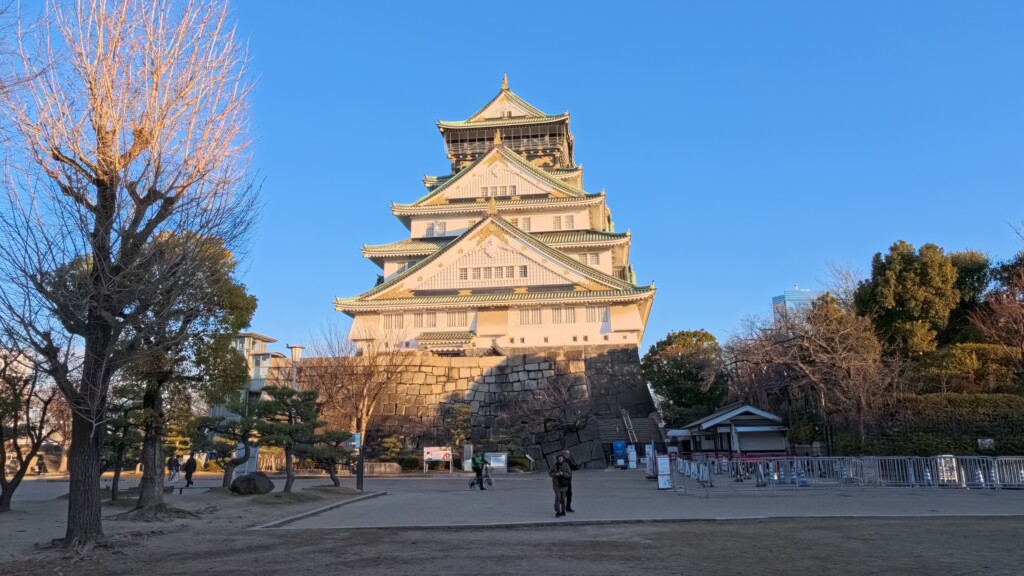
Waking up in Osaka on the first morning of 2026, the absolute, surprising stillness of the previous night quickly gave way to the practical reality of moving on. The Kansai region had provided a fantastic base for exploring the grand temples of Kyoto and the bustling street food scenes of Osaka, but it was time to pack up our growing collection of luggage and head further west. Our itinerary for the first two days of the year would take us down the Sanyo Shinkansen line to Hiroshima, a city that carries an immense, globally recognized historical weight.
The journey to Hiroshima would end up perfectly representing the extreme duality of travel in Japan. On one hand, we were preparing to board one of the most uniquely themed, lighthearted trains in the world, an experience Little A had anticipated for months. On the other hand, our final destination was a city forever defined by a single, catastrophic morning in 1945. Balancing these two profoundly different experiences in a single day—all while navigating the logistical realities of family travel, from finding a decent dinner to figuring out local transit—required a distinct shift in mindset as we left our apartment and headed for the station.

Riding the Hello Kitty Shinkansen
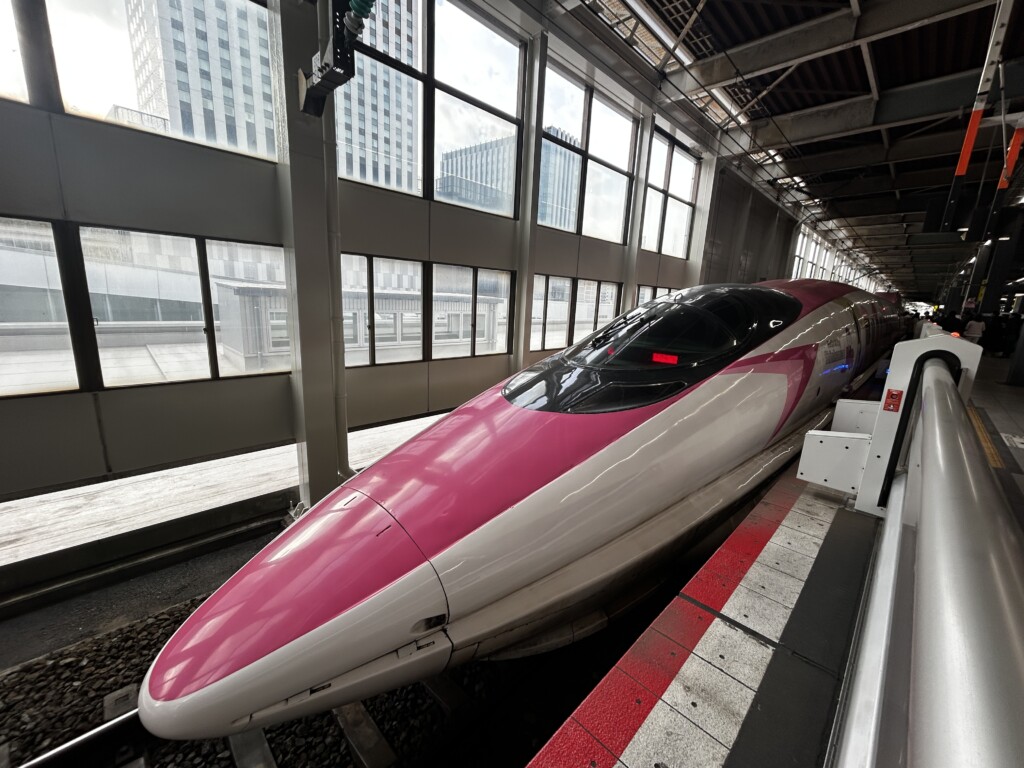
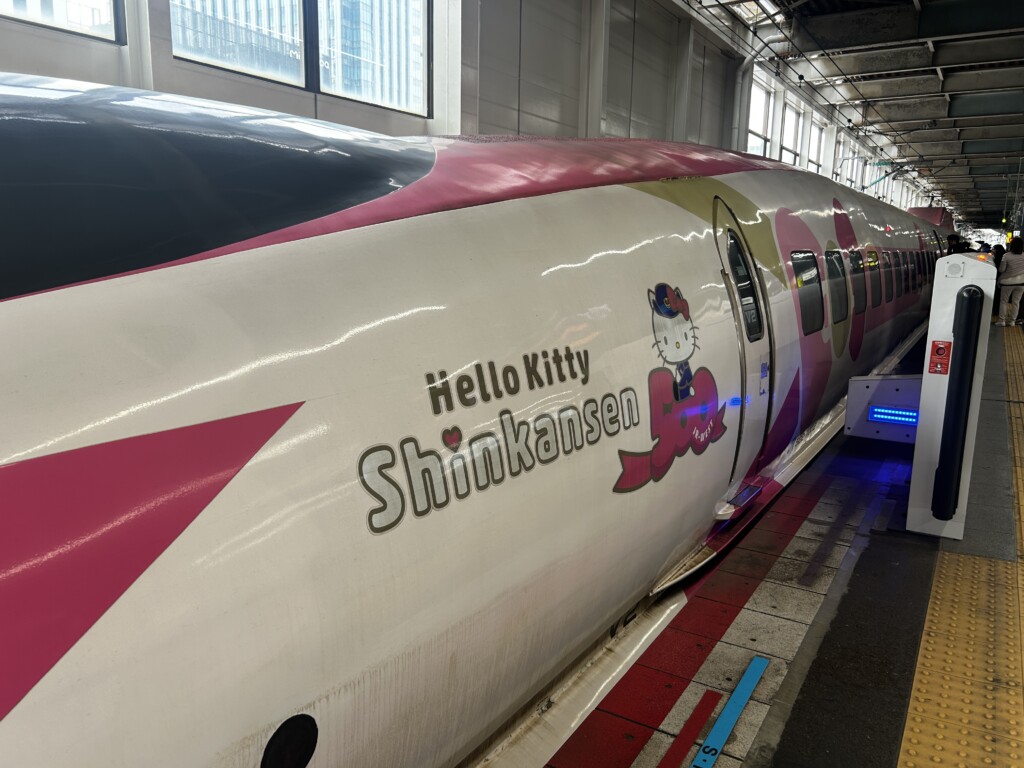
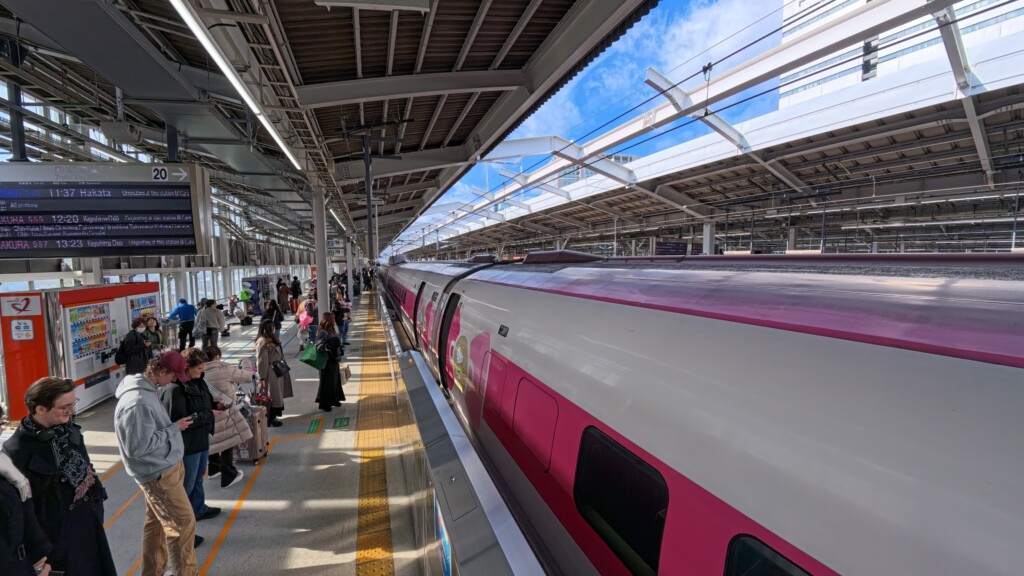
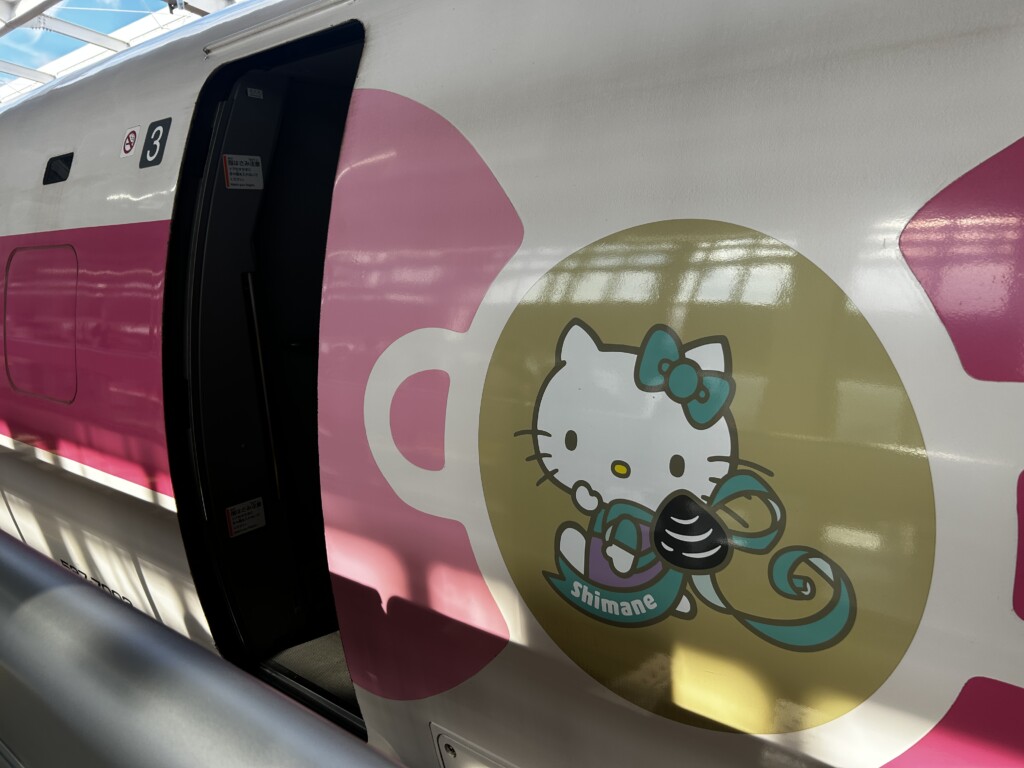
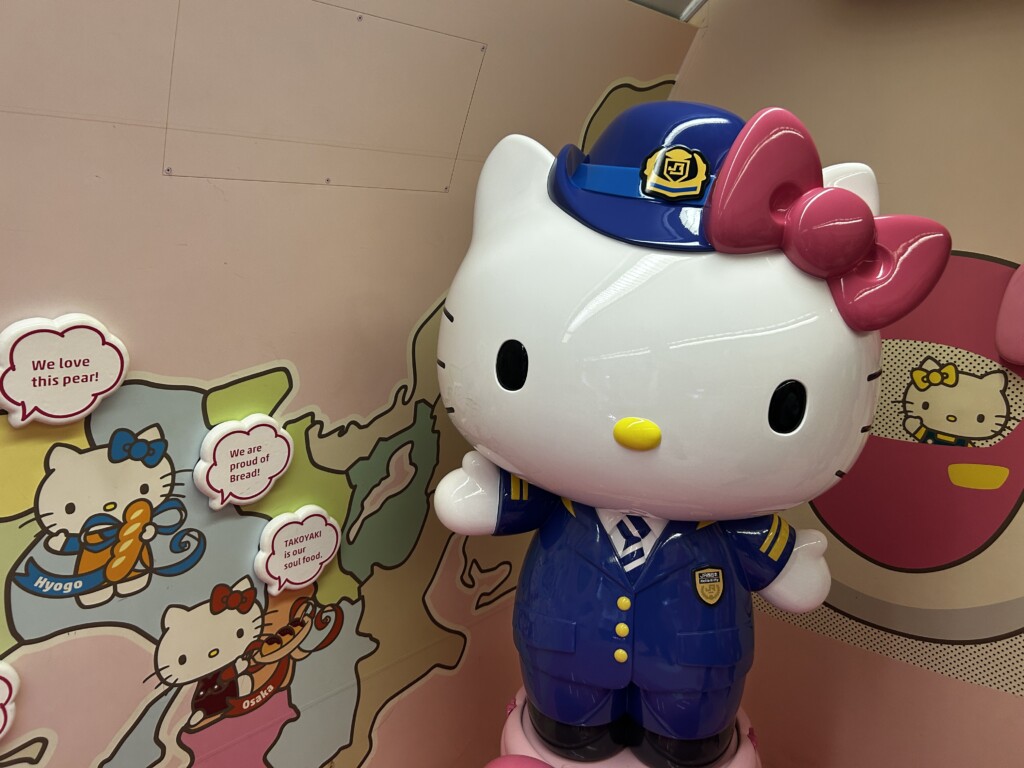
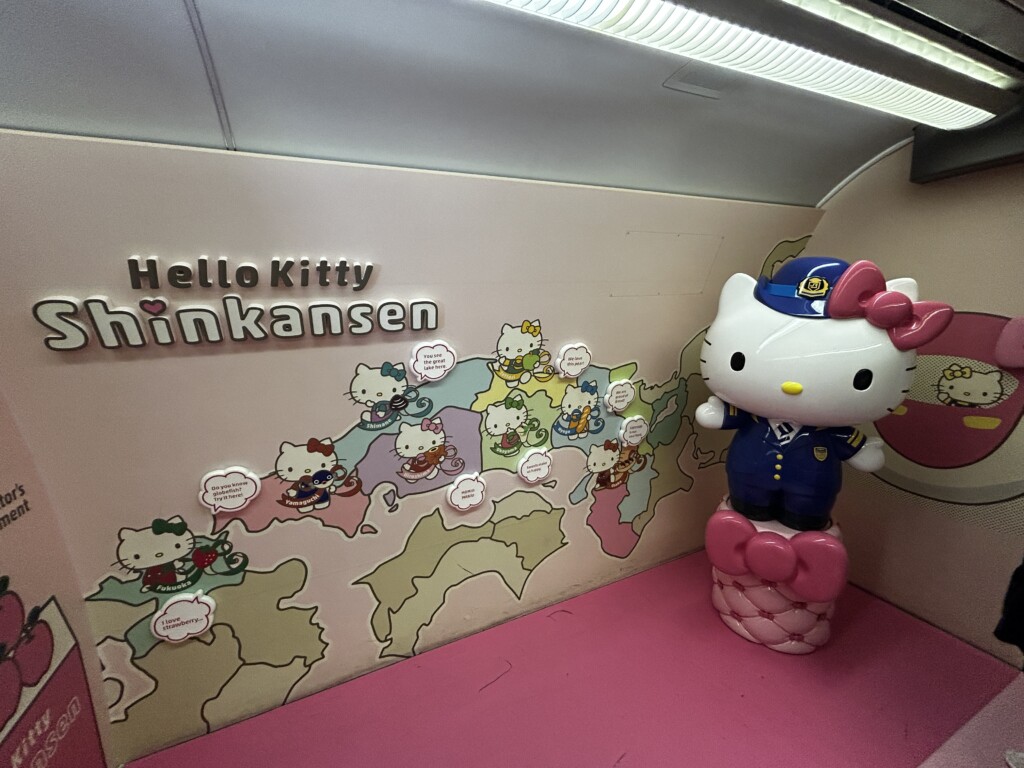
Our journey began with a highly anticipated rail experience. We had specifically pre-booked tickets for a very unique train: the Hello Kitty Shinkansen. Operated by JR West, this customized 500 Series Shinkansen is an eye-catching marvel. The 500 Series was once the fastest passenger train in the world when it debuted in the 1990s, famous for its sleek, aerodynamic, fighter-jet-like nose. Today, these older models have been relegated to the all-stations Kodama service, and this specific train set was wrapped entirely in bright pink ribbons in 2018 to symbolize the connection of the western Japanese regions.
The interiors are fully themed around the famous Sanrio character, complete with special photo booths and themed seating. Little A had been looking forward to this specific train ride ever since we first started discussing a trip to Japan, and she visibly enjoyed every moment of the experience. We even managed to take a fun photo of her holding a commemorative placard provided by the staff, proudly marking that she rode the train on the first of January 2026. One of the great logistical joys of the Japanese rail network is the sheer variety of ekiben (railway bento boxes) available on the platforms. We bought our lunchboxes before leaving Osaka and enjoyed them comfortably at our seats as the high-speed train whisked us toward Hiroshima.

The Weight of History
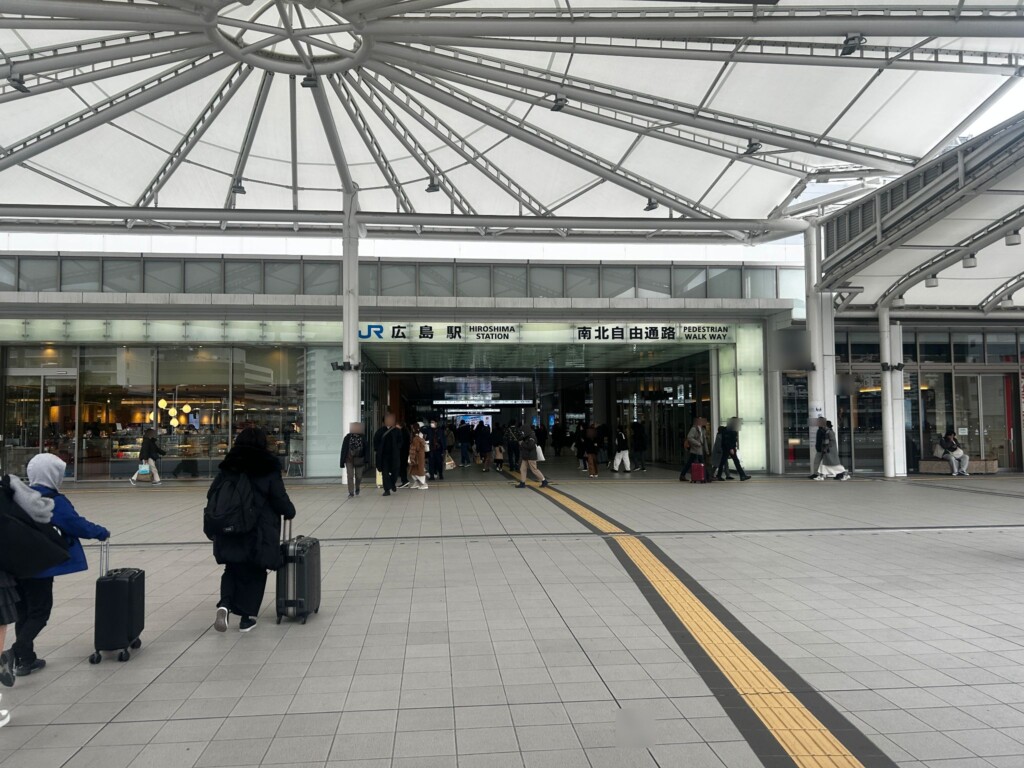
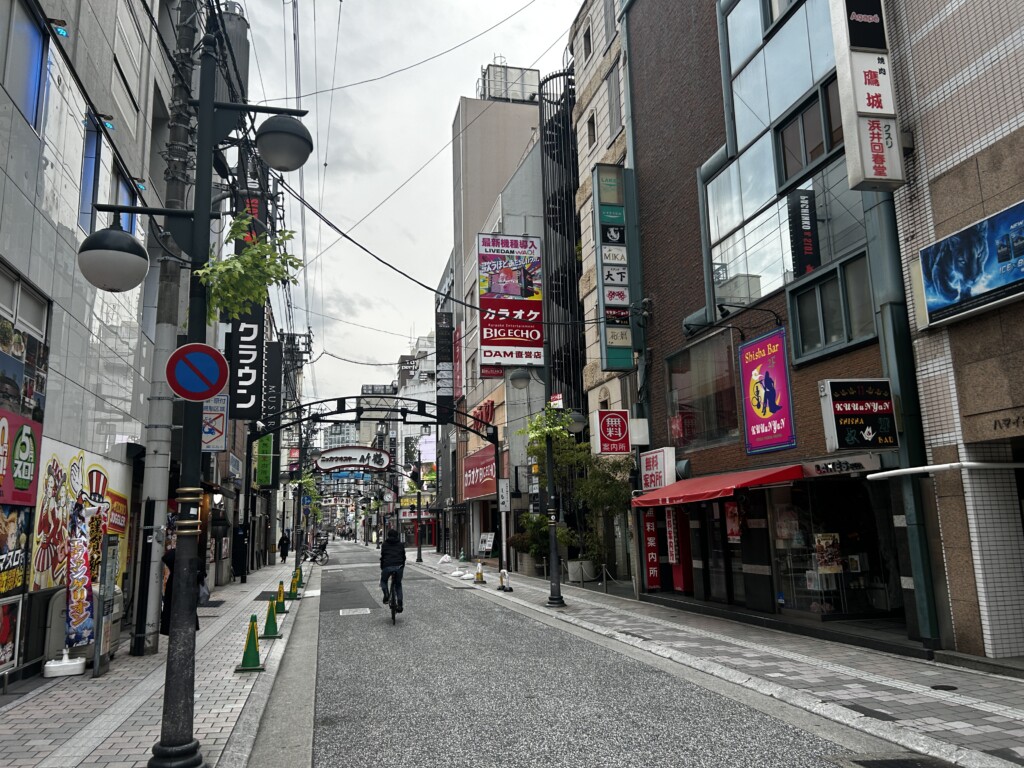
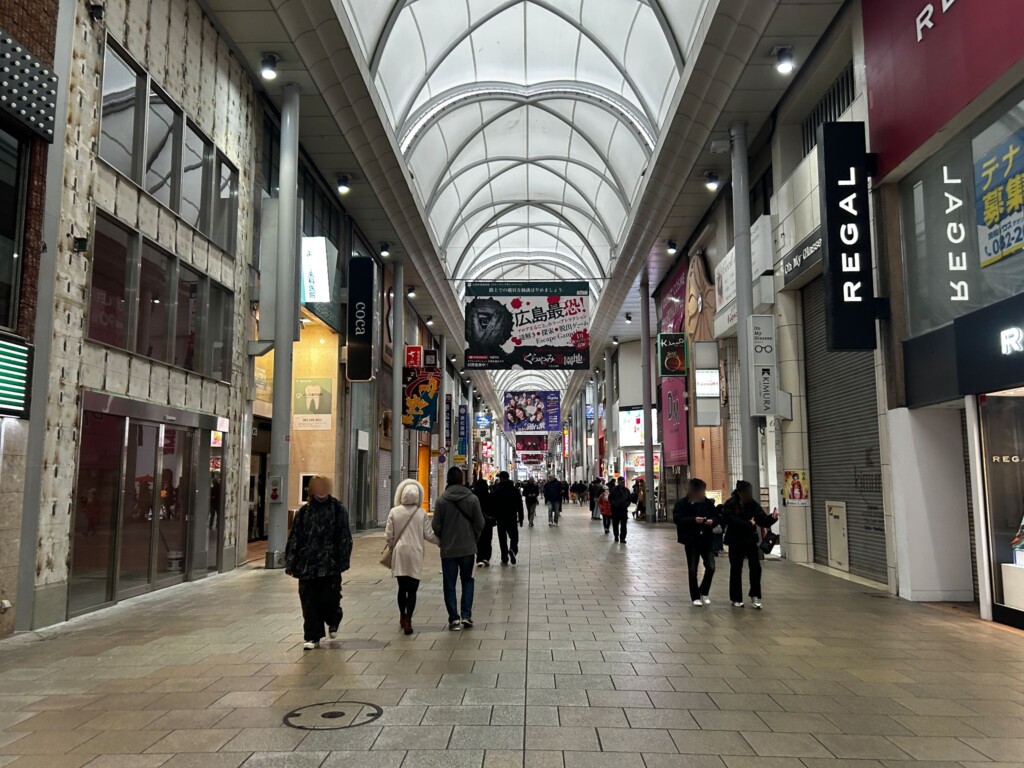
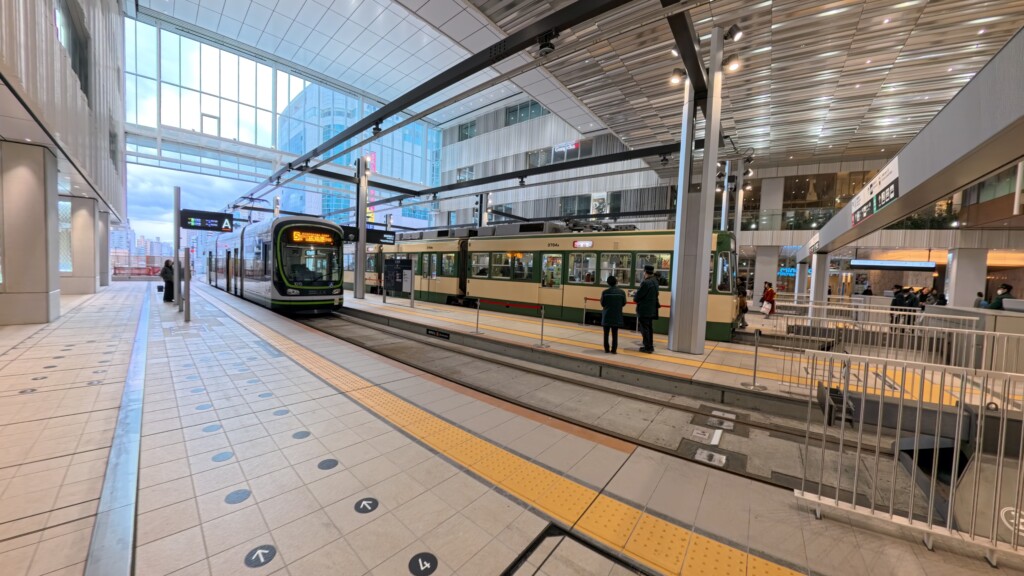
Upon arriving in Hiroshima, we found that our hotel was just a short walk from the station. Before checking in, however, we made a quick stop at the tourist information center, which proved to be an excellent decision. The staff informed us about the local sightseeing loop buses and confirmed that our regional railway passes fully covered the fares. This would turn out to be a highly convenient way to navigate the city.
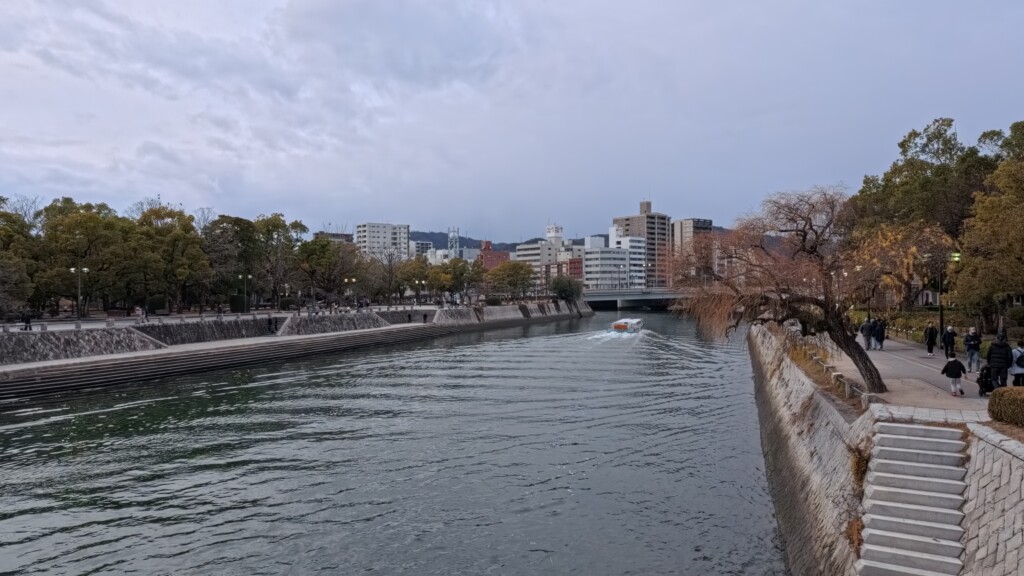
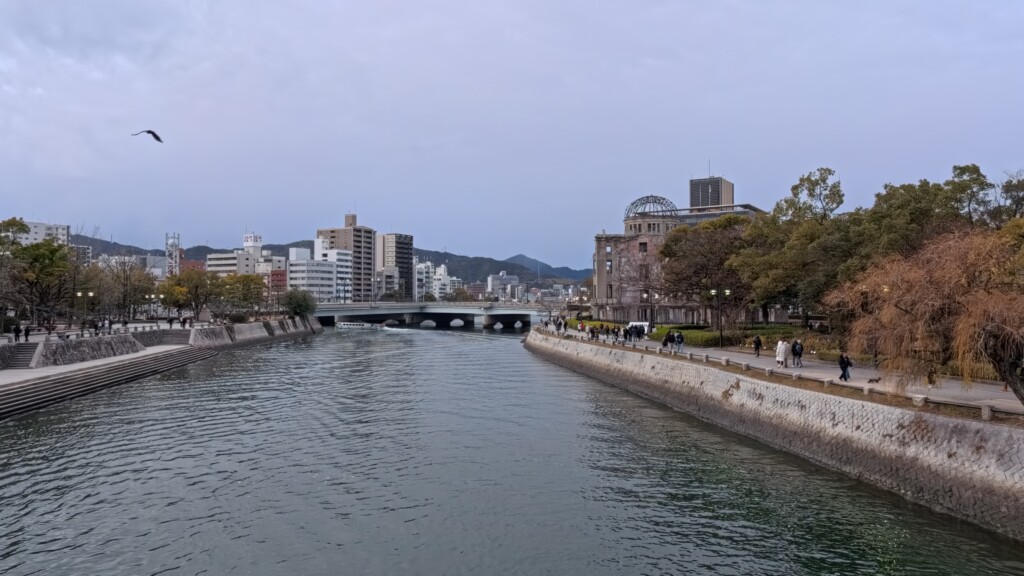
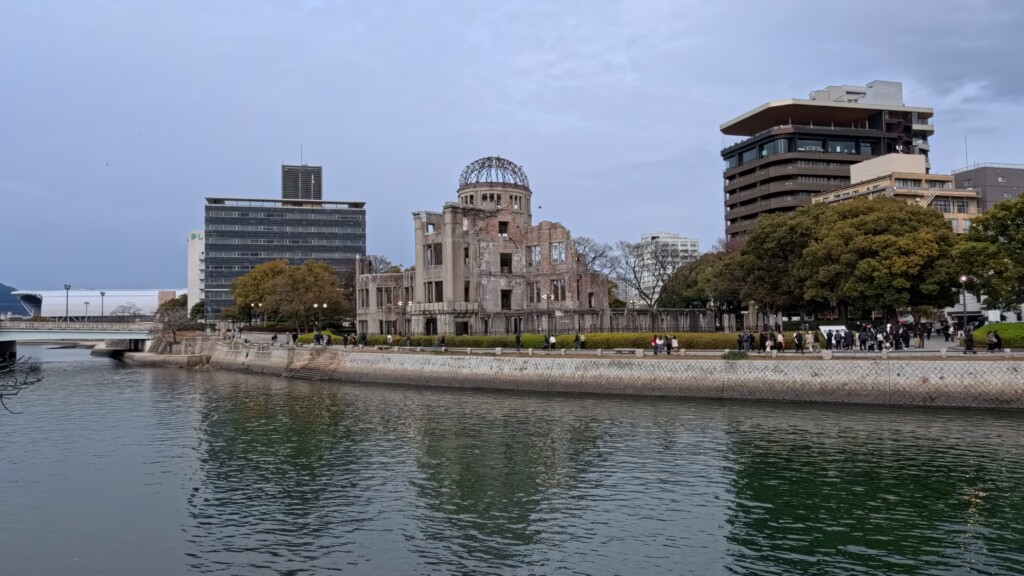
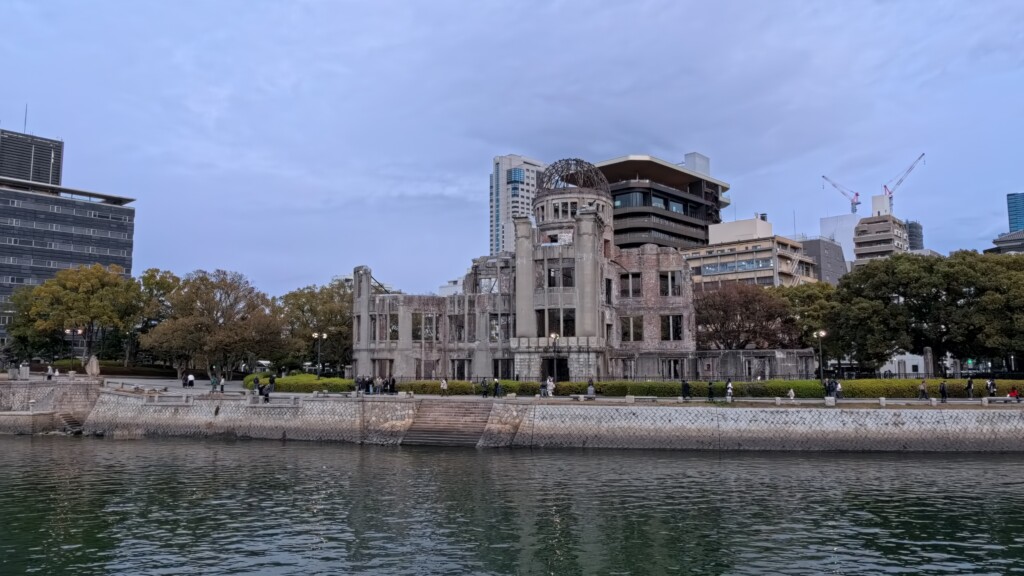
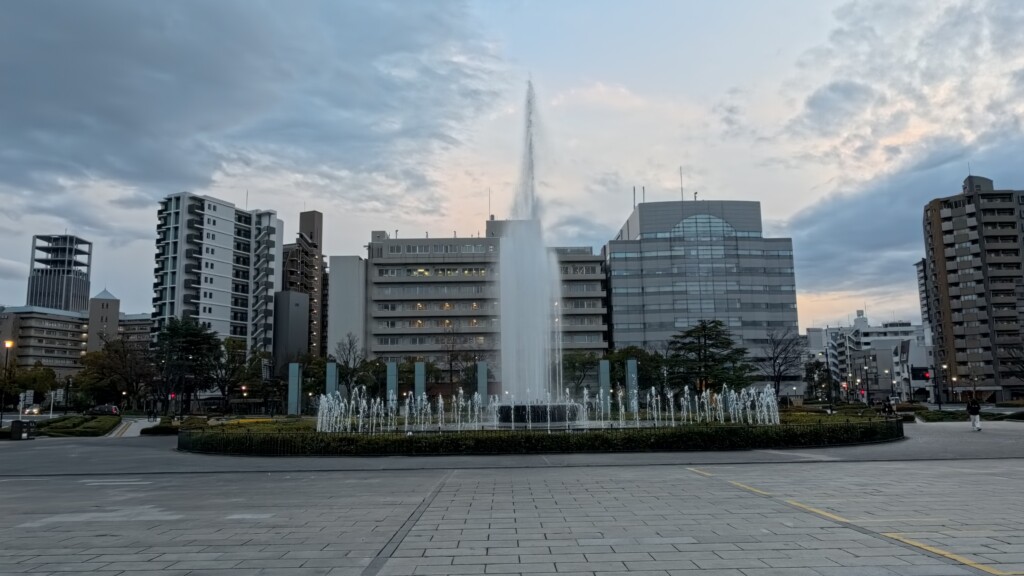
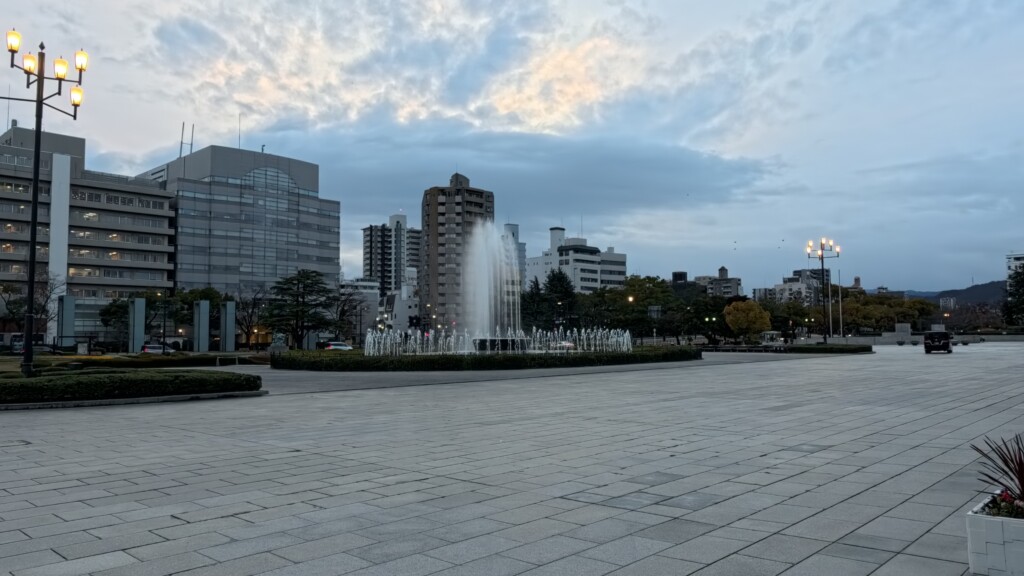
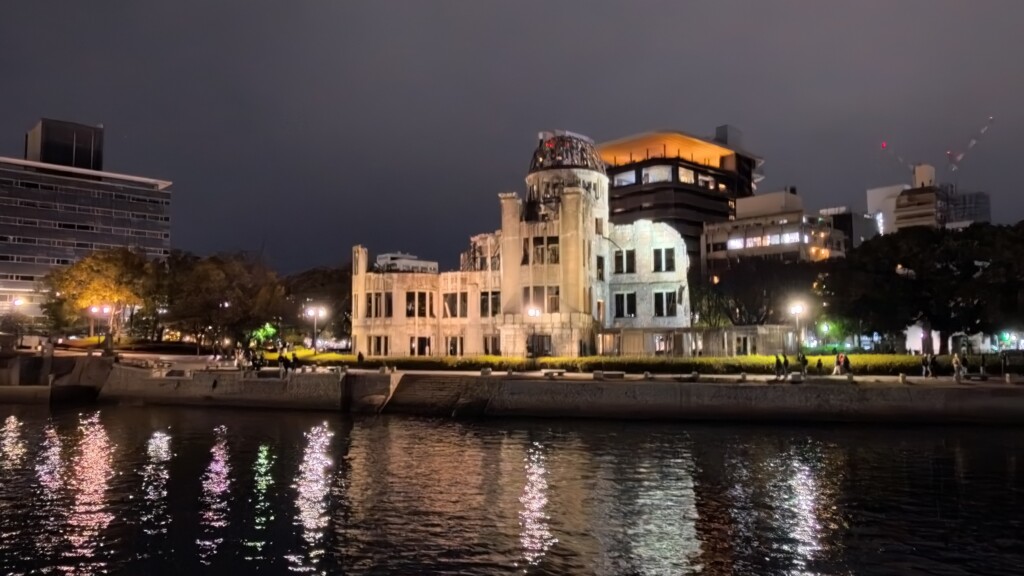
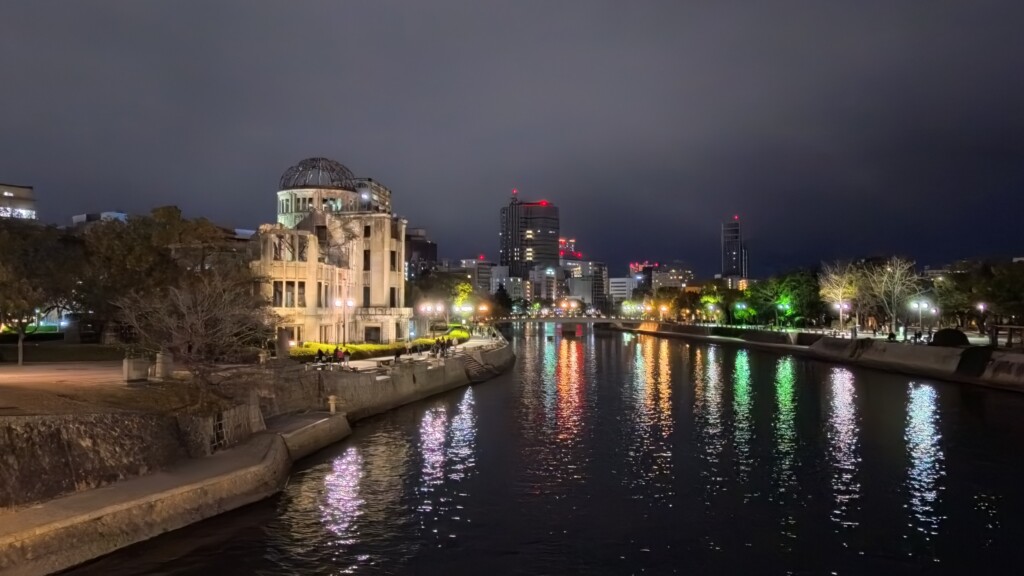
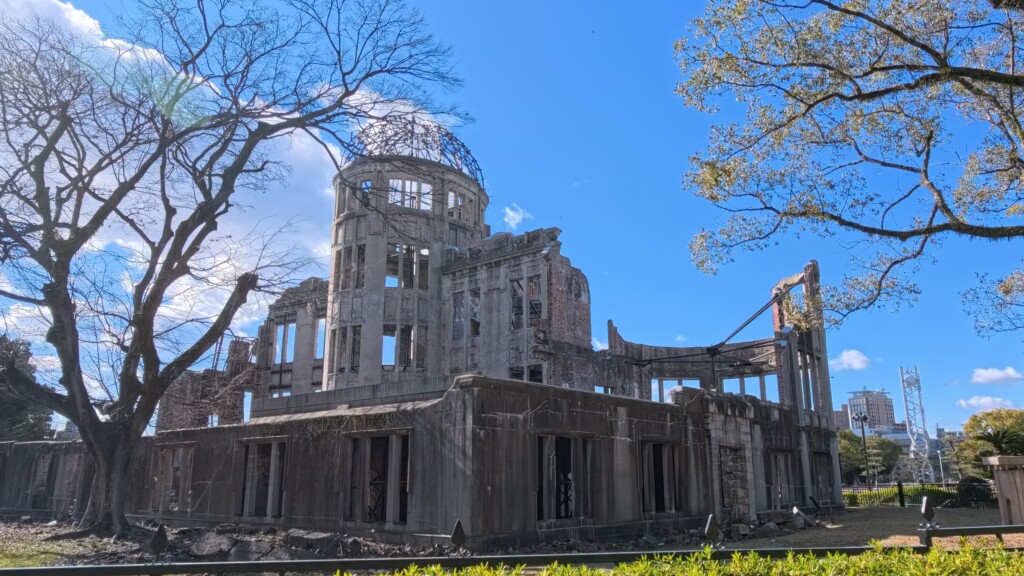
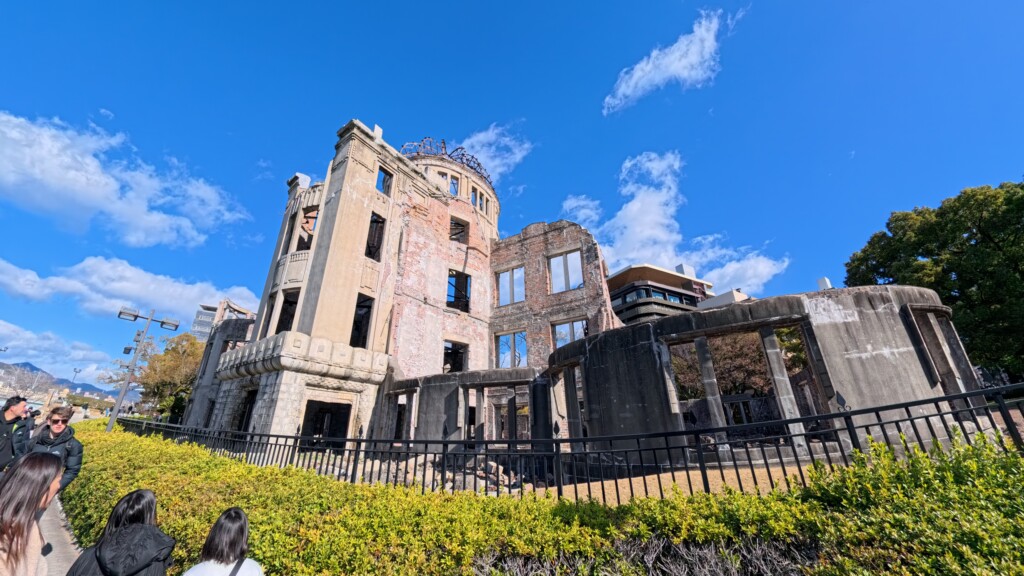
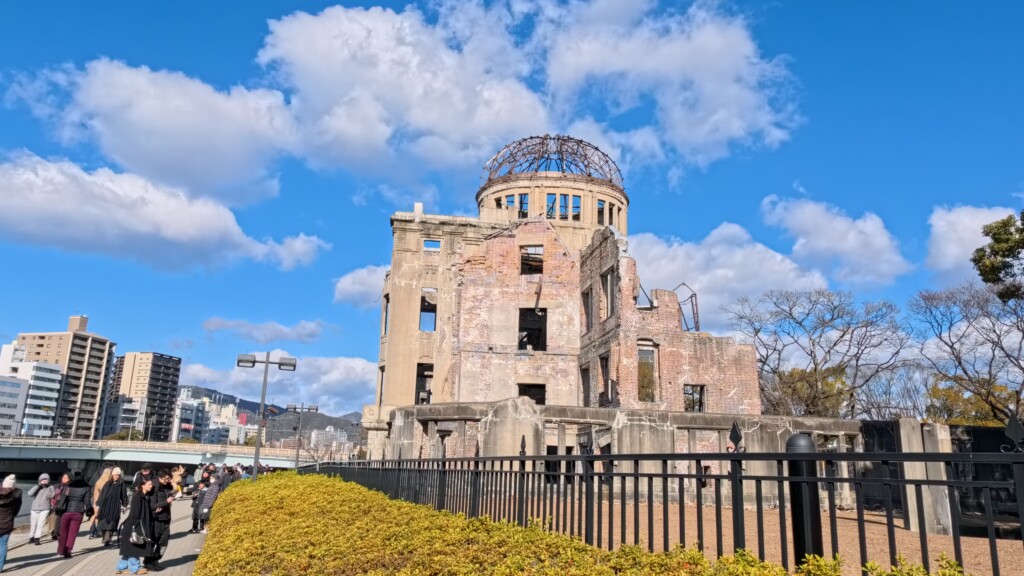
We did not utilize the buses immediately, opting instead for an afternoon walk toward the city’s most globally recognized landmark: the Atomic Bomb Dome (Genbaku Dome). Originally built in 1915 by Czech architect Jan Letzel as the Hiroshima Prefectural Industrial Promotion Hall, its distinctive copper dome and brick architecture made it a prominent fixture of the city. On August 6, 1945, the world’s first atomic bomb detonated almost directly above it, missing the hypocenter by a mere 160 meters. Because the blast came from almost straight down, the vertical walls miraculously survived the sheer downward force that obliterated the rest of the city.
It is a common misconception among many first-time visitors that the city remains radioactive today. In reality, because the bomb detonated high in the air (approximately 600 meters above the ground), the radioactive material largely dispersed into the atmosphere rather than heavily contaminating the soil. The residual radiation dissipated very rapidly in the days and weeks following the blast, and today, the background radiation levels in Hiroshima are entirely normal and no different from the natural levels found anywhere else on Earth.
I have always held a deep fascination for history, and this was a site I was intensely interested in seeing in person. It was a heavily overcast afternoon, and the skeletal, concrete ruins seemed to almost blend into the muted grey surroundings, amplifying the somber atmosphere of the memorial park.
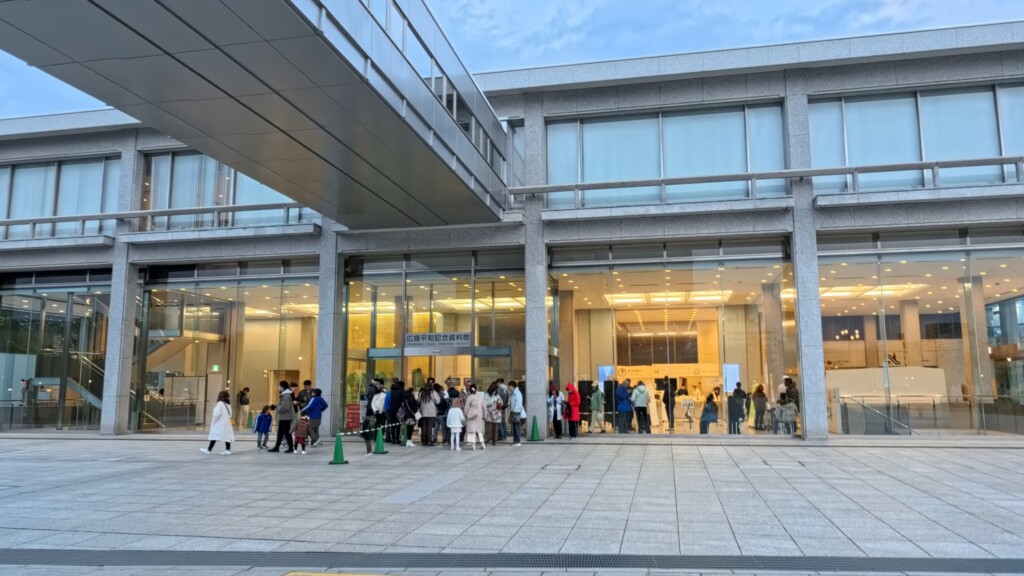
We continued our walk to the nearby Hiroshima Peace Memorial Museum. Opened in 1955 and designed by the renowned architect Kenzo Tange, the museum offers an unflinching and vital look at the devastation of the bombing, focusing heavily on the personal belongings of the victims and the horrific realities of nuclear war. It was a deeply interesting and moving visit. Understandably, Little A found some of the graphic photographs and exhibits quite unsettling, but she handled the heavy subject matter incredibly well. It was an important educational moment, and she can now tell her classmates that she has seen the Atomic Bomb Dome firsthand when they eventually study these historical events in school.



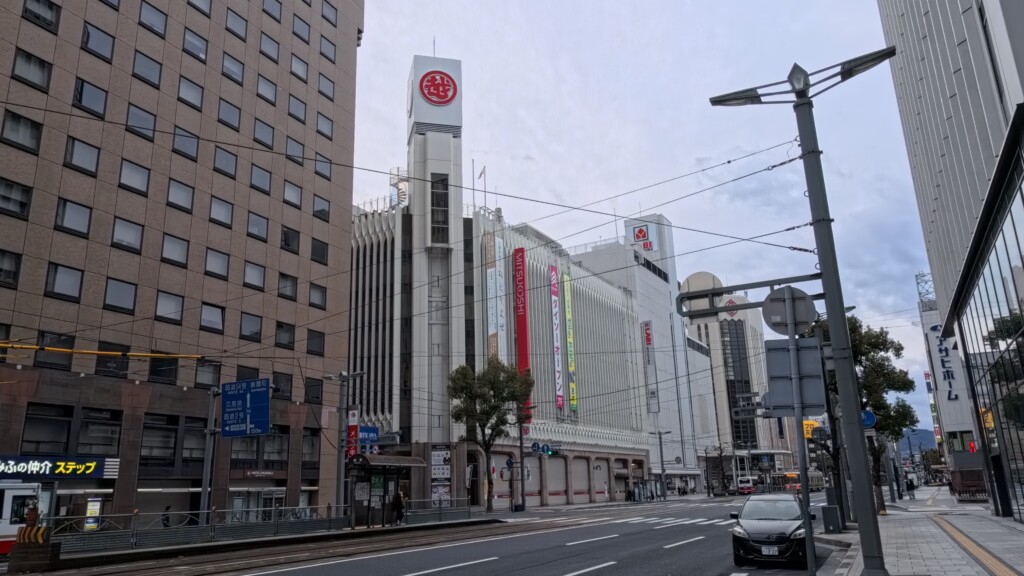
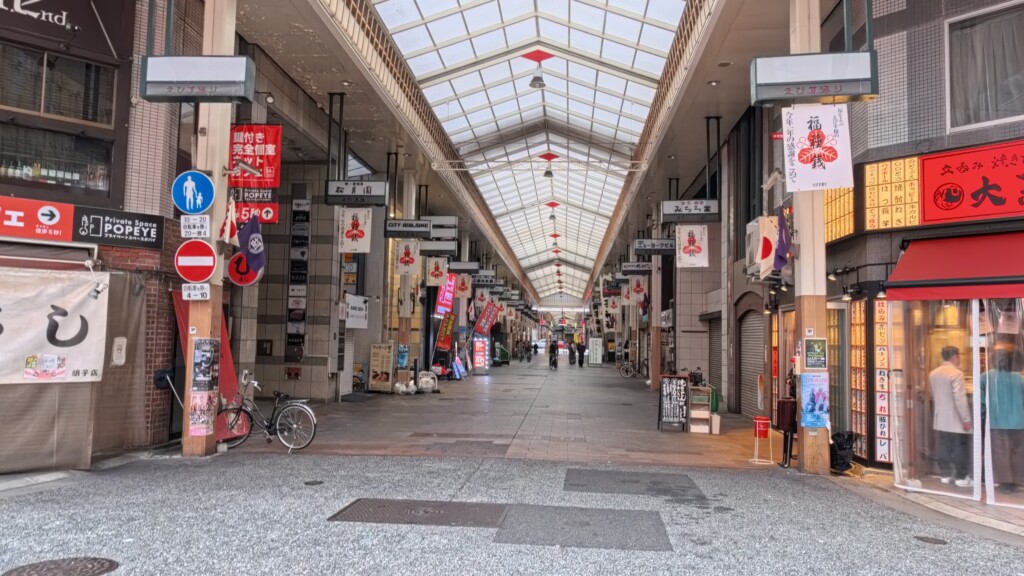
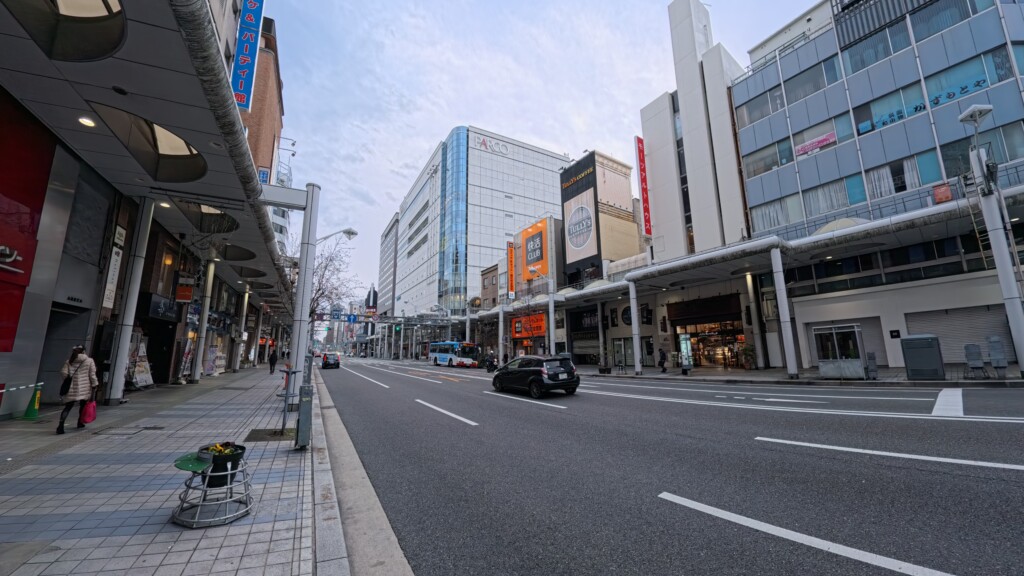
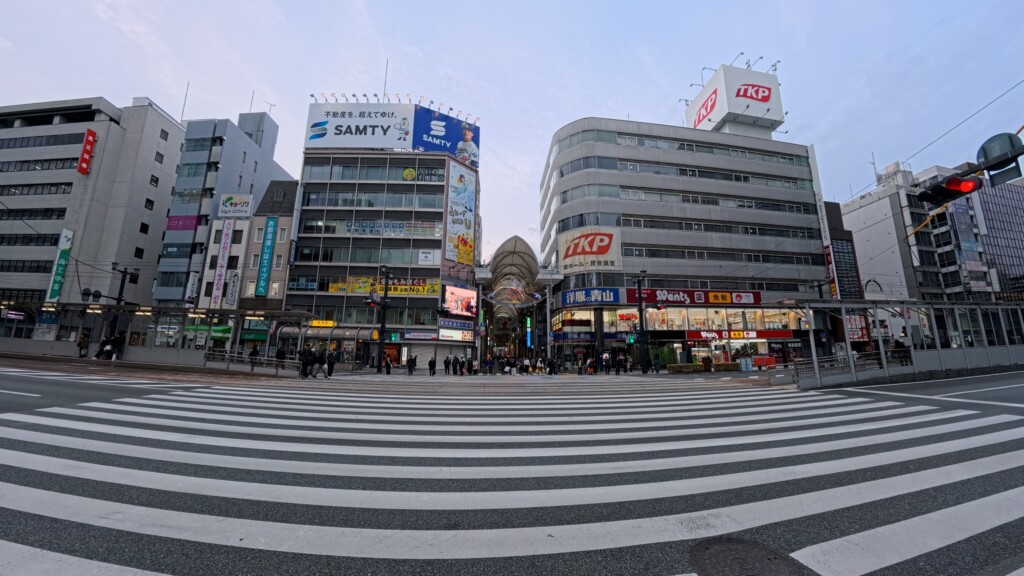

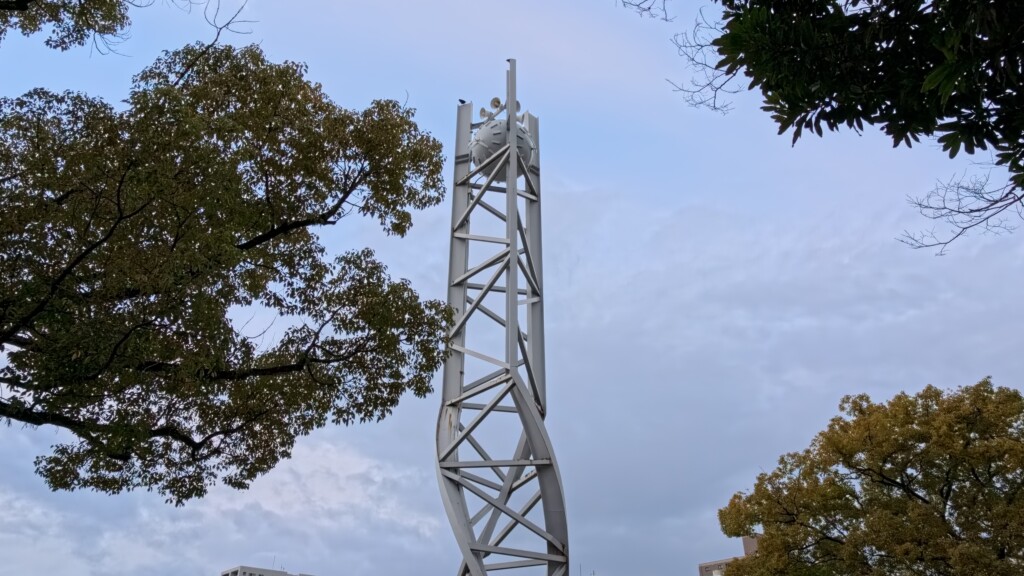
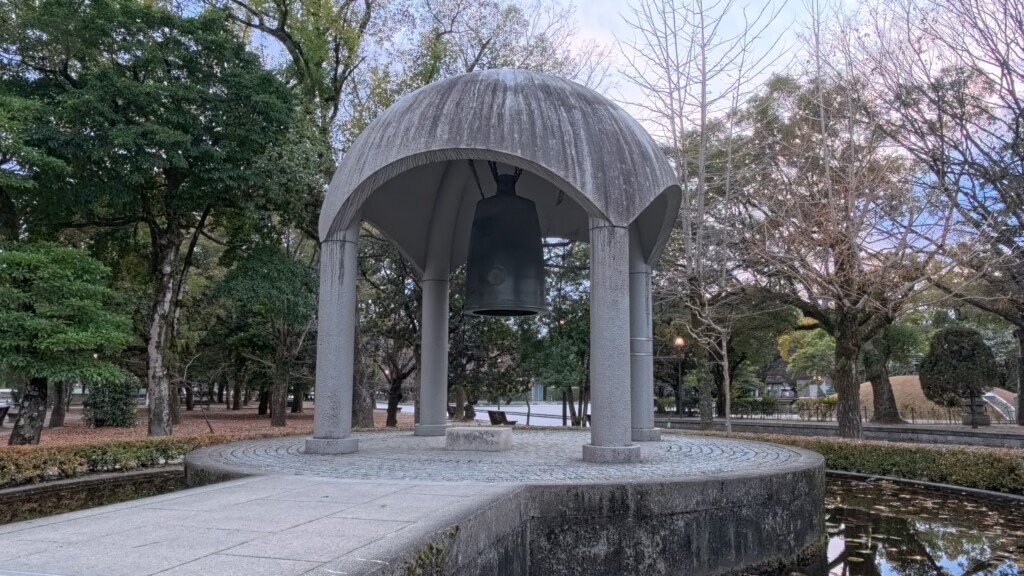

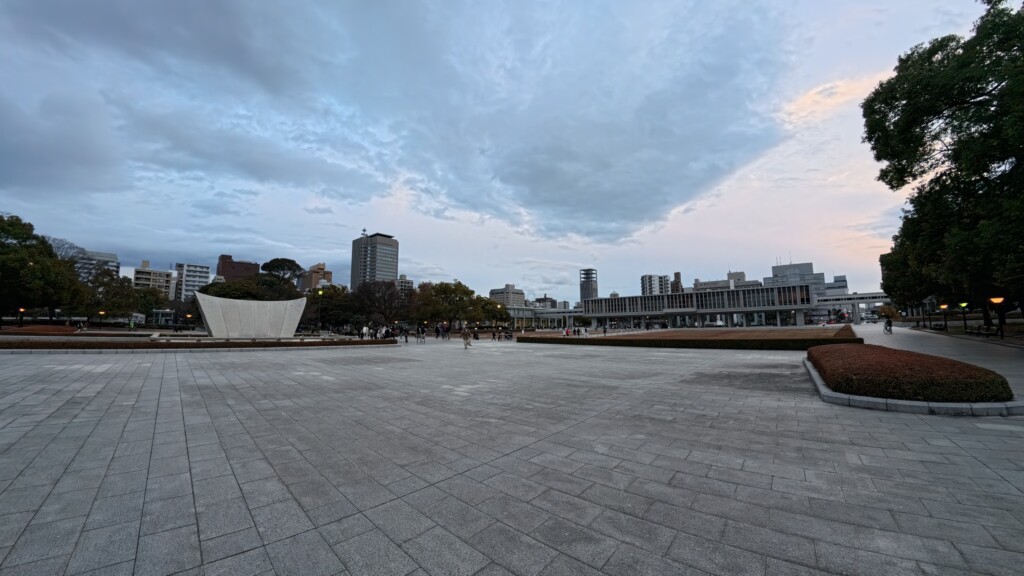
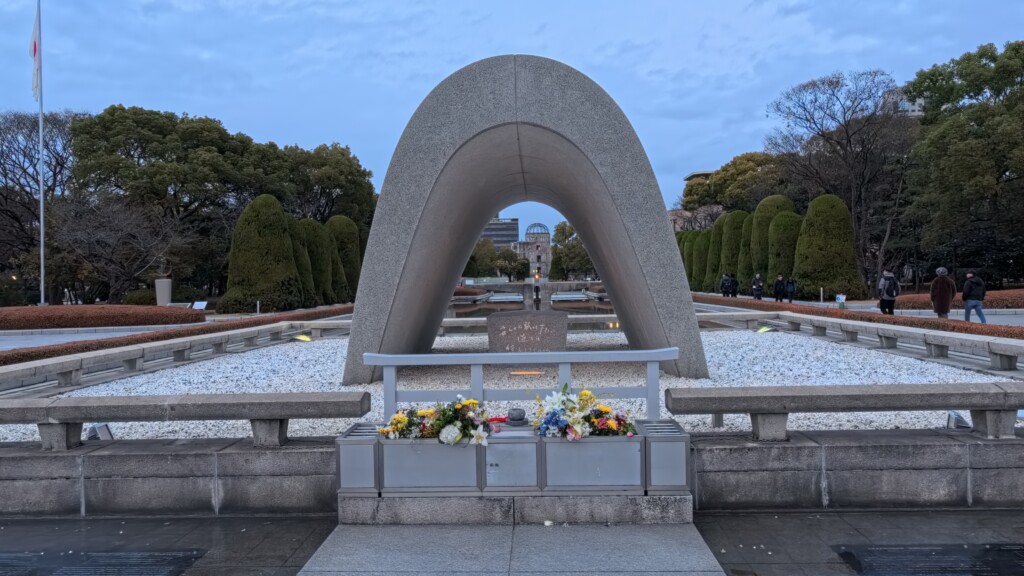
Fast Food Failures and Shrine Festivities
After the profound emotional weight of the museum, the practical realities of family travel set in: we were hungry and a bit panicked about finding dinner on New Year’s Day. In our tired haste to find something quick, we made a poor decision and walked into a KFC. None of us were satisfied; it was easily one of the most terrible meals of our entire trip. The food was excessively deep-fried and completely devoid of any flavor, a stark contrast to the excellent Japanese meals we had enjoyed thus far.
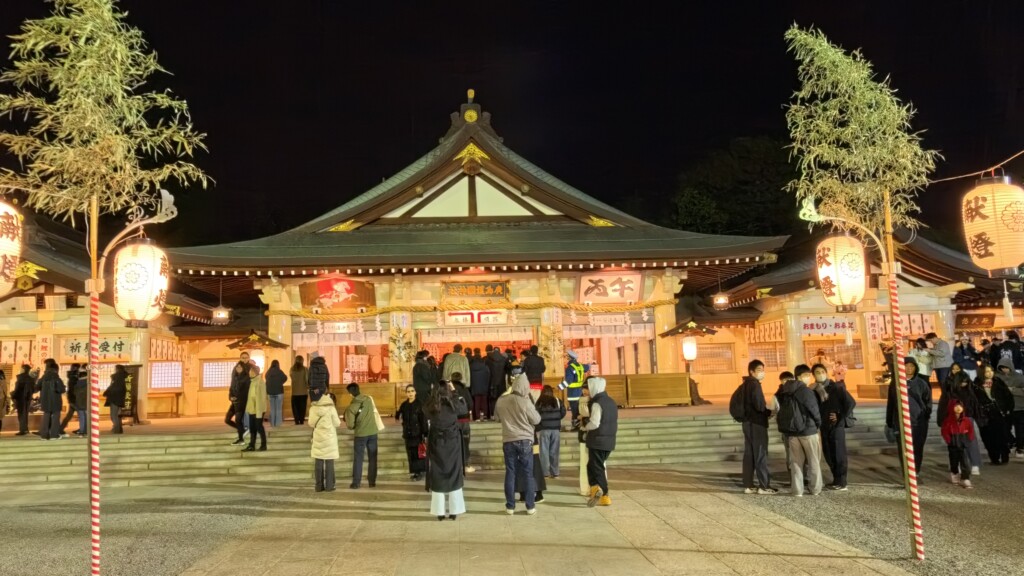
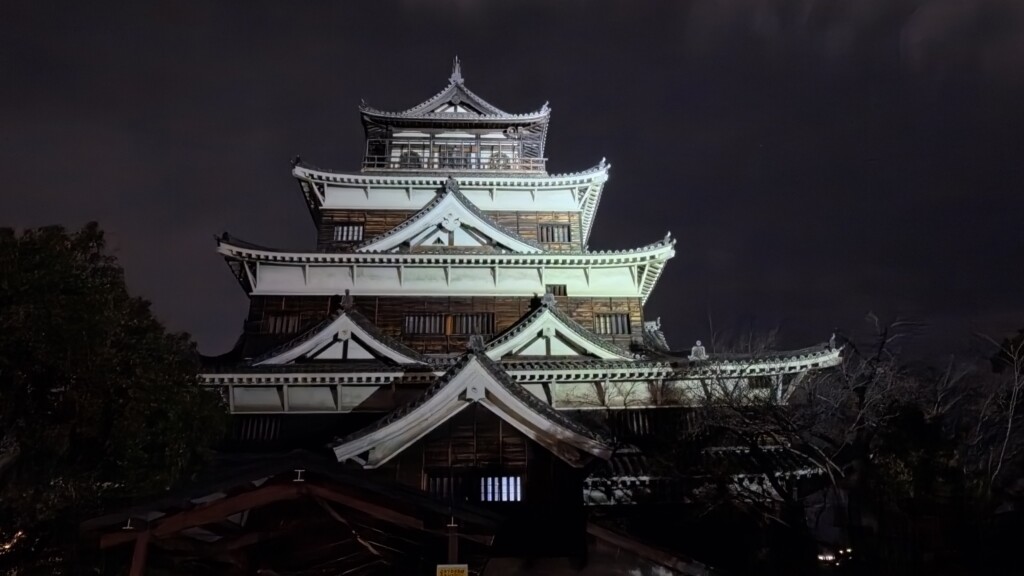
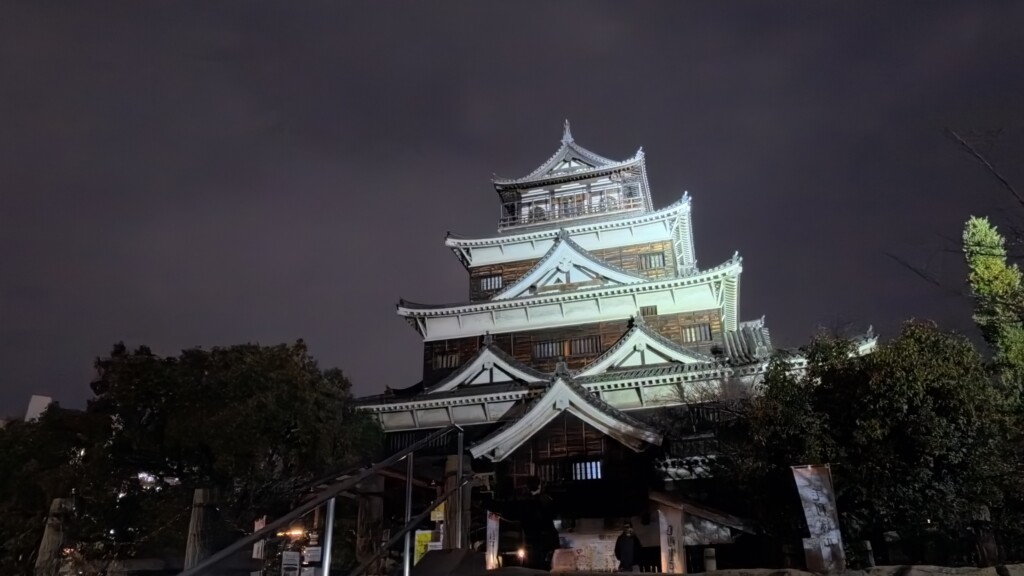
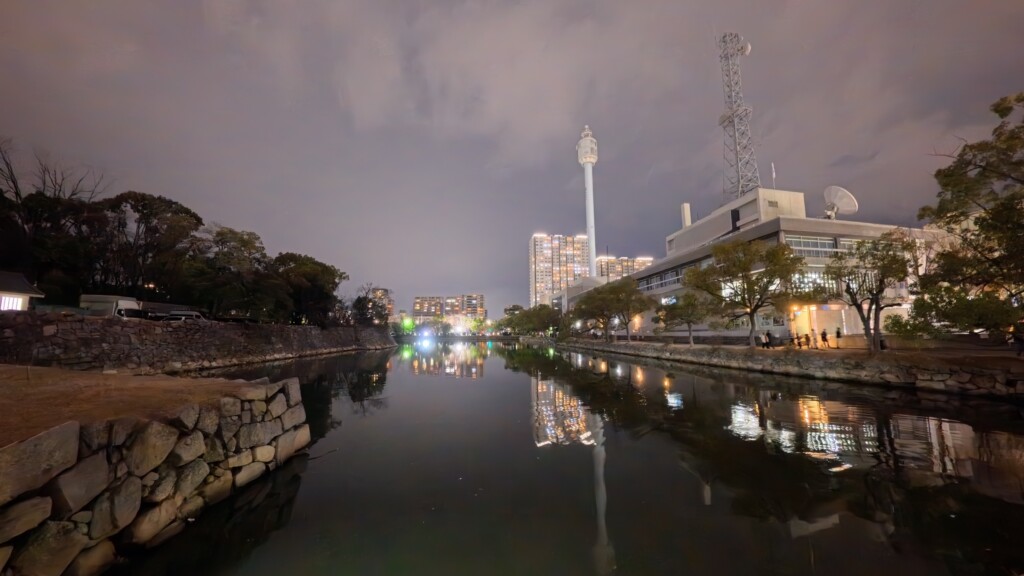
Hoping to salvage the evening, we took a walk toward Hiroshima Castle. While the night before in Osaka had been eerily quiet, Hiroshima was incredibly vibrant with New Year’s celebrations. The local hatsumode (the traditional first shrine visit of the new year) was in full swing at the Hiroshima Gokoku Shrine, located right within the castle’s moat. It was fascinating to witness the lively crowds and browse the bustling food stalls set up across the grounds. We walked up to the illuminated castle keep before eventually calling it a night and taking a taxi back to our hotel.


Shukkeien Garden and Sunlit Ruins
Our second day in Hiroshima, January 2, offered a stark contrast in weather, bringing bright sunshine and relative warmth. We checked out of our room and left our bags at the hotel reception so we could explore a bit more of the city unencumbered.
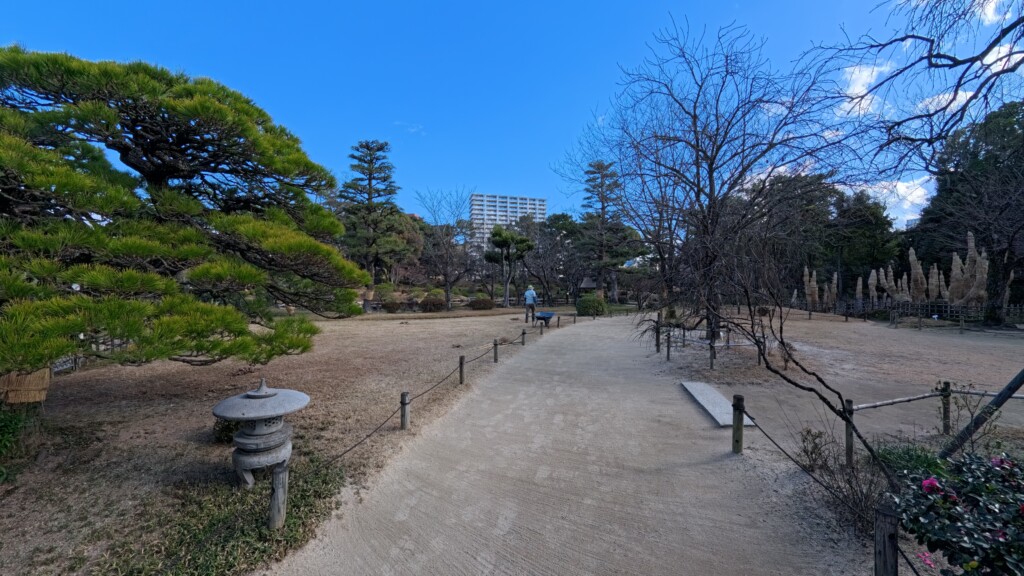
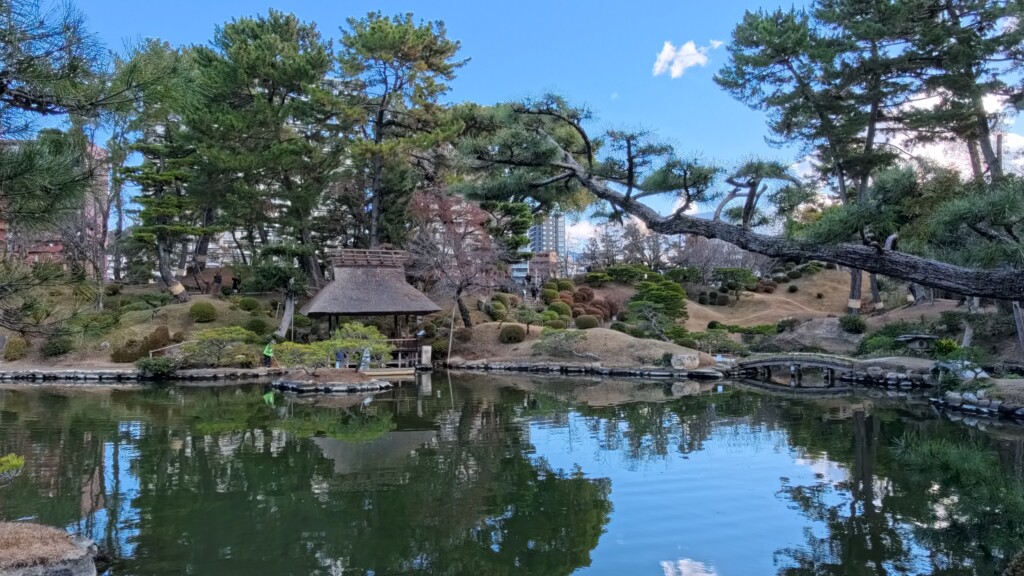
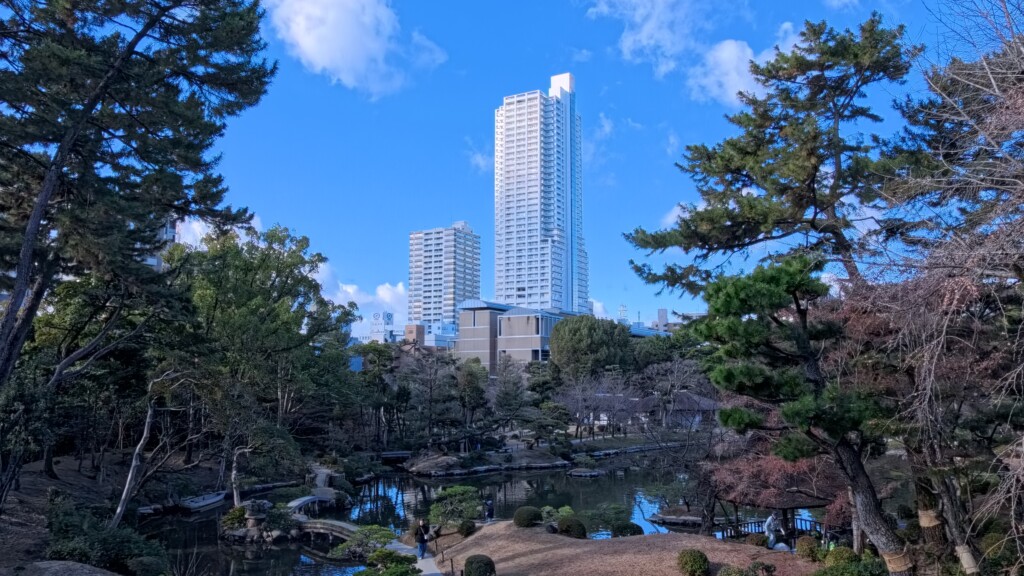
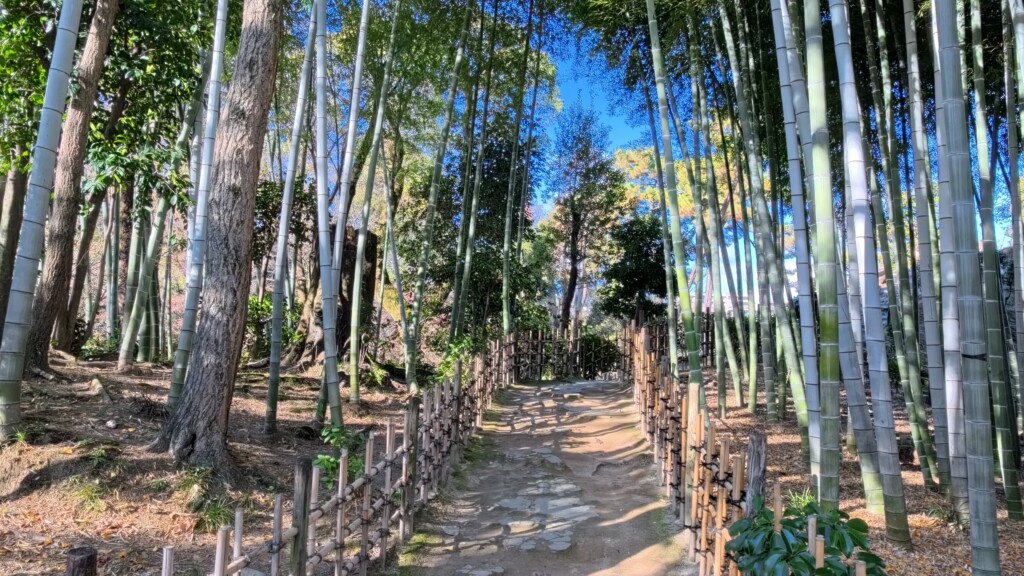
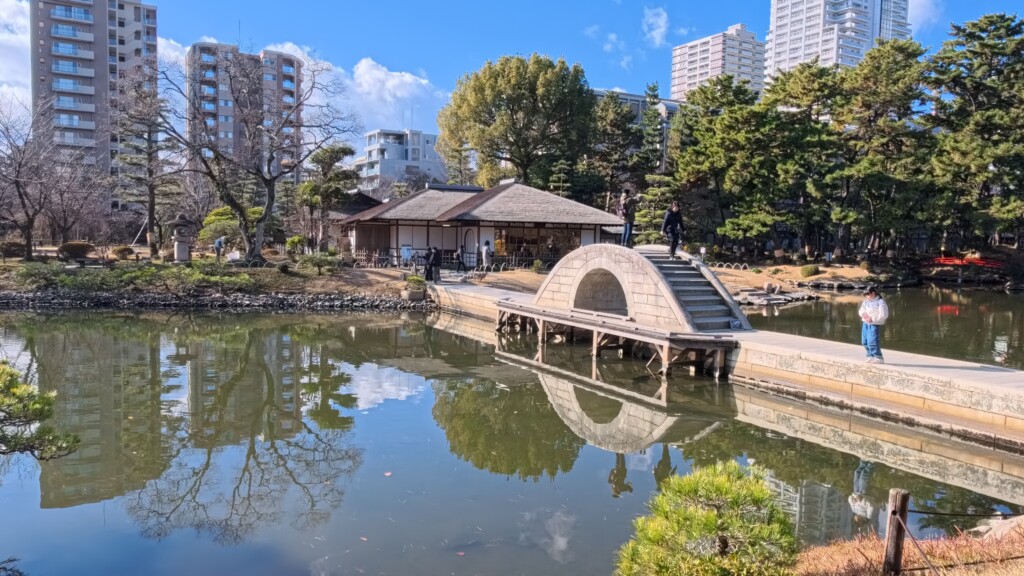
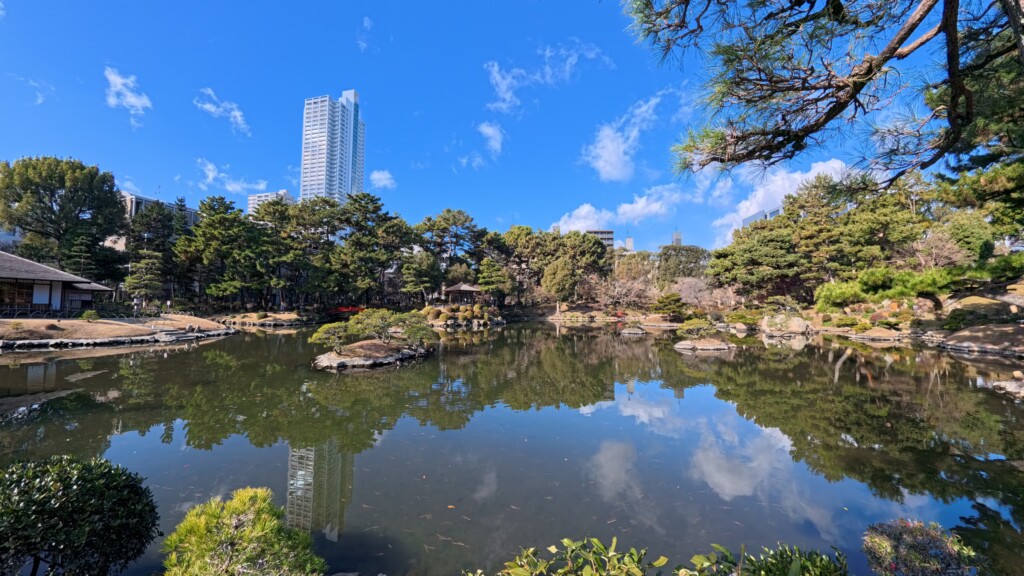
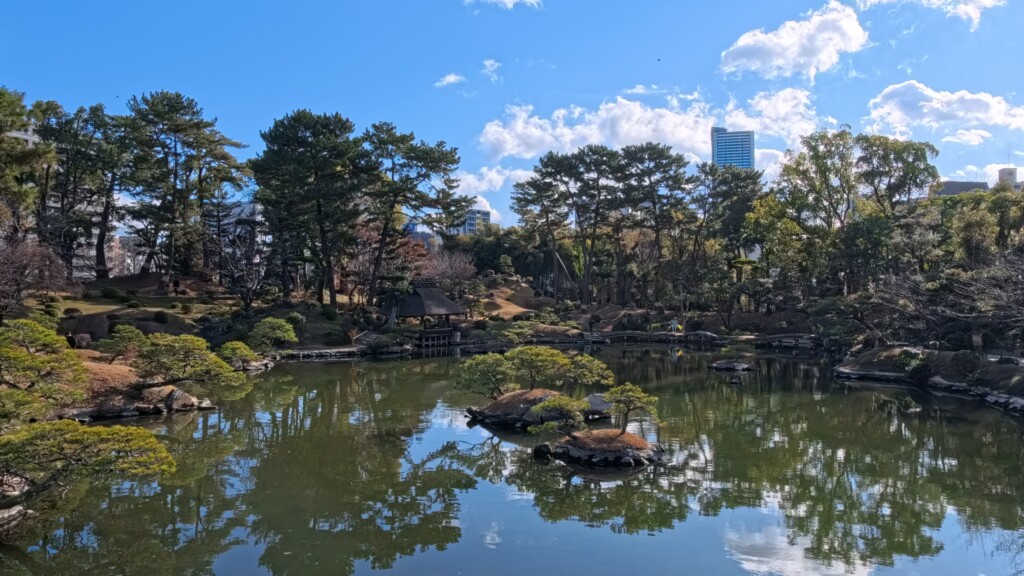
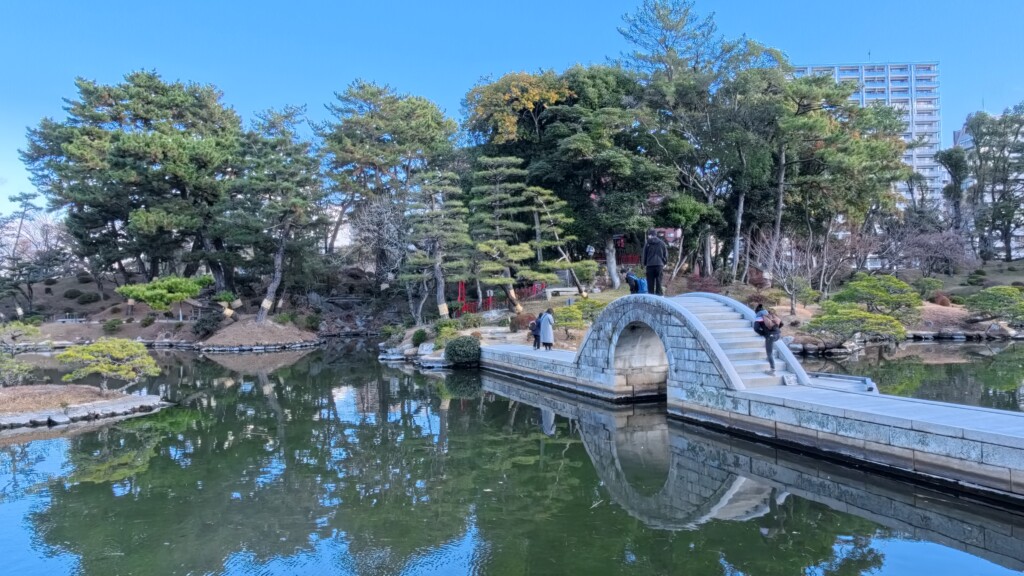
Taking advantage of the sightseeing buses, we took a short ride to Shukkeien Garden. Dating back to 1620, the name translates to ”shrunken-scenery garden,” as its landscaping carefully miniaturizes natural formations like mountains and valleys. This traditional Japanese garden provided a wonderfully serene oasis right in the middle of the modern city, much like Okayama Korakuen had done a few days prior. We enjoyed a slow walk, taking in the beautiful views over the central lake and its elegant arch bridge.
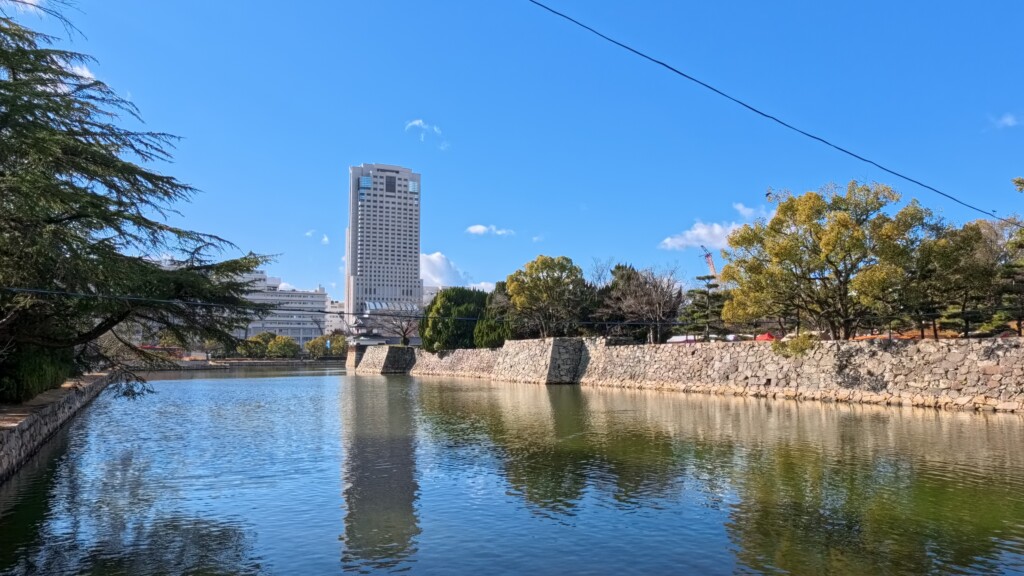
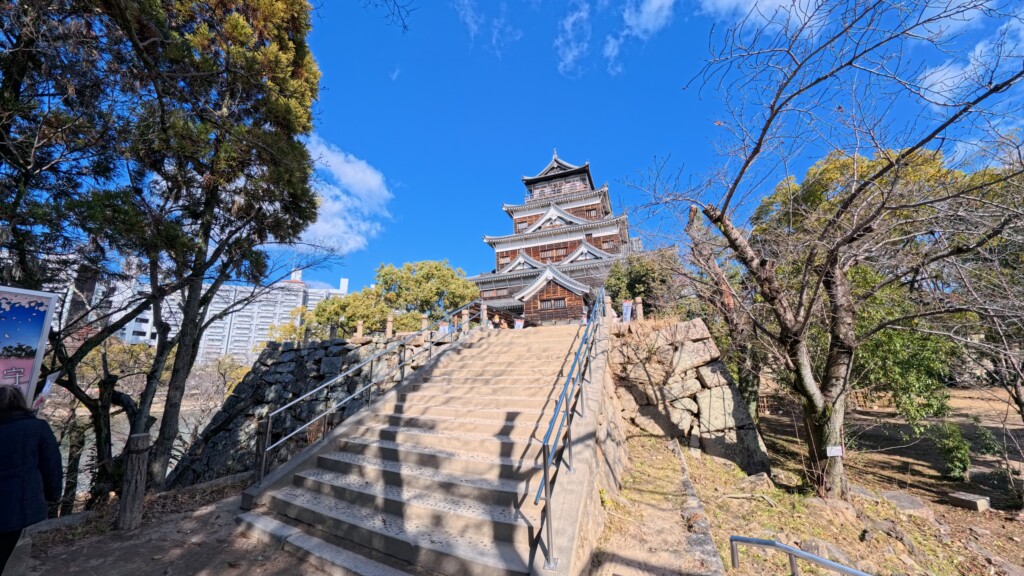
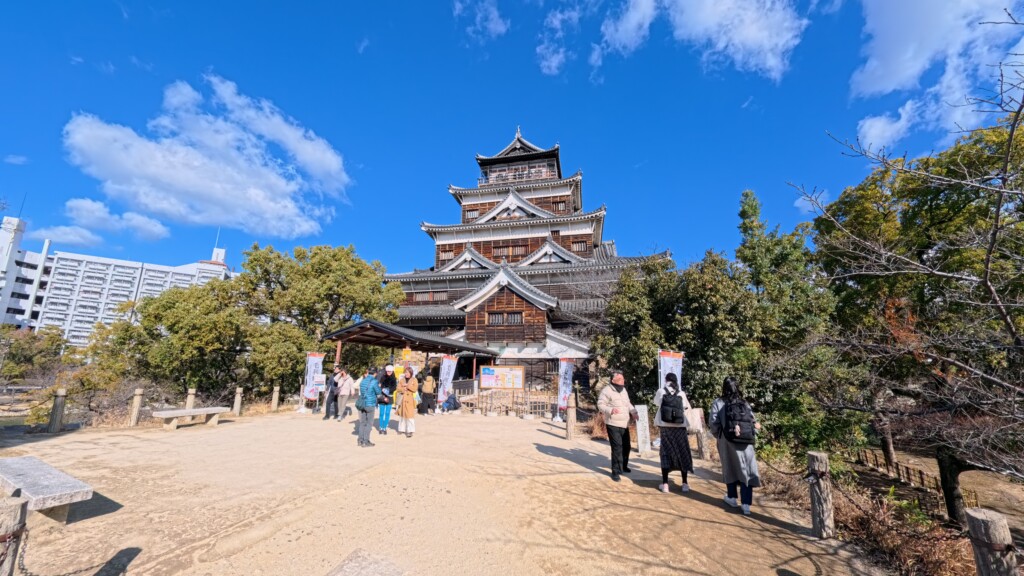
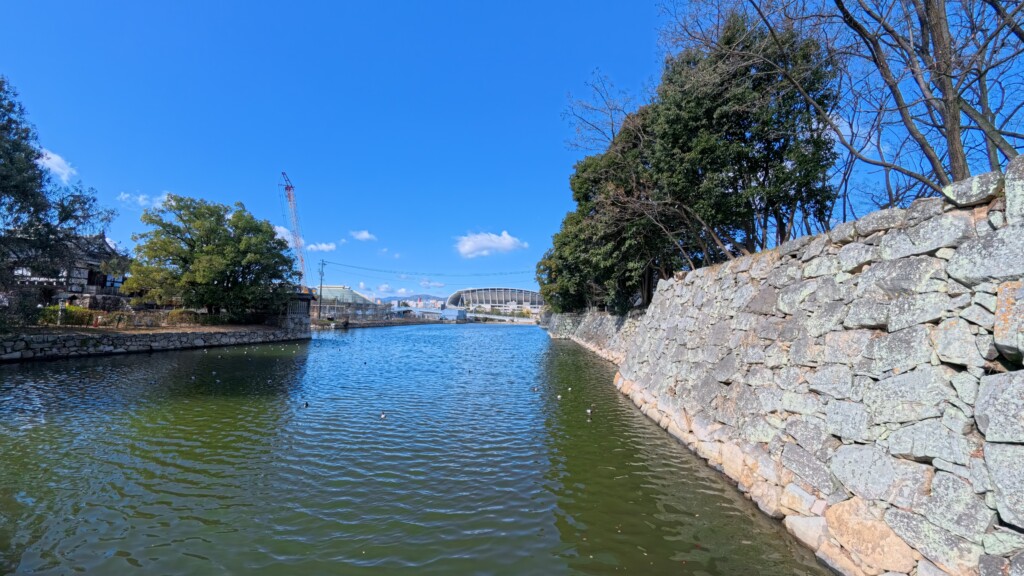
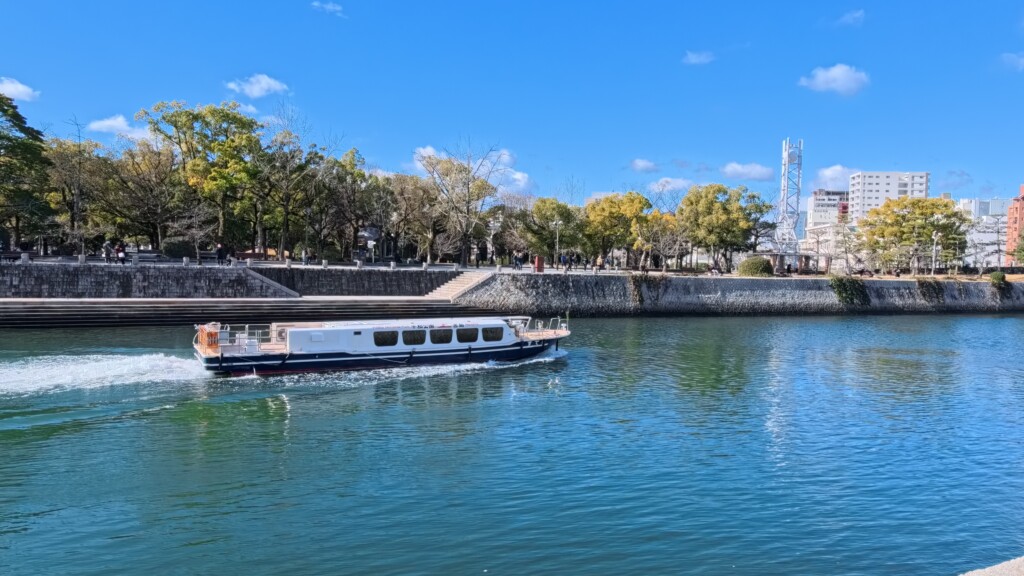
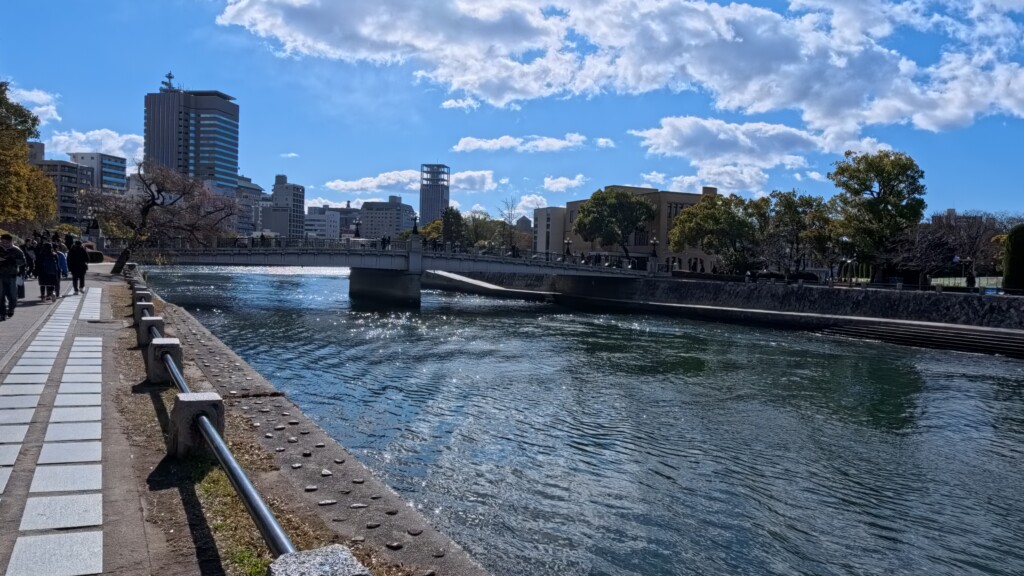
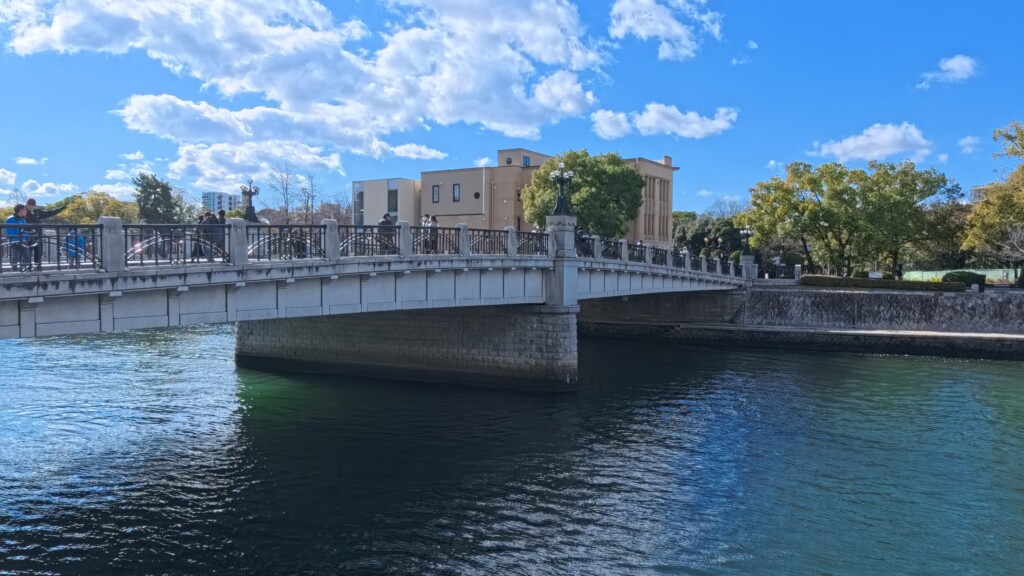
From the garden, it was only a short walk back over to Hiroshima Castle. Originally built in 1589, the fortress is also known as the ”Carp Castle.” While the original structure was destroyed in 1945, the 1958 reconstruction stands proudly surrounded by its historic moat. We viewed the castle in the daylight and successfully redeemed our poor dinner choices from the night before by having excellent fried chicken for lunch at one of the lively food stalls. We then walked back to the Atomic Bomb Dome, wanting to see the stark ruin once more, this time under a clear, sunlit sky.






Crossing to Fukuoka
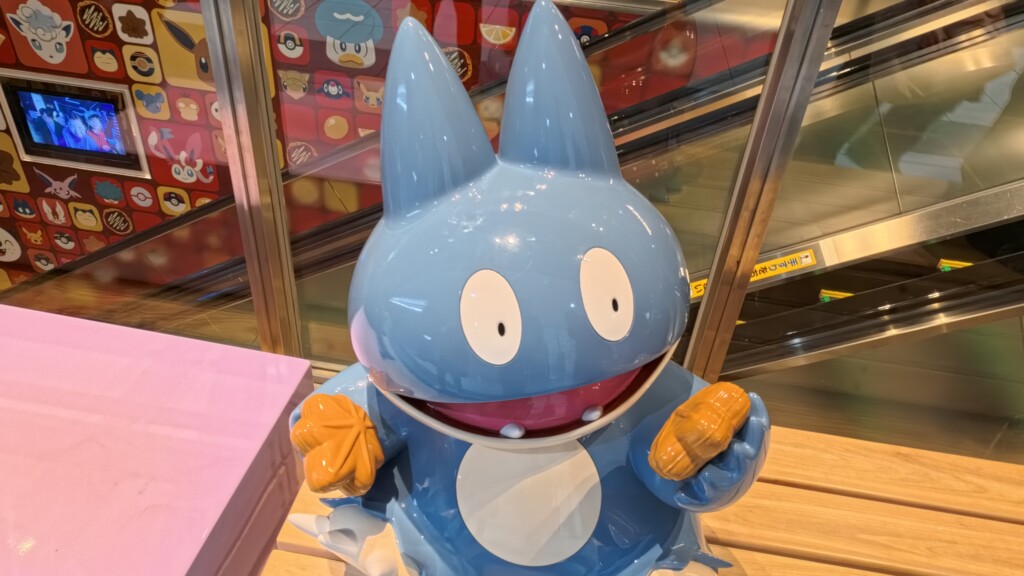
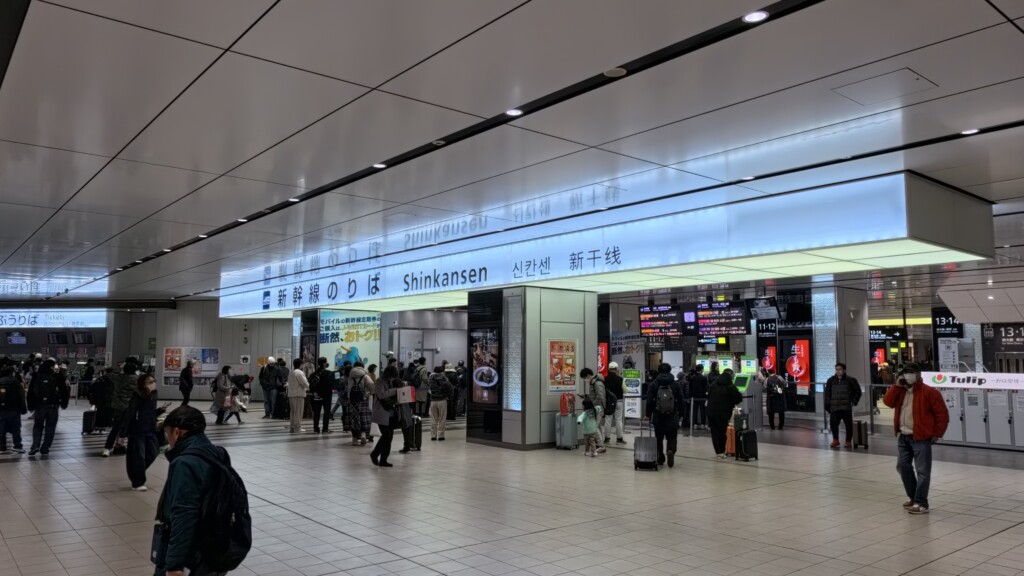
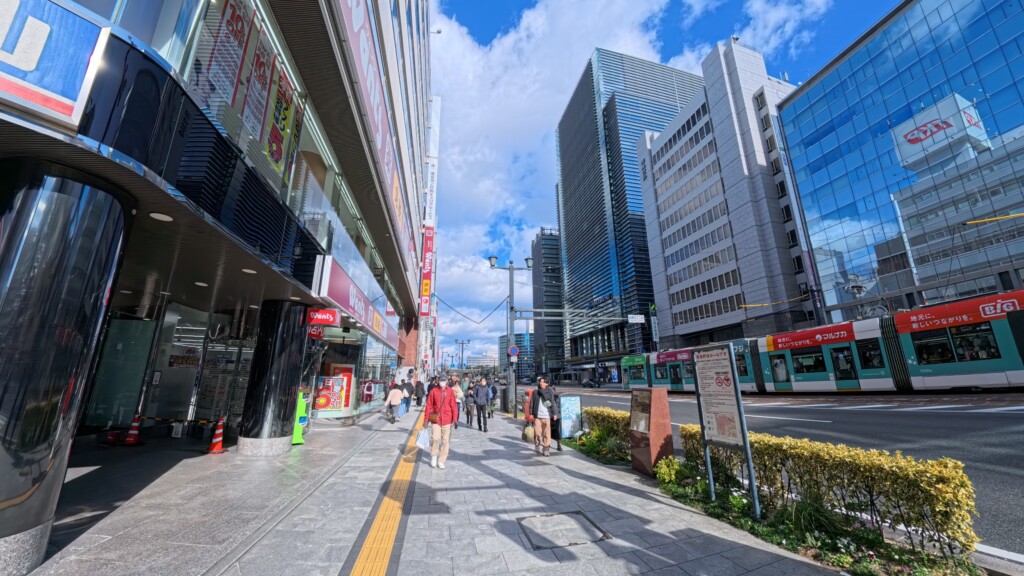
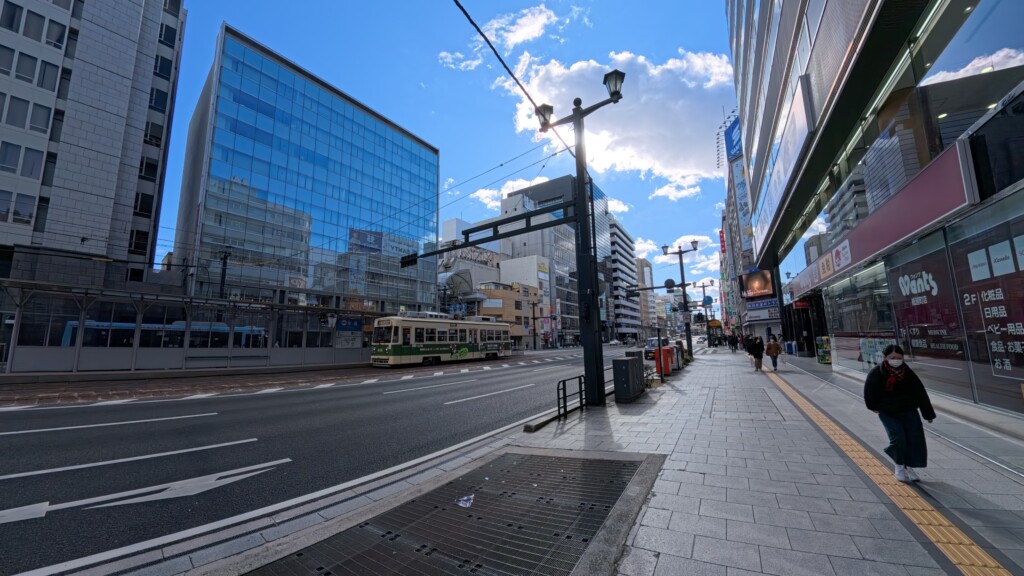
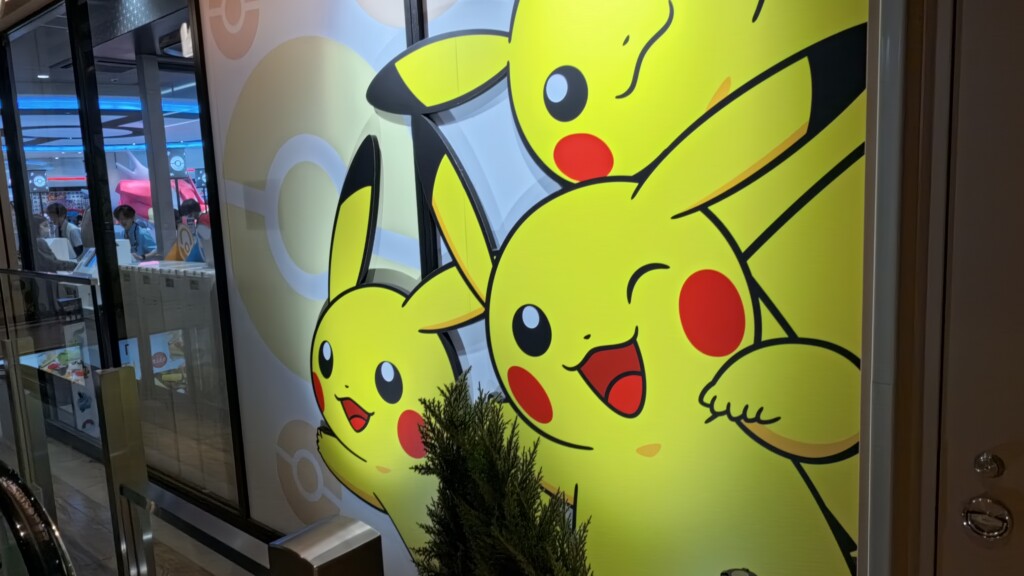
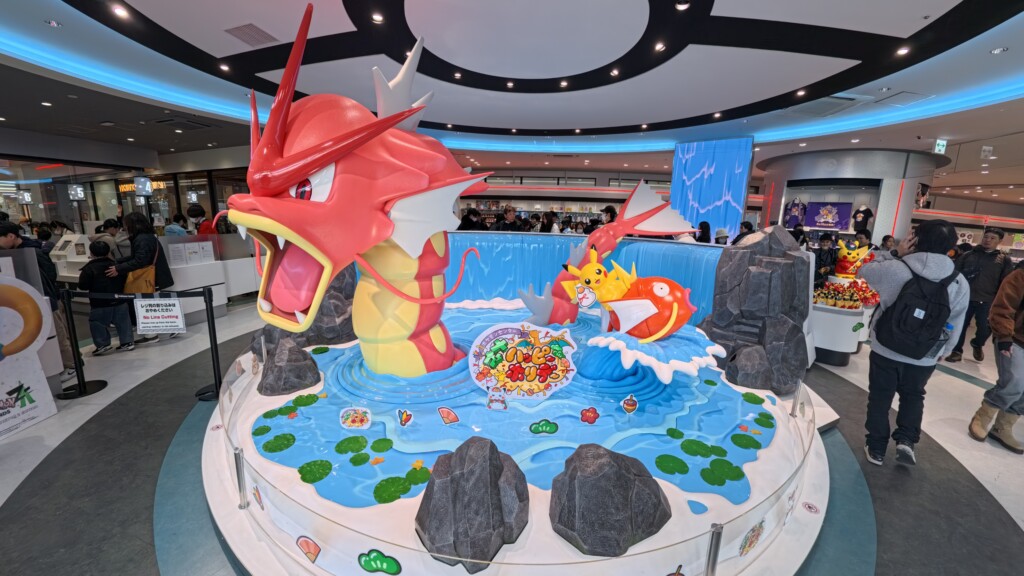
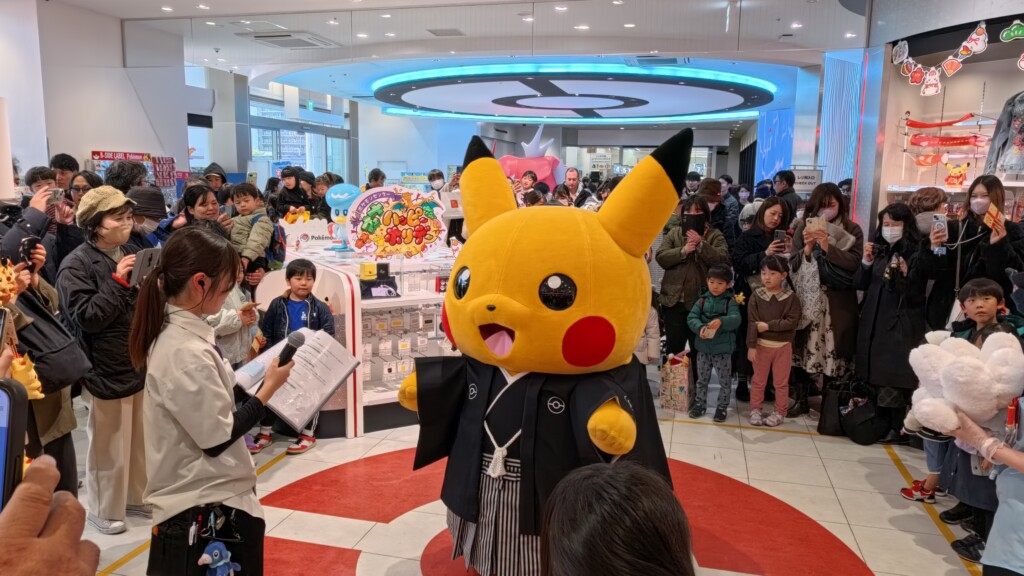
We caught the bus back to the station to prepare for our departure from Hiroshima. We had enough time for a quick visit to the Pokémon Center, where we were lucky enough to see a mascot Pikachu running around the store. After retrieving our luggage and picking up a fresh set of lunchboxes, we headed to the platforms to wait for our Shinkansen down to Hakata Station in Fukuoka. Interestingly, while we waited, the Hello Kitty Shinkansen pulled into the station on its return route. We were not riding it this time, but it was a fun bonus to see it one last time, especially since JR West has announced that the beloved themed train will be permanently taken out of service in May 2026.
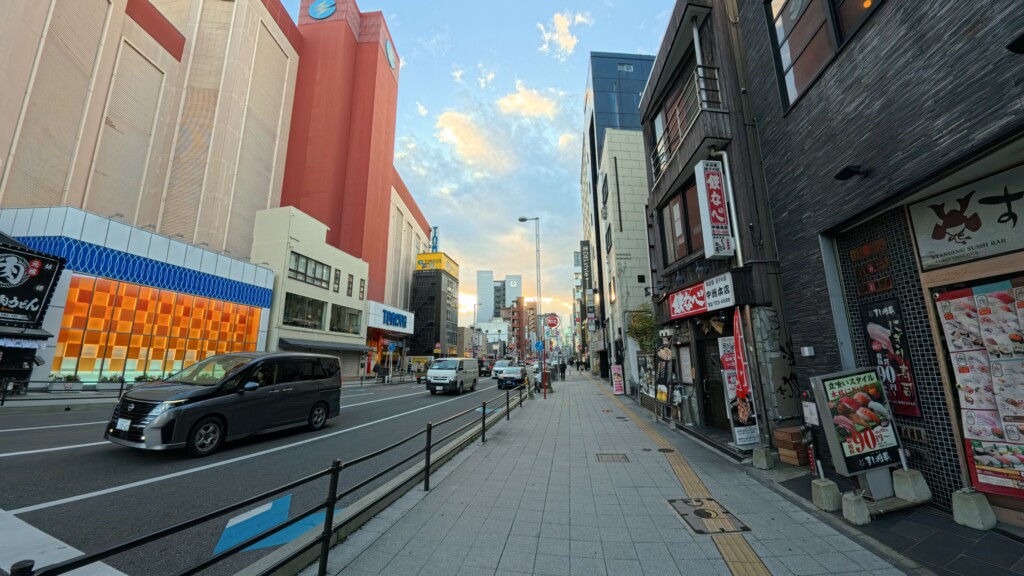
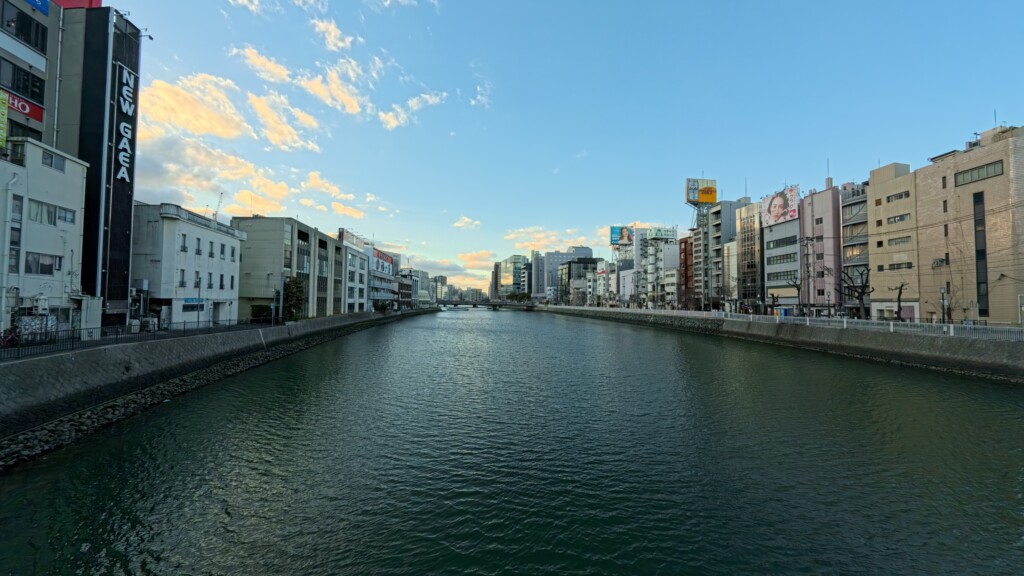
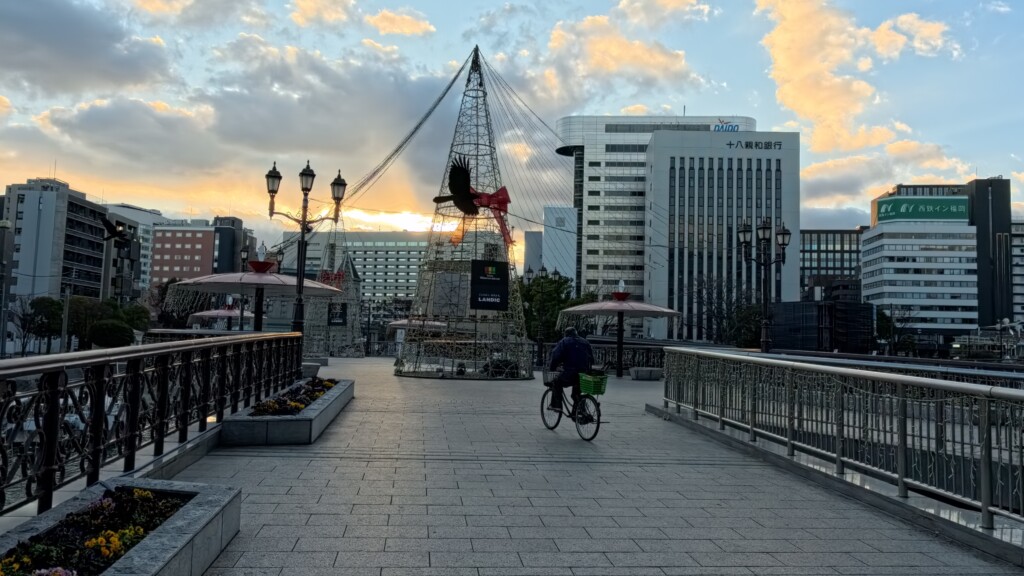
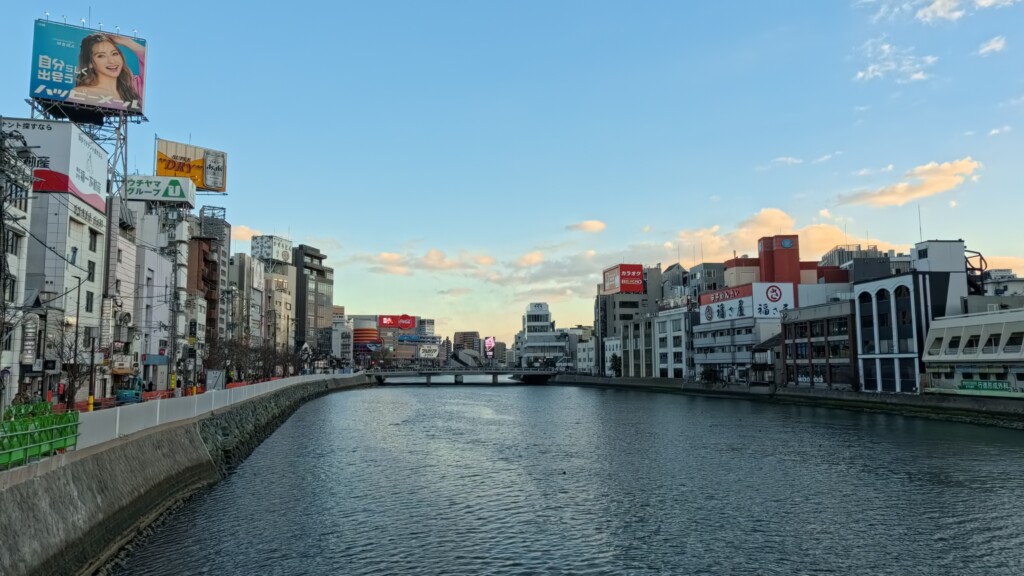
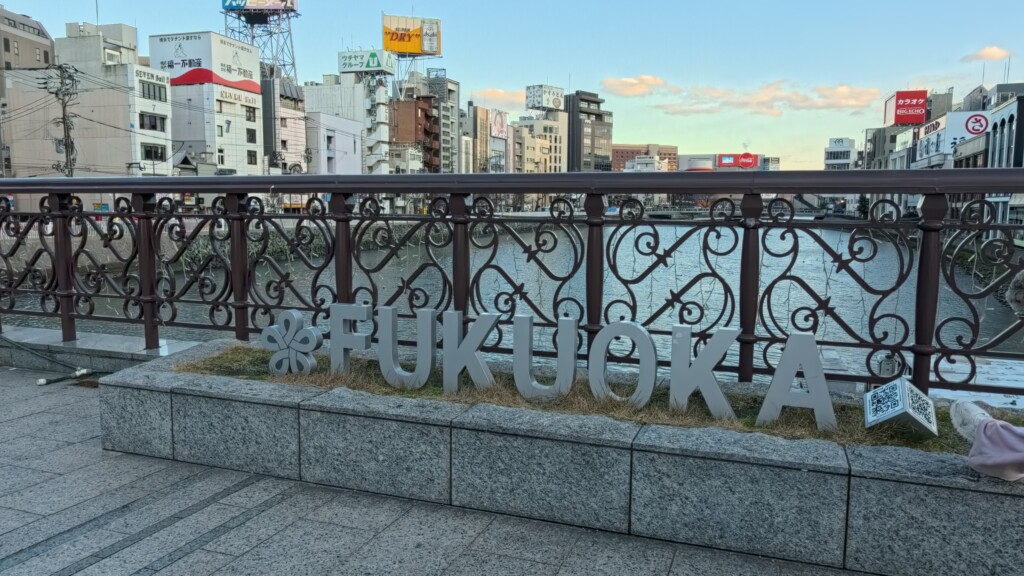
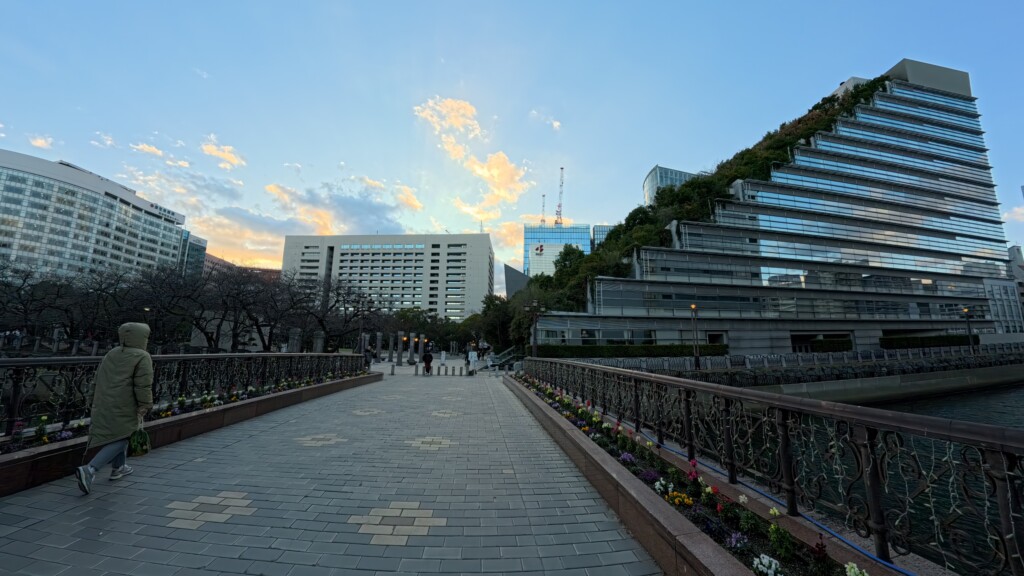
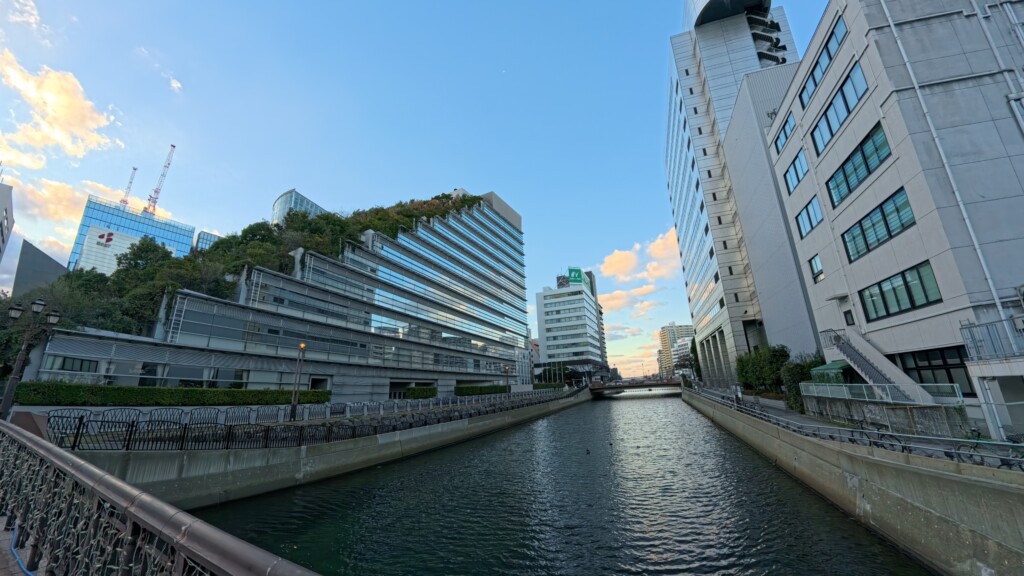
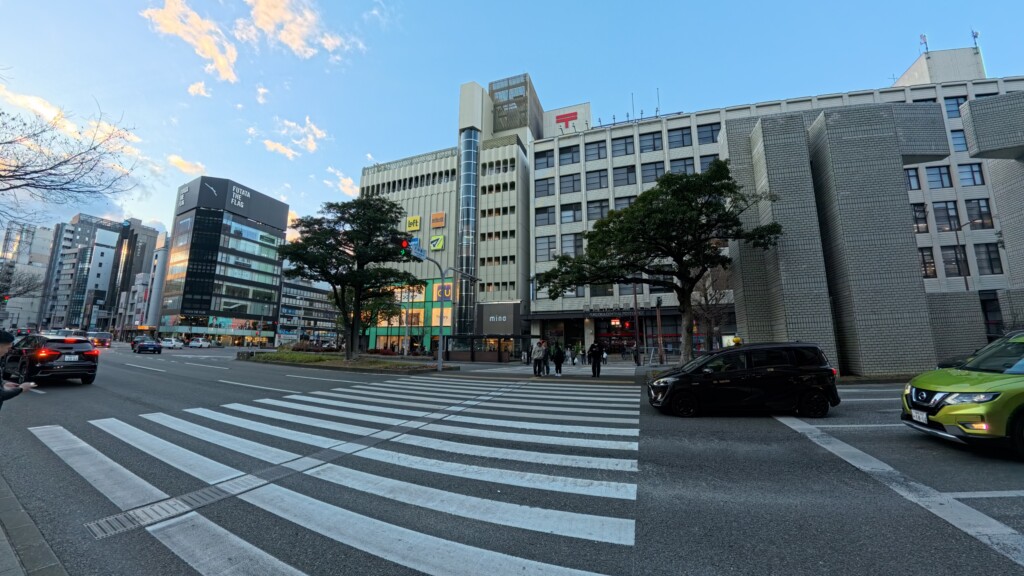
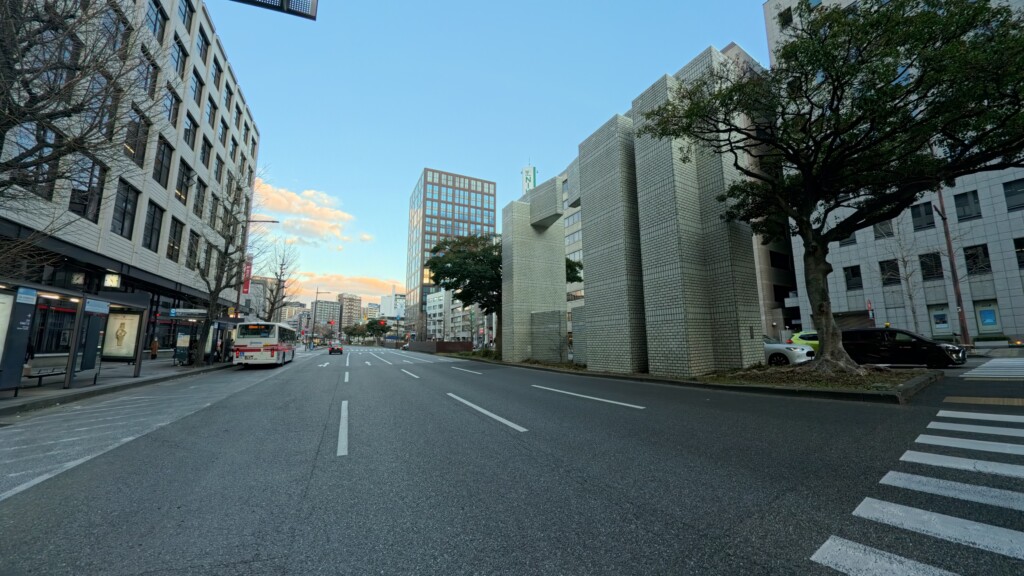
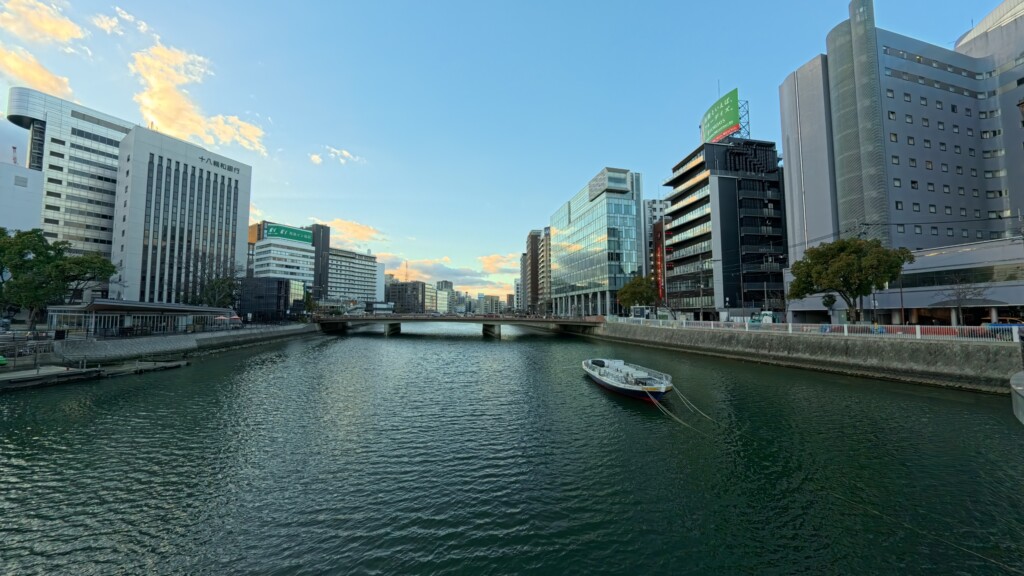
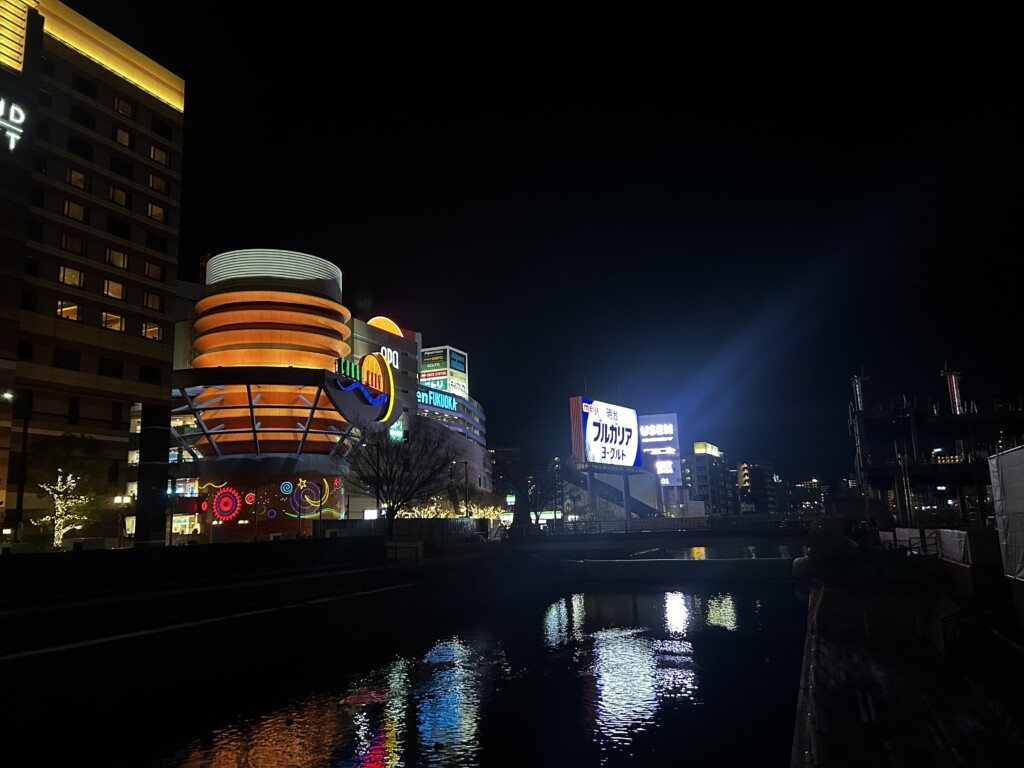
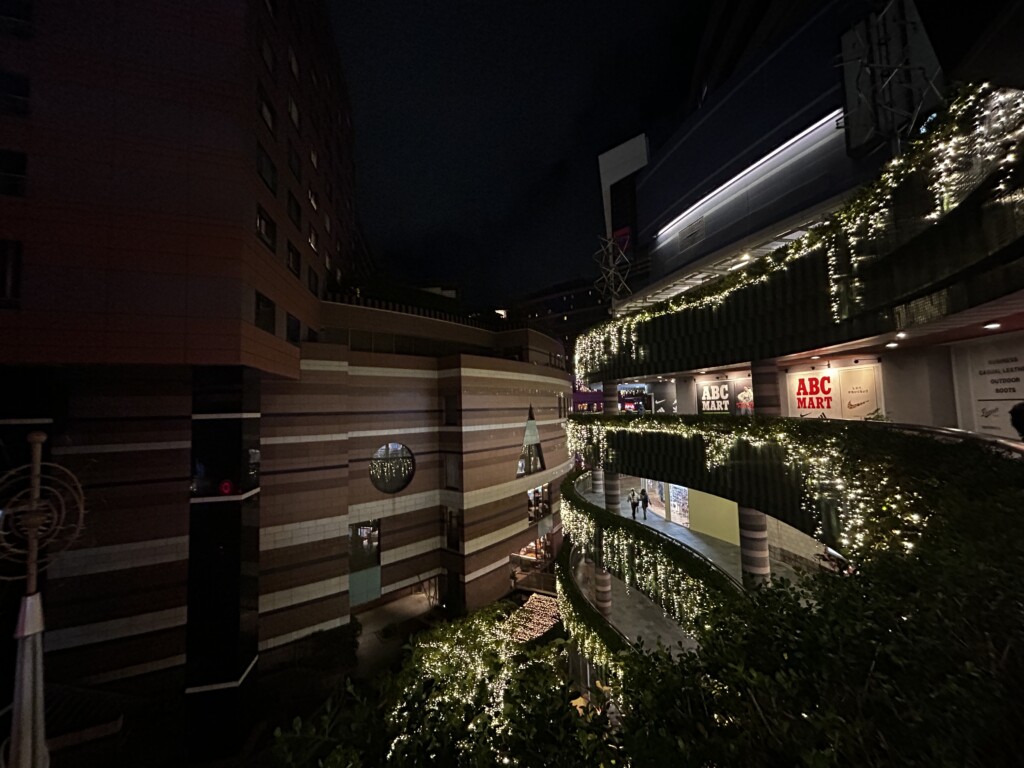
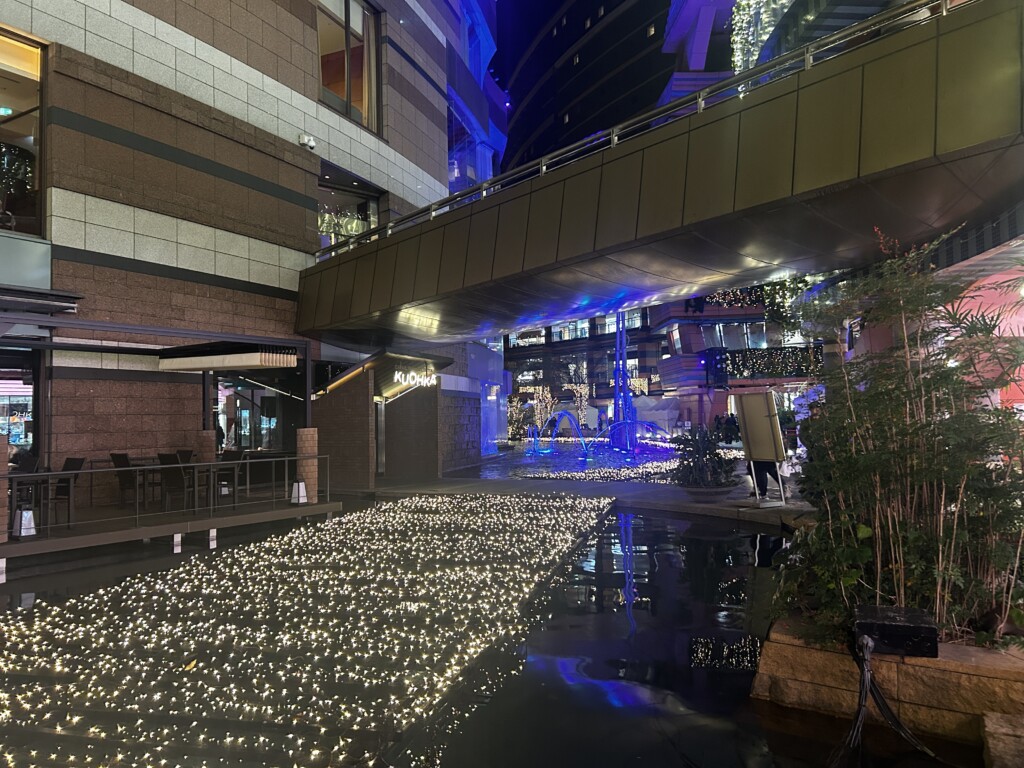
The high-speed rail network delivered us smoothly to Fukuoka on the island of Kyushu. We checked into our hotel, located conveniently between the bustling Tenjin and Nakasu districts, not far from the massive Canal City Hakata shopping complex. It was toward Canal City that we took our evening walk. Among the winding, water-lined corridors of the mall, Little A happily discovered another Cinnamoroll café. Unlike the chaotic drop-in situation we faced in Osaka’s Dotonbori, this location had much clearer instructions on how to reserve a table. We successfully managed to book a slot for Susann and Little A for the following day, setting a cheerful tone for our final stretch of time in Japan.