

Finishing the Adventure in Seoul | East Asia Winter Exploration 2025/26 [8/8]
Leaving the coastal cliffs and organic sprawl of Busan behind, the final leg of our three-week East Asia winter exploration had arrived. We took a short domestic flight back up the peninsula, returning to the capital, Seoul, to close the loop on a journey that had spanned two countries, multiple climate zones, and a relentless schedule of trains and city walking. Returning to where our trip originally began offered a certain sense of familiarity, though our itinerary for these final days was designed to push us outward, exploring entirely new districts and neighboring cities rather than retreading our earlier steps.
Our focus for the conclusion of this trip was uncovering the historical layers of the capital region. We planned to balance the preservation of ancient fortress walls with the gritty realities of industrial port districts and the hyper-modern, neon-lit avenues of Gangnam. It would be a cold and busy wrap-up to an intense family journey, packing in as much exploration as our tired feet could handle before we inevitably had to face the long flight back across the globe to the Swedish winter.
Return to Seoul and Military History
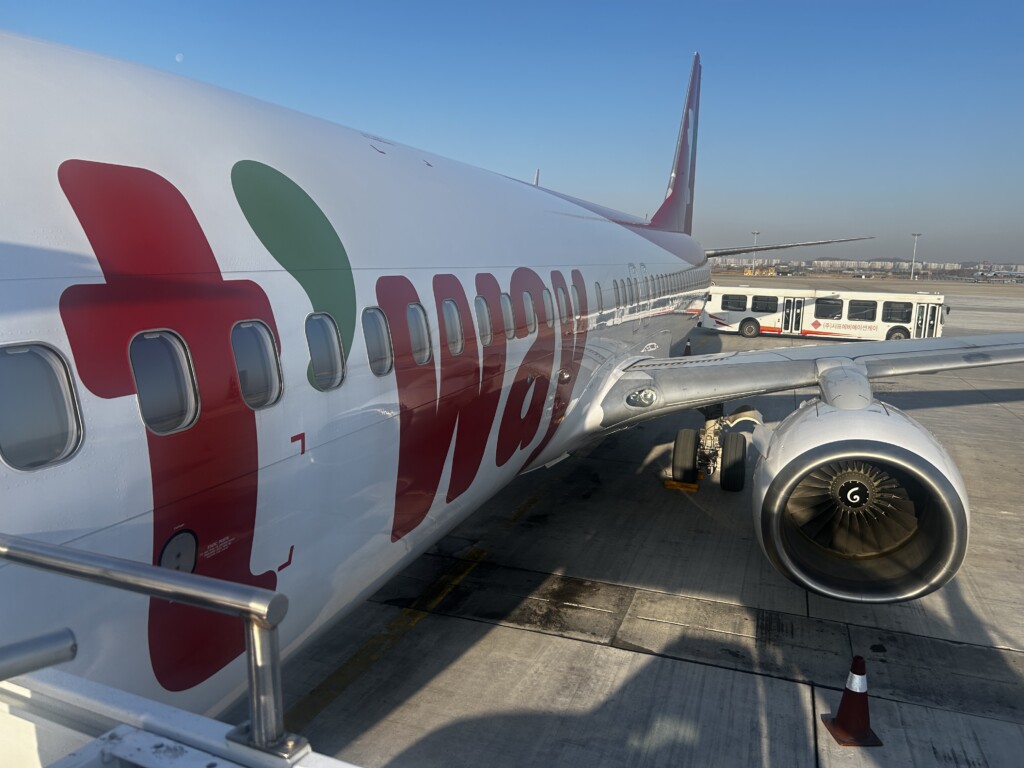
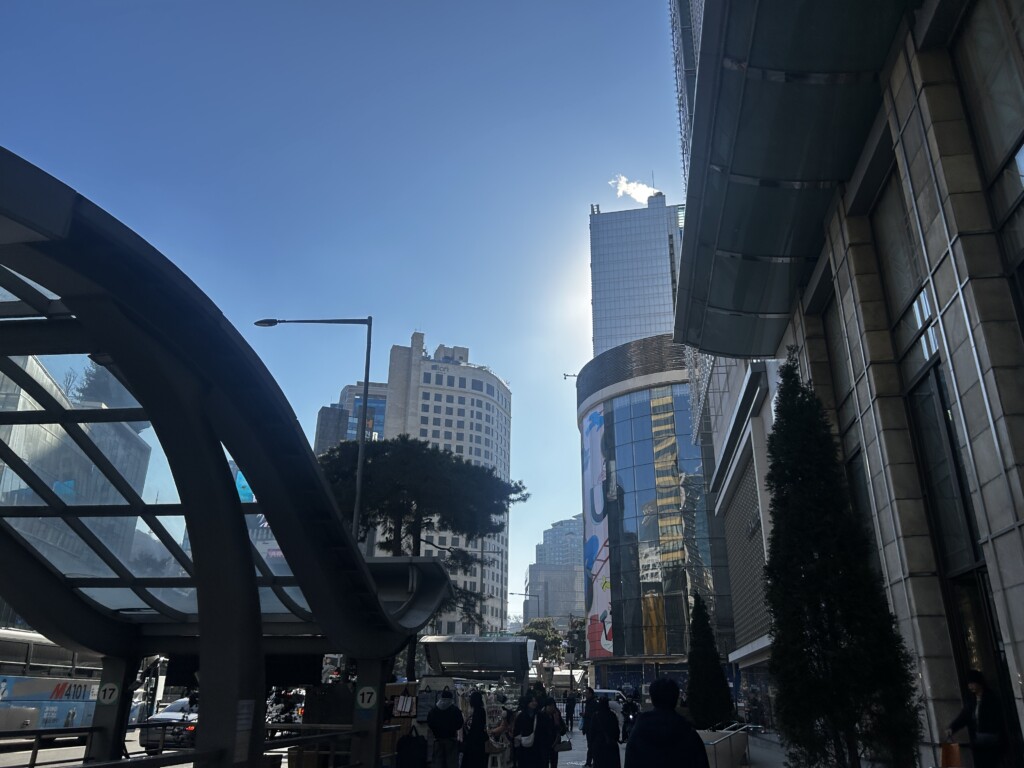
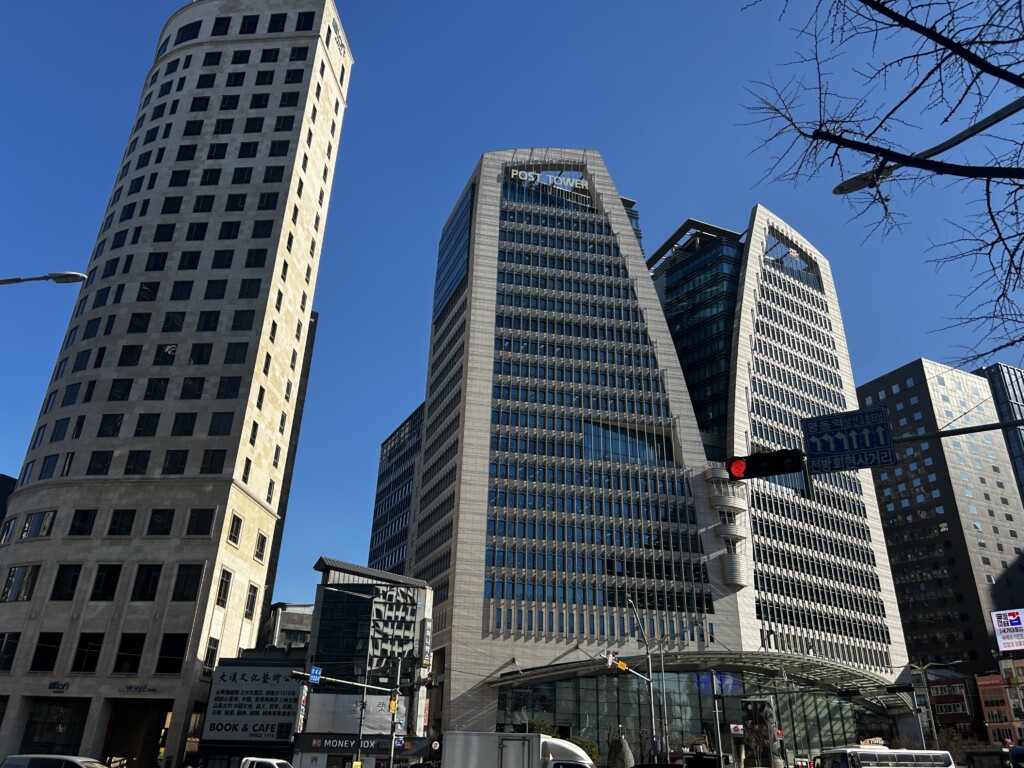
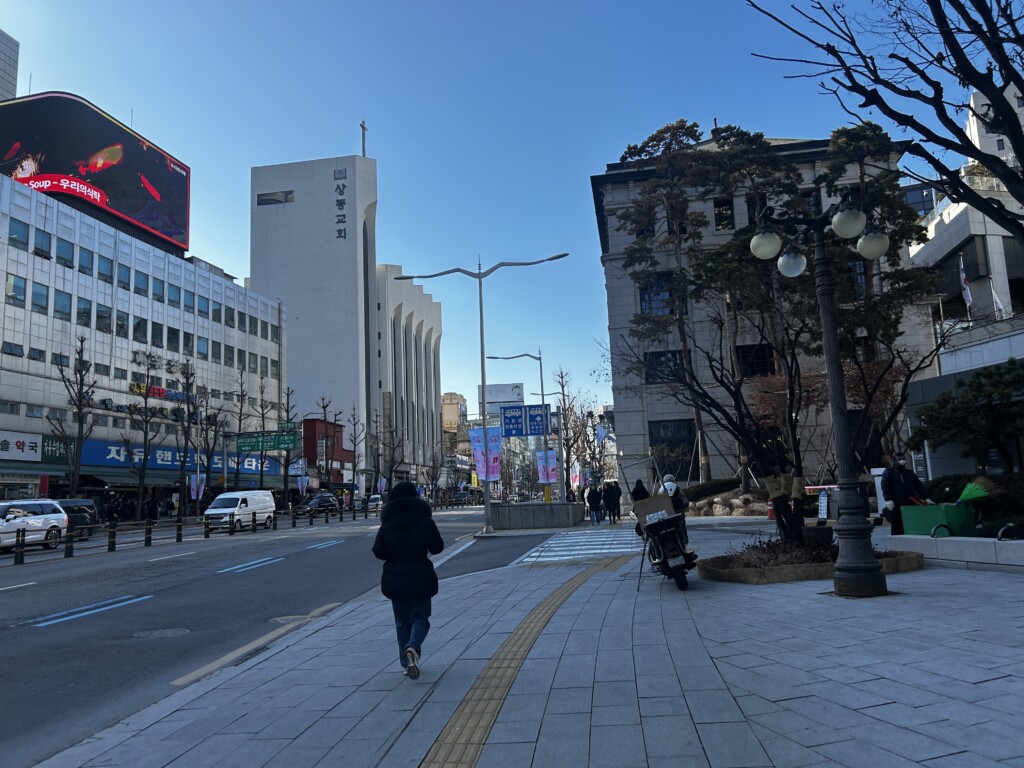
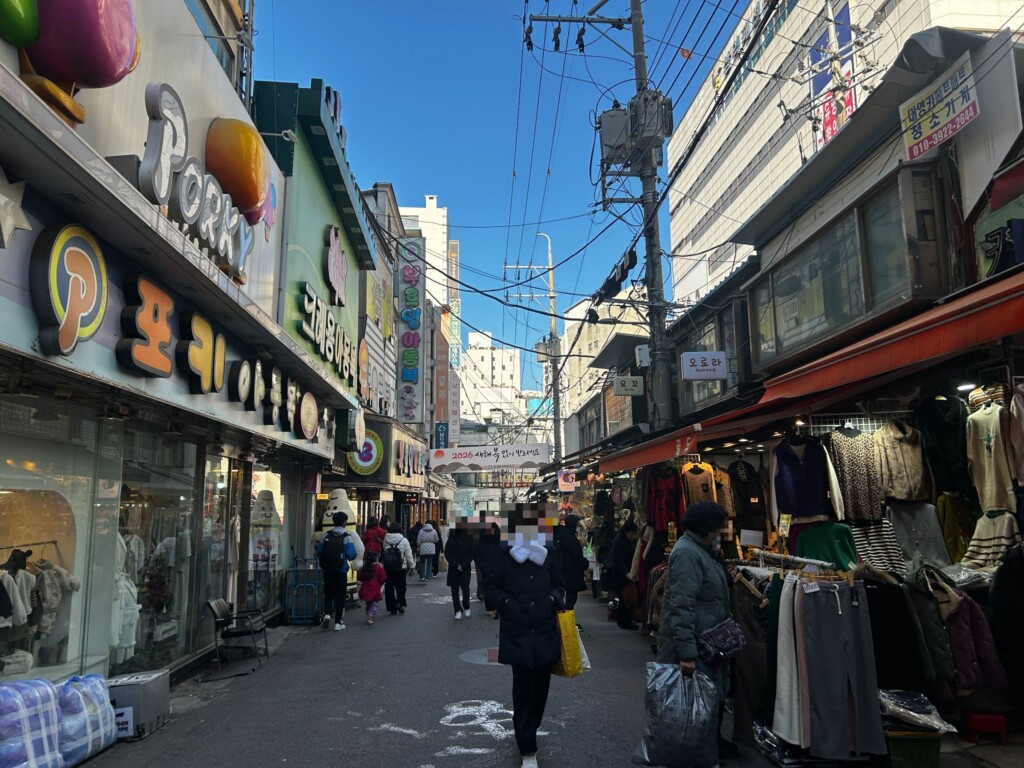
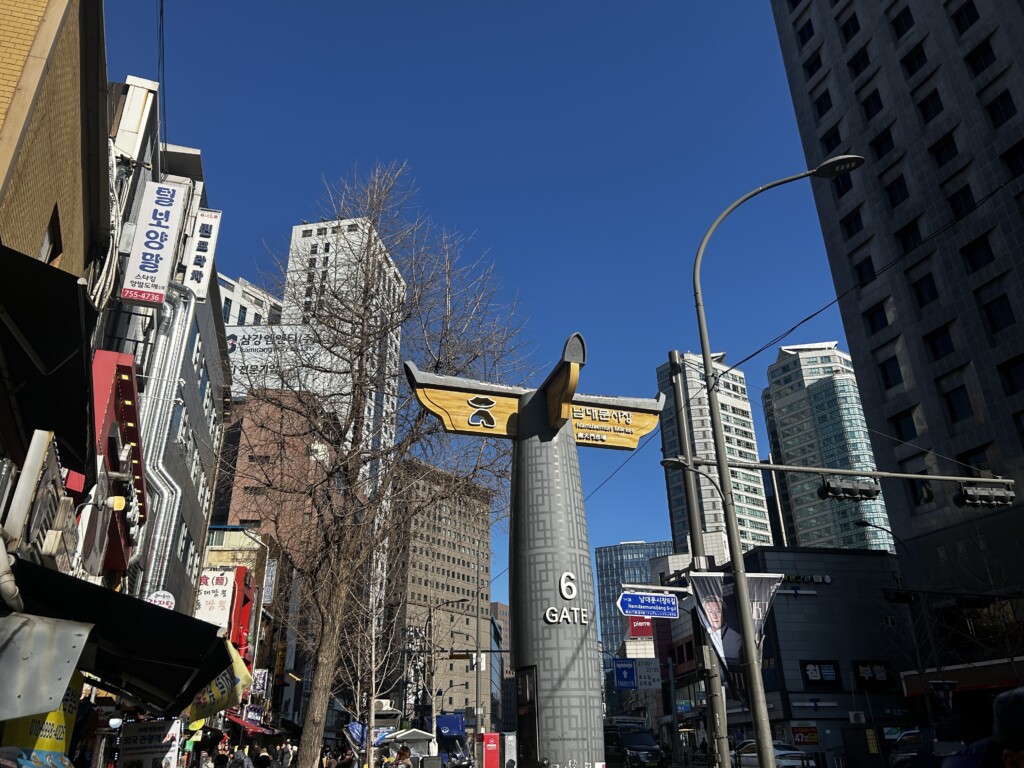
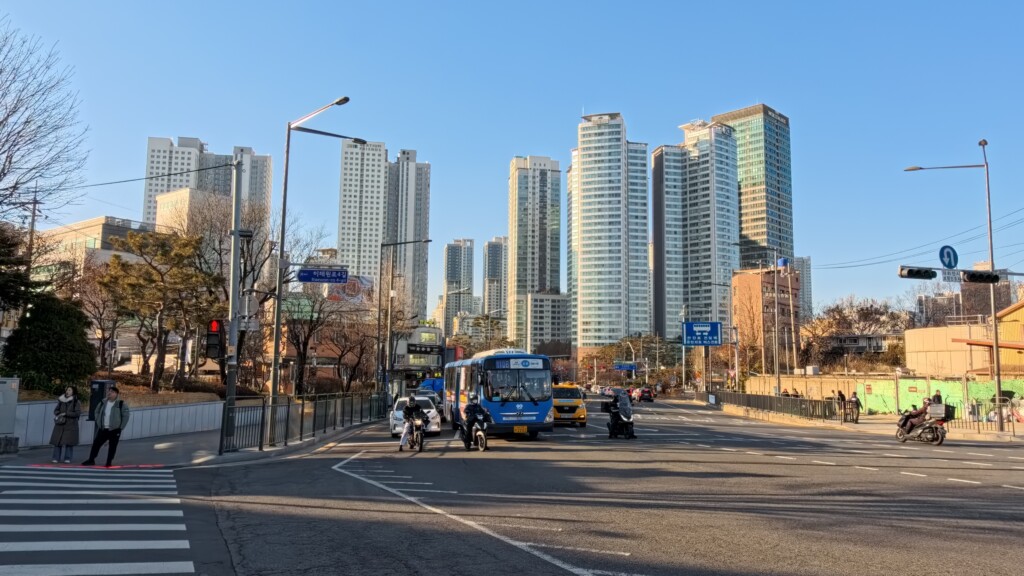
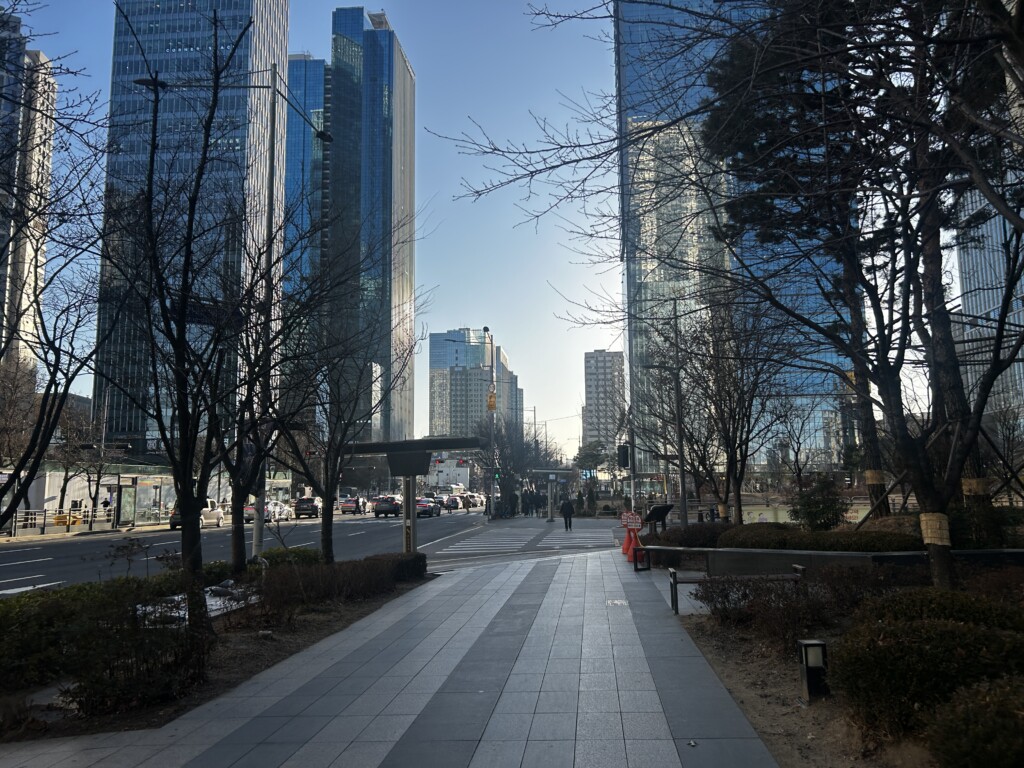
The morning of January 7 began with a domestic flight on t’way Air, taking us from Busan back up to Seoul’s Gimpo Airport. Upon arrival, we headed straight into the city to check into our hotel in the bustling Myeongdong district. We grabbed a quick lunch in the expansive food court at the flagship Lotte Department Store before heading back out to explore.
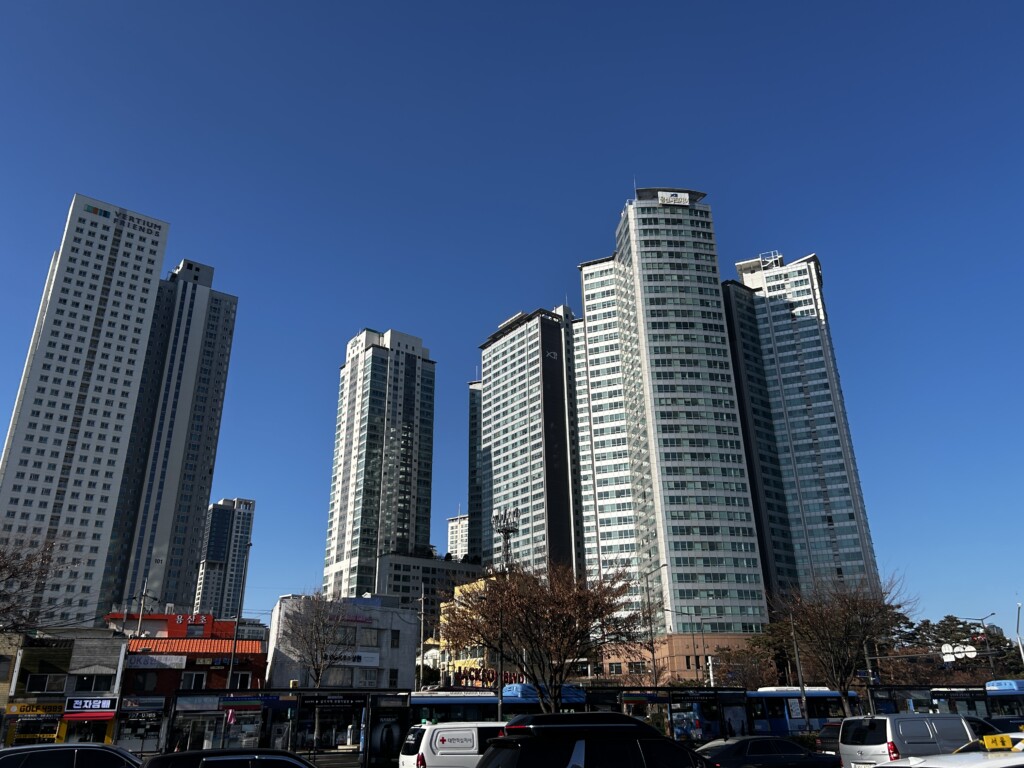
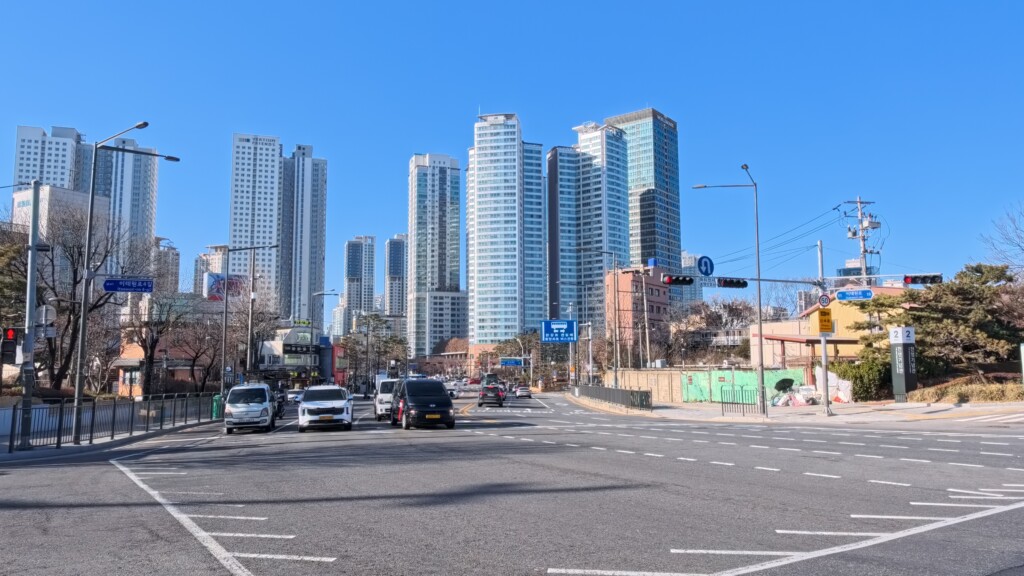
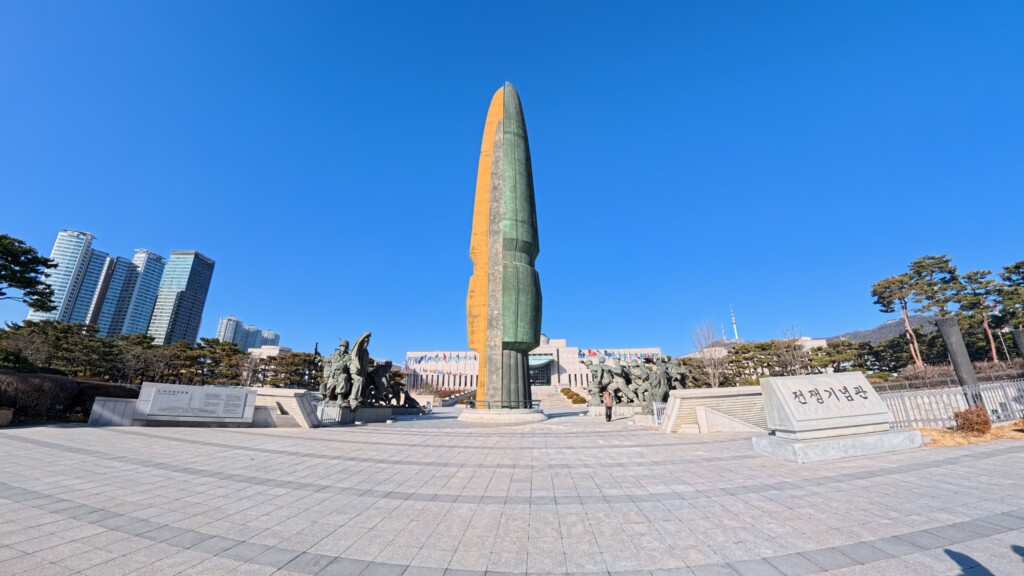
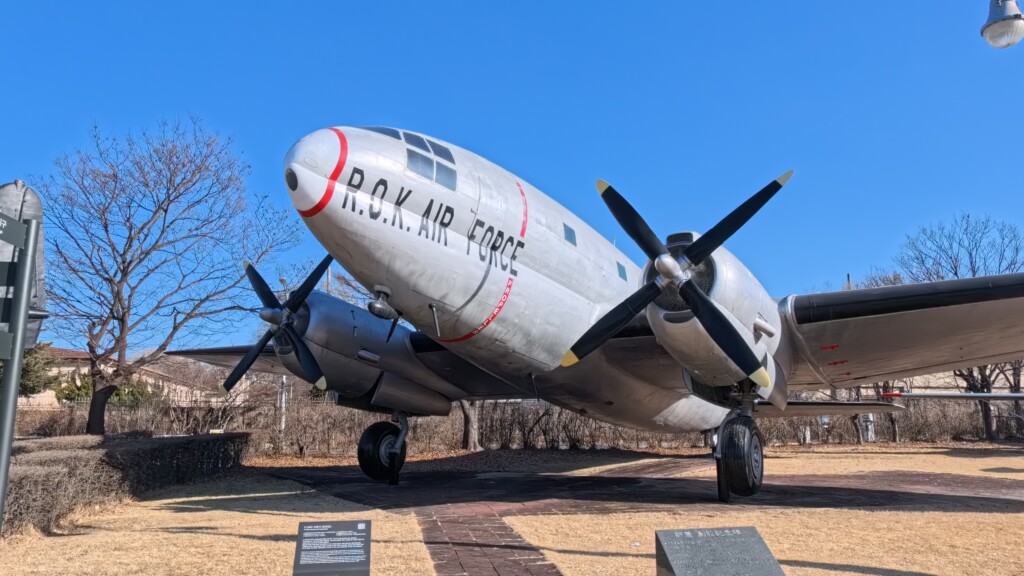
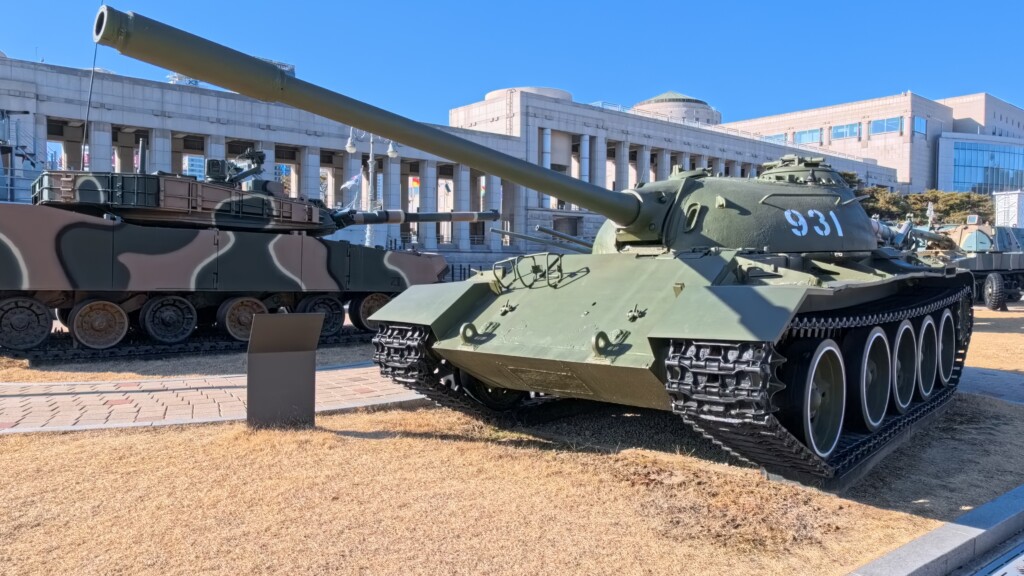
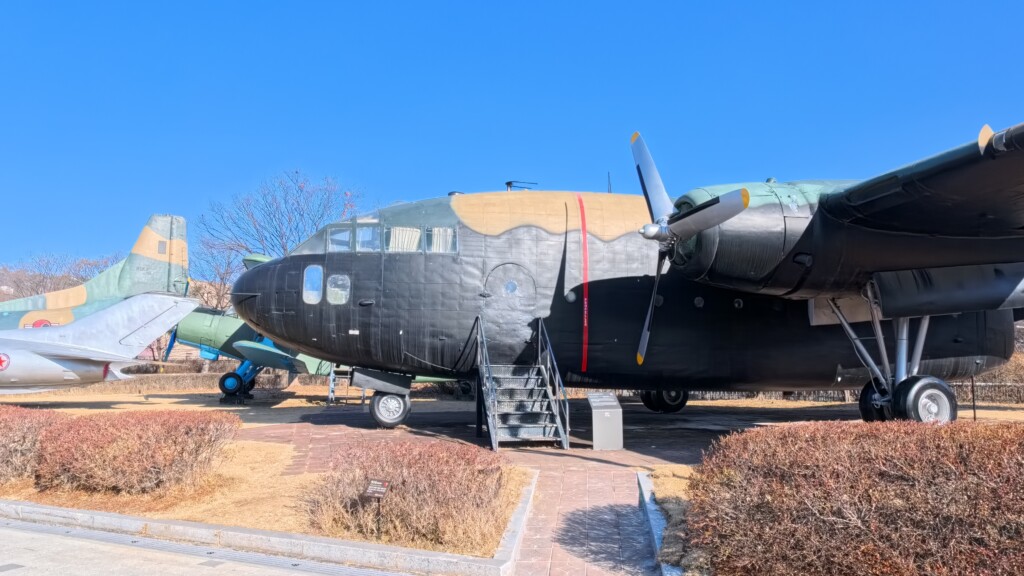
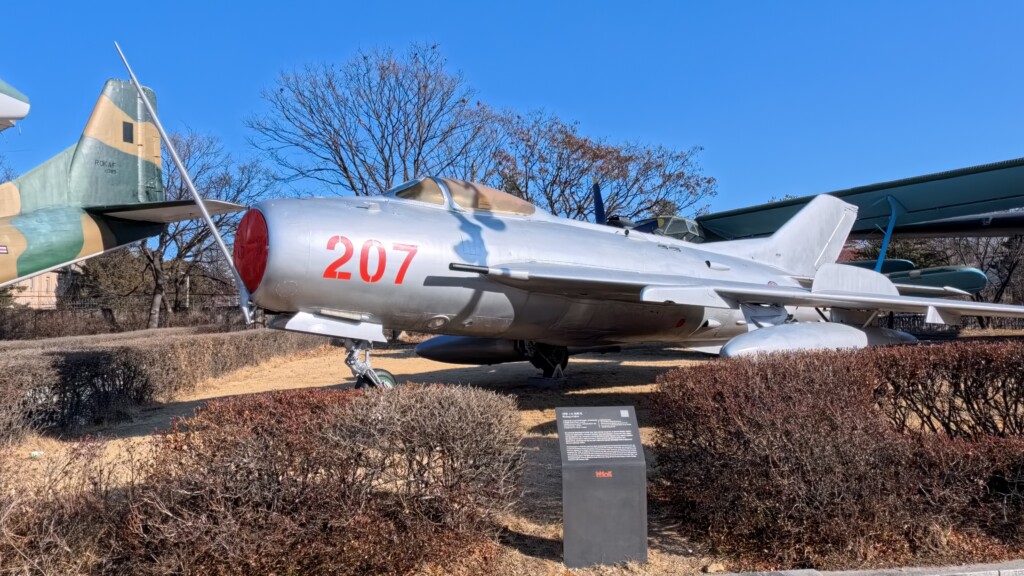
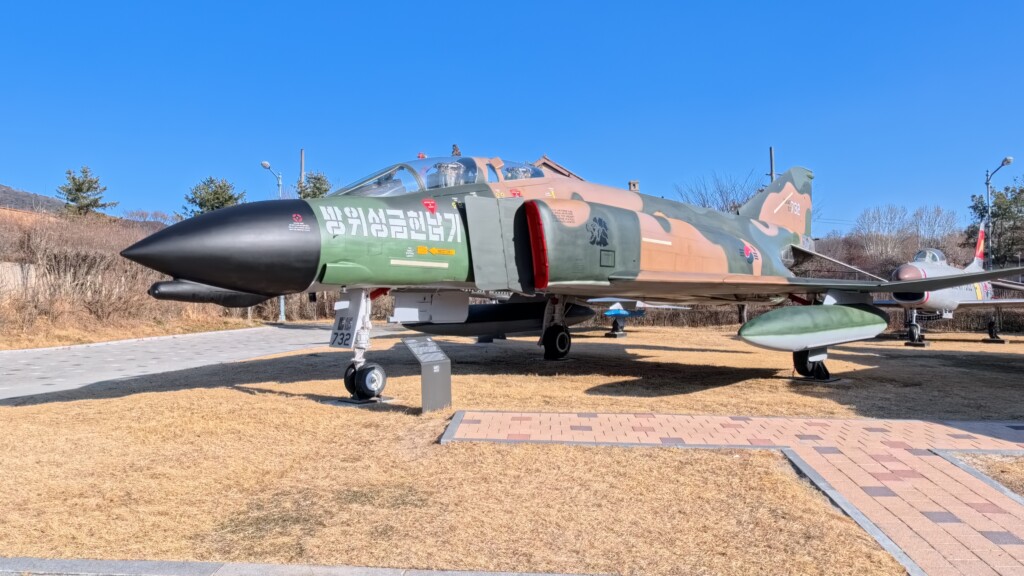
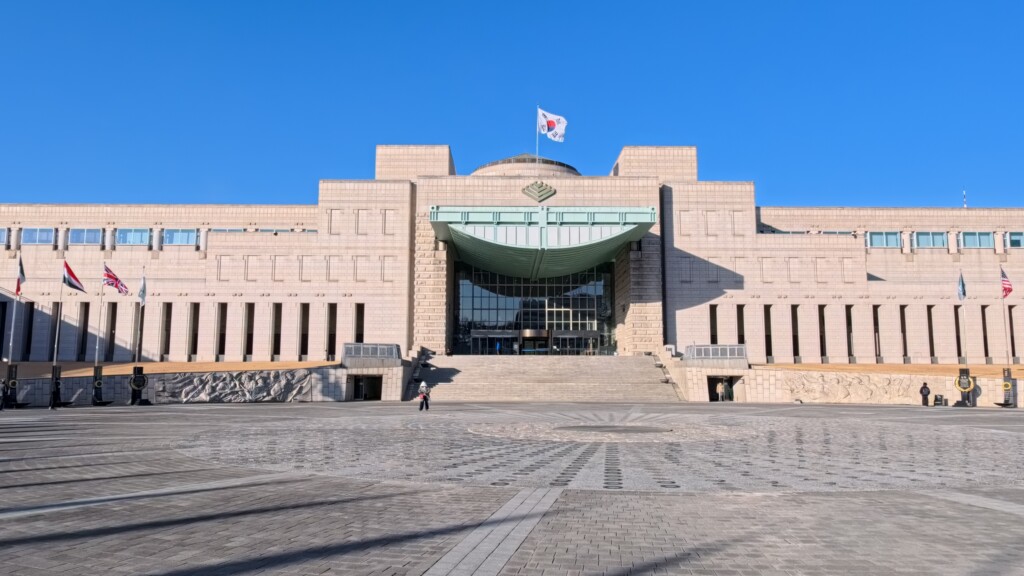
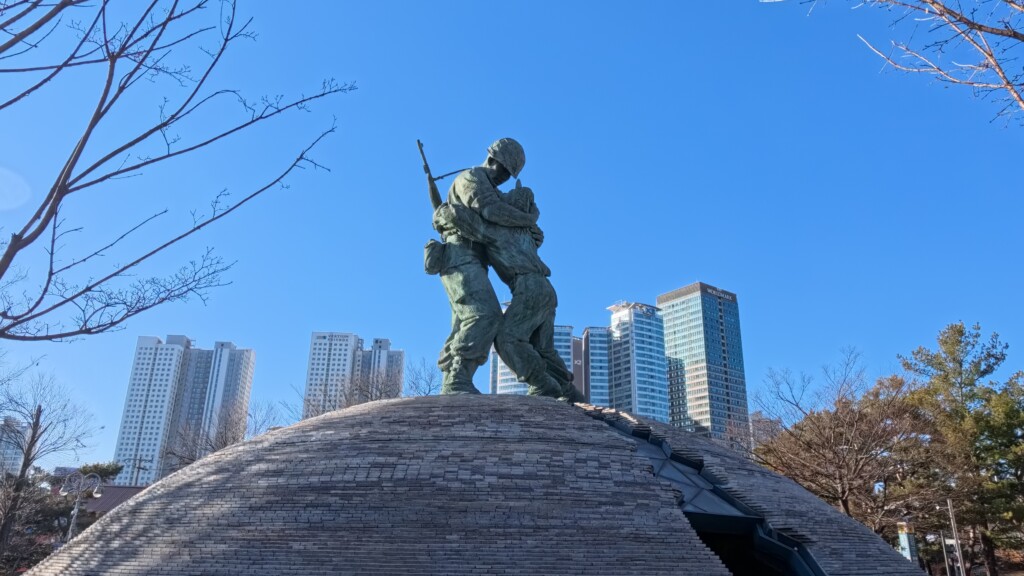
We took the subway to Yongsan to visit the War Memorial of Korea. Susann and Little A were less interested in the heavy military history, so they opted to spend some time relaxing at a nearby café while I explored the massive museum complex on my own. Established in 1994 on the former site of the army headquarters, the museum is incredibly comprehensive. While the exhibits covering the Korean War are extensive and harrowing, the most striking new historical takeaway for me was learning the sheer scale of South Korea’s involvement in the Vietnam War. The country deployed a massive number of soldiers and personnel to the conflict, a major detail of 20th-century history that is frequently overshadowed or entirely omitted in European history curriculums. Afterward, we reunited, briefly checked out the nearby I’Park Mall, and then made our way back to Myeongdong for the evening.


The Cold Walls of Suwon and Neon Gangnam
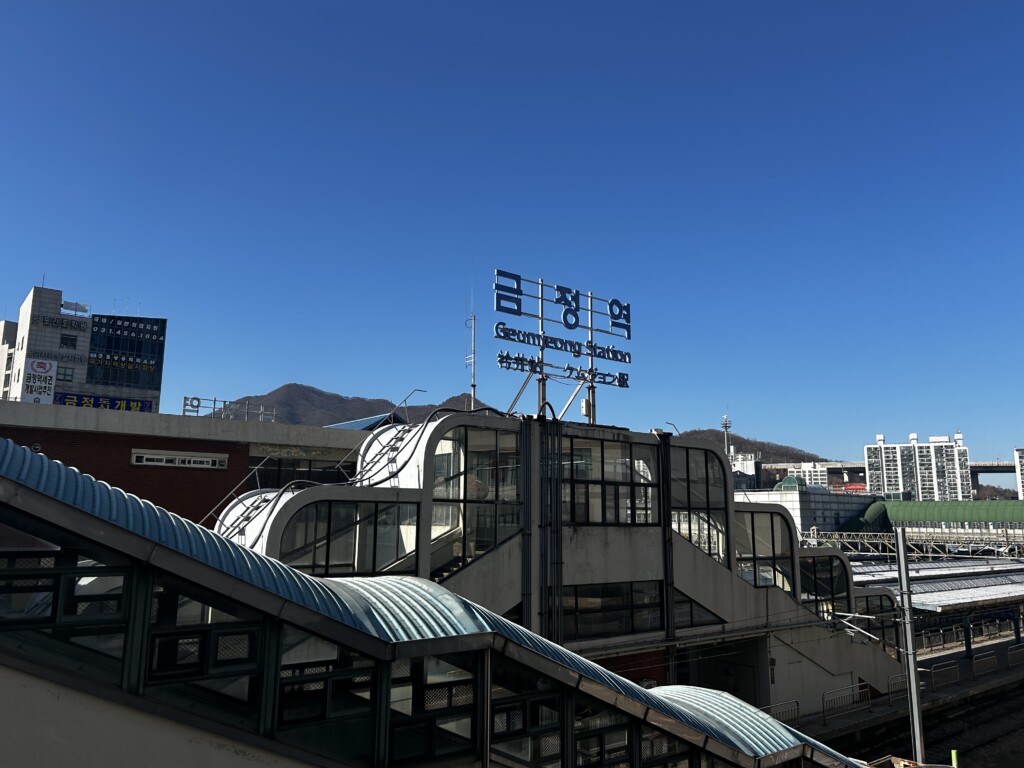
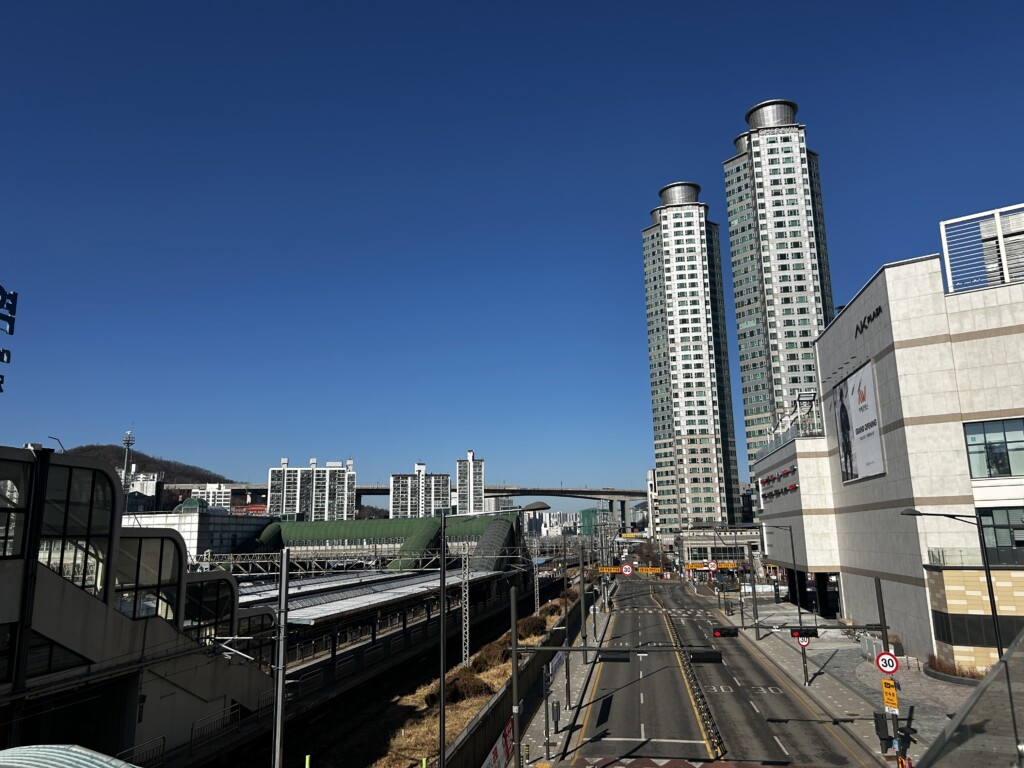
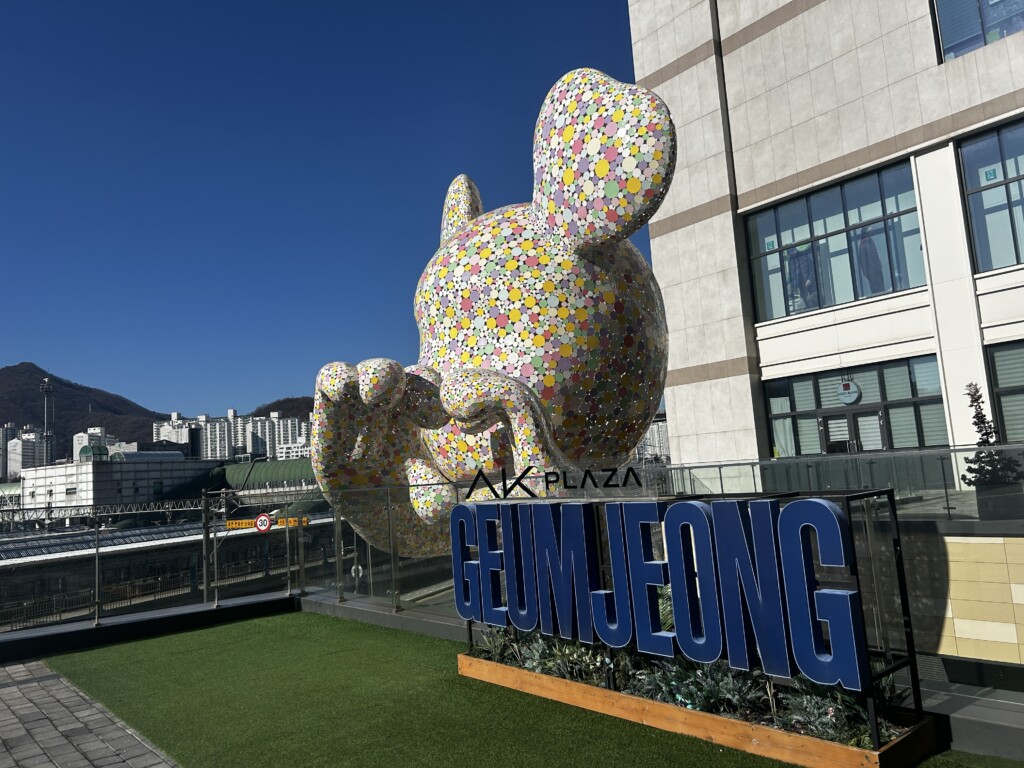
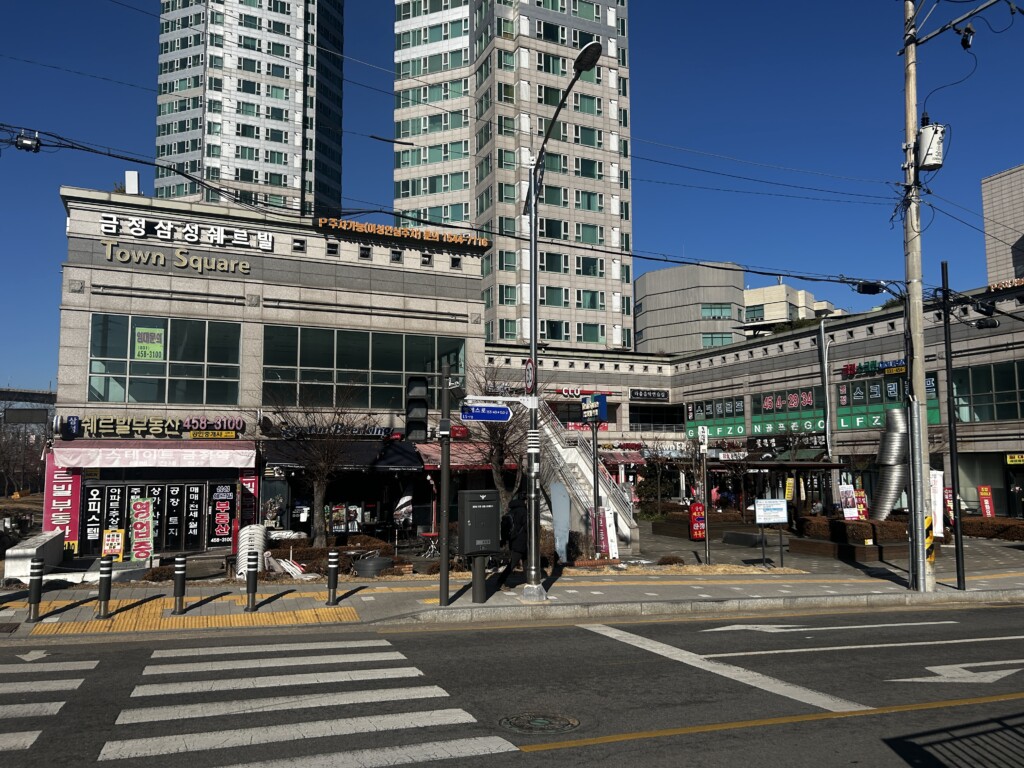
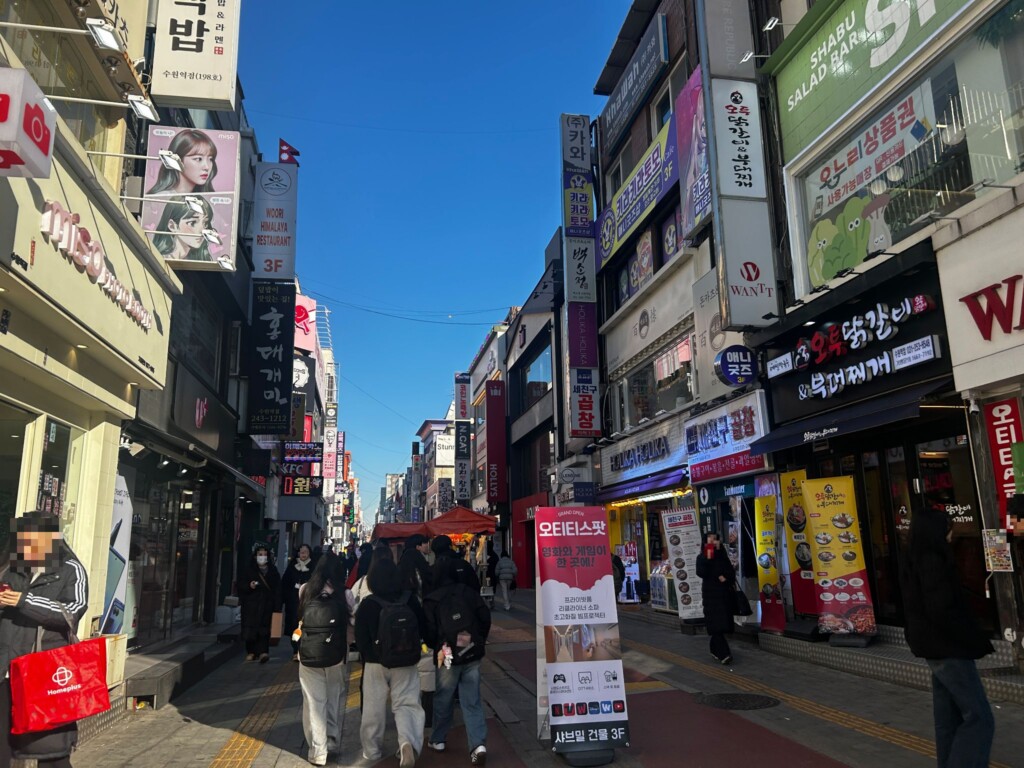
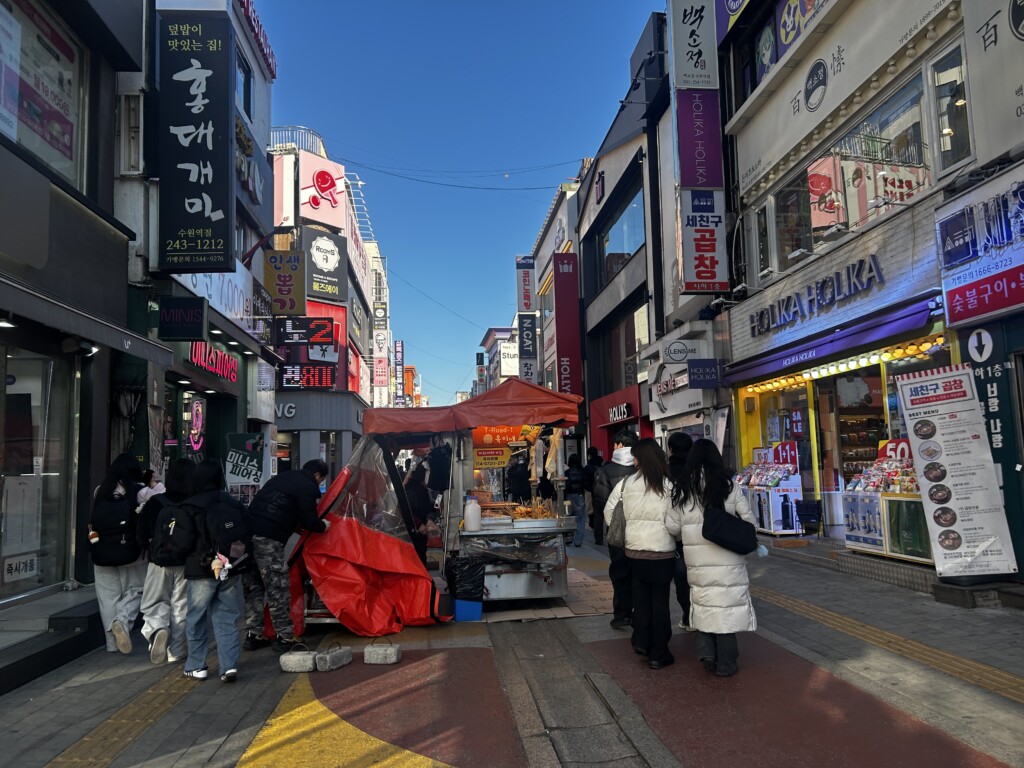
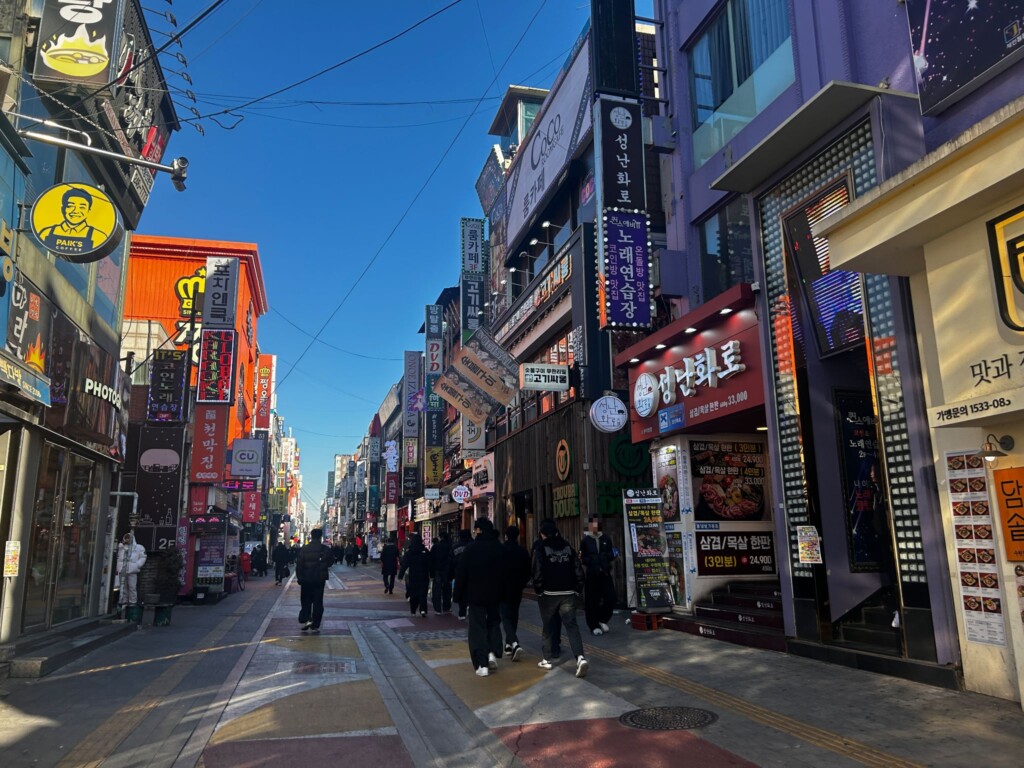
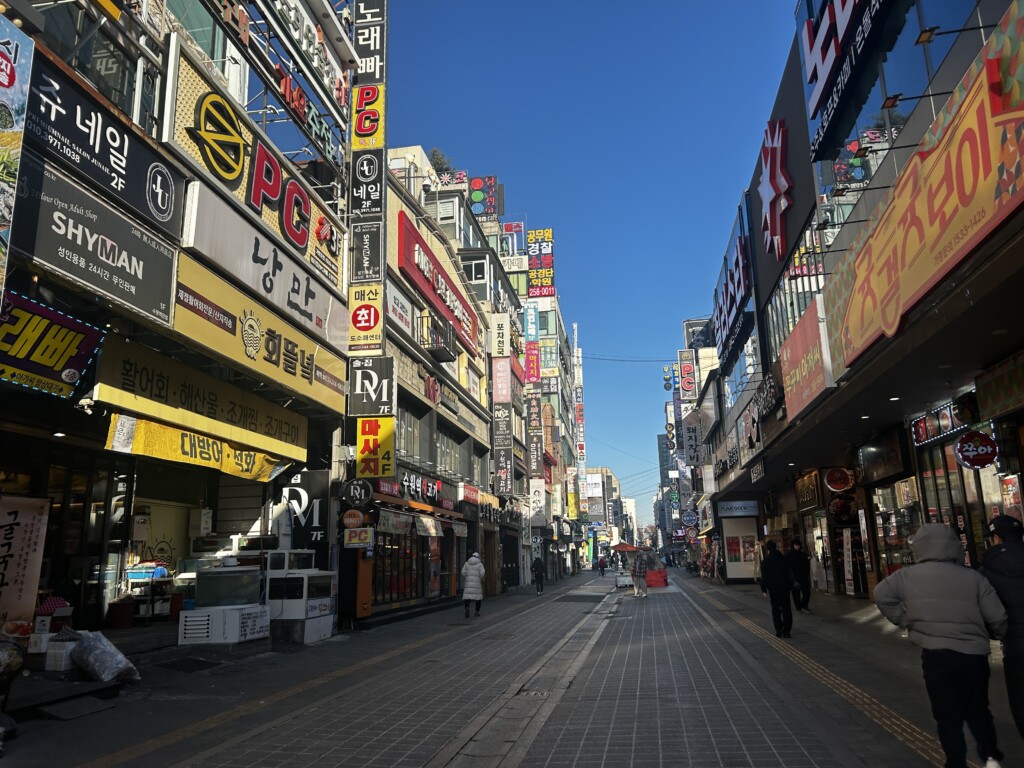
The next day, January 8, we embarked on a new adventure south of the capital. Our first transit stop was Geumjeong Station, where we grabbed a quick, familiar lunch at a Subway restaurant before continuing to our main destination for the day: Suwon. As the capital of Gyeonggi Province, Suwon felt like a completely different world compared to the hyper-modern grid of Seoul, offering a fascinating mix of bright neon signs sitting directly alongside ancient historical buildings.
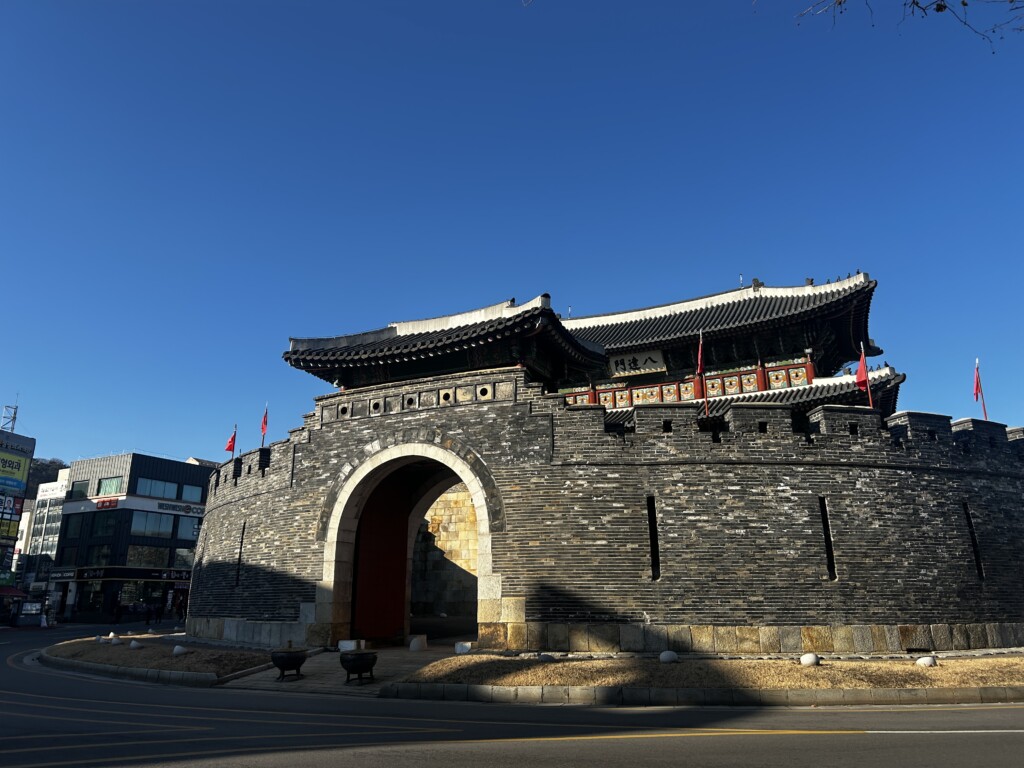
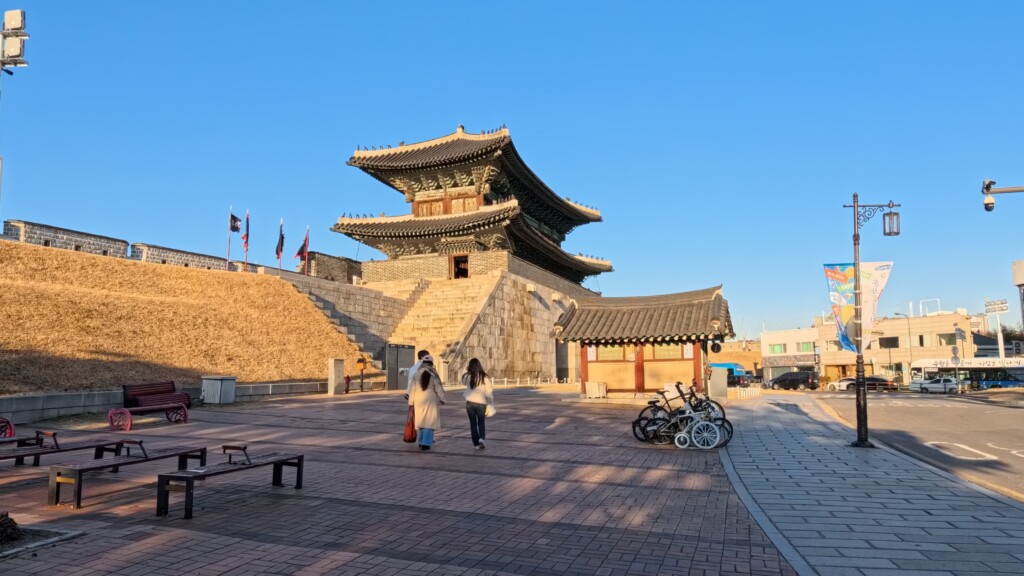
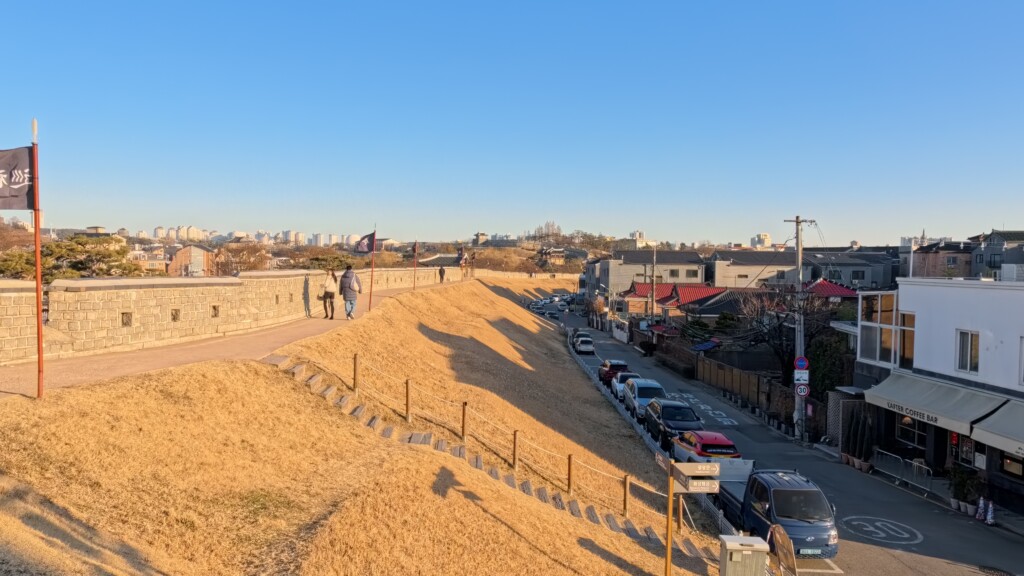
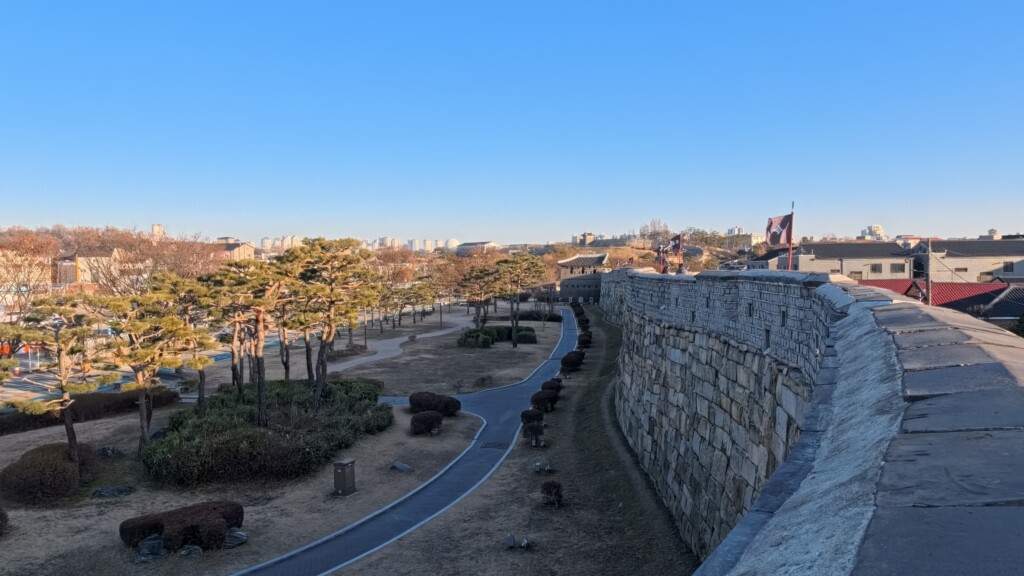
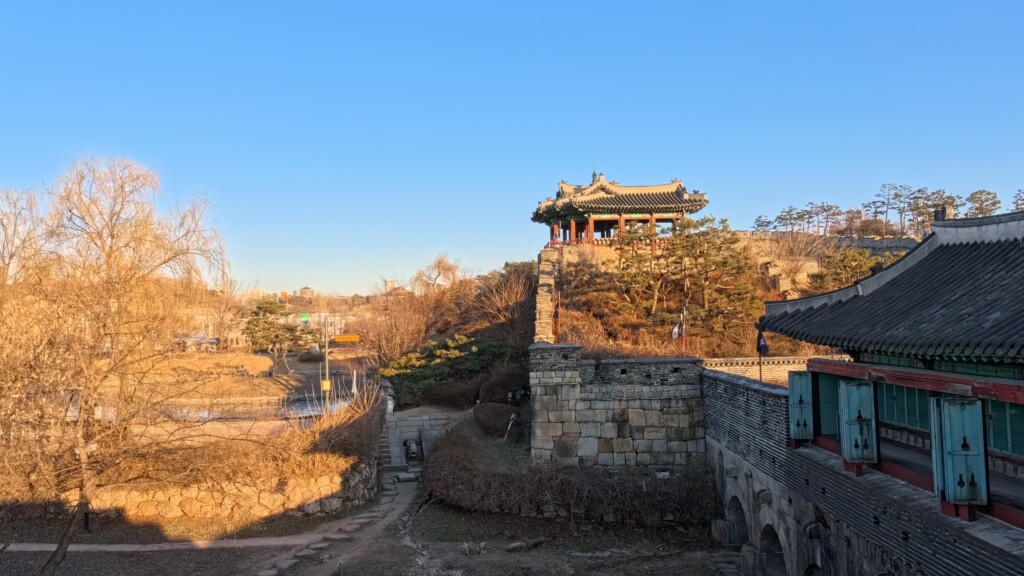
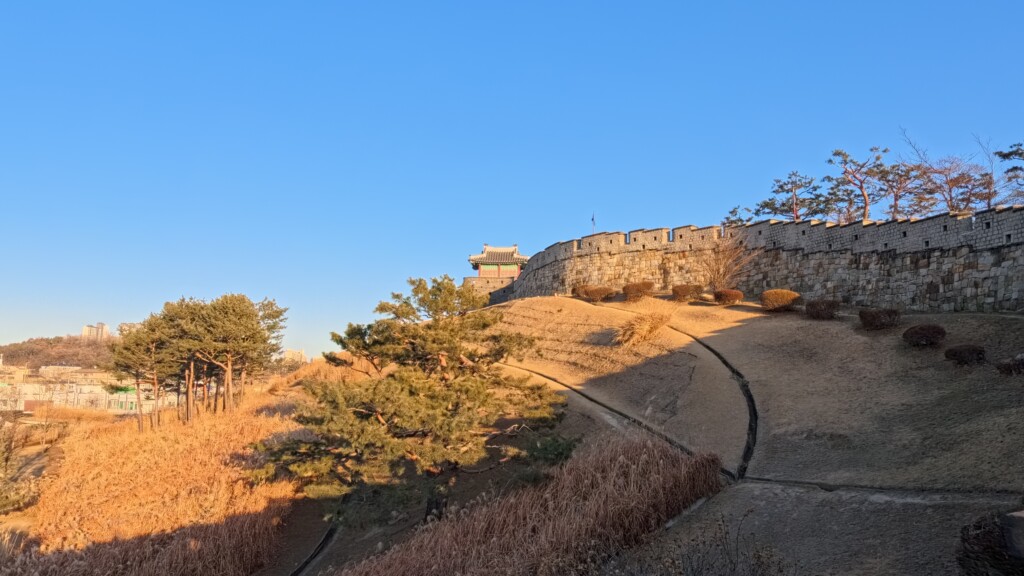
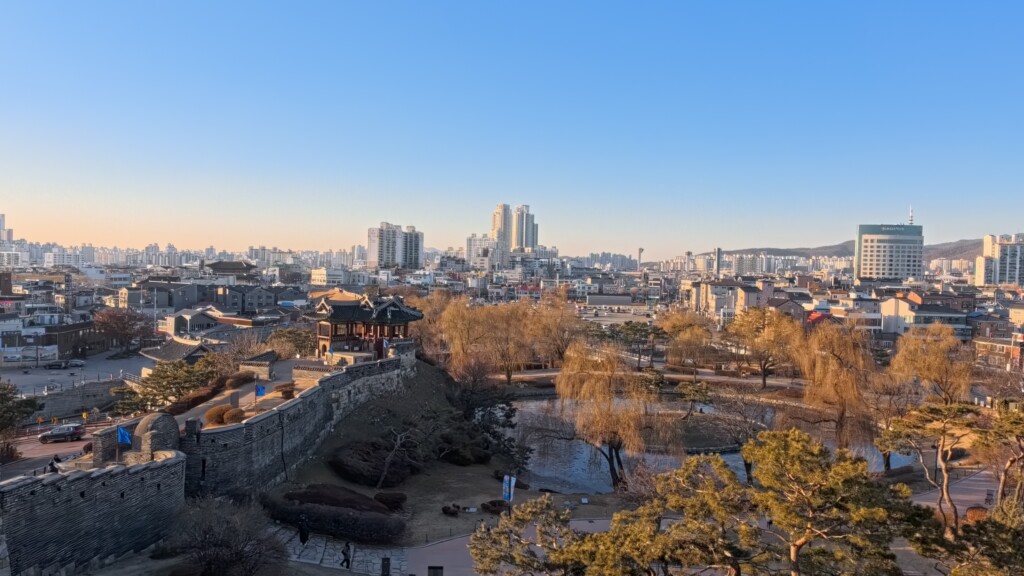
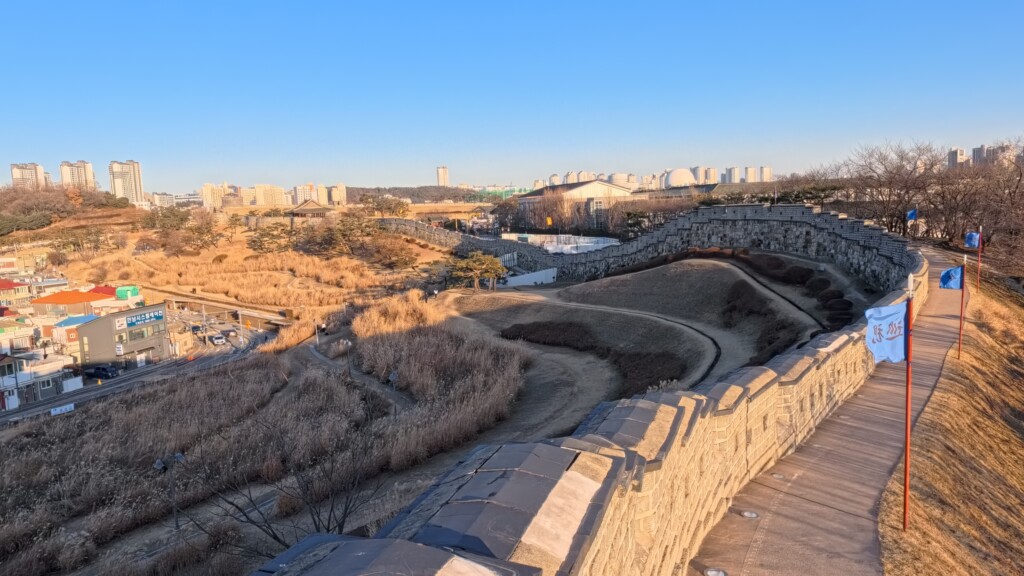
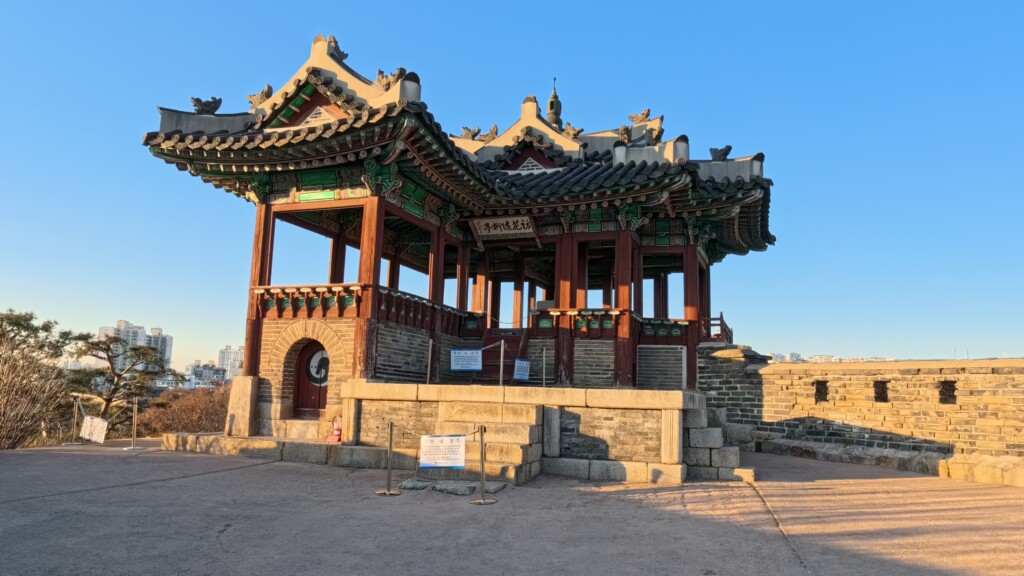
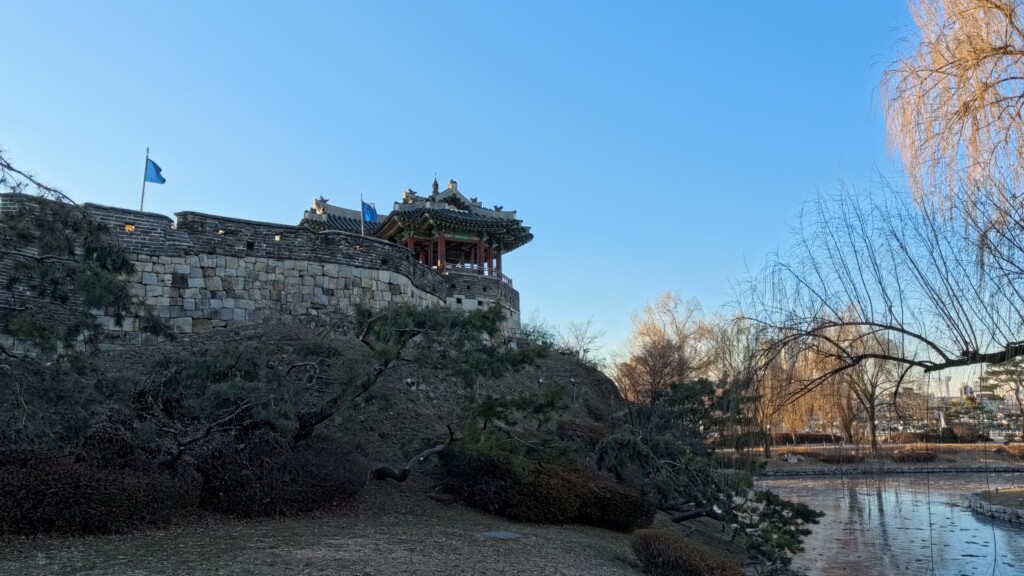
It was a bitterly cold day, but we still took a long walk through the city. We passed by the Hwaseong Haenggung, a temporary palace built to shelter the royal family during times of war, contenting ourselves with viewing its traditional architecture from the outside rather than touring the grounds. The absolute highlight of the day was walking along the Suwon Hwaseong Fortress wall. Built in the late 18th century by King Jeongjo, the UNESCO World Heritage site wraps seamlessly around the city center. Following its historic stone pathways and guard pavilions in the freezing winter air was a fantastic experience.
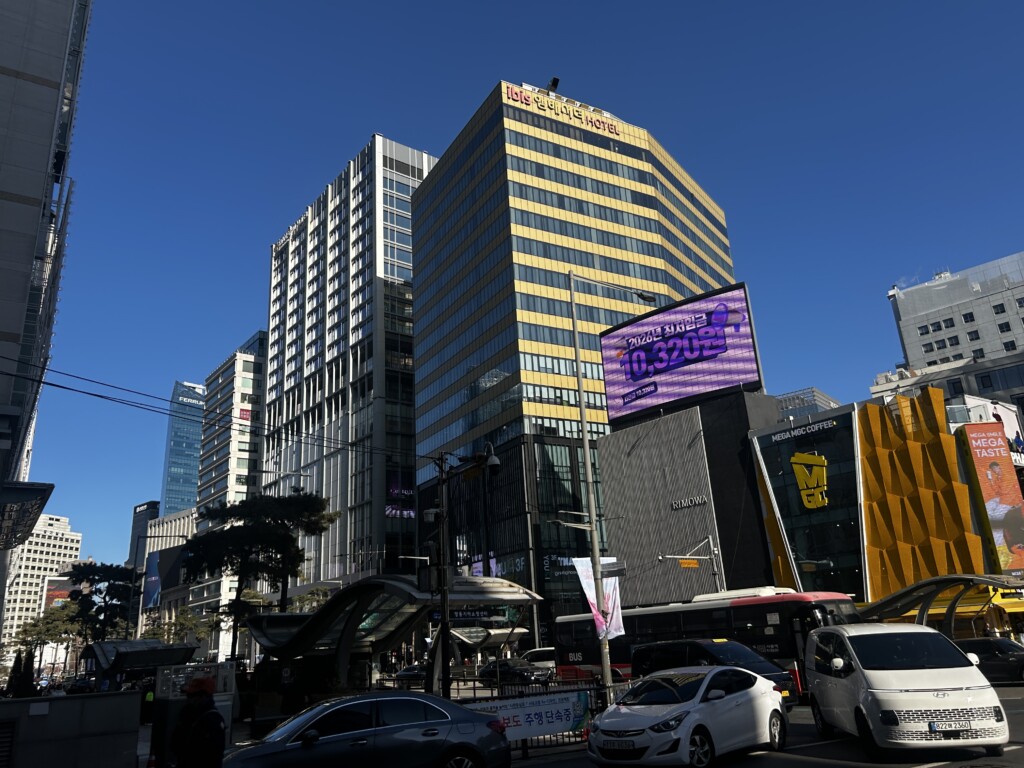
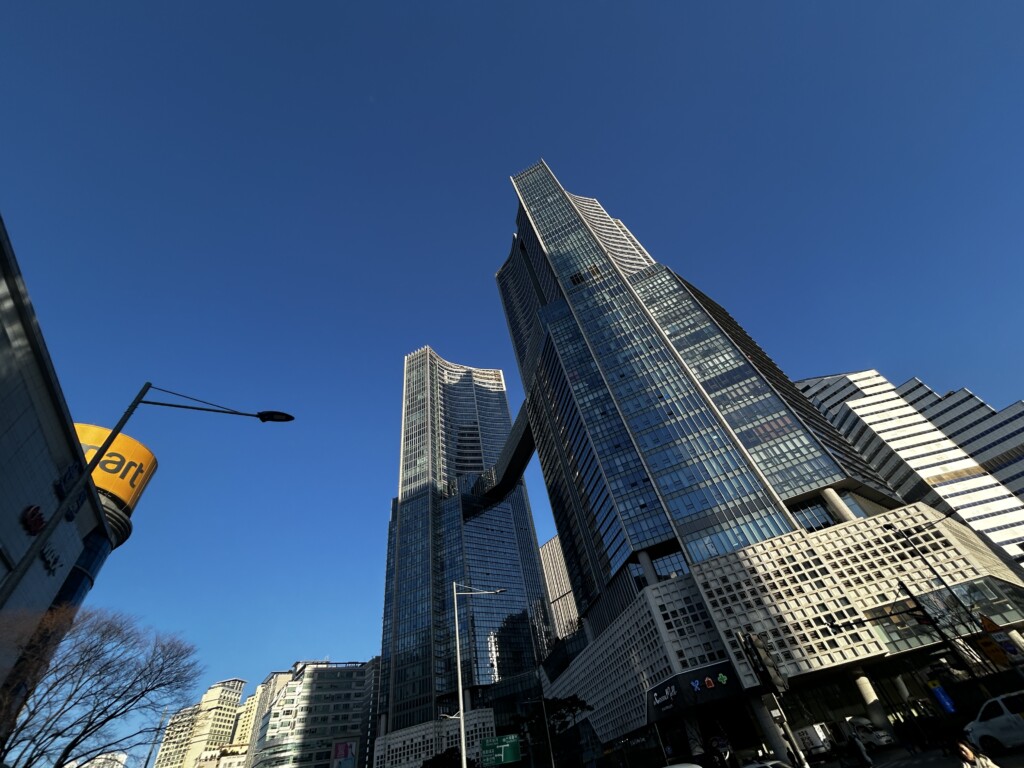
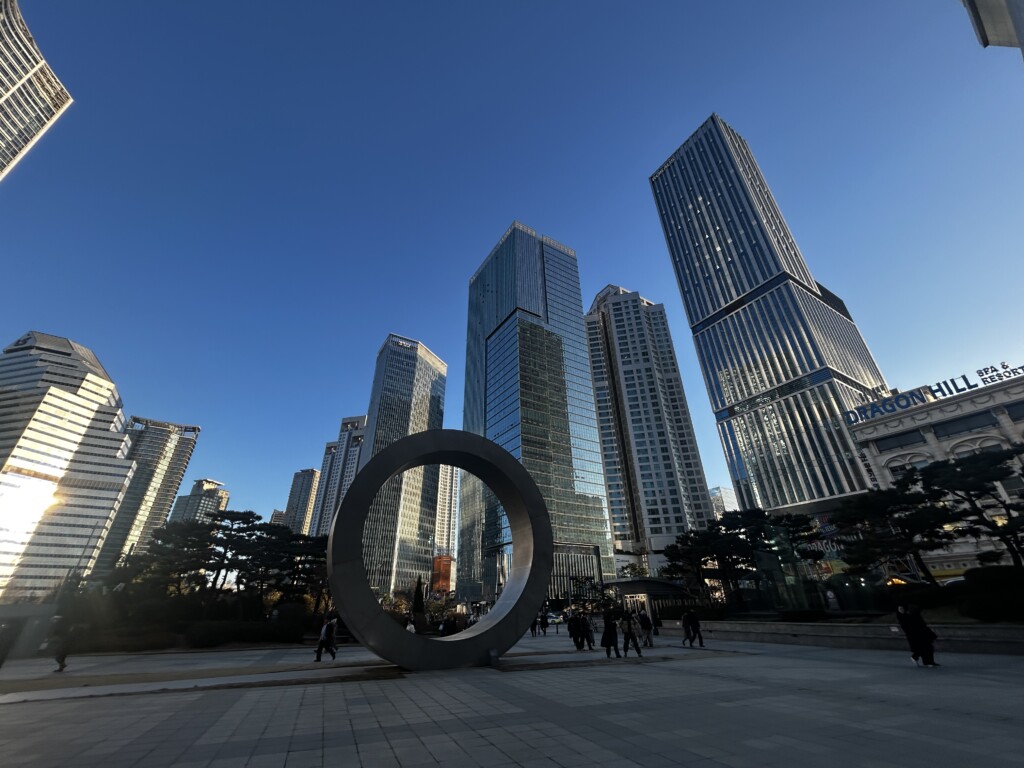
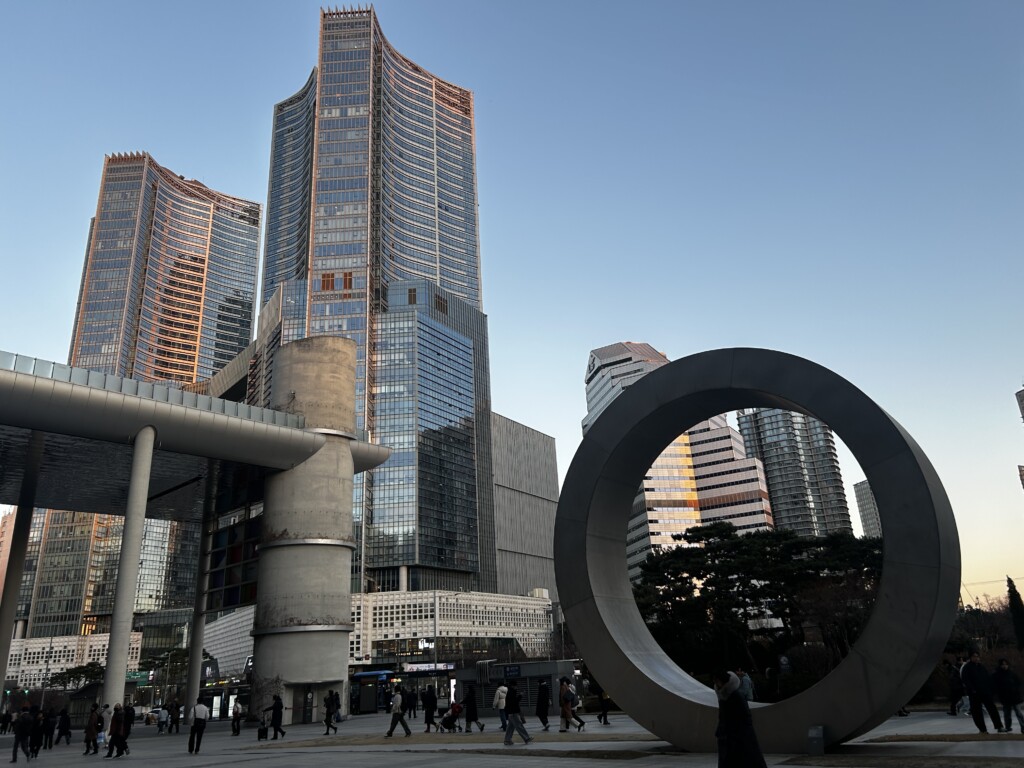
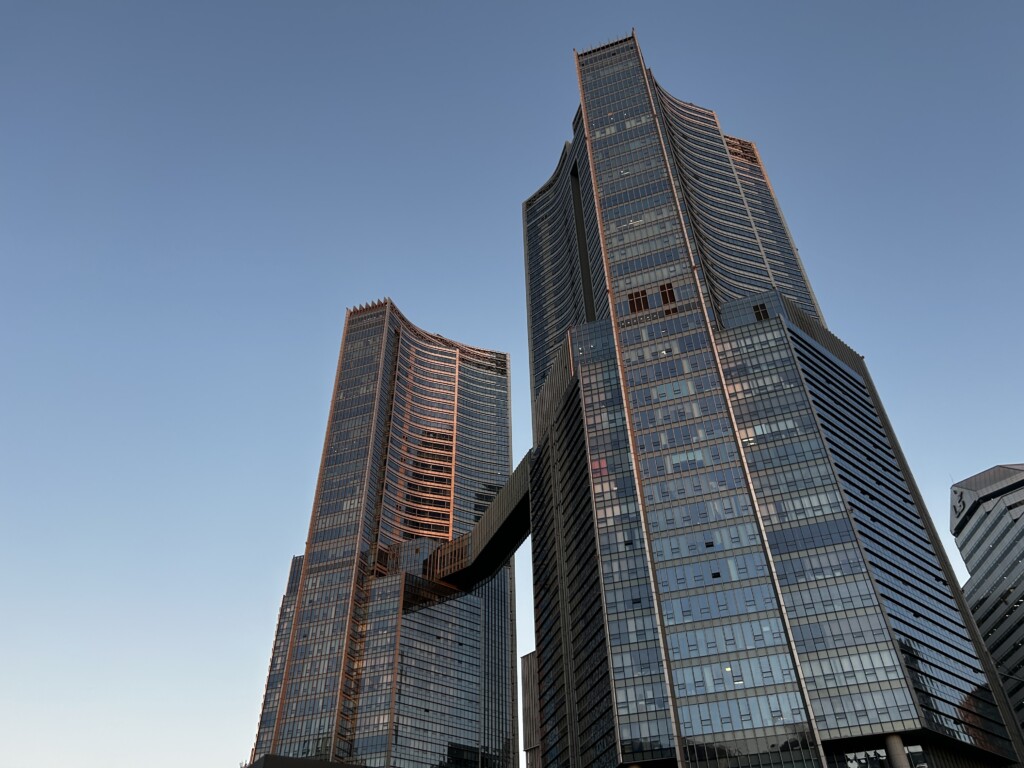
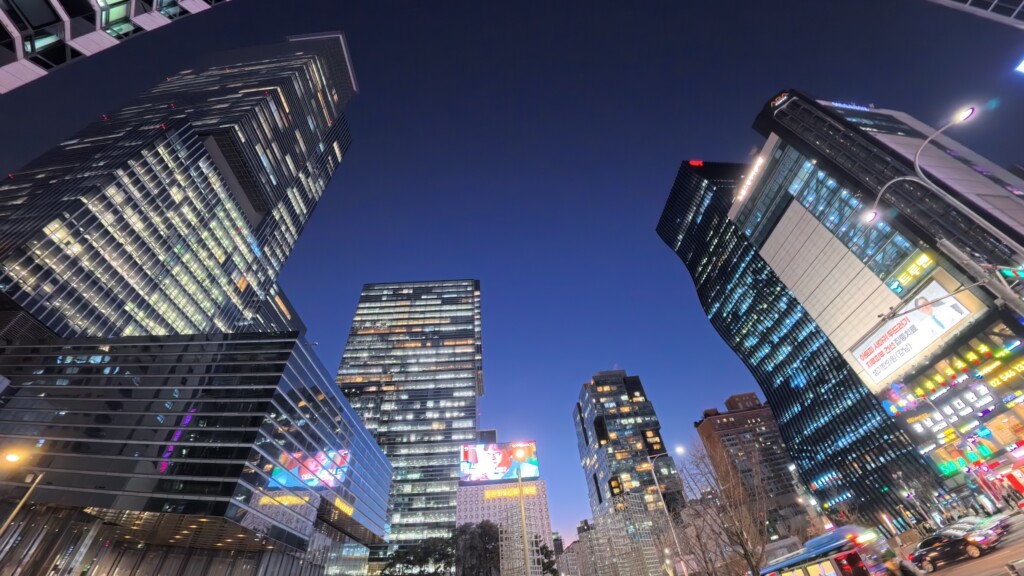
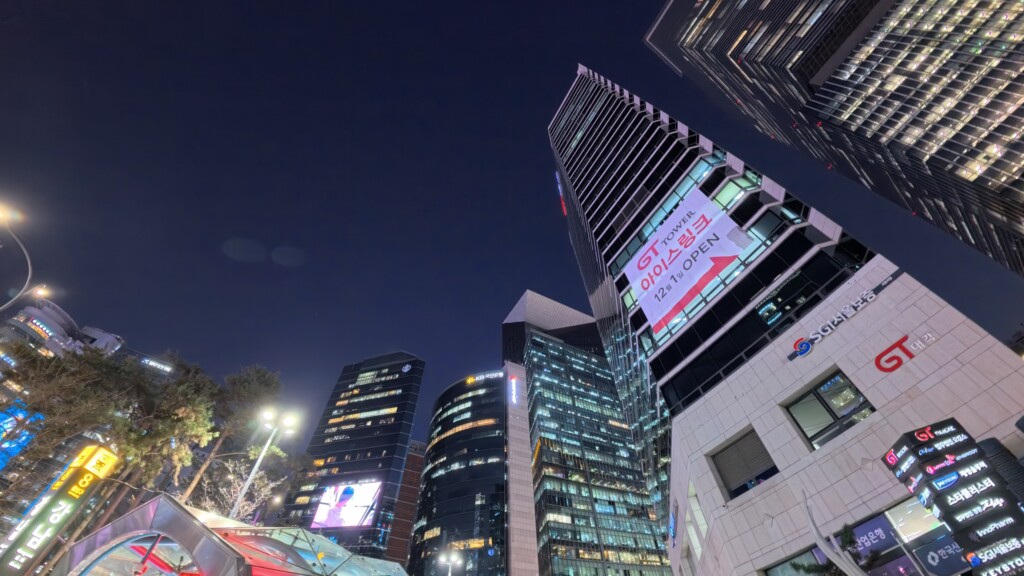
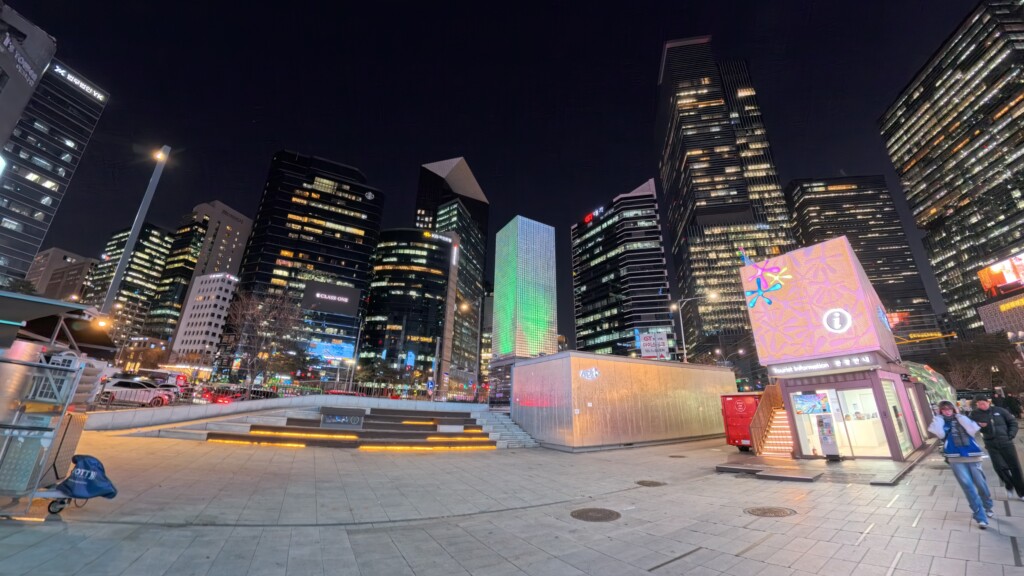
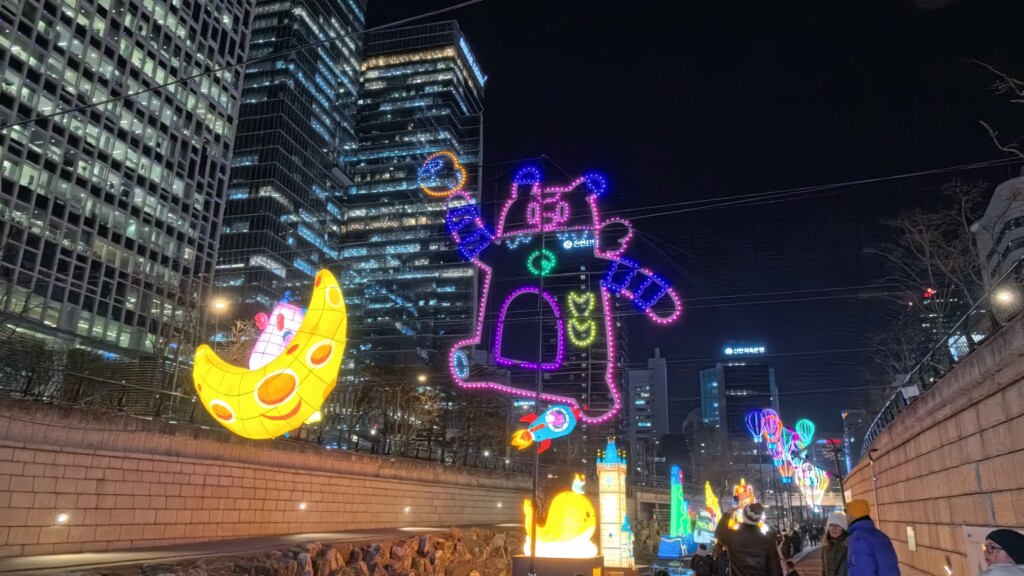
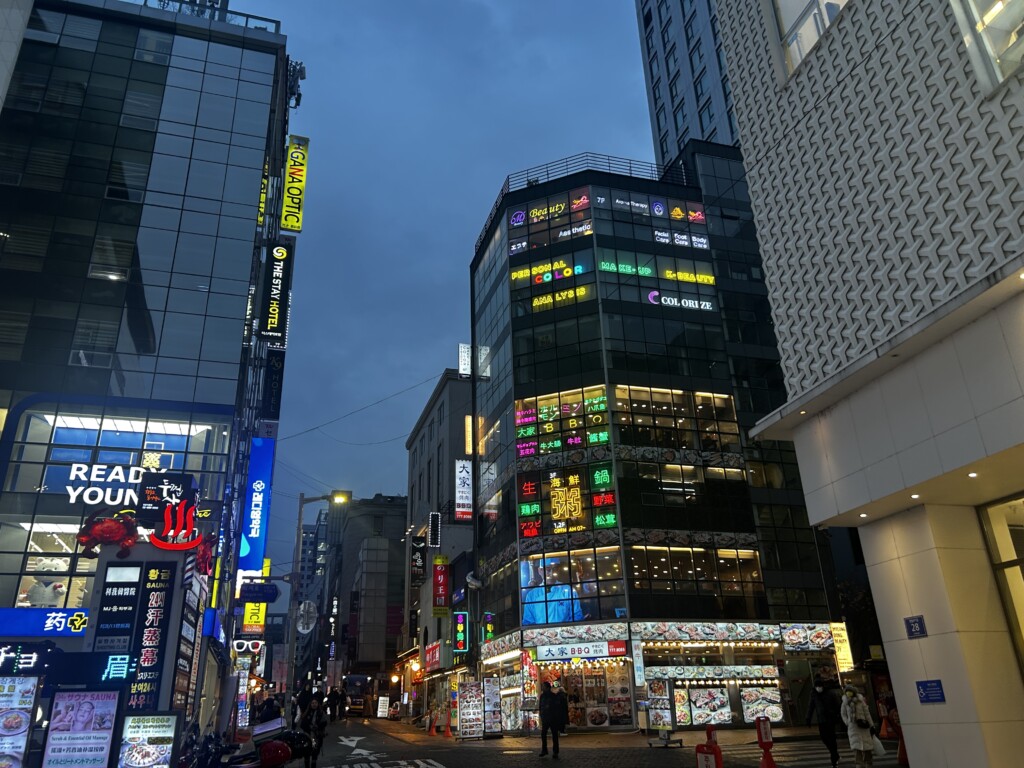
From Suwon, we took a taxi out to Gwanggyo Station to catch the subway back toward Seoul, specifically targeting the Gangnam district. Here, we experienced an entirely different side of the capital: towering skyscrapers, flashing neon signs, and a deeply hectic, fast-paced street life. After having dinner and visiting a few shops in Gangnam, we headed back toward Myeongdong. Before returning to the hotel for the night, we walked down to the Cheonggyecheon stream to admire the colorful, illuminated light displays reflecting off the water.






A Worn-Down Port and the Seoul City Wall
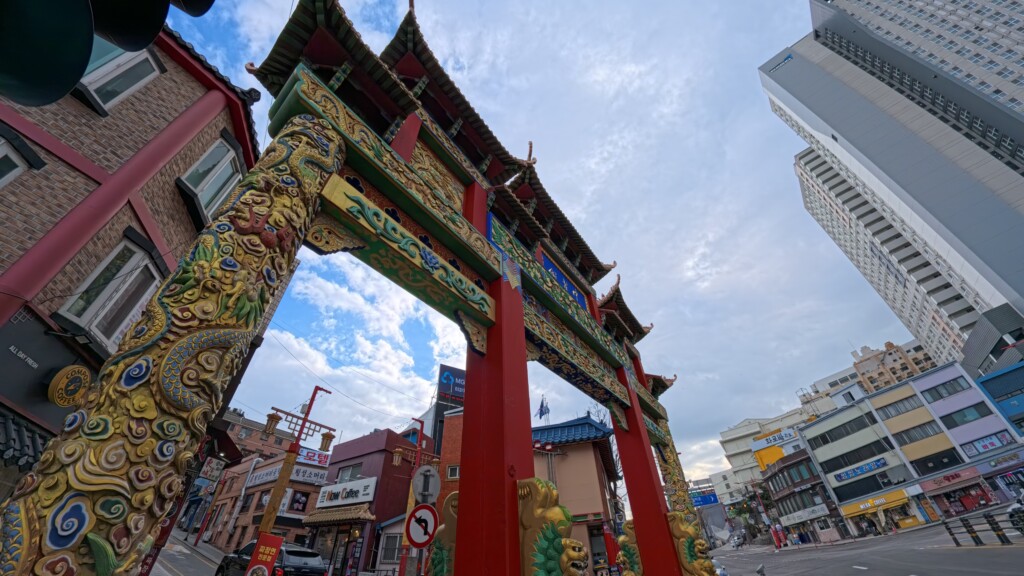
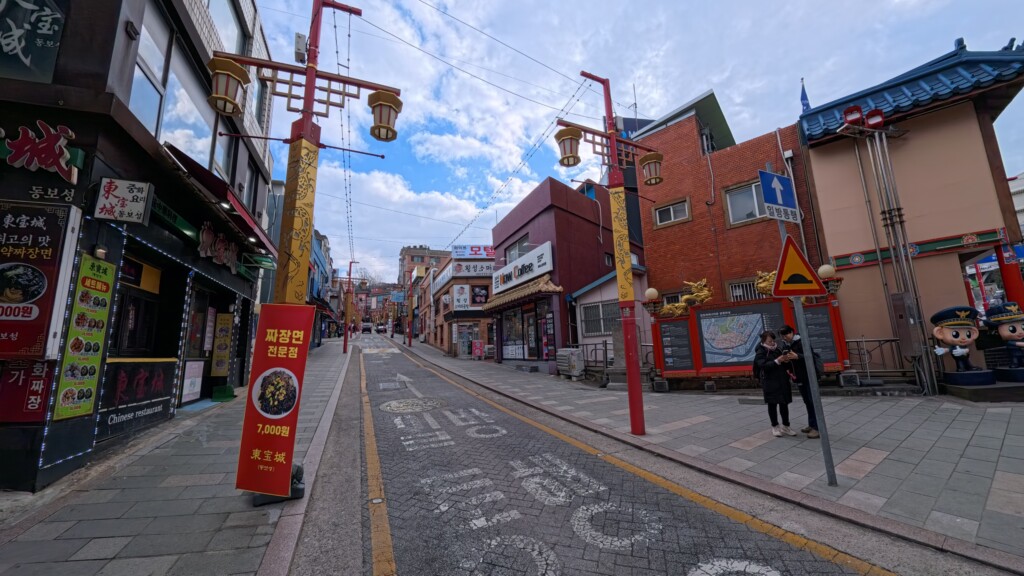
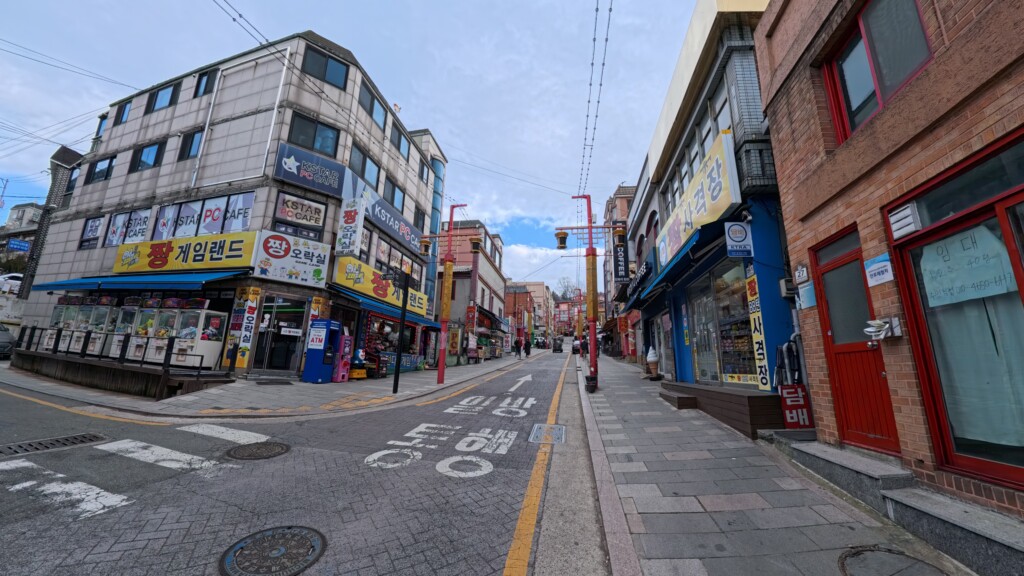
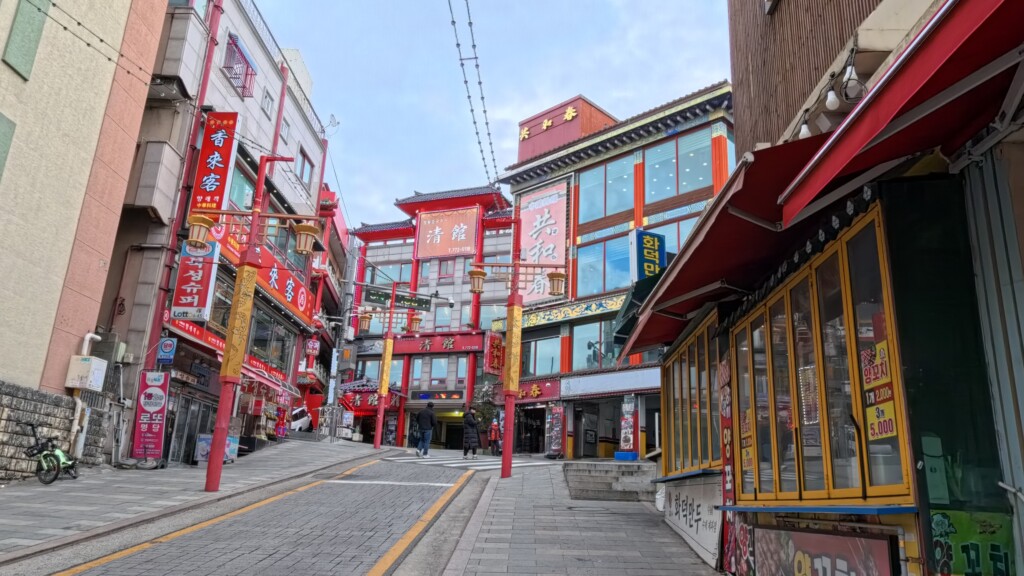
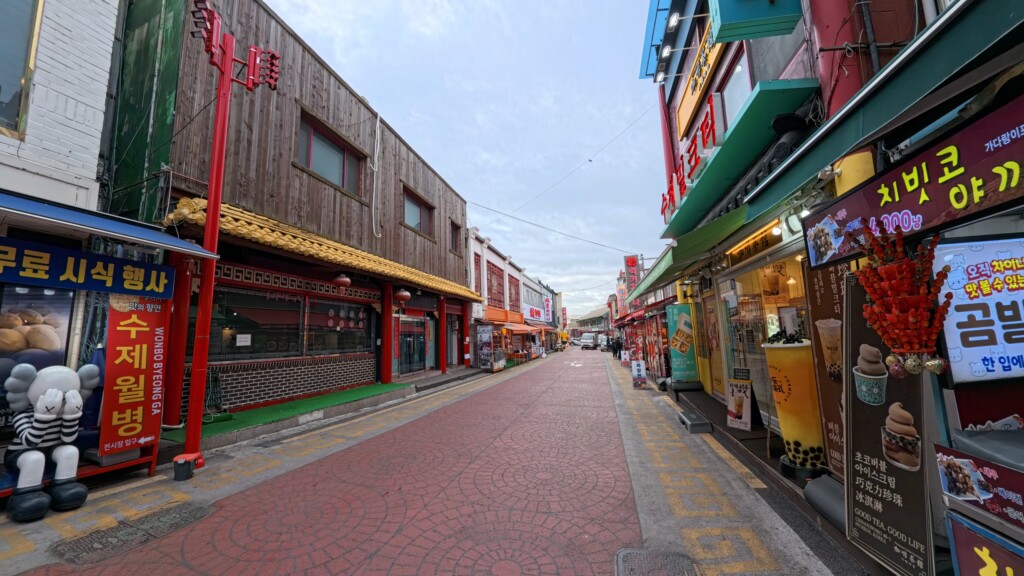
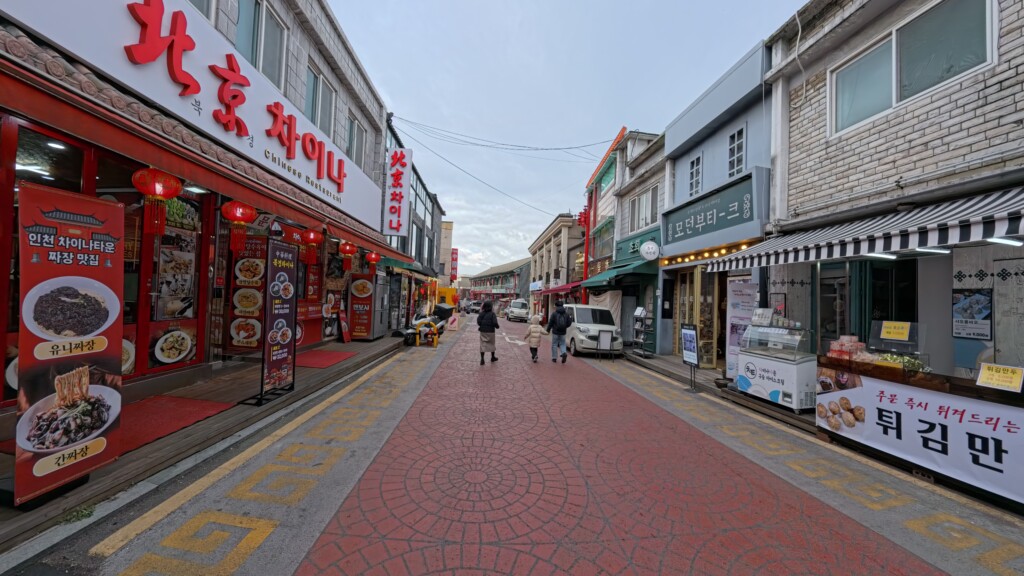
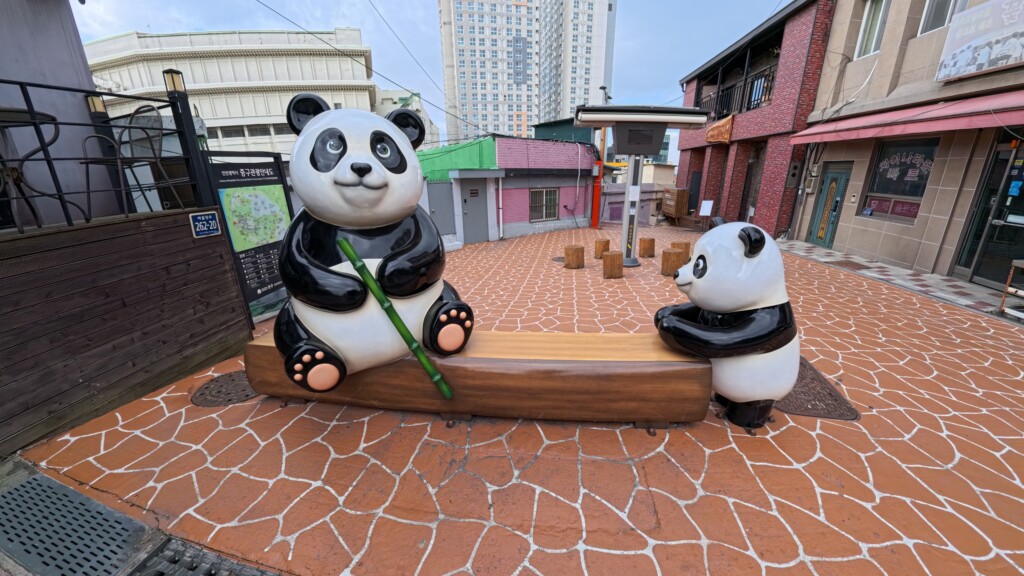
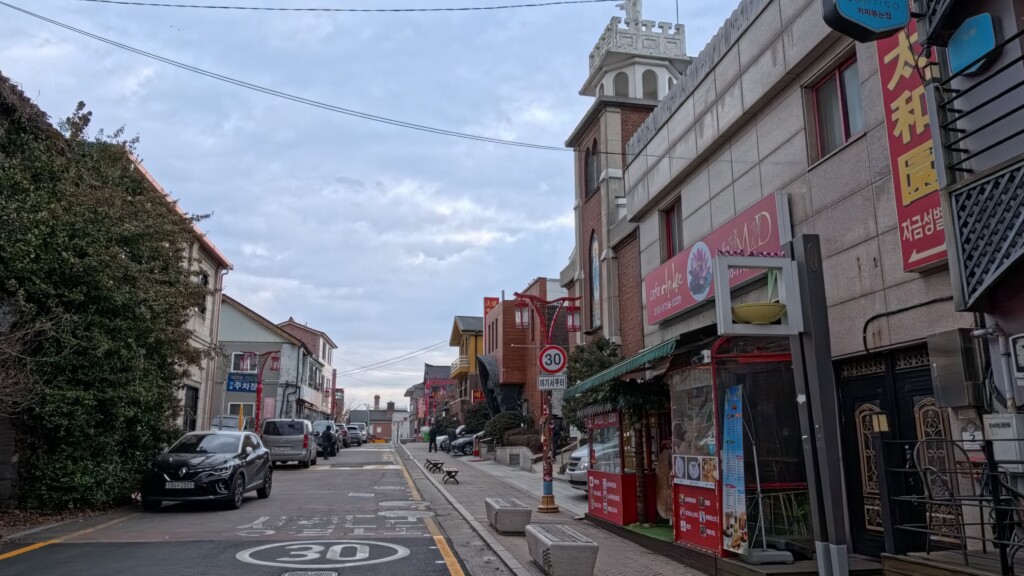
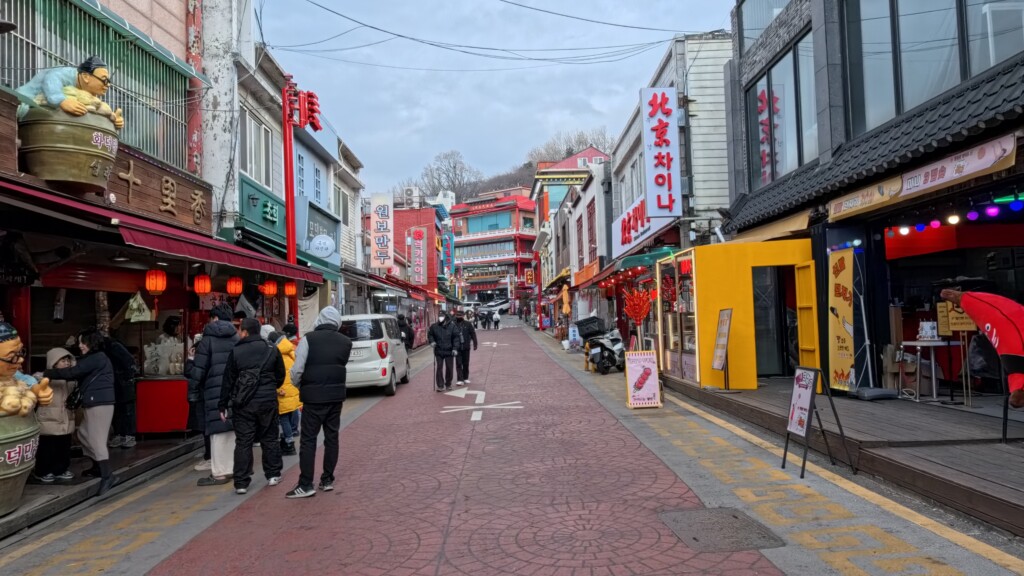
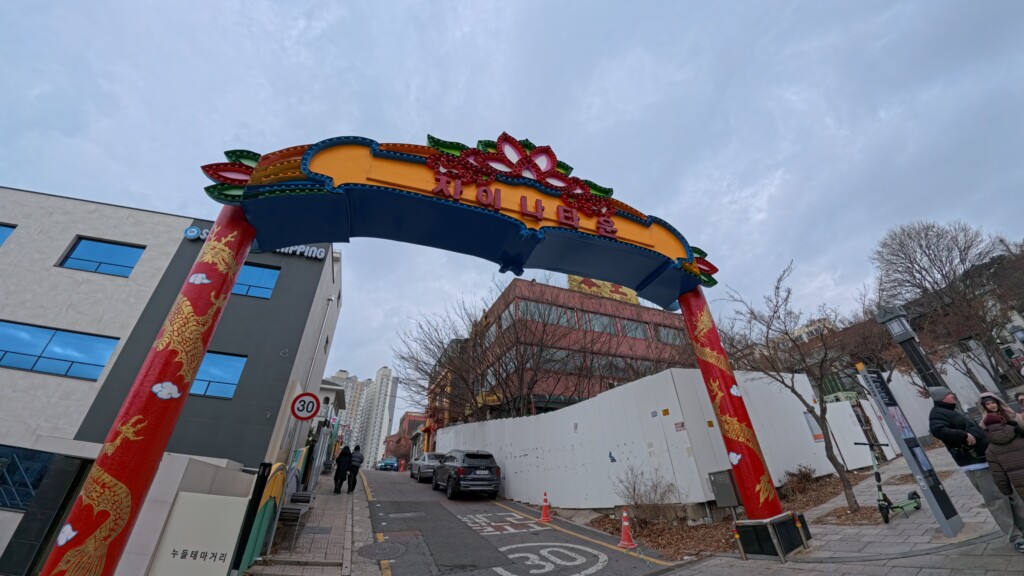
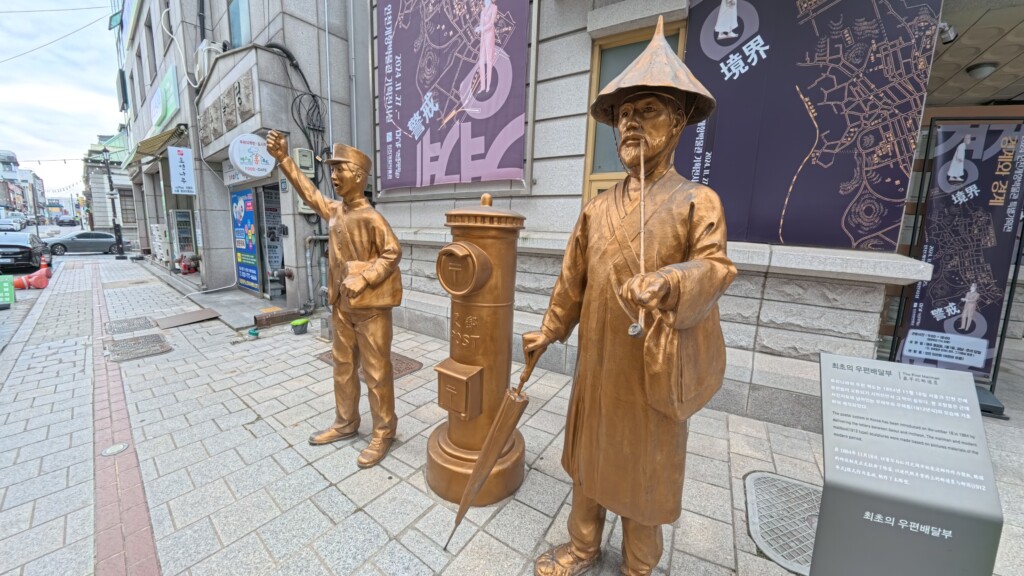
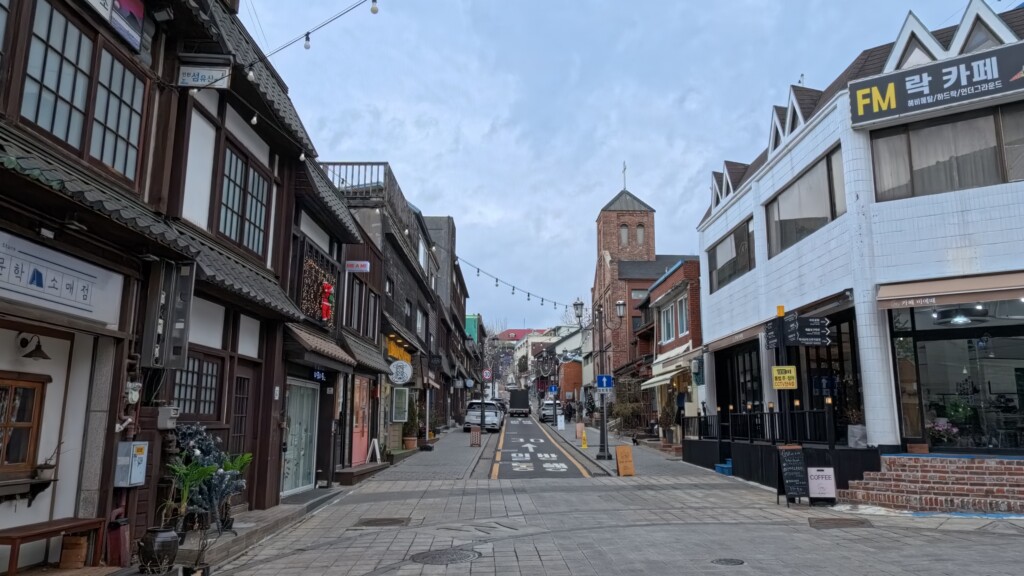
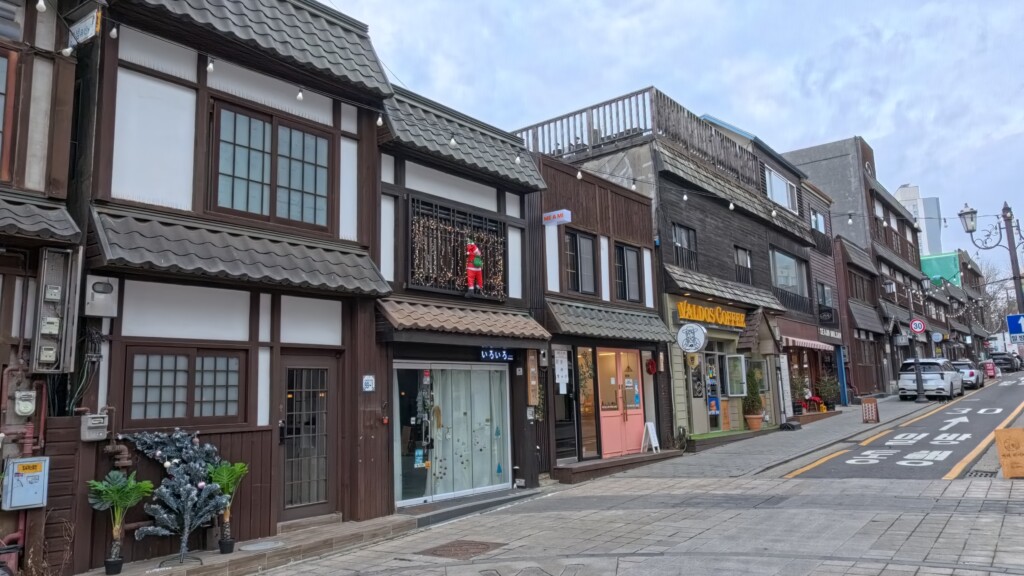
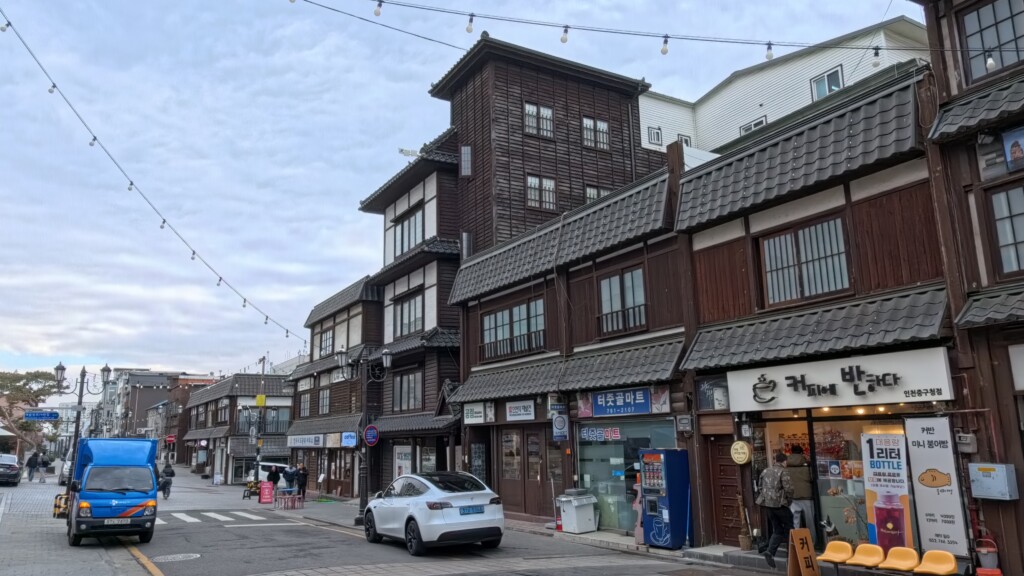
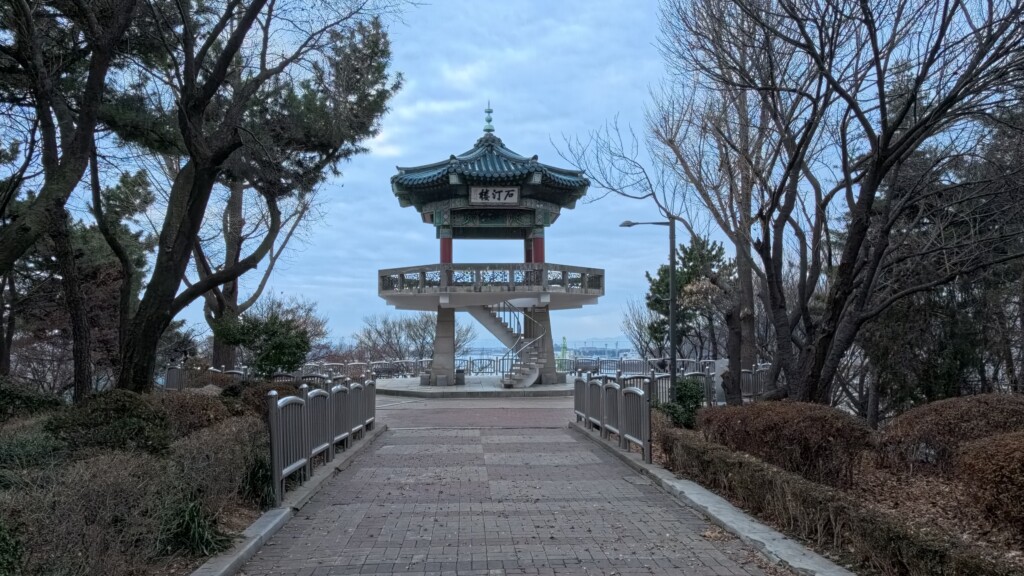
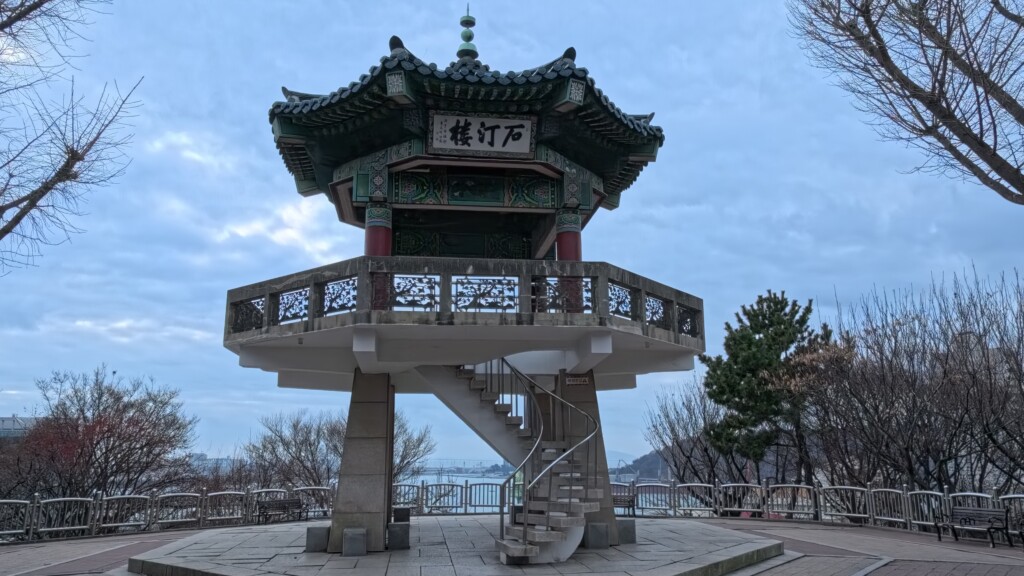
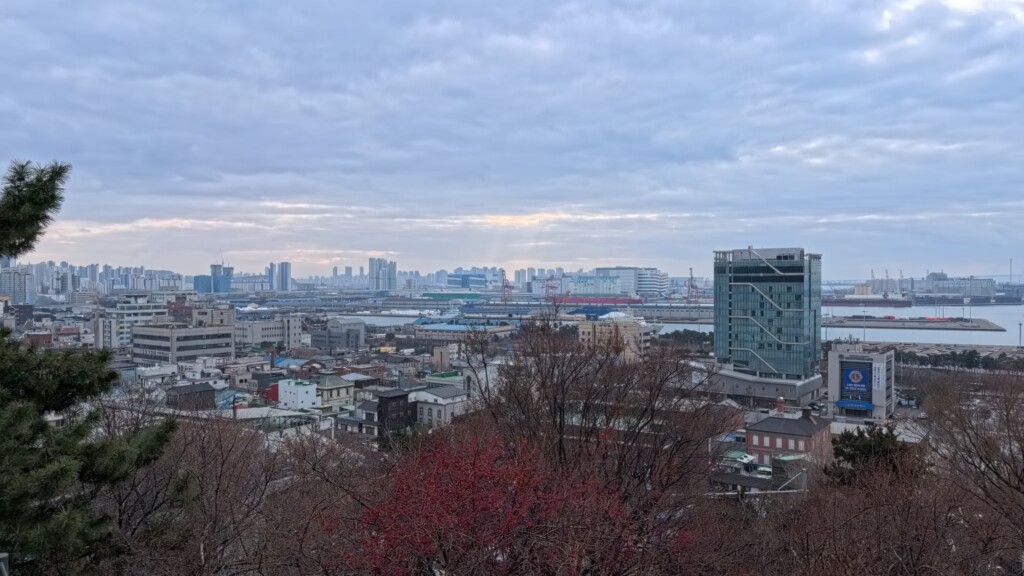
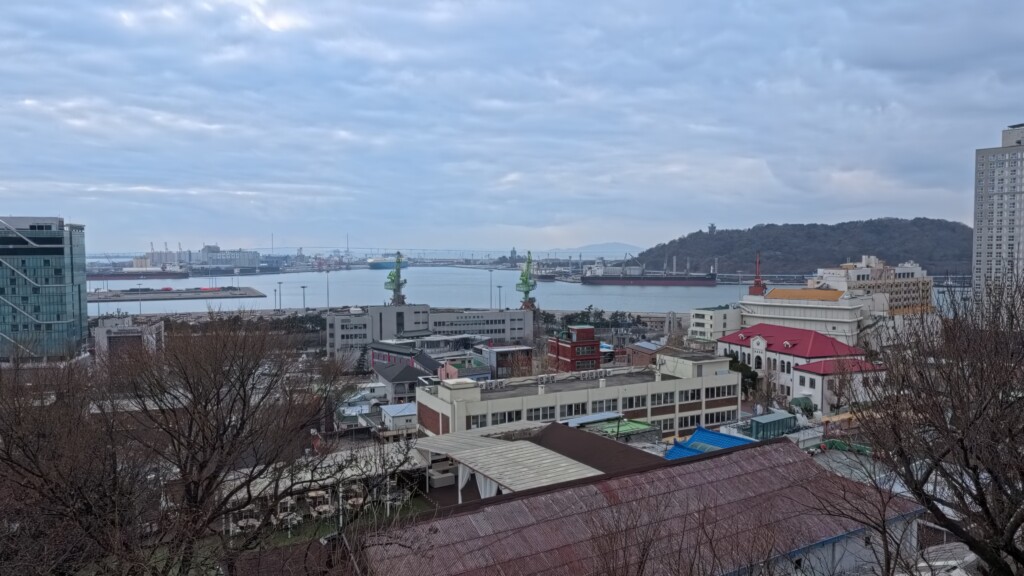
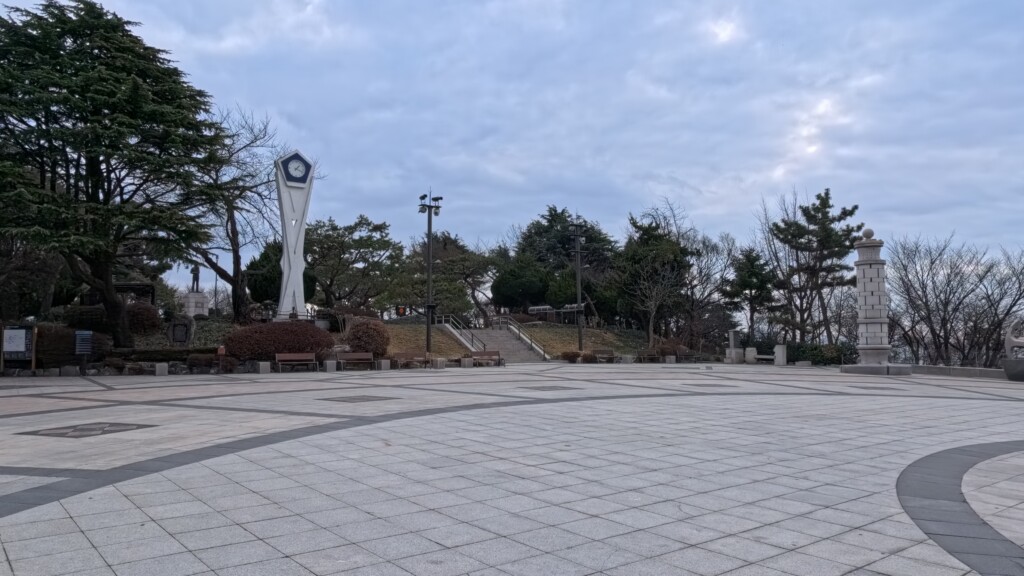
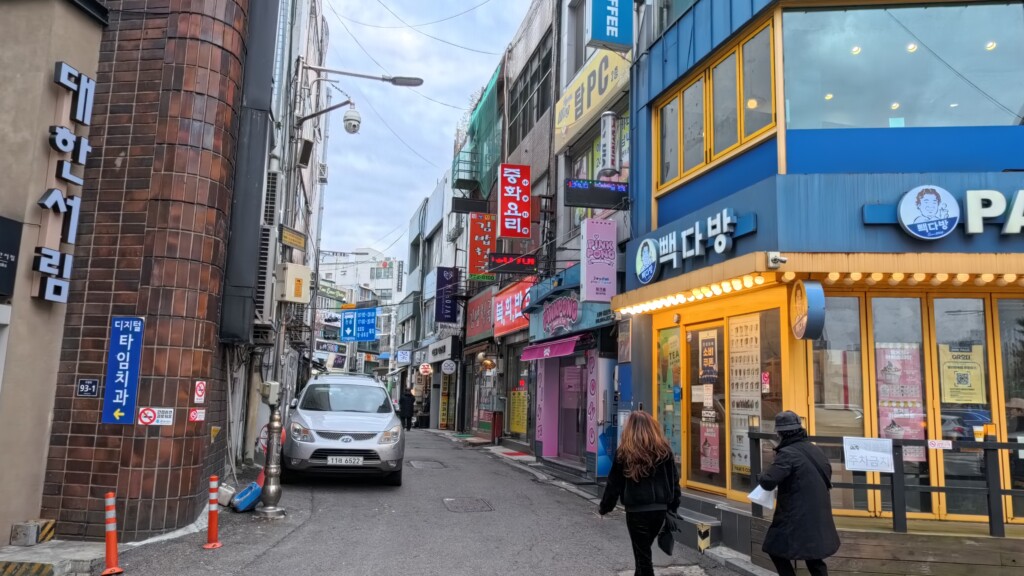
On January 9, we took a train out to Incheon Station for another day trip. We started by exploring Incheon’s Chinatown—the only official Chinatown in Korea, established in 1884—where we stopped for lunch. Afterward, we took a walk through the historical Open Port Street area, where late 19th-century brick buildings from the city’s treaty port era still stand, and continued up to Jayu Park to take in the views over the industrial harbor. Overall, Incheon gave us a much more worn-down and gritty impression compared to the polished streets of Seoul and Busan. This feeling of urban decay persisted even as we made our way down toward Dongincheon Station to catch our train back to the capital.
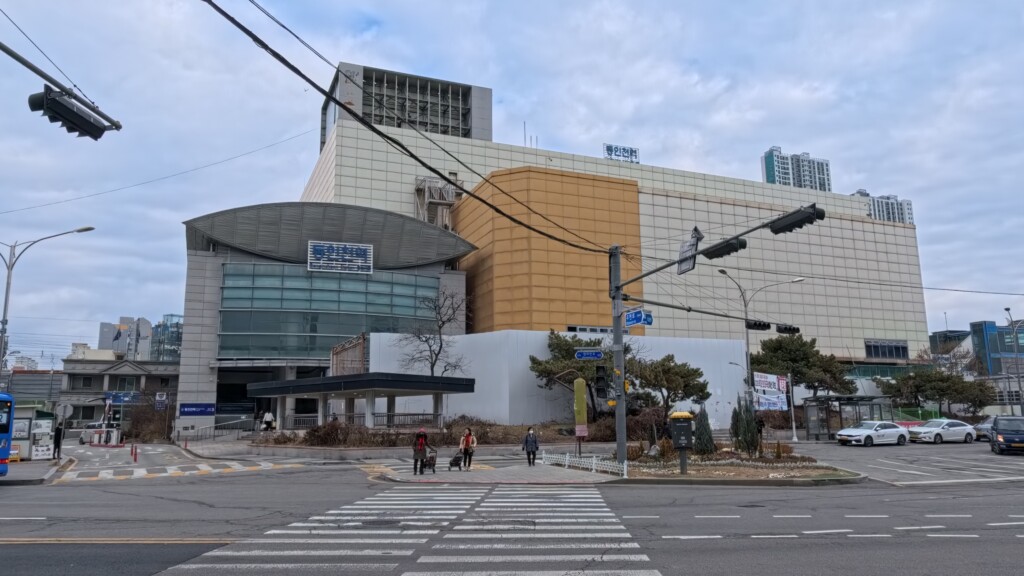
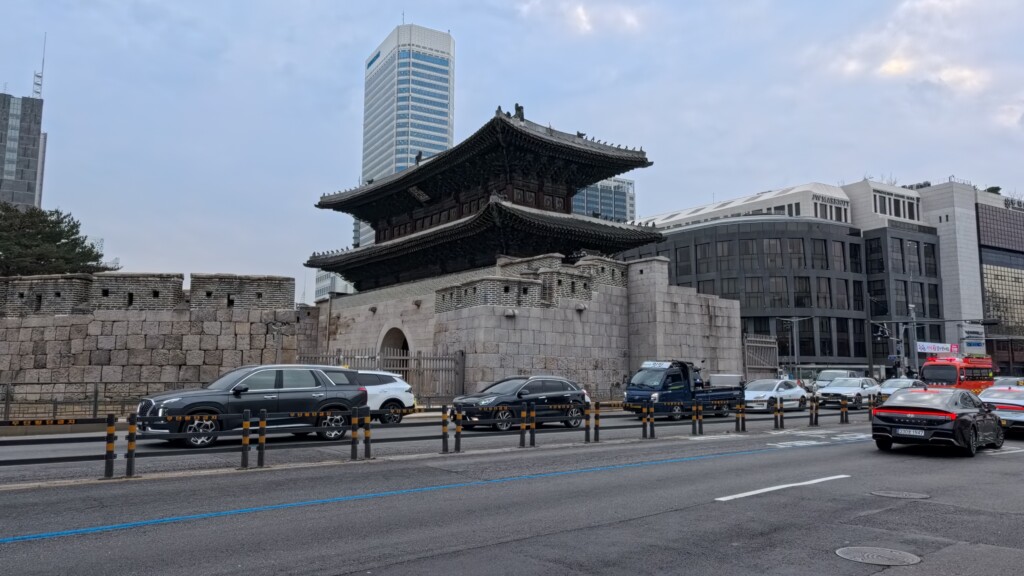
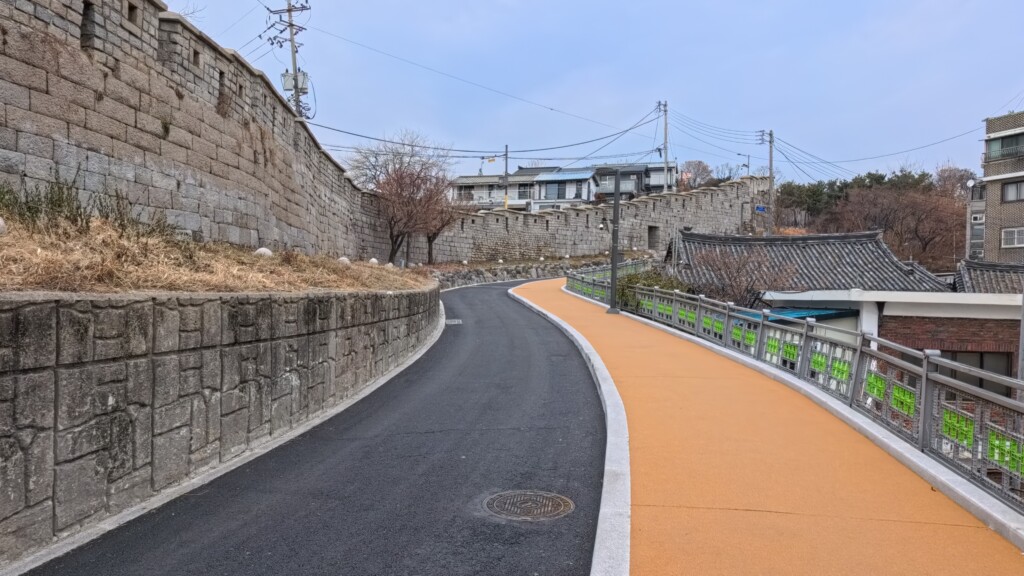
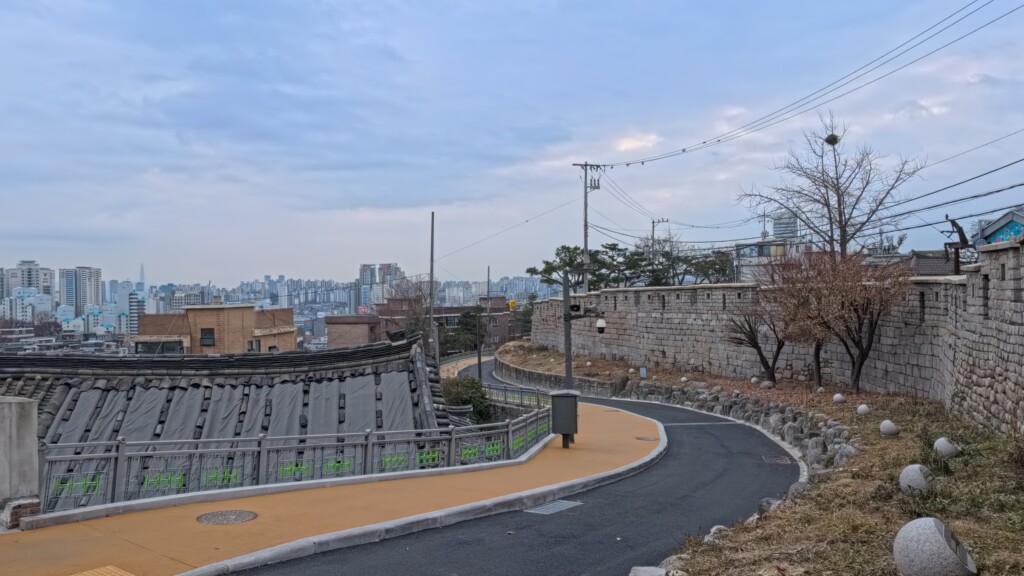
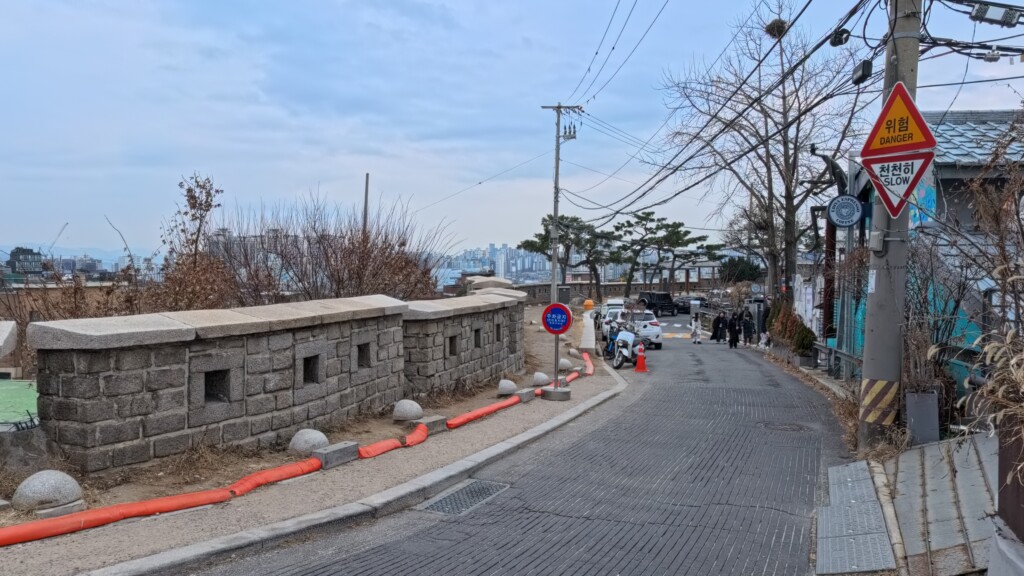
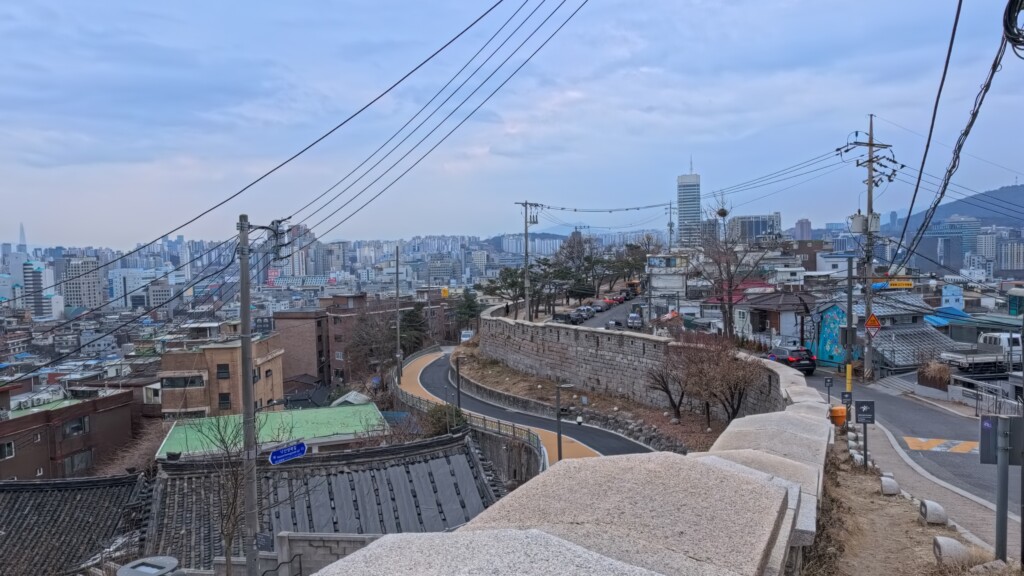
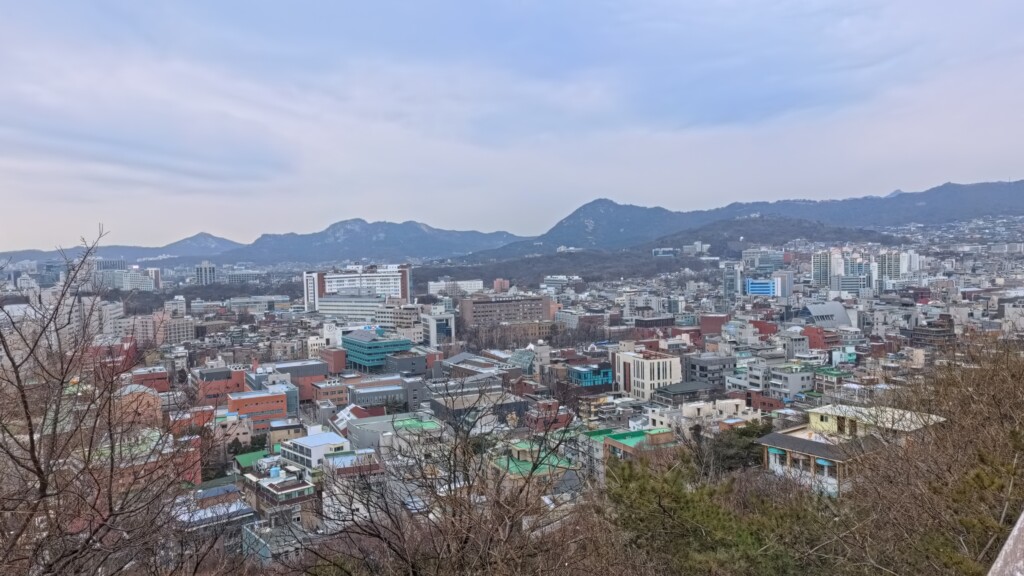
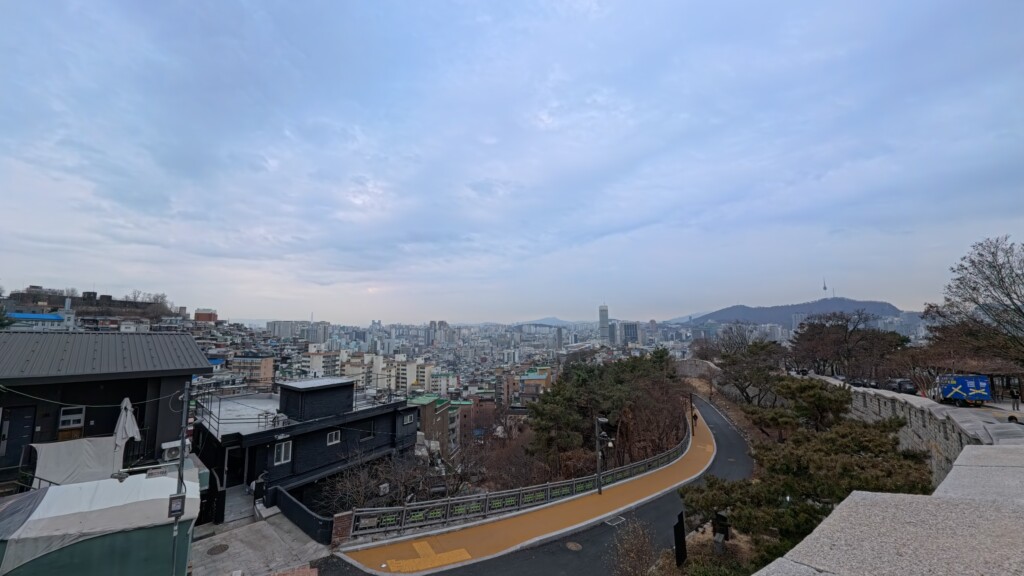
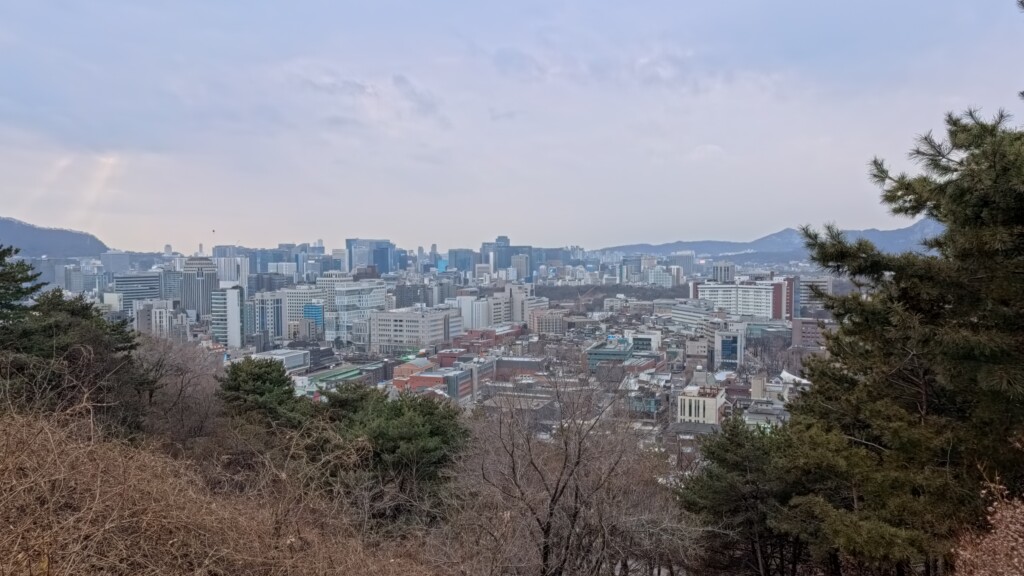
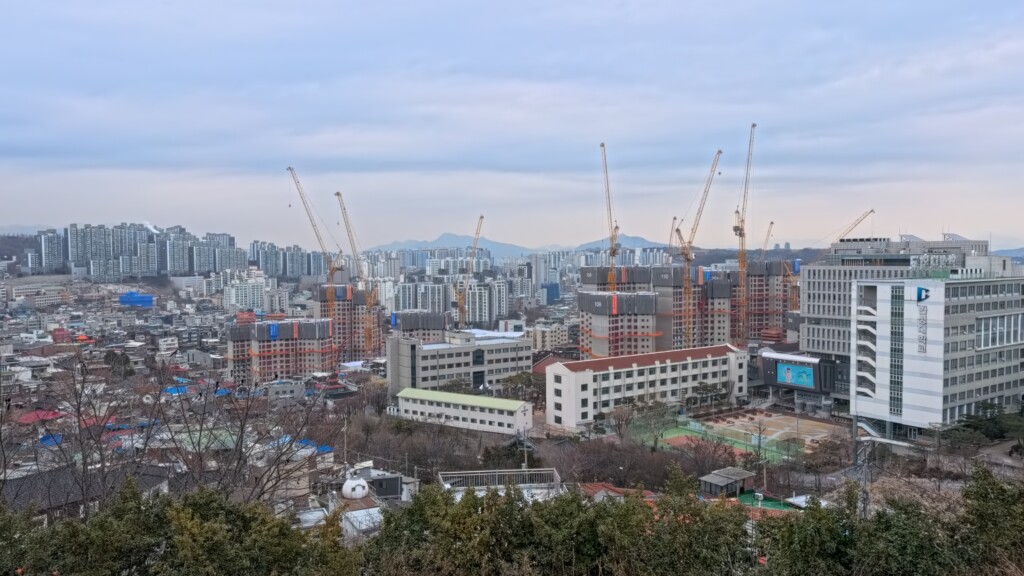
Once back in Seoul, we hopped off at Dongdaemun to explore a section of the ancient Seoul City Wall. We started by viewing the imposing Heunginjimun Gate, dating back to 1398, before beginning our hike up the steep Naksan Fortress Wall Trail. We pushed all the way to the top before slowly making our way back down toward the city center. The winter cold was biting, so we gladly stopped at a café on the way down to grab a hot drink and thoroughly warm ourselves up.




The Long Flight West and a Warsaw Layover
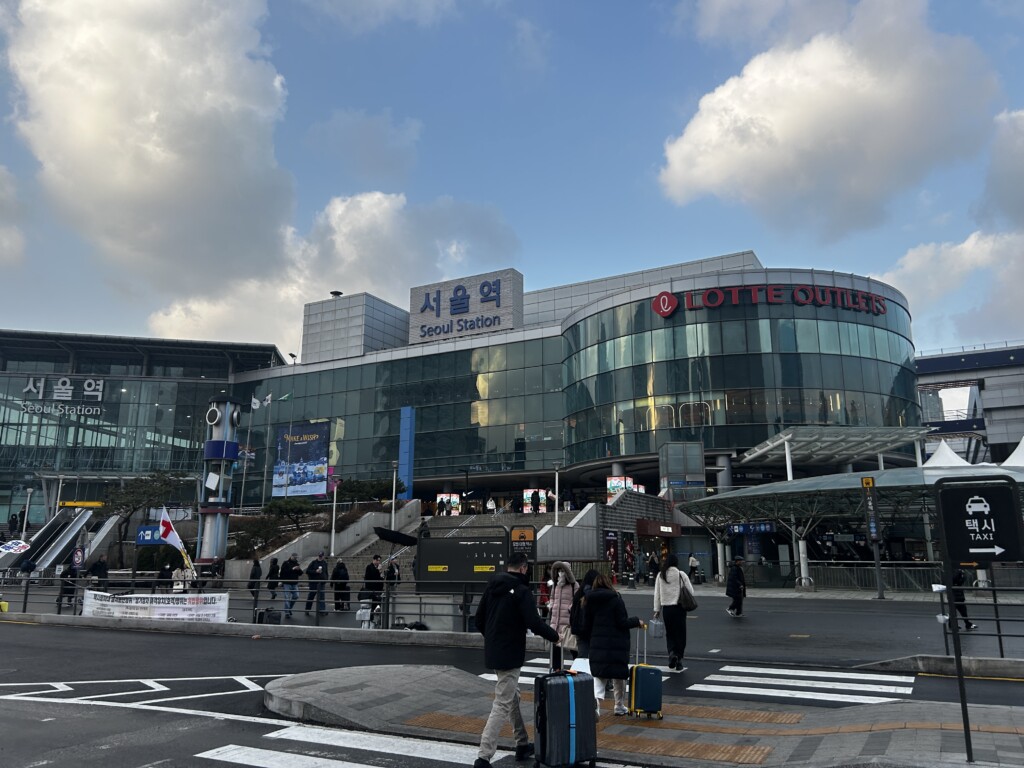
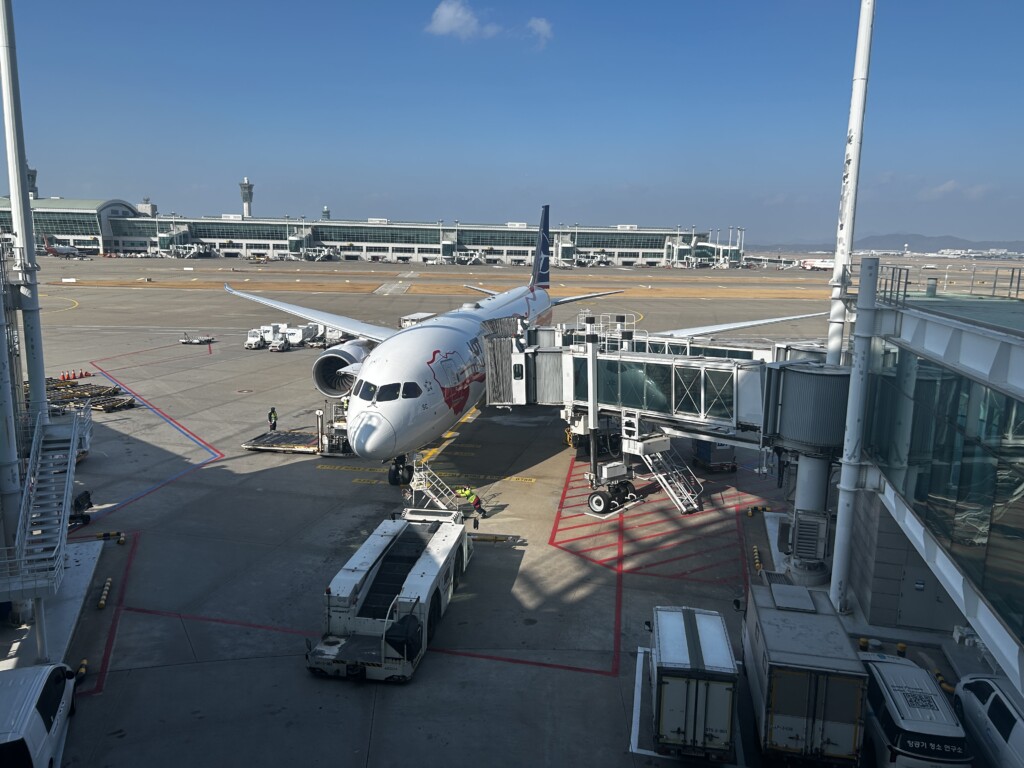
Departure day arrived on January 10. We navigated to Seoul Station and caught the express train back out to Incheon Airport. The check-in process was smooth, and a few hours later, we were boarding our LOT Polish Airlines flight to Warsaw. Our departure was delayed by about an hour, pushing our takeoff from 1:25 PM to 2:20 PM. We flew on a Boeing 787-9 Dreamliner, which happened to be painted in a special Polish livery celebrating the country’s independence.
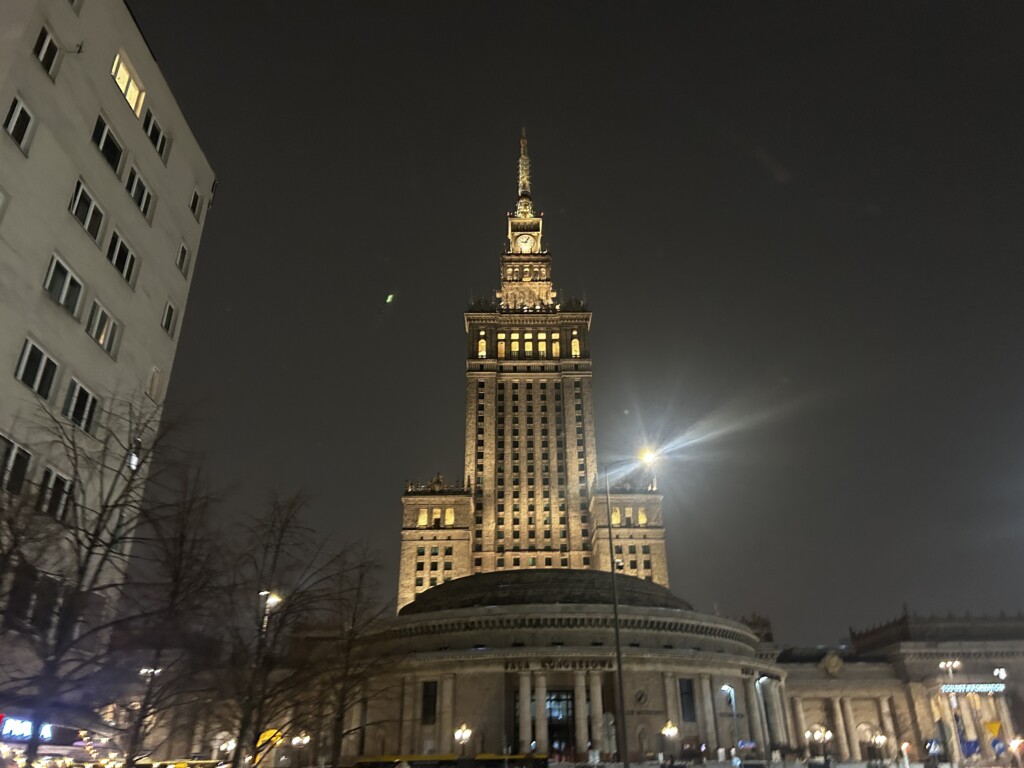
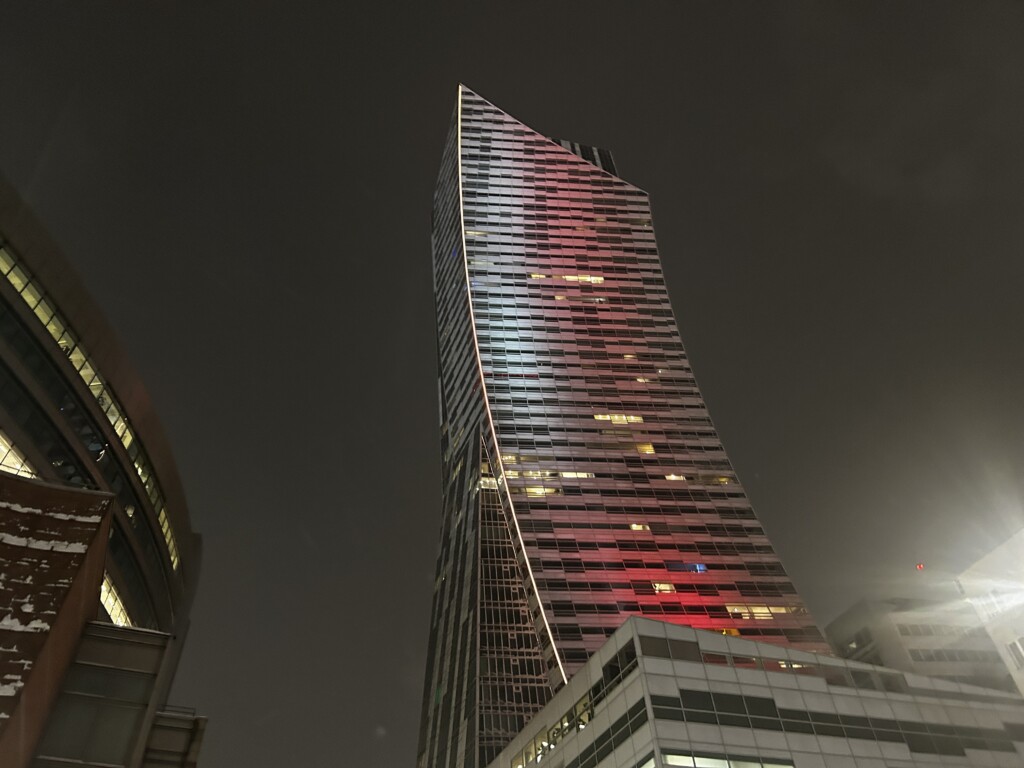
The fascinating aspect of flying long-haul westward is racing the sun across the time zones; despite the grueling length of the flight, it was still January 10 when we finally touched down at Warsaw Chopin Airport. After taking the shuttle bus to our hotel and checking in, we quickly grabbed a taxi into central Warsaw. We wanted to ensure Little A got to see a bit of the Polish capital and find something to eat for the evening. We did not have time for deep exploration, but we managed to see the towering, Stalinist architecture of the Palace of Culture and Science and walked past the modern Złote Tarasy shopping center before calling it a night.
Back to the Swedish Winter
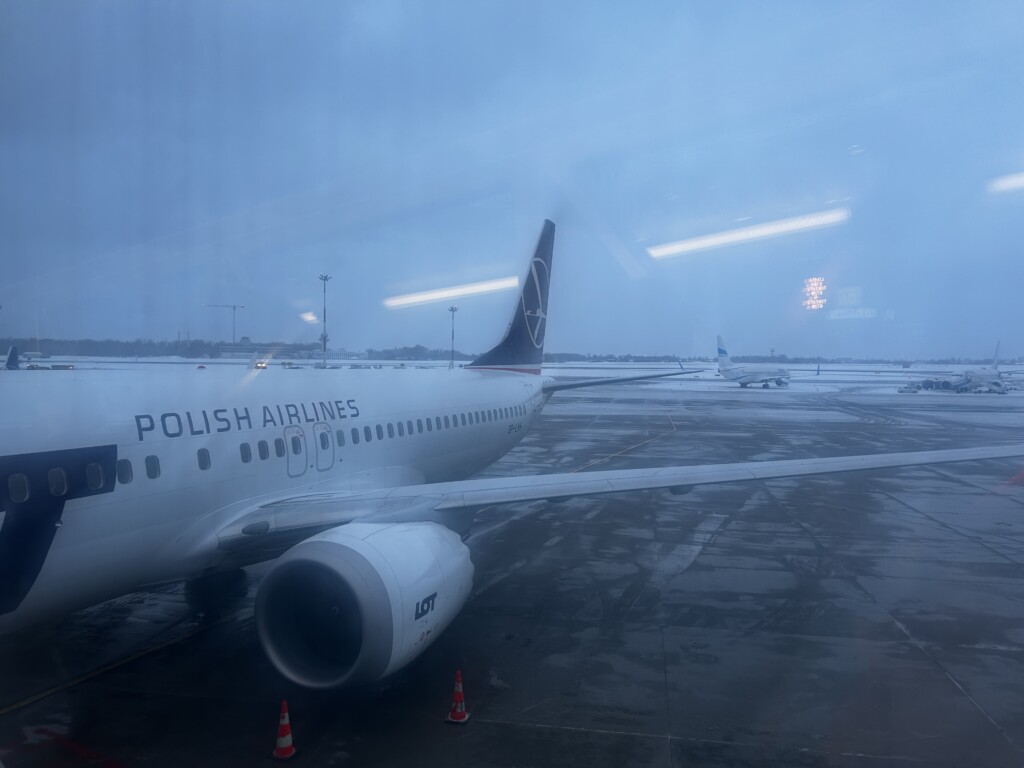
The final leg of our journey took place on the morning of January 11, boarding LOT’s morning flight to Stockholm Arlanda Airport. After three weeks of navigating the massive urban metropolises of East Asia, we returned home to Vagnhärad, greeted by a true Swedish winter landscape with several decimeters of snow covering the ground.
Summary and Looking Ahead
Looking back, our ambitious winter exploration across South Korea and Japan was an incredible success. Over three weeks, we managed to balance the distinct cultures and complex logistics of two fascinating nations. From the sprawling palace grounds of Seoul and the coastal cliffs of Busan to the historic rail journeys through Osaka, Kyoto, Hiroshima, and Fukuoka, the trip offered profound historical insights alongside quirky modern realities like robot waiters and terrible-tasting, K-pop themed noodles. We successfully navigated bullet trains, survived jetlag, and completed international running goals.
Ultimately, we returned home with an entirely new appreciation for this corner of the world. The experience was so rewarding that it has already laid the groundwork for our next family adventure. We have officially booked our upcoming trip for Christmas and New Year’s 2026, where we will be returning to East Asia to explore China and revisit South Korea. As we unpack our new suitcases and settle back into our daily routines, the planning for that next grand exploration is already well underway.

