

Stockholm, The Capital | Exploring Sweden
Stockholm is the capital and largest city of Sweden, serving as the country’s primary political, economic, and cultural center. The city is located on the east coast of Sweden, at the point where Lake Mälaren meets the Baltic Sea. With a population of approximately 985,000 inhabitants in the city proper and over 2.4 million in its metropolitan area, Stockholm is the most populous city in the Nordic region. Administratively, it is a part of Stockholm County, and its territory is spread across the historical provinces of Uppland in the north and Södermanland in the south.
The character of Stockholm is defined by its unique geography, as the city is built upon a large archipelago of 14 islands connected by over 50 bridges. This has earned it the nickname ”The Venice of the North.” The city’s landscape is a blend of the well-preserved medieval old town, Gamla Stan, with its narrow cobblestone streets, and a modern, dynamic city known for its clean design, technological innovation, and extensive green spaces. The presence of water is a constant feature of the urban environment, creating a scenic and open atmosphere.
As a global city, Stockholm’s identity is shaped by its role as the home of the Swedish monarchy, the national government, and the prestigious Nobel Prize ceremonies. It is a major international hub for business, finance, and technology, with a thriving startup scene. This modern function exists alongside its deep history as the capital of the Swedish Empire. This combination of a dramatic natural setting on the water, a rich cultural heritage, and its position at the forefront of modern design and innovation gives the city its specific and dynamic character.


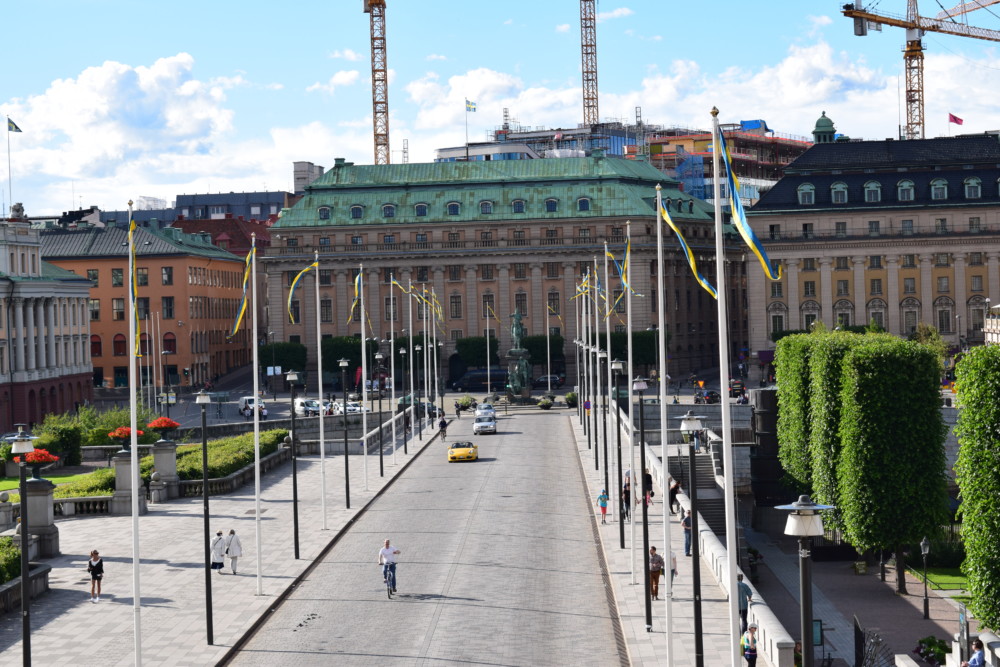


Good to Know When Visiting Stockholm
To help with planning a visit, here are several practical points covering daily essentials, timing, and efficient exploration of the city. Understanding these details can make a trip to Stockholm more convenient. This information is intended to provide a general overview for travelers preparing to visit this major Nordic capital.
The Daily Essentials
The official currency used in Stockholm is the Swedish Krona (SEK). Sweden is one of the most cashless societies in the world, and credit and debit cards are accepted almost universally; some businesses do not accept cash at all. The official language is Swedish, but English is spoken to an exceptionally high level by almost the entire population, making communication very easy for international visitors. Tipping is not obligatory, as service is included in the bill, but it is common to round up the bill or leave a small tip of 5-10% for excellent service. The tap water is of very high quality and is safe to drink. The electrical system uses Type F sockets with a standard voltage of 230V. Stockholm is a very safe city with a low crime rate, but general precautions should be taken in crowded areas.
Planning Your Calendar
Stockholm is a year-round destination, but the experience varies significantly by season. The summer months (June-August) are the most popular time to visit, with long, bright days, pleasant weather, and numerous outdoor events. The city is at its most lively during this period. The spring and autumn offer cooler but often beautiful weather with fewer crowds. The winter is cold, dark, and often snowy, but the city’s Christmas markets and the Lucia celebrations in December are major attractions. Key annual events include Midsummer, the Stockholm Marathon, and the Nobel Prize Week in December. For a first visit, three to four full days is generally sufficient to see the main sights.
A Tourist’s Toolkit for Exploration
The city is made up of many distinct islands and neighborhoods, some of which are very walkable, such as Gamla Stan. However, using the excellent public transport system is essential for getting around. The system is operated by SL (Storstockholms Lokaltrafik) and includes the metro (T-bana), buses, commuter trains, and some ferries. The most convenient way to pay is by using a contactless bank card to tap on and off, or by purchasing a travel card. The Stockholm Pass can be an economical option for visitors planning to visit many museums and attractions. It is advisable to book accommodation well in advance, as the city can be expensive, especially during the peak summer season.


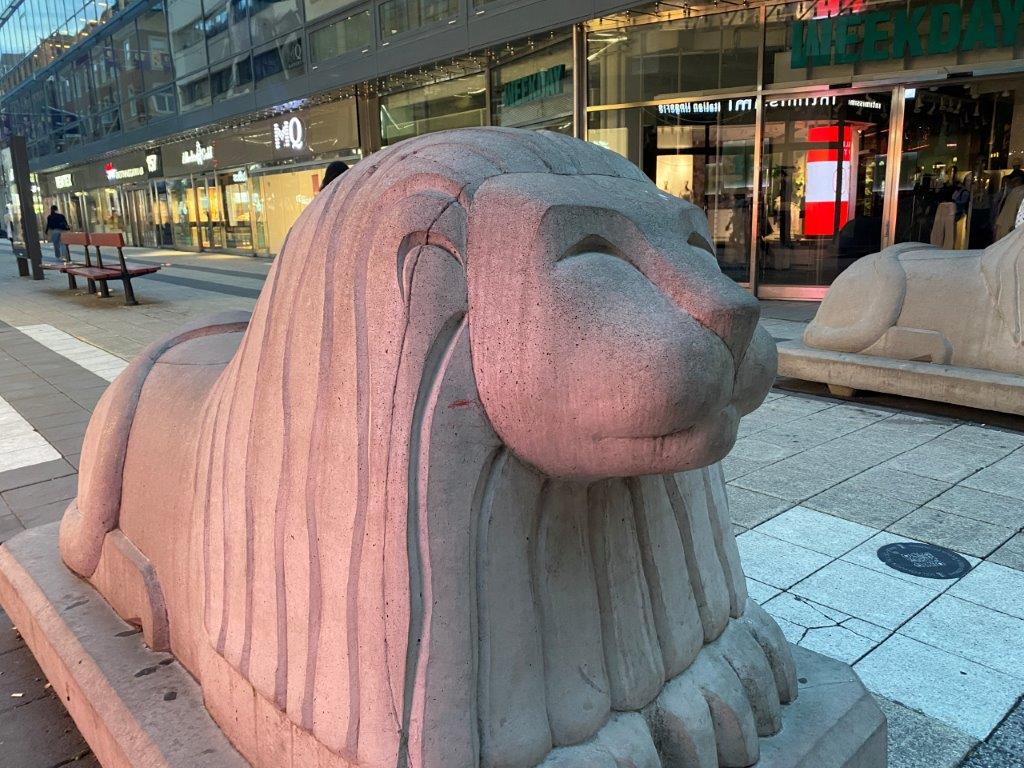

A Short History of Stockholm
The history of Stockholm is that of a small medieval trading post that grew into the capital of a major European power, the Swedish Empire, and later into a modern, global city. Its development has been shaped by its strategic location at the entrance to Lake Mälaren, which allowed it to control trade in the region for centuries. The story of Stockholm is one of political intrigue, architectural transformation, and social change. This has created a city with a rich and layered history that is visible in its buildings and its institutions.
Foundation and the Kalmar Union
The first known written mention of Stockholm dates back to 1252. The city was likely founded by the Swedish regent Birger Jarl. Its location at the straits connecting the large Lake Mälaren with the Baltic Sea made it a key strategic and commercial point. It allowed the Swedish crown to control the vital iron trade from the Bergslagen mining region. The city grew rapidly, and by the 15th century, it was the largest in Sweden. The capital of Sweden was officially moved to Stockholm in 1419.
One of the most dramatic and brutal events in Swedish history took place in Stockholm in November 1520. This event is known as the Stockholm Bloodbath. At the time, Sweden was part of the Kalmar Union with Denmark and Norway. The Danish King Christian II, after conquering the city, had a large number of Swedish nobles and burghers beheaded in the main square of the Old Town. This act of tyranny led to a major rebellion led by the nobleman Gustav Vasa. Three years later, in 1523, Gustav Vasa conquered Stockholm, ended the Kalmar Union, and was elected King of Sweden, founding the modern Swedish state.
The Swedish Empire and a Royal Capital
During the 17th century, Stockholm grew into the magnificent capital of the powerful Swedish Empire. The city’s population expanded, and grand palaces and new neighborhoods were built. The city’s main royal castle, the medieval Tre Kronor (”Three Crowns”), had been the seat of the monarchy since the time of Gustav Vasa. However, a devastating fire in 1697 completely destroyed the old castle.
The fire provided the opportunity to build a new, modern palace in the Baroque style. The construction of the current Royal Palace began almost immediately, though it was not fully completed until 1760. This new palace, designed by the architect Nicodemus Tessin the Younger, became the new symbol of the Swedish monarchy and remains one of the city’s most important landmarks. The 18th century was also a major cultural period for the city.
Industrialization and Modernity
The 19th century was a period of industrialization and population growth for Stockholm. New factories were built, and the city expanded beyond its historic core. The modern infrastructure of the city began to take shape, with the introduction of new services and transport. The Stockholm metro (Tunnelbana) began operations in the 1930s and has since been expanded in several steps to become the backbone of the city’s transport system.
The most significant change to the city’s modern appearance was the Norrmalm redevelopment (Norrmalmsregleringen) in the 1950s and 1960s. This was a controversial urban planning project that involved the demolition of a large part of the historic Klara district in the city center. The old buildings were replaced with the modern, functionalist architecture that defines the city’s central business district today. This project remains a major topic of debate in the history of Swedish urban planning.


Sights in Stockholm
Stockholm is a city of islands, and its sights are spread across these different districts, each with its own character. The main points of interest are concentrated in the central parts of the city, including the islands of Gamla Stan, Djurgården, Södermalm, and Kungsholmen. The city offers a vast range of attractions, from historic royal palaces and world-class museums to large green parks and scenic waterfronts. The city’s unique setting on the water is a sight in itself, with views of the archipelago and Lake Mälaren being a constant presence. The well-preserved historical buildings stand in contrast to the clean lines of modern Swedish design.
A visit to Stockholm provides a journey through over 700 years of Swedish history, from the medieval Old Town to the modern global hub it is today. The island of Djurgården is a unique recreational area that is home to an exceptionally high concentration of the city’s most famous museums and attractions. The modern city center, Norrmalm, provides a look into Swedish design and urban planning, while the hills of Södermalm offer panoramic perspectives of this unique island capital. The public transport system, which includes a network of ferries, makes it easy to travel between these different areas.
Gamla Stan
Gamla Stan, which translates to ”The Old Town,” is the historic heart of Stockholm and one of the best-preserved medieval city centers in Europe. Most of the Old Town is located on the island of Stadsholmen. It also includes the surrounding islets of Riddarholmen and Helgeandsholmen. This part of Stockholm is famous for its narrow, winding cobblestone streets and its well-preserved medieval and Baroque architecture. The main square, Stortorget, with its colorful 17th and 18th-century merchant houses, is the center of the area and was the site of the infamous Stockholm Bloodbath in 1520. Gamla Stan is home to several of the main sights in Stockholm, including the Royal Palace, the Stockholm Cathedral, and the Nobel Prize Museum, as well as the city’s narrowest alley, Mårten Trotzigs Gränd.
The Royal Palace
The Royal Palace (Kungliga Slottet) is the official residence of the Swedish monarch. The huge Baroque-style building is located on the edge of Gamla Stan, overlooking the water. Construction of the palace began in 1697 after the previous medieval castle on the site, Tre Kronor, was destroyed by fire, and it was not ready for use until 1754. The palace was designed by the architect Nicodemus Tessin the Younger. With over 1430 rooms, it is one of the largest palaces in Europe that is still in use by a head of state. Large parts of the palace are open to the public, including the Royal Apartments, the Treasury with the crown jewels, and the Tre Kronor Museum. The daily changing of the guard ceremony in the outer courtyard is a popular public event.
Stadshuset (The City Hall)
The Stockholm City Hall (Stadshuset) is one of the most iconic buildings in the city, located on the eastern tip of the island of Kungsholmen. The building was completed in 1923 and was designed by the architect Ragnar Östberg in the National Romantic style, using approximately eight million red bricks. Its tower, which is 106 meters tall and is topped by the three golden crowns (a national symbol of Sweden), is a key feature of the city’s skyline. The building is the home of the Municipal Council. It is most famous as the venue for the annual Nobel Prize banquet, which is held in its Blue Hall (Blå hallen), which is, despite its name, not blue. The Golden Hall (Gyllene Salen) is decorated with over 18 million gold mosaic tiles.
The Vasa Museum
The Vasa Museum (Vasamuseet) is a maritime museum on the island of Djurgården that is one of Sweden’s most popular attractions. The museum is dedicated to a single object: the Vasa, a 17th-century warship that was built to be the pride of the Swedish navy. However, due to engineering mistakes, the ship was unstable and sank shortly after the start of its maiden voyage in Stockholm in 1628. The ship was salvaged from the bottom of the harbor in 1961 in a remarkably well-preserved state. The museum, which was built around the almost fully intact ship, tells the story of its construction, its sinking, and the life of the people on board. It is the most visited museum in Scandinavia.
Skansen
Skansen is the world’s oldest open-air museum, located on the island of Djurgården. The museum was founded in 1891 by Artur Hazelius to showcase the traditional ways of life from different parts of Sweden before the industrial era. It features over 150 historic buildings, including farmsteads, manors, and workshops, that have been relocated from across the country. The museum is also a zoo, featuring a large collection of Nordic animals, including bears, wolves, lynx, and moose. During the summer, it is the venue for the popular live television show Allsång på Skansen. It is a major center for the celebration of traditional Swedish holidays like Midsummer and Lucia.
Gröna Lund
Gröna Lund is Sweden’s oldest amusement park, with a history dating back to the 1880s. It is located on the island of Djurgården, just next to Skansen, on the waterfront. The park features a mix of classic and modern rides, including several large roller coasters and drop towers. Due to its constrained location, the park is known for its compact and unique layout, with rides being built very close to and even intertwined with each other. It is also a major venue for outdoor concerts during the summer, attracting large international artists to its main stage.
Djurgården
Djurgården is an island located to the east of the city center that is a large green oasis and a major recreational area. The island is part of the Royal National City Park, the first of its kind in the world. It is home to a very high concentration of Stockholm’s most famous attractions, including Skansen, Gröna Lund, the Vasa Museum, and the ABBA The Museum. The island is a former royal hunting park, and much of it is still covered in forests and parkland. It is a perfect place for a walk in nature, with paths running through the woods and along the scenic Djurgården Canal and the waterfront.
Södermalm
Södermalm is the large island located to the south of the Old Town. The island has transformed from a traditional working-class district into one of Stockholm’s trendiest and most desirable neighborhoods. It is known for its bohemian and creative atmosphere, with a mix of historic wooden houses, grand stone apartment buildings, and modern architecture. It is home to numerous independent shops, vintage stores, and a wide variety of restaurants and bars, especially in the area known as SoFo. The northern cliffs of Södermalm, particularly along the street Fjällgatan and the Monteliusvägen path, offer some of the best panoramic views of the Old Town and the rest of Stockholm.
The Swedish Museum of Natural History
The Swedish Museum of Natural History (Naturhistoriska riksmuseet) is located just next to the campus of Stockholm University in Frescati. The Royal Swedish Academy of Sciences founded the museum in 1819, and it is housed in a grand building that was completed in 1916. The museum’s large collection showcases the history of life on Earth, with exhibitions about dinosaurs, the polar regions, and the human body. The museum also has an IMAX dome cinema, Cosmonova, which shows science and nature films on a large screen. It is the largest museum of its kind in Sweden.
The Parliament Building
The building housing the Swedish parliament, or Riksdagen, is a major landmark in central Stockholm. It is located on the island of Helgeandsholmen, between the modern city center and the Old Town. The grand building was completed in 1905 and was designed by the architect Aron Johansson in the Neoclassical style. It is possible to take guided tours of the building to see the main chambers and learn about the workings of Swedish democracy. Located underneath the building and the adjacent square is the Museum of Medieval Stockholm, which was built around the archaeological remains of the original medieval city wall.
Fotografiska
Fotografiska is a major international museum of contemporary photography. It is located in a historic former customs house from 1906, on the waterfront of the Södermalm island. The museum was opened in 2010 and has become one of the city’s most popular cultural institutions. It does not have a permanent collection but instead hosts a program of four major and around 20 smaller temporary exhibitions each year, featuring works by some of the world’s most famous photographers. The museum also has a well-regarded restaurant at the top of the building with panoramic views of the city.
Drottningholm Palace
Located on the island of Lovön in Lake Mälaren, a short distance from the city center, is the Drottningholm Palace. This is the private residence of the Swedish royal family, the King and Queen. The palace was built in the late 16th century and is a UNESCO World Heritage Site. The UNESCO designation includes not only the main palace but also the remarkably well-preserved Court Theatre from the 18th century and the exotic Chinese Pavilion. The extensive Baroque and English-style palace parks are open to the public. It is possible to reach the palace by a historic steamship from the city center.
ABBA The Museum
ABBA The Museum is an interactive exhibition dedicated to the world-famous Swedish pop group ABBA. The museum is located on the island of Djurgården. It showcases the band’s stage costumes, gold records, and other memorabilia. A key part of the museum is its interactive elements, where visitors can sing along to ABBA songs in a recording studio, virtually mix their music, and perform on stage with avatars of the band members. It is not a traditional museum but rather an immersive experience. It has become one of the city’s most popular modern attractions since it opened in 2013.
Riddarholmen Church
The Riddarholmen Church (Riddarholmskyrkan) is located on the island of Riddarholmen, next to Gamla Stan. The church is one of the oldest buildings in Stockholm, with parts dating to the late 13th century. It was originally built as a Franciscan monastery church. After the Protestant Reformation, it became the final resting place for a large number of Swedish monarchs, from Gustavus Adolphus in the 17th century to Gustaf V in the 20th century. The church is easily recognizable by its distinctive cast-iron spire, which was added in the 19th century after the original spire was destroyed by lightning.
Skogskyrkogården (The Woodland Cemetery)
The Skogskyrkogården, or ”The Woodland Cemetery,” is located in the southern part of Stockholm. It is a UNESCO World Heritage Site, recognized for its unique design that blends architecture and nature. The cemetery was created between 1917 and 1940 by the architects Gunnar Asplund and Sigurd Lewerentz. The design is a key example of the transition from National Romanticism to Functionalism. The site includes several chapels, including the famous Holy Cross Chapel, set within a serene landscape of pine forest.
Storkyrkan (Stockholm Cathedral)
The Storkyrkan, or ”The Great Church,” is the main cathedral of Stockholm and is located in Gamla Stan, next to the Royal Palace. The church has its origins in the 13th century, making it the oldest church in the Old Town. It has been the site of numerous royal coronations and weddings, including the most recent one in 2010. The church is a key example of the Brick Gothic style. Its most famous artwork is the dramatic late medieval wooden sculpture of Saint George and the Dragon.
Nobel Prize Museum
The Nobel Prize Museum is located in the historic former Stock Exchange building on the main square, Stortorget, in Gamla Stan. The museum is dedicated to the history of the Nobel Prize and its founder, Alfred Nobel. The exhibitions showcase the work and ideas of the over 900 Nobel Laureates who have been awarded the prize since 1901. The museum uses a combination of artifacts, videos, and interactive displays to tell the stories of these individuals and their contributions to science, literature, and peace.
Moderna Museet
The Moderna Museet, or the Museum of Modern Art, is Sweden’s main museum for modern and contemporary art. It is located on the island of Skeppsholmen, in a modern building designed by the Spanish architect Rafael Moneo. The museum’s collection is one of the most significant in Europe. It includes a large number of masterpieces by artists such as Pablo Picasso, Salvador Dalí, and Henri Matisse. The museum also has a major collection of photography and a regular program of temporary exhibitions.
Stockholm Public Library
The Stockholm Public Library (Stadsbiblioteket) is a major architectural landmark located in the Vasastan district. The building was designed by the famous Swedish architect Gunnar Asplund and was completed in 1928. It is a key example of the architectural style known as Swedish Grace, which was a transition from Neoclassicism to Functionalism. The most famous feature of the library is its large, cylindrical central rotunda, which houses the main lending hall. The building is considered one of the most important architectural works in Sweden.
Östermalms Saluhall
The Östermalms Saluhall is a historic food hall located in the Östermalm district. The magnificent brick building was constructed in the 1880s. It is famous for its intricate cast-iron interior architecture. The food hall is a major destination for high-quality Swedish produce, including fresh seafood, meats, cheeses, and prepared foods. It houses numerous specialist food stalls and several well-regarded restaurants and cafes. After a major renovation, the historic hall was reopened in 2020, restoring it to its original appearance.


Traveling with Kids
Stockholm is an exceptionally family-friendly city, offering a wide range of activities and attractions that are suitable for children of all ages. The city has numerous large parks, world-class museums designed specifically for children, and excellent public transport that makes it easy to get around with a family and a stroller. Many restaurants and cafes are welcoming to families, often providing high chairs and changing facilities. The city’s focus on outdoor life also means there are many opportunities for children to play and explore in a natural environment, even in the heart of the city. The combination of cultural attractions and accessible nature makes Stockholm a premier destination for a family holiday.
The island of Djurgården is the main hub for family-friendly attractions, home to several of the city’s most popular sights for children, including the Skansen open-air museum and the Gröna Lund amusement park. The city’s many public libraries often have dedicated children’s sections with story times and other activities. The safety and cleanliness of the city also contribute to making it a relaxing destination for a family holiday. Furthermore, the public transport system is very efficient, with the metro, buses, and ferries providing easy access to all the main attractions, which reduces the stress of navigating a large city with a family.
Playgrounds in Stockholm
Stockholm has a large number of excellent and often themed public playgrounds (lekpark), which are a key part of the city’s family-friendly infrastructure. These are not just simple play areas but are often large, imaginative spaces with a wide variety of equipment suitable for children of all ages. Many of the larger playgrounds have staff on site during the daytime and offer activities such as arts and crafts. The playgrounds are free to use and are popular gathering places for local families, providing an authentic slice of daily life in the city.
Uggleparken
The Uggleparken (”The Owl Park”) is a popular themed playground located in the Kristineberg neighborhood on the island of Kungsholmen. The playground’s main features are two giant, wooden owl sculptures that children can climb inside and explore. In addition to the large owls, which also function as slides, the park includes swings, sandpits, and other play equipment. The park is set within a pleasant green space, making it a good destination for a family outing. It is a well-known example of the creative and high-quality design of Stockholm’s public playgrounds.
Vasaparken
Vasaparken is a large park located in the Vasastan district, and it is home to one of the city’s most popular and well-equipped playgrounds. The playground is large and offers a wide range of modern play equipment for children of different ages, from toddlers to older kids. In addition to the main play area, the park has large open grassy fields that are perfect for picnics and games. During the winter, this field is converted into a free public ice-skating rink. The park also has a small cafe and a mini-golf course, making it a full-service recreational hub for the district.
Humlegården Playground
Another of the city’s major playgrounds is located in Humlegården, a large park in the central Östermalm district. This is one of the most popular playgrounds in the city center. It has a large and varied selection of play equipment, including extensive climbing structures, slides, and swings. The playground is set within the historic park, which is also home to the National Library of Sweden. The park’s central location and its excellent facilities make it a very popular gathering spot for families living in and visiting the central parts of Stockholm.
Attractions for Kids
Several of Stockholm’s most famous museums are particularly well-suited for a visit with children. These attractions offer interactive and engaging experiences that are both educational and entertaining, making them a key part of a family trip to the city. The island of Djurgården is the main center for these museums, with several of the top family-friendly attractions located within a short walk of each other. These institutions are designed to be accessible and fun for visitors of all ages.
Junibacken
Located on the island of Djurgården, Junibacken is a children’s museum dedicated to the world of the Swedish author Astrid Lindgren and other Nordic children’s authors. The main attraction is the ”Story Train,” which takes visitors on a magical journey through the settings of her famous books, such as Pippi Longstocking and Emil of Lönneberga. The museum also has a large indoor play area called Storybook Square (Sagotorget), where children can play in the houses of famous storybook characters. The museum also has a large children’s bookshop and a restaurant with views of the water.
The Vasa Museum
While it is a historical museum, the Vasa Museum is also a major attraction for children due to the sheer scale of the massive, preserved 17th-century warship. The immense size of the ship is impressive for all ages. The museum has special exhibits and audio guides that are designed specifically for children, telling the story of the ship and its crew in an engaging way. The exhibits include the skeletons of some of the crew members who were found on board, which is often a point of fascination for younger visitors. The museum also offers a special family trail that guides children through the exhibits.
The Swedish Museum of Natural History
The Swedish Museum of Natural History (Naturhistoriska riksmuseet) is located just next to the campus of Stockholm University in Frescati. The museum is a major family attraction, with extensive exhibitions on the history of life on Earth. The most popular exhibits for children are the large collection of dinosaur skeletons and the exhibitions on animals from around the world. The museum is also home to the Cosmonova, an IMAX dome cinema that shows science and nature films on a massive screen, providing an immersive experience.
Swimming Places
Stockholm’s location on the water means there are numerous opportunities for swimming during the summer months, both in the freshwater of Lake Mälaren and in the brackish water of the Baltic Sea. The city has several official public beaches (badplats) that are popular with families and are supervised during the peak season. There are also several large, modern indoor swimming pools that are open year-round and offer dedicated areas for children.
Smedsuddsbadet
Smedsuddsbadet is a popular sandy beach located on the island of Kungsholmen, a short distance from the city center. The beach is situated in the large Rålambshovsparken park. It features a large, sandy beach and a spacious grassy lawn that is perfect for picnics. The water in this part of Lake Mälaren is relatively shallow, which makes it a suitable swimming spot for families with younger children. It is one of the most popular and easily accessible city beaches in Stockholm and can be very crowded on warm summer days.
Eriksdalsbadet
The Eriksdalsbadet is the largest swimming center in Stockholm, located on the island of Södermalm. The facility includes several indoor and outdoor swimming pools. The indoor section is open year-round and has a large adventure pool (äventyrsbad) with water slides, a lazy river, and other attractions, which is extremely popular with children and families. The outdoor section, which is open in the summer, has a 50-meter Olympic-sized pool. It is the main public swimming facility in the city.
Hellasgården
Hellasgården is a large, popular outdoor recreational area located just a short bus ride from the city center. It is situated in the Nacka Nature Reserve. The area is centered on a large lake, Källtorpssjön, which has a popular public beach and several swimming docks. During the winter, a hole is cut in the ice for ice swimming, which is often combined with a visit to the lakeside sauna. The area also has extensive hiking trails, a golf course, and facilities for other sports, making it a major year-round destination for outdoor recreation.


Sports in Stockholm
The sporting life in Stockholm is rich and diverse, with several professional teams that are among the most successful and historic in Sweden. The city has a strong tradition in two of the country’s most popular sports: football and ice hockey. The rivalries between the three main Stockholm-based clubs, AIK, Djurgårdens IF, and Hammarby IF, are some of the most intense in all of Swedish sport, creating a passionate atmosphere at matches. The city has several major stadiums and arenas that host these teams, including the national football stadium, Friends Arena, the modern Tele2 Arena, and the iconic Avicii Arena. This combination of historic clubs and modern arenas makes Stockholm a major sporting hub in the Nordic region.
Beyond the main team sports, the city also hosts major annual international sporting events, such as the Stockholm Marathon and the Bauhaus-Galan athletics meeting, which is part of the Diamond League circuit. The surrounding natural landscape, with its forests and vast archipelago, also provides extensive opportunities for recreational sports like running, skiing, and sailing. This creates a dynamic sporting environment throughout the year for both elite athletes and the general public, cementing the city’s reputation as a world-class sports destination. The city’s sporting culture is a key part of its identity and a source of great civic pride for its residents.
Football
Football is the most popular sport in Stockholm, and the city is a major center for the sport in Sweden. The city is home to three major professional football clubs that all compete in Allsvenskan, the top tier of Swedish football. The rivalry between these three clubs, AIK, Djurgårdens IF, and Hammarby IF, is a defining feature of the city’s sporting life. The derby matches between these teams are major events that draw large and passionate crowds from across the city and the country. The national football stadium is also located in the Stockholm metropolitan area.
AIK
AIK (Allmänna Idrottsklubben) is one of the most successful and widely supported football clubs in Sweden. The club was founded in 1891 in central Stockholm and has a long and storied history. They have won the Swedish championship multiple times, with their most recent title coming in 2018. The club’s team colors are black and yellow, and their nickname is ”Gnaget.” They play their home games at the Friends Arena in the neighboring municipality of Solna, which is Sweden’s national football stadium and has a capacity of over 50,000 spectators. The club has a large and dedicated national fanbase.
Djurgårdens IF
Djurgårdens IF is another of the city’s major football clubs and a historic rival of AIK. The club was also founded in 1891, on the island of Djurgården, and also has a very successful history, having won the Swedish championship and the Swedish Cup multiple times. The club’s team colors are light and dark blue, and their nickname is ”Järnkaminerna” (The Iron Stoves). They play their home games at the Tele2 Arena, a modern stadium with a retractable roof located in the southern part of the city. They share this stadium with their rivals, Hammarby IF.
Hammarby IF
Hammarby IF is the third of the major Stockholm football clubs. While they have historically won fewer championship titles than their two main rivals, they are known for having one of the most passionate and loyal fanbases in all of Sweden, often boasting the highest attendance numbers in the league. The club is strongly associated with the Södermalm district of Stockholm, and its nickname is ”Bajen.” The club’s team colors are green and white. They also play their home games at the Tele2 Arena, and the derby matches against Djurgården at their shared home ground are particularly intense.
Ice Hockey
Ice hockey is a very popular sport in Stockholm, with the city being home to some of the most historic and successful ice hockey clubs in the history of Sweden. The sport has a strong and dedicated following, with home games attracting large crowds to the main ice arenas. The rivalry between the Stockholm-based clubs, known as the ”Tvillingderbyt” (The Twin Derby), is a key feature of the national league. The city has produced a large number of players who have gone on to have successful careers in the National Hockey League (NHL).
Djurgårdens IF
The ice hockey section of Djurgårdens IF is one of the most successful in Swedish history. The club has won the Swedish championship a record 16 times, more than any other club in the country. They have a long and proud history of competing at the highest level. They play their home games at the Hovet indoor arena, which is located next to the Avicii Arena in the southern part of the city. The club has produced a large number of legendary players who have gone on to play in the NHL and are known for their strong youth development program.
AIK
The ice hockey section of AIK is the historic rival of Djurgårdens IF. The club also has a long and successful history, having won the Swedish championship seven times. The derby matches between AIK and Djurgården are some of the most famous and intense in all of Swedish sport. The club currently competes in HockeyAllsvenskan, the second-highest professional league in Sweden. They also play their home games at the Hovet arena, which makes the derby matches particularly charged events.
Bandy
Bandy is a traditional Swedish winter sport that is popular in Stockholm. The sport is played on a large ice rink, the size of a football pitch, with a small ball and sticks. The city is home to one of the most successful bandy clubs in the country’s history. The national championship final, which is held in March, is a major annual event in Swedish sport and has often been held in Stockholm at various venues.
Hammarby IF
The bandy section of Hammarby IF is one of the most successful in Sweden. The team has won the Swedish championship multiple times in the 21st century. They are known for having a very large and passionate fanbase, which is unusual for the sport of bandy, often drawing crowds that are larger than those for top-tier football matches. They play their home games at the Zinkensdamms IP outdoor arena on the island of Södermalm. The atmosphere at their home games is famous in the bandy world.
Handball
Handball is a popular indoor sport in Sweden, and Stockholm has a major club that represents the city at the highest level of the sport. The sport has a dedicated following in the city, with a strong youth and amateur scene. The local club has a passionate fanbase and is known for creating a great atmosphere at its home games.
Hammarby Handboll
The main professional handball club in the city is Hammarby Handboll. The club is part of the larger Hammarby IF multi-sport association. The team competes in the Handbollsligan, the top professional handball league in Sweden. They have a history of winning the Swedish championship. The club is known for having a very passionate and vocal fanbase, similar to the football and bandy sections of the club. They play their home games at the Eriksdalshallen indoor arena on the island of Södermalm.
Running
Stockholm is a major center for running, with a large and active community of recreational and competitive runners. The city’s scenic routes, particularly along the waterfronts of its many islands and through its large parks, provide an ideal environment for the sport. The city hosts several major annual road races that attract thousands of participants from all over the world. These events range from the classic marathon distance to unique night races and massive team relays.
Stockholm Marathon
The Stockholm Marathon is a major annual international running event. The race is typically held in early June. The course for the race is known for being very scenic, running through the central parts of the city and passing by many of the main landmarks, including the City Hall and the Royal Palace. The start and finish of the race are located at the historic Stockholm Olympic Stadium, which was the main venue for the 1912 Olympic Games. The race attracts thousands of elite and amateur participants from all over the world and is a key part of the city’s summer calendar.
Stockholms Halvmaraton
The Stockholms Halvmaraton, or the Stockholm Half Marathon, is another major road race that is held annually in September. The race serves as a key autumn running goal for thousands of runners. The course for the half marathon runs through the central districts of Norrmalm, Vasastan, and Kungsholmen. The race is known for its festive atmosphere and for passing by many of the city’s key sights. It is one of the largest half marathons in the country and is a popular event for both local and international runners.
Midnattsloppet
The Midnattsloppet, which translates to ”The Midnight Race,” is a unique and very popular 10-kilometer road race. The event is held on an evening in August on the island of Södermalm. It is known for its festival-like atmosphere, with live music, samba bands, and thousands of spectators lining the course. A key feature of the race is that all participants must wear the official race t-shirt for that year, creating a uniform sea of runners. The late start time and the party atmosphere make it one of the most distinctive running events in Sweden.
Convinistafetten
The Convinistafetten, formerly known as the Bellmanstafetten, is a massive annual relay race that focuses on corporate and social teams. The event is one of the largest of its kind in the world, with thousands of teams participating. The race is structured as a 5×5-kilometer relay, where each member of a five-person team runs a 5-kilometer leg. The event is held in the late summer in the northern part of the Djurgården park area. It is a very popular event for workplace wellness and team-building, with many teams having a picnic in the park after the race.


Getting Around in Stockholm
Navigating Stockholm is best done using the city’s excellent and extensive public transport system. The city is spread out over 14 islands, and the system of metro, buses, commuter trains, trams, and ferries is designed to connect them efficiently. A private car is generally not recommended for visitors, as traffic can be heavy and parking is very limited and expensive, and a congestion charge applies in the city center. The public transport network is operated by SL (Storstockholms Lokaltrafik). It is a fully integrated system, allowing for seamless transfers between different modes of transport on a single ticket. This network is the primary way that both residents and visitors travel around the city and the wider county.
The entire public transport system in Stockholm County is covered by a single ticketing system, making it very convenient for users. The most modern and simple way to pay is by using a contactless bank card (Visa, Mastercard, or American Express) to tap on the card readers at the start of a journey. Alternatively, physical SL Access cards can be purchased and loaded with credit or with period tickets, which are valid for 24 hours, 72 hours, or longer. These period tickets offer unlimited travel on all SL services and can be a very economical option for tourists. Single-use tickets can also be purchased via the SL mobile app. Tickets cannot be purchased with cash on board buses or trams.
On Foot
Walking is the best way to explore many of Stockholm’s most famous neighborhoods, especially the historic Gamla Stan (Old Town). This area is a maze of narrow, cobblestone streets that is almost entirely pedestrianized, making it a perfect environment for a stroll. The modern city center, Norrmalm, is also very walkable, with its main shopping streets and squares. The island of Djurgården, with its many museums and parks, is a popular area for long, scenic walks. The city’s many bridges and waterfront promenades, such as Strandvägen, also provide beautiful routes for exploring the city’s unique island geography on foot.
The Metro (Tunnelbana)
The Stockholm metro, known as the Tunnelbana or T-bana, is the backbone of the city’s public transport system and the easiest way to travel longer distances. The system has three main colored lines (Green, Red, and Blue) that all converge at the central hub of T-Centralen, which is connected to the main railway station. The metro is famously known as the ”world’s longest art gallery,” as over 90 of its 100 stations have been decorated with sculptures, paintings, and mosaics by various artists. This makes a journey on the metro a cultural experience in itself, with stations like Kungsträdgården and Solna Centrum being major attractions.
Buses and Trams
In addition to the metro, Stockholm has a dense network of buses that serve all parts of the city and its suburbs, often reaching areas not covered by the metro. A key route for tourists is Bus 69, which runs to the island of Djurgården. A modern tram line, the Spårväg City (Line 7), is also a very scenic and convenient route that connects the city center with major attractions on Djurgården, such as Skansen and the Vasa Museum. During the summer months, a historic heritage tram also operates on this same line.
Ferries
As a city built on islands, ferries are a key and scenic part of the public transport system. The SL network includes several commuter ferry lines (pendelbåtar) that are covered by the standard public transport tickets. The most useful of these for visitors is the Djurgården ferry (Djurgårdsfärjan), which provides a frequent and beautiful connection from Slussen/Gamla Stan to the island of Djurgården. Another SL ferry line connects the city center with the modern residential district of Hammarby Sjöstad. In addition to these, private companies like Waxholmsbolaget operate larger ferries that serve the wider Stockholm archipelago.
Commuter Rail (Pendeltåg)
The Pendeltåg, or commuter rail, is a system of trains that serves the wider Stockholm County. The trains are used for longer-distance travel to the suburbs and to important locations outside the city center. A key route for international travelers is the commuter train that connects the city with Stockholm Arlanda Airport (ARN), providing a more economical alternative to the faster Arlanda Express train. The commuter trains also provide a connection to the city of Uppsala. A new city line, the Citybanan, was recently opened with new underground stations at Stockholm City and Odenplan, which has improved service through the city center.


How to Get to Stockholm?
Reaching Stockholm is convenient, as it is the main international gateway to Sweden. The city is served by a major international airport and is the central hub for the national road and rail networks. It is also a major international port, with frequent ferry connections to other countries on the Baltic Sea. This makes it a highly accessible destination from all parts of the world.
Arriving by Air: A Choice of Four Airports
The Stockholm area is served by four airports. The main international gateway is Stockholm Arlanda Airport (ARN). It is located about 40 kilometers north of the city and is a major hub for Scandinavian Airlines (SAS). The Arlanda Express train provides the fastest connection to the city center. Bromma Airport (BMA) is closer to the city center and is used for some domestic and regional flights. The two airports used by low-cost carriers, Stockholm Skavsta Airport (NYO) and Stockholm Västerås Airport (VST), are located about 100 kilometers away.
The Open Road: Driving the Motorways
Driving to Stockholm is straightforward. The city is the central hub of the Swedish road network. The E4 motorway is the main north-south highway that runs directly through the city. The E20 motorway is the main east-west route that connects Stockholm with Gothenburg. The E18 motorway connects the city with Oslo in Norway. Driving within the city center is subject to a congestion charge on weekdays, and parking is very limited and expensive.
On Track: The Central Railway Hub
Traveling to Stockholm by train is a highly efficient option. The Stockholm Central Station is the largest and busiest railway station in Sweden. SJ, the national rail operator, runs high-speed X2000 trains that connect Stockholm with all major cities in Sweden, as well as with Copenhagen in Denmark and Oslo in Norway. The station is also the main hub for regional trains and the Stockholm commuter rail system. The station is located in the heart of the city center.
Connecting by Coach
Long-distance bus services from companies like FlixBus and Vy Bus4You connect Stockholm with many cities across Sweden and Europe. The main long-distance bus terminal, the Cityterminalen, is located directly next to the Central Station. This provides an economical option for reaching the city. The terminal is a modern, integrated transport hub with easy connections to the local metro and train systems.
The Baltic Sea Route: Arriving by Ferry
Stockholm is a major international passenger ferry port. The city has several different ferry terminals. The main terminals are served by the ferry companies Viking Line and Tallink Silja. There are frequent, large cruise ferry services that connect Stockholm with Helsinki and Turku in Finland, Tallinn in Estonia, and Riga in Latvia. Arriving by ferry provides a scenic journey through the Stockholm archipelago.


Driving Distances
The driving distance to Stockholm from 50 other regional cities, according to Google Maps (ferries have been excluded where possible):
- Södertälje, Sweden – 36 kilometers (0 h 40 min)
- Vagnhärad, Sweden – 68 kilometers (1 h 10 min)
- Uppsala, Sweden – 71 kilometers (1 h 00 min)
- Trosa, Sweden – 72 kilometers (1 h 10 min)
- Nyköping, Sweden – 101 kilometers (1 h 10 min)
- Västerås, Sweden – 104 kilometers (1 h 20 min)
- Mariehamn, Åland – 156 kilometers (3 h 40 min, ferry)
- Norrköping, Sweden – 161 kilometers (1 h 50 min)
- Gävle, Sweden – 171 kilometers (1 h 50 min)
- Linköping, Sweden – 200 kilometers (2 h 10 min)
- Örebro, Sweden – 203 kilometers (2 h 20 min)
- Visby, Sweden – 211 kilometers (4 h 40 min, ferry)
- Karlstad, Sweden – 313 kilometers (3 h 40 min)
- Jönköping, Sweden – 327 kilometers (3 h 30 min)
- Sundsvall, Sweden – 384 kilometers (3 h 50 min)
- Kalmar, Sweden – 411 kilometers (4 h 40 min)
- Växjö, Sweden – 443 kilometers (5 h 10 min)
- Gothenburg, Sweden – 471 kilometers (5 h 00 min)
- Oslo, Norway – 527 kilometers (6 h 10 min)
- Örnsköldsvik, Sweden – 527 kilometers (6 h 00 min)
- Östersund, Sweden – 554 kilometers (6 h 00 min)
- Malmö, Sweden – 612 kilometers (6 h 10 min)
- Umeå, Sweden – 635 kilometers (7 h 10 min)
- Copenhagen, Denmark – 654 kilometers (6 h 50 min)
- Luleå, Sweden – 904 kilometers (9 h 30 min)
- Hamburg, Germany – 960 kilometers (10 h 30 min)
- Bergen, Norway – 988 kilometers (13 h 10 min)
- Riga, Latvia – 1,053 kilometers (13 h 00 min)
- Vilnius, Lithuania – 1,161 kilometers (14 h 10 min)
- Kiruna, Sweden – 1,235 kilometers (13 h 30 min)
- Helsinki, Finland – 1,304 kilometers (16 h 00 min)
- Berlin, Germany – 1,351 kilometers (14 h 00 min)
- Tallinn, Estonia. – 1,362 kilometers (17 h 00 min)
- Amsterdam, Netherlands – 1,432 kilometers (15 h 30 min)
- Gdansk, Poland – 1,448 kilometers (15 h 00 min)
- Prague, Czech Republic – 1,578 kilometers (16 h 30 min)
- Warsaw, Poland – 1,602 kilometers (17 h 30 min)
- Brussels, Belgium – 1,634 kilometers (17 h 00 min)
- Luxembourg City, Lux. – 1,682 kilometers (17 h 30 min)
- Bratislava, Slovakia – 1,821 kilometers (18 h 30 min)
- Vienna, Austria – 1,829 kilometers (18 h 45 min)
- Paris, France – 1,878 kilometers (19 h 30 min)
- Zurich, Switzerland – 1,909 kilometers (20 h 00 min)
- London, UK – 1,919 kilometers (20 h 00 min, tunnel)
- Budapest, Hungary – 2,018 kilometers (20 h 30 min)
- Kyiv, Ukraine – 2,154 kilometers (28 h 00 min)
- Rome, Italy – 2,624 kilometers (1 d 3 h 00 min)
- Madrid, Spain – 3,149 kilometers (1 d 7 h 00 min)
- Athens, Greece – 3,484 kilometers (1 d 11 h 00 min)
- Lisbon, Portugal – 3,610 kilometers (1 d 11 h 00 min)
Explore More of Stockholm and Sweden
This post was first published 2016-09-16 and was updated 2025-07-28
Excellent post. When blogging about my own recent holiday in Sweden I put up two posts specifically about the city of Stockholm, one about the Tunnelbana and my very first post in the series which focussed mainly on the Stockholm Archipelago where my holiday started: https://aspiblog.wordpress.com/2016/09/07/kungstragarden/, https://aspiblog.wordpress.com/2016/09/07/gamla-stan/, https://aspiblog.wordpress.com/2016/09/06/tunnelbana/ and https://aspiblog.wordpress.com/2016/08/01/pictures-from-the-stockholm-archipelago/ 🙂
Thank you 🙂
Wow! Thanks for the armchair tour. Always wanted to visit -:D
I hope that you will get that possibility one day. 🙂
Stockholm is definitely one of my favorite cities! I’ve been there countless times and intend to write about it on my travel blog. My favorite places are Fotografiska, Moderna Museet, Thielska Galleriet and Waldemarsudde. A couple of weeks ago I got the chance to visit Saltsjöbaden, Fjärilholmarna and Drottningholm and on Sunday I’m heading to Artipelag Art Museum.
Nice to hear that you like the city. 🙂
We still haven’t had time to visit most of those places, but I know that Susann wants to visit Fotografiska. 🙂
Nice post, super helpful and informative. I’d never heard of the Stockholm Bloodbath before! Looking forward to visiting one day. I have shared it on my travel map. Check it out if you like: https://www.thetravelblogs.com/europe/
Thank you, Matt. We hope that you will get to visit Stockholm one day, it is really worth it. 🙂
I love Stockholm! And Malmö too. Thanks for your complete and well written article. 😊
Thank you for your kind words, we are happy to hear that you appreciate some of the great cities here in Sweden 🙂