

Corralejo, Fuerteventura | Exploring Spain
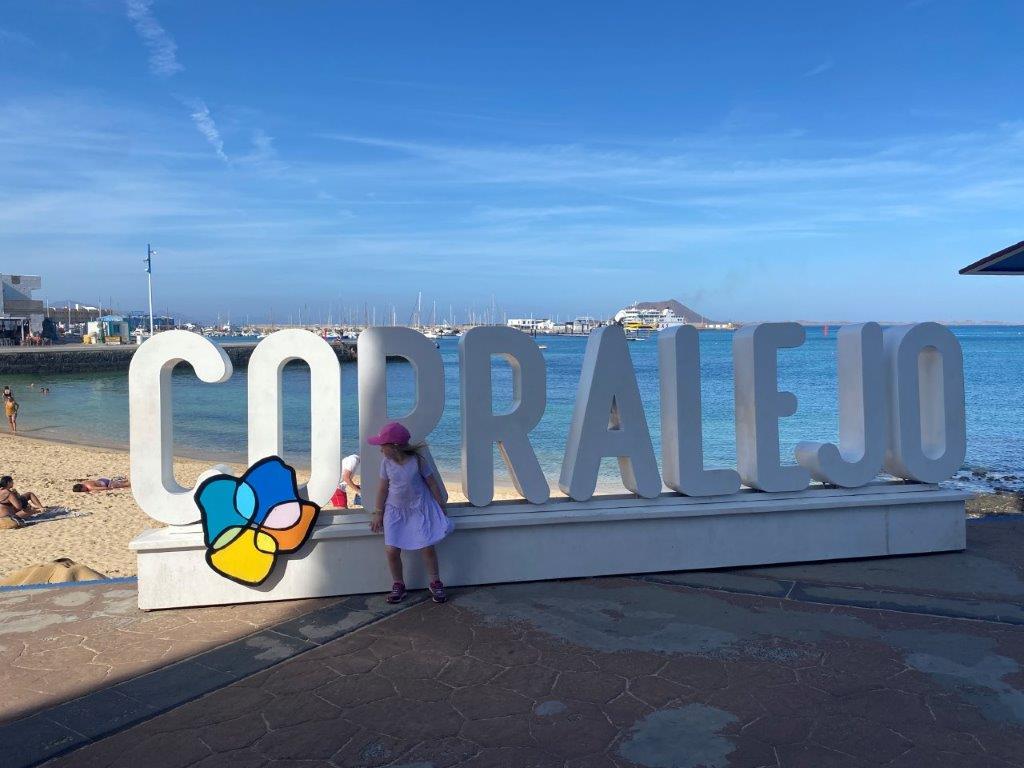
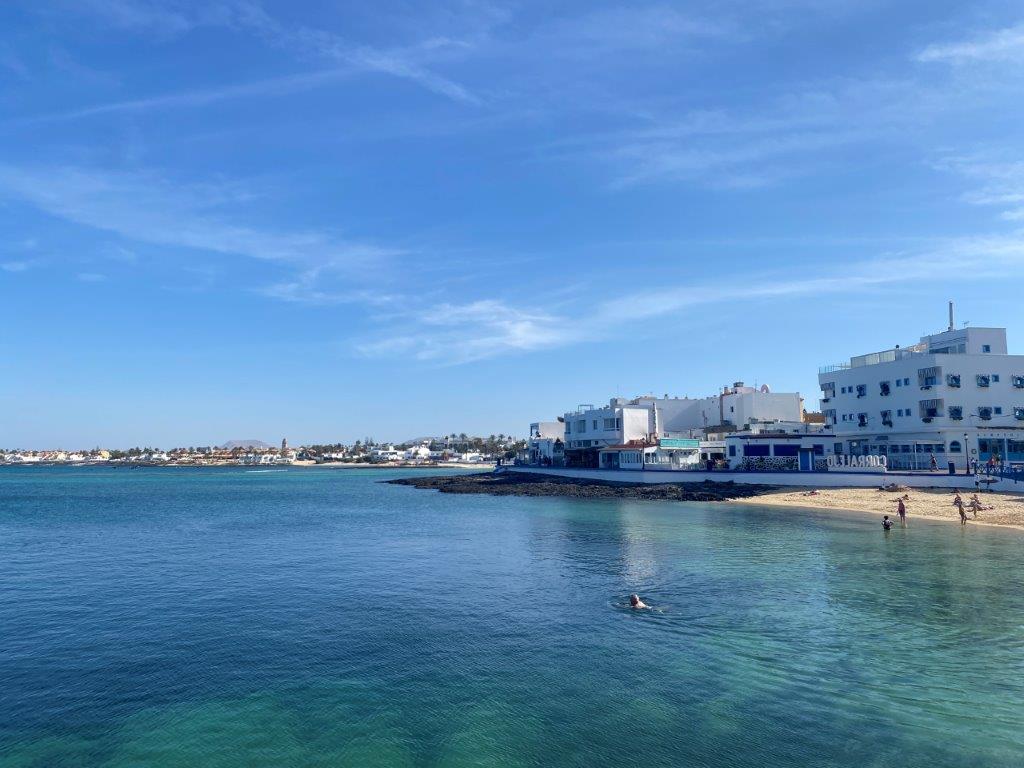
Corralejo is a town located on the northeastern coast of the island of Fuerteventura, one of the Canary Islands of Spain. It is a part of the municipality of La Oliva. With a population of around 18,000 inhabitants, Corralejo is the largest resort town on the island. It has developed from a small and quiet fishing village into a bustling and popular tourist destination. The town is known for its beautiful beaches, its lively atmosphere, and its proximity to the magnificent sand dunes of the Corralejo Natural Park.
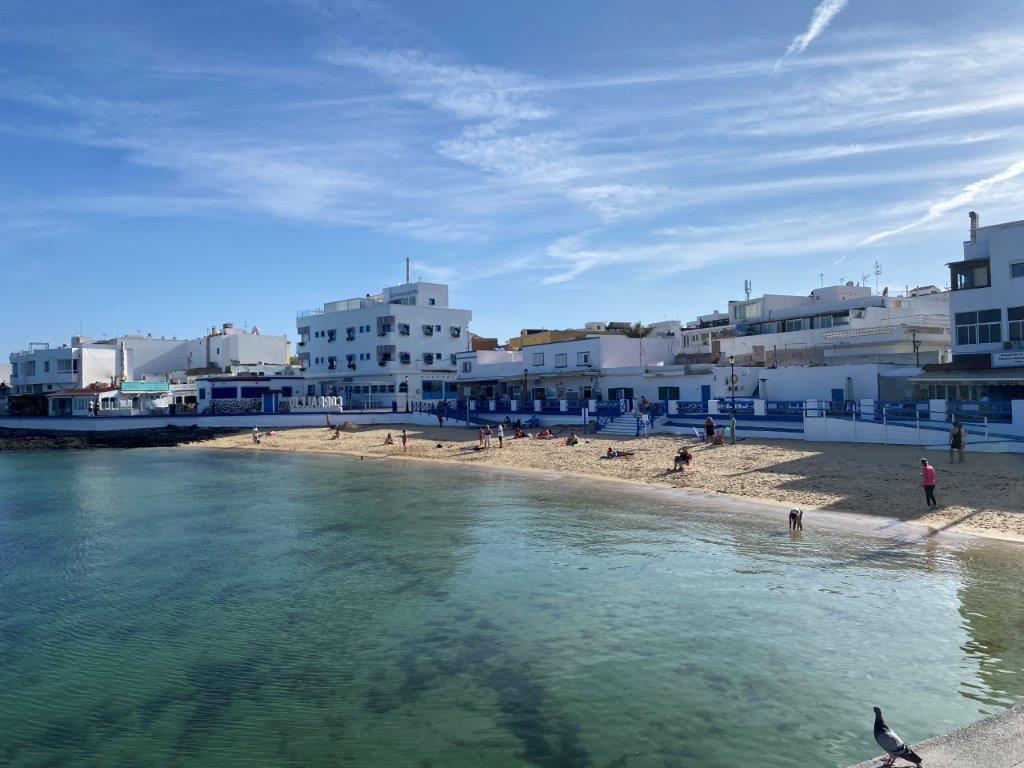
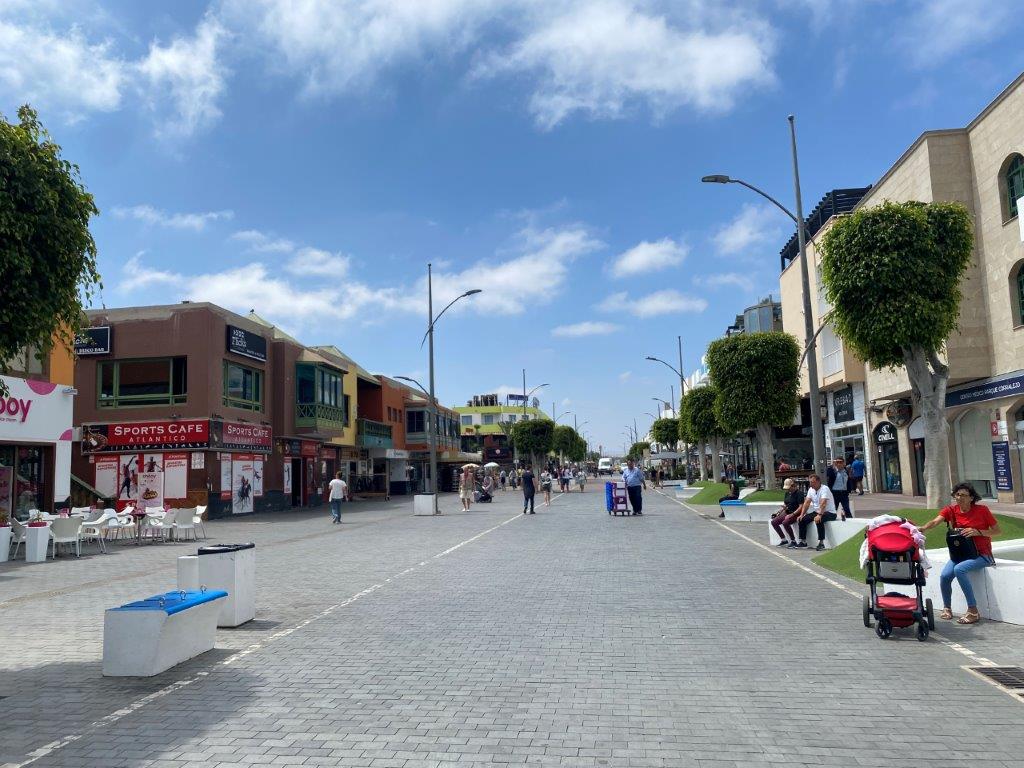
The identity of Corralejo is defined by its role as a major hub for tourism and water sports. The town has a charming old town with a traditional harbor, as well as a modern main street filled with shops, restaurants, and bars. Its most famous feature is the incredible natural landscape that surrounds it. This includes the vast expanse of sand dunes to the south and the beautiful, uninhabited island of Isla de Lobos, which lies just off the coast. Today, Corralejo is a vibrant destination that offers a unique combination of beautiful beaches, stunning natural scenery, and a wide range of recreational activities.
History of Corralejo
The history of Corralejo is a story of a small fishing village that was transformed into a major international tourist resort in the 20th century. For centuries, the area was a remote and sparsely populated part of the island, with its inhabitants engaged primarily in fishing and goat farming. The development of modern tourism in the Canary Islands brought a new era of growth and change to Corralejo. This transformation was driven by the beauty of its beaches and its proximity to the unique natural wonder of the sand dunes.
A Small Fishing Village
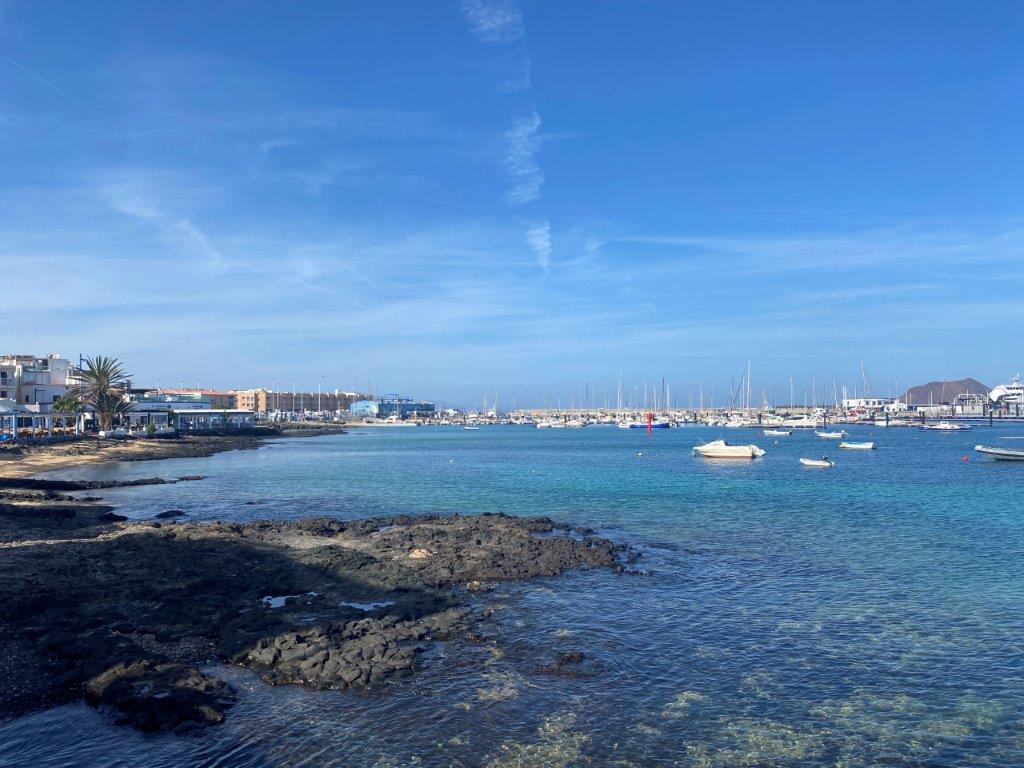
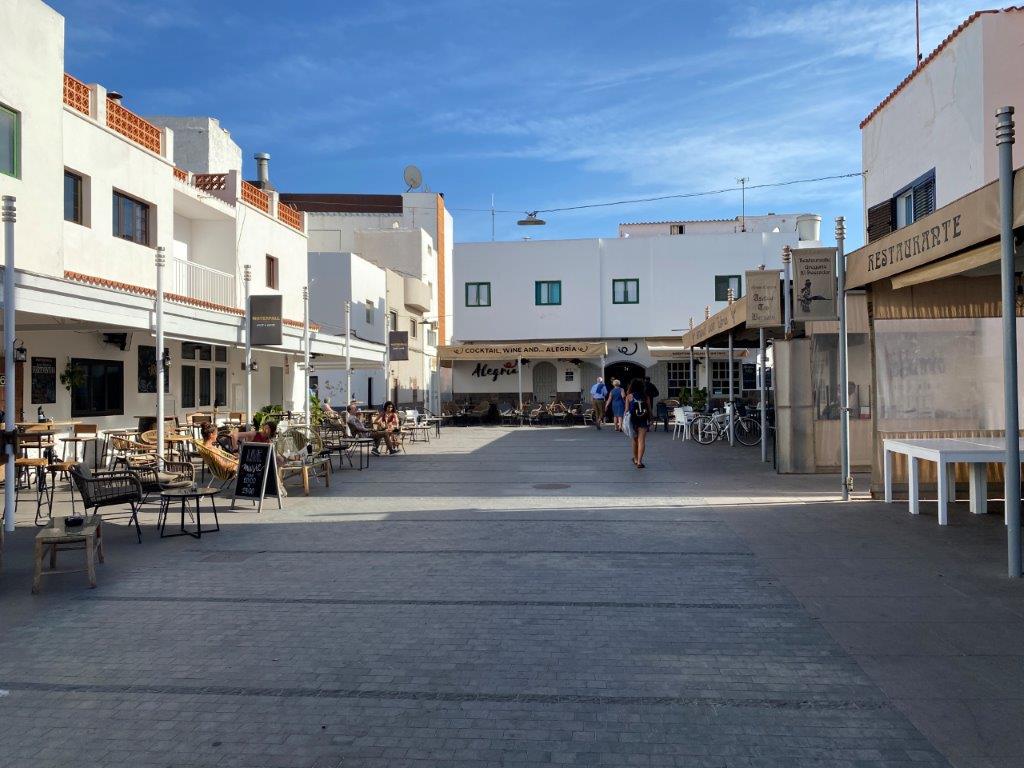
For most of its history, Corralejo was a small and humble fishing village. Its sheltered harbor provided a safe anchorage for the local fishing boats. The community was small and isolated, and life was centered around the sea. The historic part of the town, near the main harbor, still retains some of the charm of this earlier period, with its narrow streets and traditional fishermen’s houses. This maritime heritage is still a key part of the town’s character.
The Rise of Tourism
The major turning point in the history of Corralejo came in the second half of the 20th century with the arrival of tourism. The first hotel in the town was built in 1969. In the 1970s and 1980s, the town began to grow rapidly as a tourist destination. New hotels, apartment complexes, and restaurants were built to accommodate the growing number of visitors, who were drawn by the year-round sunny climate and the magnificent beaches. This tourism boom completely transformed the town’s economy and its urban landscape.
A Modern Resort Town
In the modern era, Corralejo has solidified its reputation as the premier tourist resort on the island of Fuerteventura. The town has continued to expand, and it now offers a wide range of accommodation and entertainment options for visitors. A key development was the establishment of the Corralejo Natural Park in 1982. This protected the magnificent sand dunes from further development and ensured the preservation of this unique natural landscape. Today, the town successfully balances its role as a bustling resort with the need to protect the natural beauty that is its greatest asset.
Sights in Corralejo
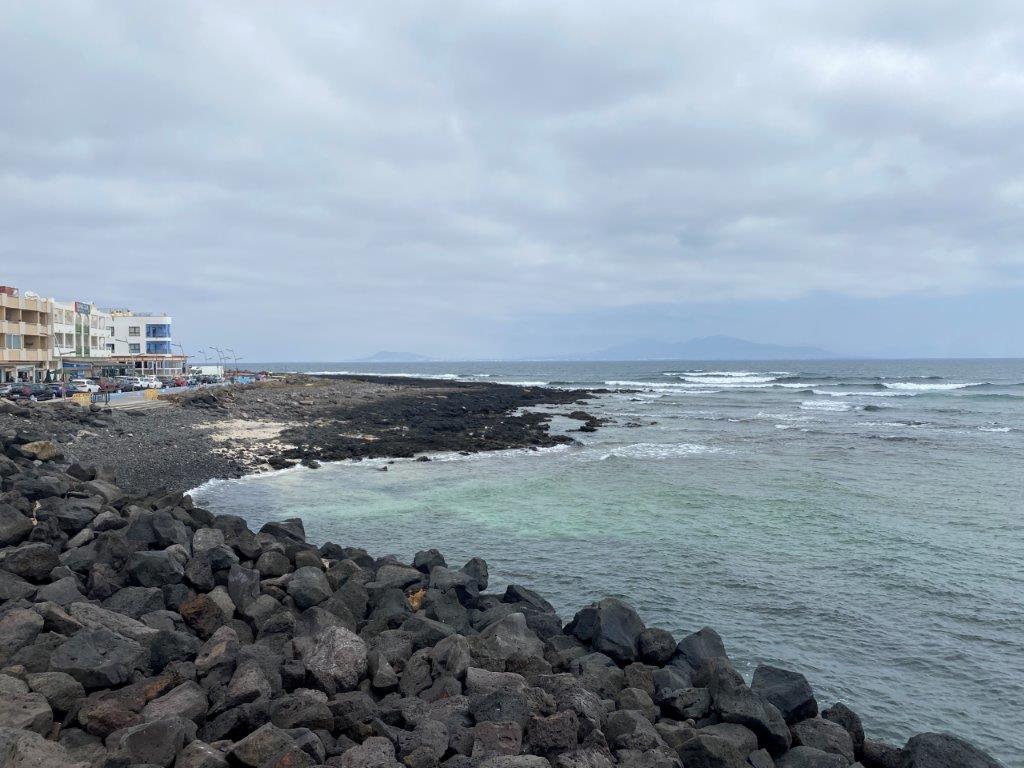
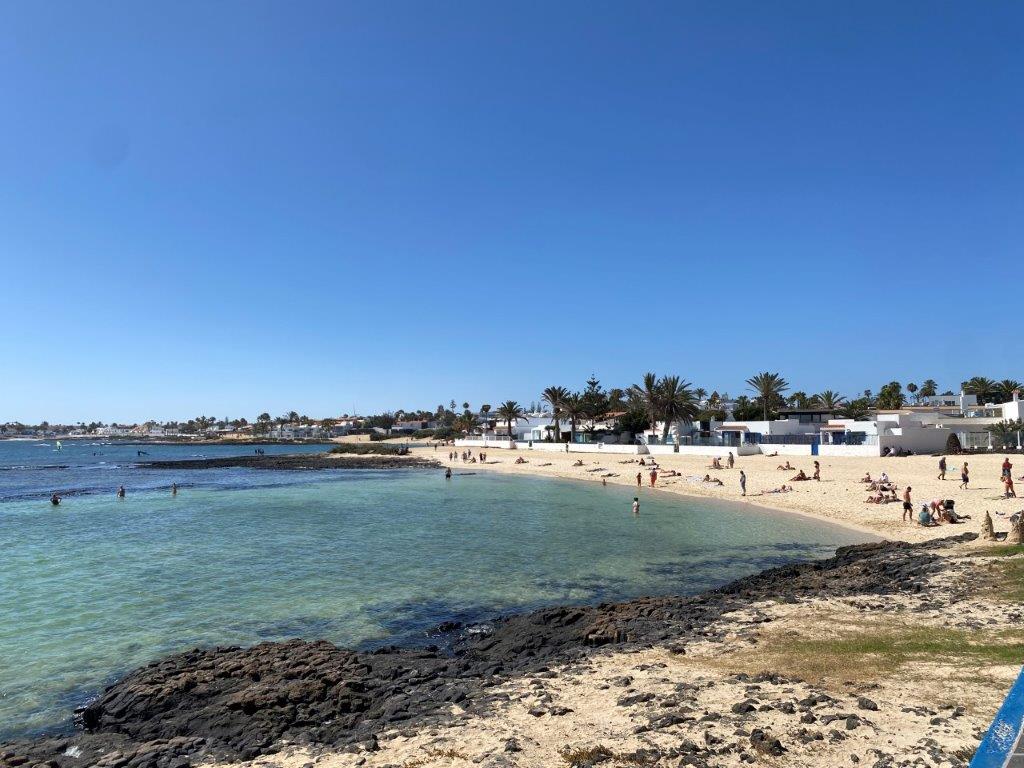
The sights in Corralejo are centered around its magnificent natural surroundings and its lively resort atmosphere. The main attraction is the spectacular Corralejo Natural Park, with its vast expanse of sand dunes that resemble a mini-sahara. The nearby uninhabited island of Isla de Lobos is another major highlight, offering a pristine natural environment for exploration. The town itself has a charming Old Town and harbor, as well as a series of beautiful urban beaches. For those seeking more modern entertainment, the Acua Water Park is a popular destination.
Corralejo Natural Park (The Dunes)
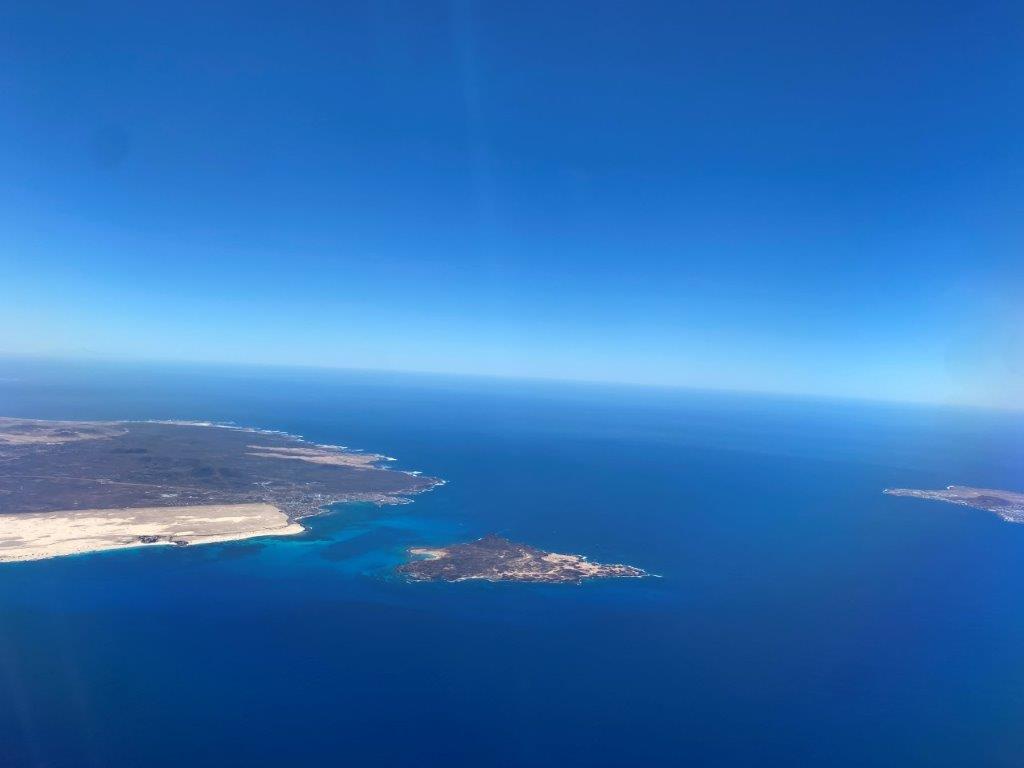
The Parque Natural de Corralejo is the most famous and spectacular sight in the area. The park protects a vast area of coastal sand dunes, which are located just south of the town. The dunes are a stunning and unique landscape, and they create the impression of a small desert right next to the sea. The park also includes a long stretch of beautiful, white sandy beaches. A drive or a walk through the dunes is a must for any visitor to Fuerteventura.
Isla de Lobos
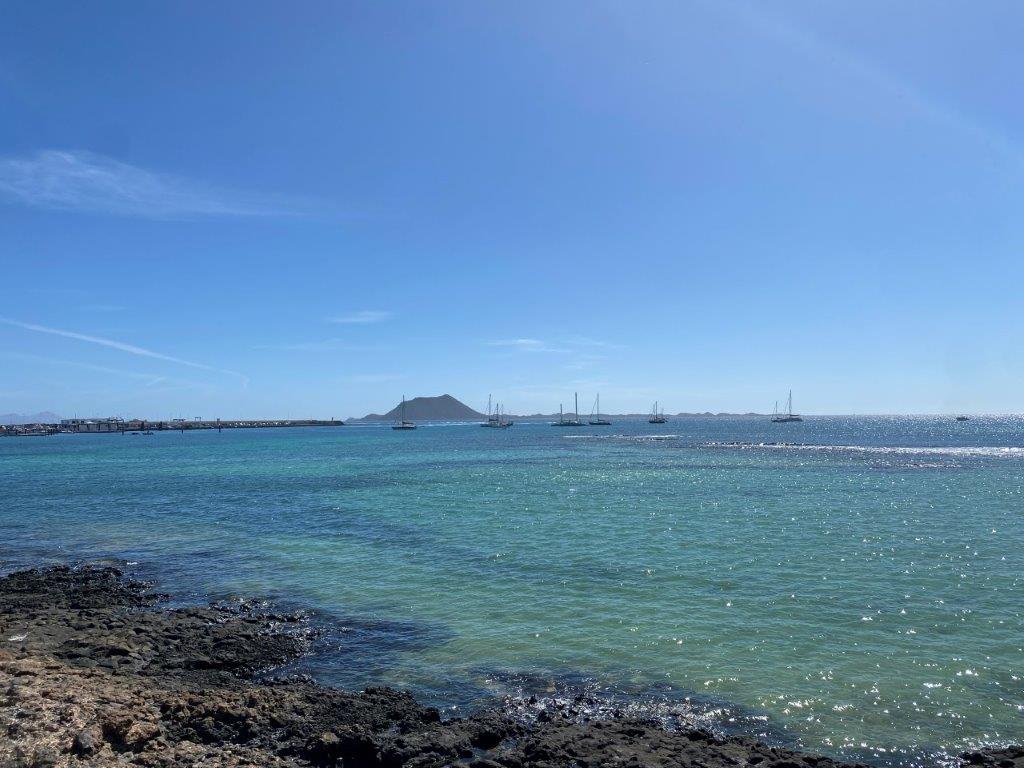
The small, uninhabited island of Isla de Lobos is located just two kilometers off the coast of Corralejo. The island is a protected nature reserve, and it is a paradise for hikers and nature lovers. A regular ferry service runs from the harbor in Corralejo to the island. The island has a network of walking trails, a small visitor center, and a beautiful, secluded beach called Playa de la Concha. A day trip to Isla de Lobos is a fantastic way to experience the pristine natural beauty of the Canary Islands.
The Old Town and Harbor
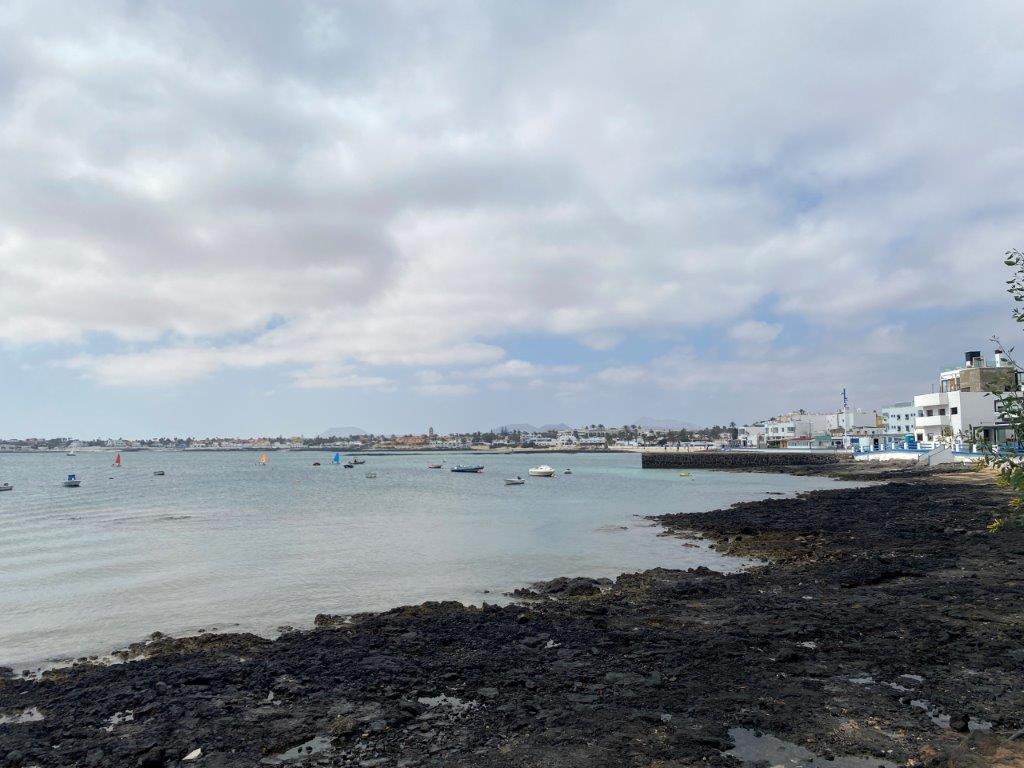
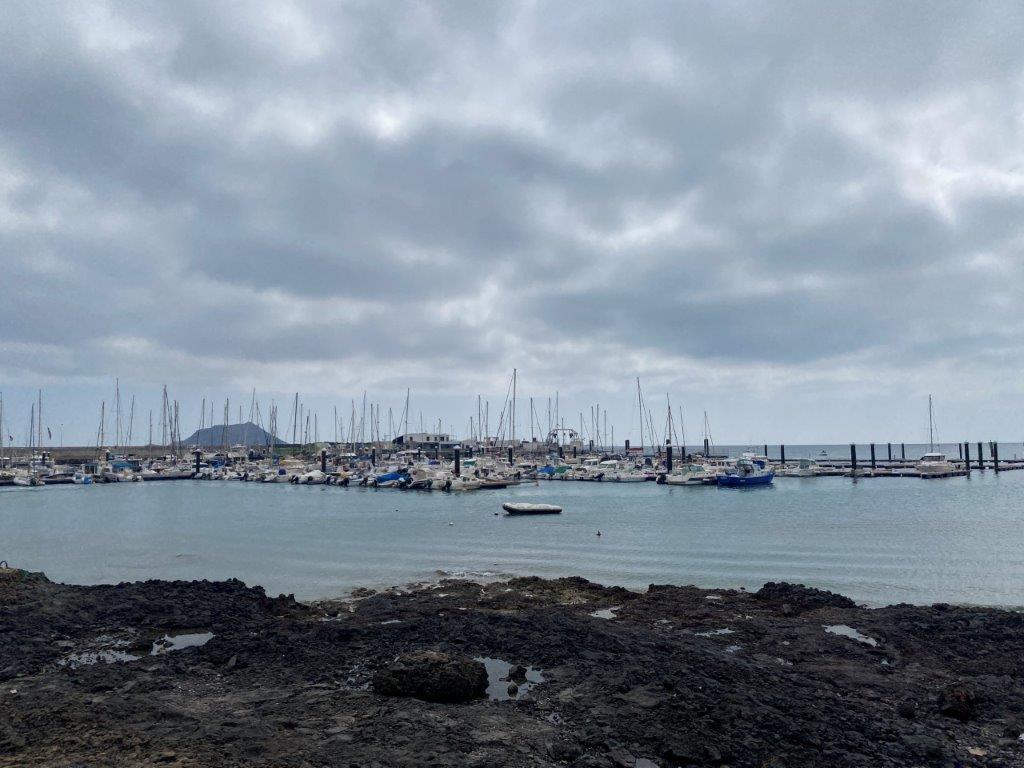
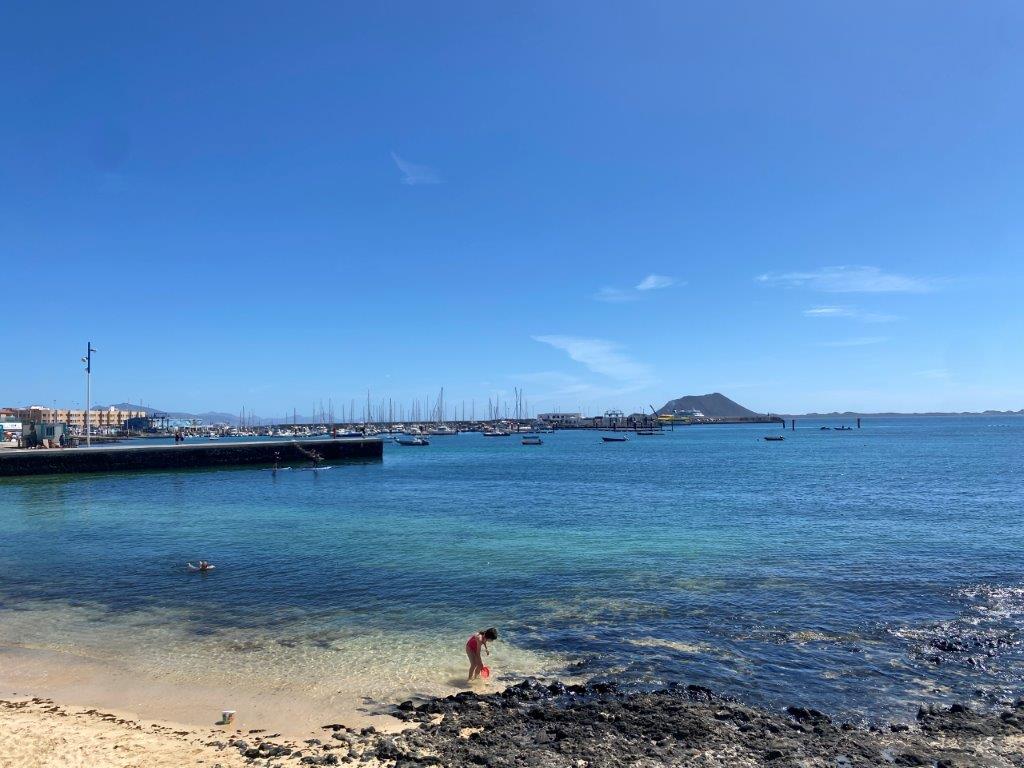
The historic part of Corralejo, located around the main harbor, is the most charming part of the town. This area has retained some of the character of the old fishing village. The harbor is still a working port, with colorful fishing boats bringing in their daily catch. The waterfront is lined with excellent seafood restaurants where you can enjoy fresh fish with a beautiful view of the sea. A walk through the narrow streets of the old town is a pleasant and atmospheric experience.
Acua Water Park
The Acua Water Park is the only water park on the island of Fuerteventura, and it is located in the town of Corralejo. The park is a major attraction for families, especially during the hot summer months. It features a wide variety of pools and water slides, from gentle ones for young children to more thrilling ones for older kids and adults. The park also has a wave pool, a lazy river, and a dedicated children’s area. It provides a full day of energetic and fun entertainment.
Traveling with Kids
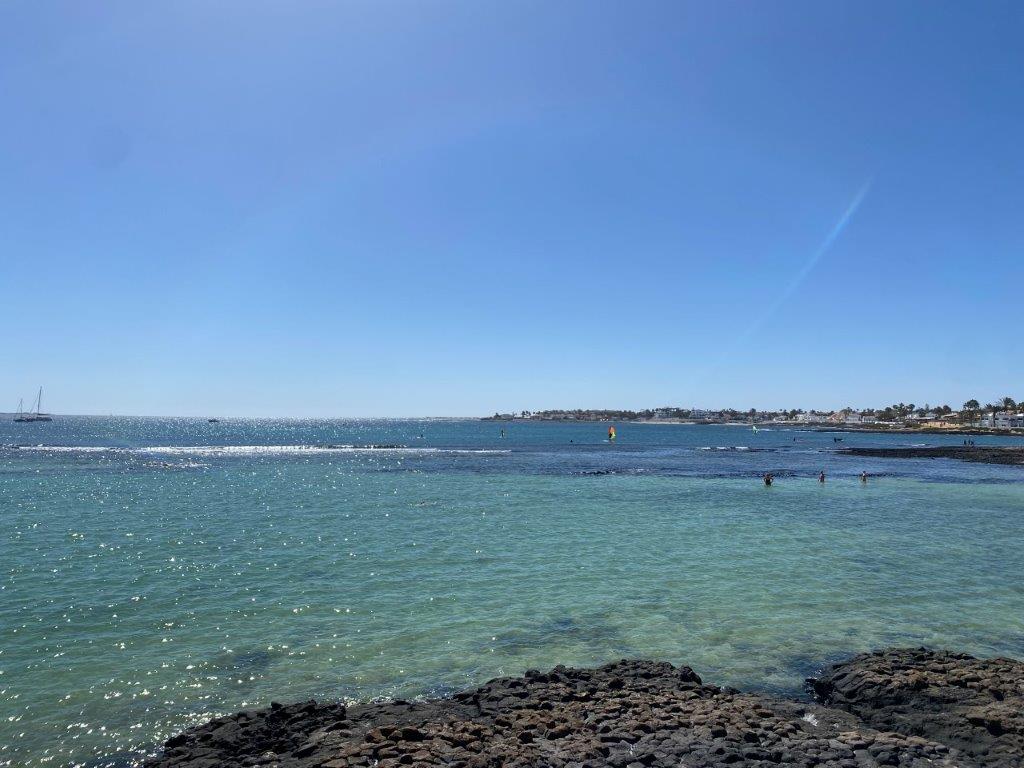
Corralejo is a fantastic destination for a family holiday. The town is very well-equipped for family tourism and offers a wide range of activities and amenities for children of all ages. The town’s main beaches are very child-friendly, with calm, shallow water and soft sand. The Acua Water Park is a guaranteed highlight for a full day of family fun. The boat trip to the nearby Isla de Lobos is also a great adventure for children.
The town has a relaxed and safe, family-friendly atmosphere. There are numerous restaurants that are welcoming to families and offer children’s menus. The main pedestrian street is a safe place for a family walk in the evenings. This combination of beautiful beaches, dedicated family attractions, and a welcoming atmosphere makes Corralejo one of the top family destinations on the Canary Islands.
Getting Around in Corralejo
Navigating the town of Corralejo is best done on foot or by bicycle. The main town center, the old town, and the main beaches are all located within a compact and easily walkable area. For travel to the magnificent sand dunes of the Corralejo Natural Park and to other towns on the island, the local bus system provides a convenient and affordable option. Taxis are also widely available.
Exploring by Foot
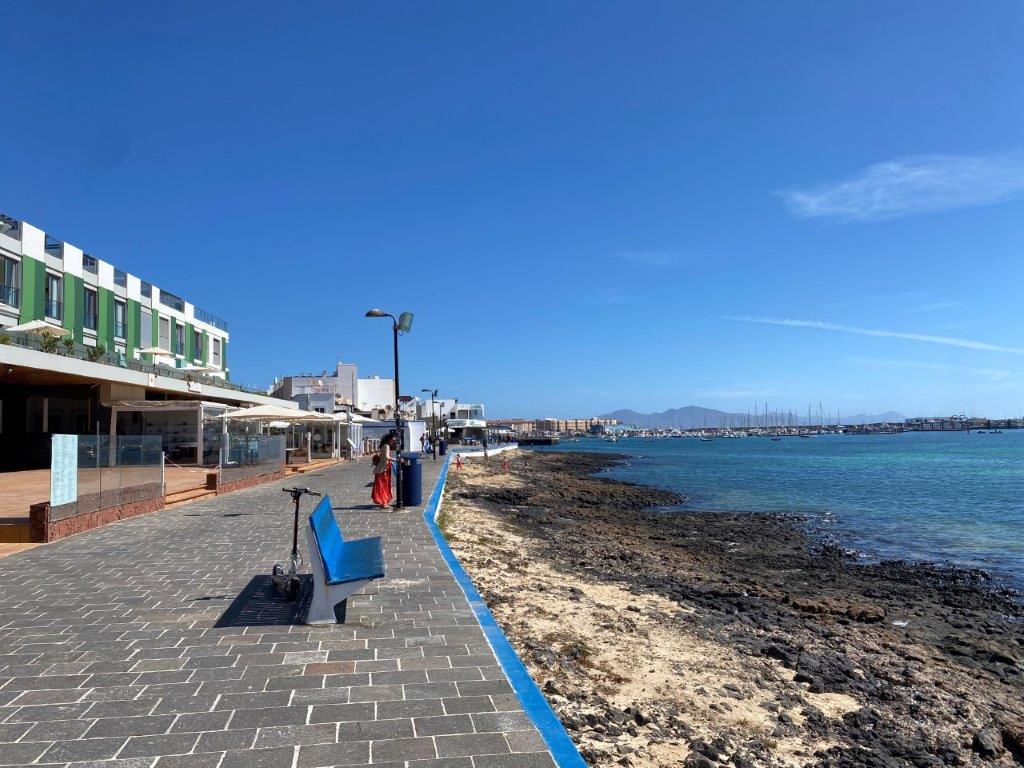
The central part of Corralejo is very pedestrian-friendly. A long and pleasant walk can be taken along the main waterfront promenade, which connects the main town beaches with the old town and the harbor. The main commercial street, Avenida Nuestra Señora del Carmen, is also a bustling area for a stroll. Walking is the best way to soak in the lively resort atmosphere of the town.
Using Local Buses
The public bus system on Fuerteventura is operated by the company Tiadhe. The main bus station in Corralejo is located in the center of the town. There are frequent and reliable bus services that connect Corralejo with the capital city, Puerto del Rosario, the airport, and all the other major towns and resorts on the island. The local buses are a very convenient and affordable way to get around the island without a car.
How to Get to Corralejo?
Corralejo is located on the northern tip of the island of Fuerteventura in the Canary Islands, and it is a very accessible destination. The main gateway for international visitors is Fuerteventura Airport (FUE), and from there, several transport options are available. The town is also a major ferry port, so it has direct connections with the neighboring island of Lanzarote. Whether you choose to travel by public bus, a pre-booked shuttle, a taxi, or a rental car, reaching the resort is straightforward. The journey from the airport is a scenic one, for it takes you past the island’s unique volcanic and desert landscapes.
Arriving by Air
The main airport on the island is Fuerteventura Airport (FUE), and it is also known as El Matorral Airport. The airport is located near the capital city, Puerto del Rosario, and it is served by numerous airlines with direct flights from many cities all over Europe. From the airport, the drive to Corralejo takes approximately 40 minutes. The airport has a single, modern terminal building, and it is the main entry point for the vast majority of tourists visiting the island. Car rental agencies, taxi ranks, and bus stops are all located directly outside the arrivals hall.
Arriving by Ferry
Corralejo is a major ferry port, and this makes it a key hub for inter-island travel. There are very frequent and fast ferry services that connect the port of Corralejo with the port of Playa Blanca on the neighboring island of Lanzarote. The journey is short and scenic, and it takes only about 25-35 minutes. Several different companies operate on this popular route, including Fred. Olsen Express and Naviera Armas, and they offer services for both foot passengers and vehicles. There are also less frequent ferry services from the main port of Puerto del Rosario to the mainland of Spain and to other Canary Islands.
Connecting by Public Bus
The public bus system on Fuerteventura is operated by the company Tiadhe, and it is an affordable way to reach Corralejo. There is no direct public bus service from the airport to the town, so a transfer is required at the main bus station in the capital, Puerto del Rosario. You would first take the Route 3 bus from the airport to the capital. From there, you can connect to the Route 6 bus service, which runs frequently to Corralejo. The total journey by public bus takes over an hour, but it is the most economical option.
Driving or Taking a Taxi
For the most convenience and speed, driving is an excellent option. Car rental is very popular and relatively cheap on Fuerteventura, and numerous rental agencies are located at the airport. Driving from the airport to Corralejo is very straightforward, for you follow the main FV-1 road north. Taxis are also readily available at the airport, and the journey to Corralejo is fast, taking about 35-40 minutes, although it is the most expensive option. Another popular choice is to pre-book a private or shared airport shuttle service, and this provides a direct, door-to-door transfer at a fixed price.
Driving Distances
The driving distance from 20 regional places, according to Google Maps:
- Lajares, Fuerteventura – 10 kilometers (0 h 15 min)
- Villaverde, Fuerteventura – 12 kilometers (0 h 15 min)
- La Oliva, Fuerteventura – 16 kilometers (0 h 20 min)
- El Cotillo, Fuerteventura – 20 kilometers (0 h 25 min)
- Tindaya, Fuerteventura – 25 kilometers (0 h 30 min)
- Puerto del Rosario, Fuerteventura – 32 kilometers (0 h 30 min)
- Tefía, Fuerteventura – 35 kilometers (0 h 35 min)
- Fuerteventura Airport (FUE) – 38 kilometers (0 h 40 min)
- Caleta de Fuste, Fuerteventura – 45 kilometers (0 h 45 min)
- Betancuria, Fuerteventura – 48 kilometers (0 h 50 min)
- Antigua, Fuerteventura – 50 kilometers (0 h 50 min)
- Pozo Negro, Fuerteventura – 60 kilometers (1 h 00 min)
- Ajuy, Fuerteventura – 60 kilometers (1 h 00 min)
- Pájara, Fuerteventura – 65 kilometers (1 h 05 min)
- Las Playitas, Fuerteventura – 70 kilometers (1 h 05 min)
- Gran Tarajal, Fuerteventura – 75 kilometers (1 h 10 min)
- La Pared, Fuerteventura – 85 kilometers (1 h 15 min)
- Costa Calma, Fuerteventura – 95 kilometers (1 h 20 min)
- Morro Jable, Fuerteventura – 115 kilometers (1 h 40 min)
- Cofete, Fuerteventura – 135 kilometers (2 h 30 min)
Looking to Explore more of Spain and Europe?


