
Exploring Senegal
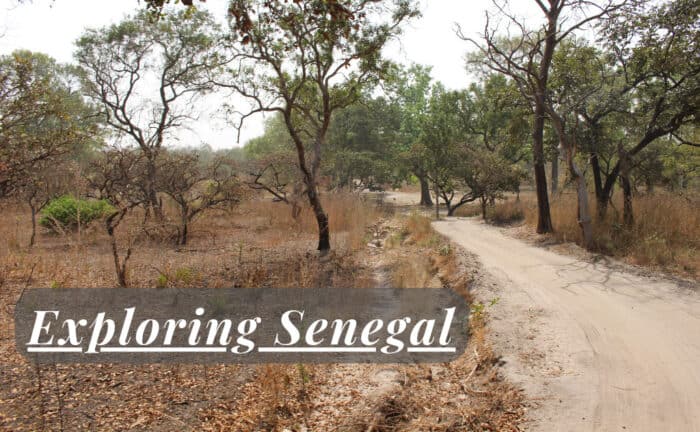
Exploring Senegal
Senegal, officially the Republic of Senegal, is a country located in West Africa. It is situated on the Atlantic coast and shares borders with Mauritania to the north, Mali to the east, and Guinea and Guinea-Bissau to the south. The country also completely surrounds The Gambia, a narrow nation that follows the course of the Gambia River. The capital and largest city of Senegal is Dakar. With a population of approximately 18 million people, the country is known for its rich history, its diverse cultures, and its vibrant music and arts scene.
The nation’s identity is shaped by its history as a major center for several West African empires and later as the hub of French colonial West Africa. The island of Gorée, just off the coast of Dakar, was a major center of the Atlantic slave trade, and it is now a UNESCO World Heritage Site. The country is also famous for the iconic Senegalese Tirailleurs, the colonial infantry soldiers who fought for France in the world wars. Today, Senegal is known for its stable democracy and its significant cultural influence in the region, making it a key destination in West Africa. 🇸🇳
Population of Senegal
The population of Senegal is approximately 18 million people. The country is ethnically diverse, and it is home to several different ethnic groups. The largest of these is the Wolof, who make up about 37% of the population. Other major ethnic groups include the Fula (or Fulani), who constitute over 32% of the population, and the Serer, who make up about 11%. Other groups include the Jola, the Mandinka, and a small European and Lebanese community. The official language is French, but Wolof is the most widely spoken language.
The dominant religion in the country is Islam. Approximately 97% of the population is Muslim. The vast majority of Muslims in Senegal adhere to the Sufi traditions, with several large Sufi brotherhoods, such as the Tijaniyyah and the Mouride, playing a significant role in the country’s social and cultural life. There is also a small Christian minority, primarily Roman Catholic, which makes up about 2% of the population. A small number of people also adhere to traditional indigenous religions.
Location of Senegal
Senegal is situated in West Africa. It occupies a strategic position on the westernmost point of the African continent. The country is bounded on the west by a long coastline on the North Atlantic Ocean. To the north, the Senegal River forms the border with Mauritania. To the east, Senegal shares a long border with Mali. The southern border is shared with the countries of Guinea and Guinea-Bissau.
A unique geographical feature of the country is that it almost entirely surrounds The Gambia. The Gambia is a narrow country that penetrates more than 300 kilometers into Senegal, following the course of the Gambia River. This creates a unique geopolitical situation. The capital city of Dakar is located on the Cap-Vert peninsula, which is the westernmost point of mainland Africa. This location has historically made it a major hub for transatlantic and European trade and travel.
Geography of Senegal
The geography of Senegal is primarily characterized by the rolling sandy plains of the western Sahel. The landscape is generally low-lying, with elevations rising gradually from the coast towards the interior. The southeastern part of the country, near the border with Guinea, is more hilly and is the location of the foothills of the Fouta Djallon massif. This is where the country’s highest point is located, an unnamed feature near Népin Diakha that is 648 meters high.
The country is drained by several major rivers. The Senegal River forms the northern border. The Gambia River and the Casamance River flow through the southern part of the country, in the region of Casamance. A key feature of the central coast is the Sine-Saloum Delta, a vast area of mangrove forests and saltwater channels that is a UNESCO World Heritage Site. The climate of Senegal is tropical, with a well-defined dry season from December to April and a rainy season from May to November.
A Short History of Senegal
The history of Senegal is long and rich, and the region has been home to a succession of powerful West African empires. The area was a part of the Ghana Empire, the Mali Empire, and later the Jolof Empire, which was a major power in the region from the 14th to the 16th century. The arrival of European traders in the 15th century marked a new era, and the coast became a major center for the Atlantic slave trade. France gradually established control over the area, and Senegal became the center of French West Africa. The country gained its independence in the 20th century and has since been one of the most stable democracies on the African continent.
The Great Empires and the Slave Trade
In the medieval period, the territory of modern Senegal was a part of several great West African empires. The Ghana Empire and the Mali Empire both held influence over the region. The Jolof (Wolof) Empire was founded in the 14th century, and it united the different Wolof states of the area. It became the dominant power in the region for several centuries. The arrival of Portuguese traders in the 15th century marked the beginning of European contact. The coast of Senegal, particularly the island of Gorée, became a major center for the transatlantic slave trade, a dark period that lasted for several centuries.
French Colonial Rule
From the 17th century onwards, France began to establish trading posts on the coast of Senegal. The town of Saint-Louis became the first permanent French settlement. Over the next two centuries, France gradually expanded its control from the coast into the interior of the country. In the late 19th century, Senegal became a full French colony. The city of Dakar was founded and became the capital of the vast federation of French West Africa. During the colonial period, Senegalese soldiers, known as the Senegalese Tirailleurs, were recruited to fight for France in both world wars.
Independence and the Modern Era
Senegal gained its independence from France on April 4, 1960. The country’s first president was the poet and statesman Léopold Sédar Senghor. He was a major intellectual figure and a proponent of the concept of Négritude. Unlike many of its neighbors, Senegal has maintained a stable democratic system since its independence, and it has never had a military coup. The country has been a major contributor to regional diplomacy and peacekeeping efforts. In the modern era, Senegal continues to be a major cultural and political hub in West Africa.
Entry Points to Senegal
Senegal is one of the most accessible countries in West Africa, and it has several well-established entry points by air, land, and sea. The country’s main international airport, located near the capital Dakar, is a major hub for the region and is served by numerous international airlines. For those traveling overland, there are several border crossings with its neighboring countries. The port of Dakar is also a major hub for cargo and serves some passenger cruise ships, while a ferry service connects the capital to the southern Casamance region.
Gateways to the Sky
Air travel is the most common and convenient way for international visitors to arrive in Senegal. The country’s international airports serve as the primary gateways for the vast majority of tourists and business travelers visiting the nation. These airports connect Senegal with destinations across Africa, Europe, and the Americas. The main airport is a modern and efficient facility.
Blaise Diagne International Airport (DSS)
The main international airport is Blaise Diagne International Airport (DSS). The airport is located about 43 kilometers east of the capital city, Dakar. It was opened in 2017 to replace the older Léopold Sédar Senghor International Airport. It is a major hub for West Africa and is served by many international airlines with direct flights to destinations in Europe, North America, the Middle East, and other parts of Africa. The airport is connected to Dakar by a motorway and a new regional train line.
Cap Skirring Airport (CSK)
The Cap Skirring Airport (CSK) is a smaller international airport, and it is located in the popular coastal resort of Cap Skirring in the southern Casamance region. This airport primarily handles seasonal and charter flights from destinations in Europe, especially France. It is a key entry point for tourists visiting the beautiful beaches of the Casamance coast. Its location allows visitors to bypass the need to travel through the capital.
Ziguinchor Airport (ZIG)
Ziguinchor Airport (ZIG) is another important airport in the southern Casamance region. It is located in the regional capital city of Ziguinchor. The airport primarily serves domestic flights, providing a vital link between the southern part of the country and the capital, Dakar. It also handles some regional international flights. The airport is a key piece of infrastructure for both residents and visitors to the Casamance region.
Atlantic Voyages
Senegal’s long coastline on the Atlantic Ocean has made it a historic center for maritime trade. The Port of Dakar is one of the largest and busiest deep-water seaports on the entire West African coast. This port is vital for the Senegalese economy and for regional trade. It also offers some passenger services.
Port of Dakar
The Port of Dakar is the main seaport in Senegal. It is primarily a major hub for cargo and container shipping. However, the port also has a passenger terminal that serves as a popular port of call for international cruise ships that are on a West African or transatlantic itinerary. There are also some limited passenger ferry services that connect Dakar with the southern region of Casamance, providing an alternative to overland travel. The journey to Ziguinchor by ferry is a popular and scenic overnight trip.
Overland Routes
Senegal’s land borders with its five neighbors are open to international travelers, although the ease of crossing can vary. These crossings are key corridors for regional trade and for those who are on a larger West African overland adventure. The road network connects Senegal with the wider region. It is important to check the current status of any border crossing before traveling.
Rosso Border Crossing (Mauritania)
The border with Mauritania has a major crossing at Rosso. This crossing involves taking a vehicle and passenger ferry across the Senegal River. It is a very busy and often chaotic border crossing, and it is the main land route for travelers moving between West Africa and North Africa. Proper documentation and patience are required for this crossing.
Kidira Border Crossing (Mali)
The border with Mali has a main crossing at Kidira. This is the primary land route for travelers and trade moving between the two countries. The famous Dakar-Bamako railway line also crosses the border at this point, although passenger services can be infrequent. This crossing is a vital link in the regional transport network, and the road is paved.
Karang Border Crossing (The Gambia – North)
Due to its unique geography, there are several border crossings with The Gambia. The main northern crossing is at Karang in Senegal and Amdallai in The Gambia. This is on the route to the Gambian capital of Banjul. This is a busy crossing and a key part of the Trans-Gambia Highway.
Seleti Border Crossing (The Gambia – South)
The main southern crossing, which connects the Casamance region of Senegal with The Gambia, is at Seleti. This crossing is crucial for travelers moving between the southern part of Senegal and the northern part of the country without having to make a long detour. The recent construction of the Senegambia Bridge over the Gambia River has made this entire route much faster and easier.
Mpak Border Crossing (Guinea-Bissau)
The main land border crossing between Senegal and Guinea-Bissau is at Mpak in Senegal, which is located near the city of Ziguinchor. This is the primary route for travelers moving between the Casamance region and Guinea-Bissau. The road is paved on the Senegalese side. The crossing is an important link for trade and travel between the two neighboring countries.
Join Us in Exploring Senegal

Exploring More of Africa?
Join us in exploring more of what Africa has to offer. It is not only Senegal that we have been exploring.