

Götlunda, Närke | Exploring Sweden
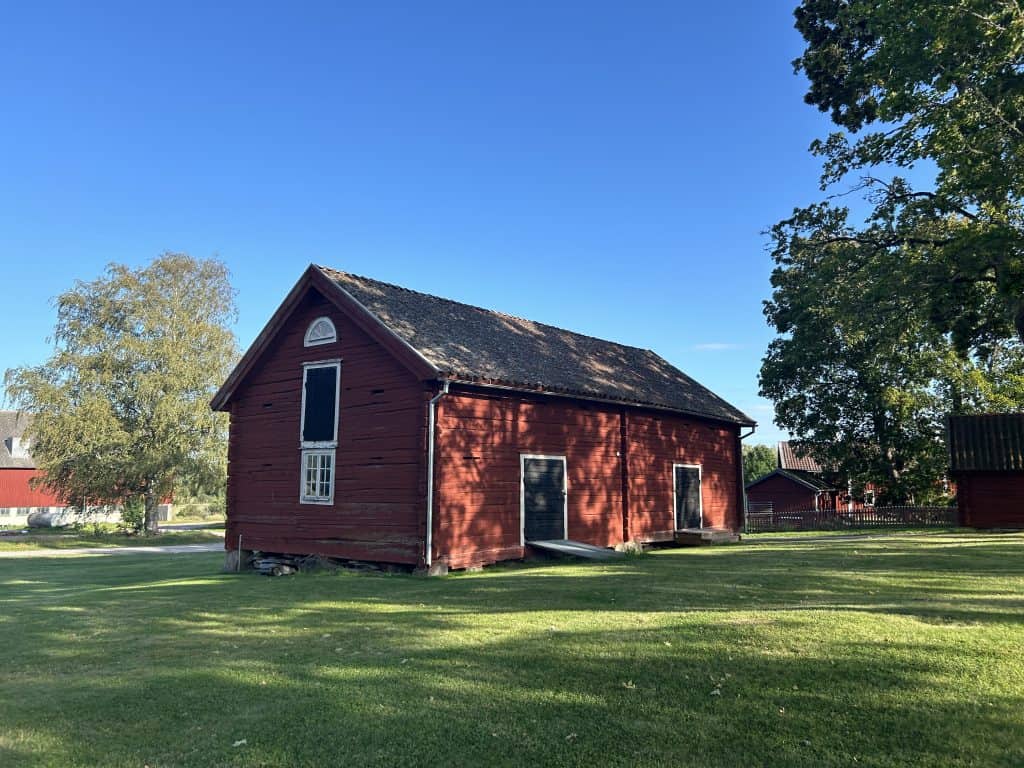
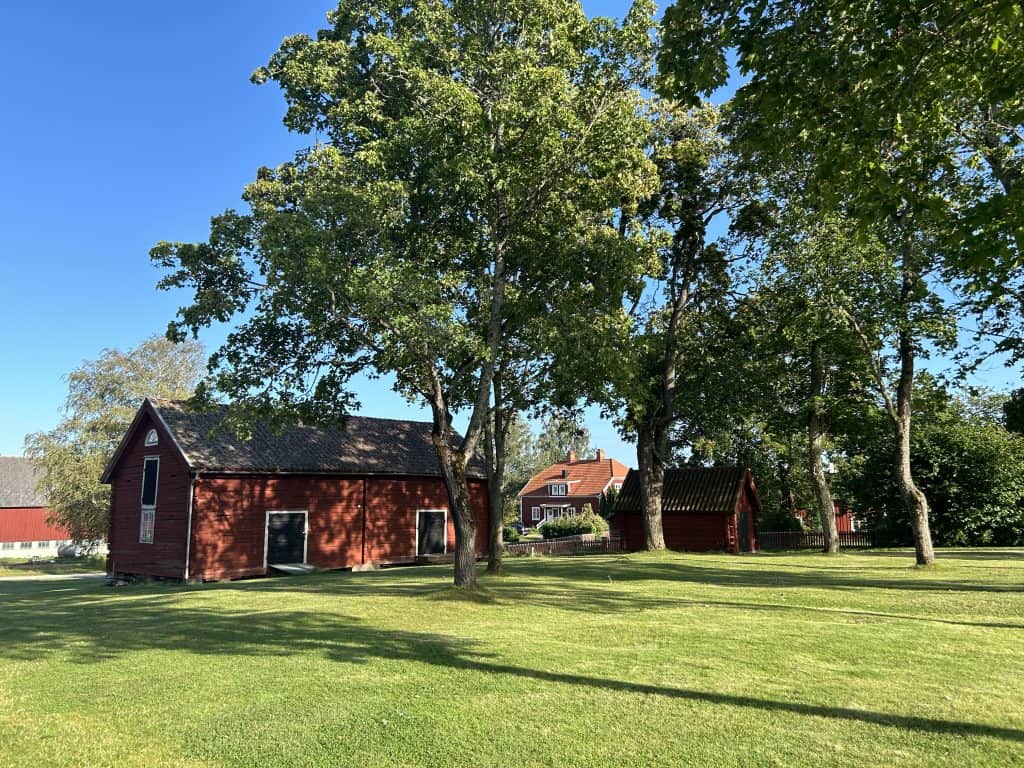
Götlunda is a locality in Arboga Municipality, located in Västmanland County, Sweden. While it is administratively part of Västmanland, the locality lies within the boundaries of the historical province of Närke. Götlunda is the former church village of Götlunda Parish. With a population of approximately 260 residents, it is a small rural community. The surrounding area consists primarily of farmland and forests. The locality is situated west of the larger town of Arboga.
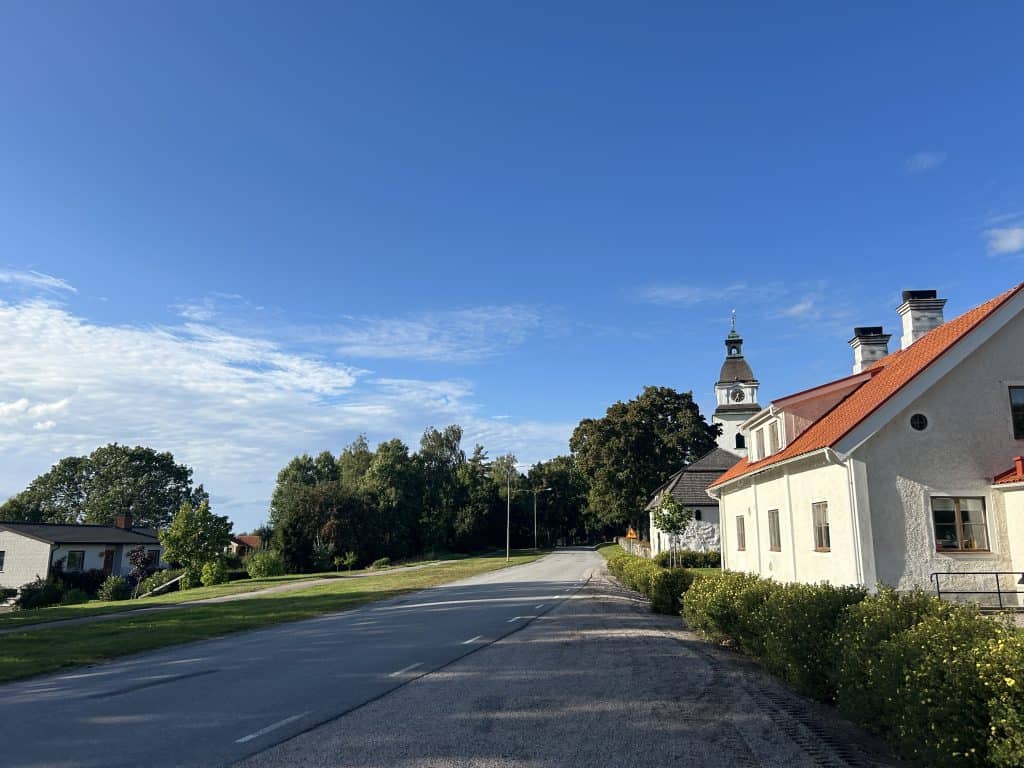
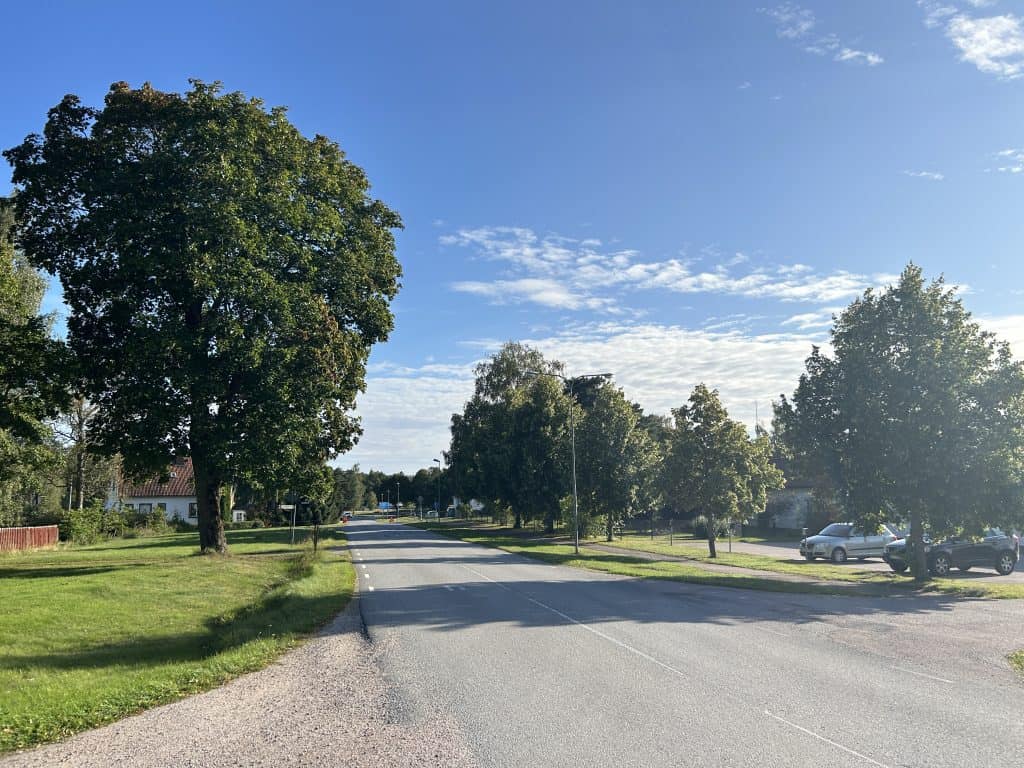
The character of Götlunda is that of a traditional Swedish church village (kyrkby). Its identity is centered around its 18th-century church, which remains the most prominent building. The rest of the locality is composed of single-family homes and a few local businesses. Its quiet, rural atmosphere stands in contrast to the nearby E20 motorway. The area provides a look into the historical structure of a Swedish parish, which has evolved over the centuries through various administrative reforms.
A Short History of Götlunda
The history of Götlunda is that of a medieval parish center that was later shaped by modern administrative changes. For centuries, its identity was tied to its church and its role within the local agricultural community. The development of the modern locality reflects the broader history of Swedish municipal and county reforms in the 19th and 20th centuries. This journey saw it move from being a parish center in Örebro County to a locality within Västmanland County.
The Medieval Parish
The history of settlement in the area is long, but Götlunda Parish was formally founded during the Middle Ages. A medieval church existed on the site of the current church from the 15th up until the 18th century. This original church served as the religious and social center for the surrounding agricultural community for hundreds of years. In 1741, a decision was made to build a new, larger church to serve the growing parish. The new church was subsequently completed in 1747.
Modern Administrative Changes
With the Swedish municipal reform of 1862, the responsibilities of the old parish were divided. The civil administration was handled by the newly formed Götlunda Rural Municipality, while religious matters were handled by the Götlunda Congregation. The rural municipality existed until 1952, when it was incorporated into the larger Glanshammar Rural Municipality. In a major administrative change in 1974, the area was transferred from Örebro County to Västmanland County and became part of Arboga Municipality. The former congregation is now part of the larger Arbogabygden Congregation since 2006.
Things to Do and See
The sights in and around the small locality of Götlunda are focused on its historic church and the cultural and natural heritage of the surrounding area. The main points of interest offer a look into the history of the parish, from the Viking Age to the present day.
Götlunda Church
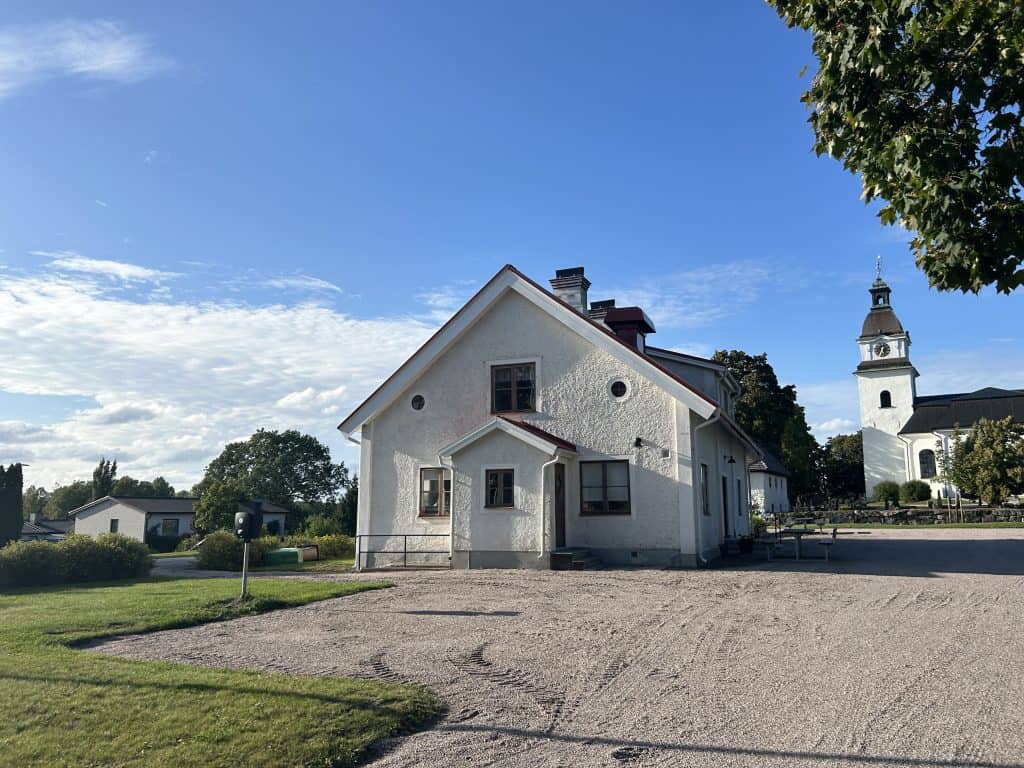
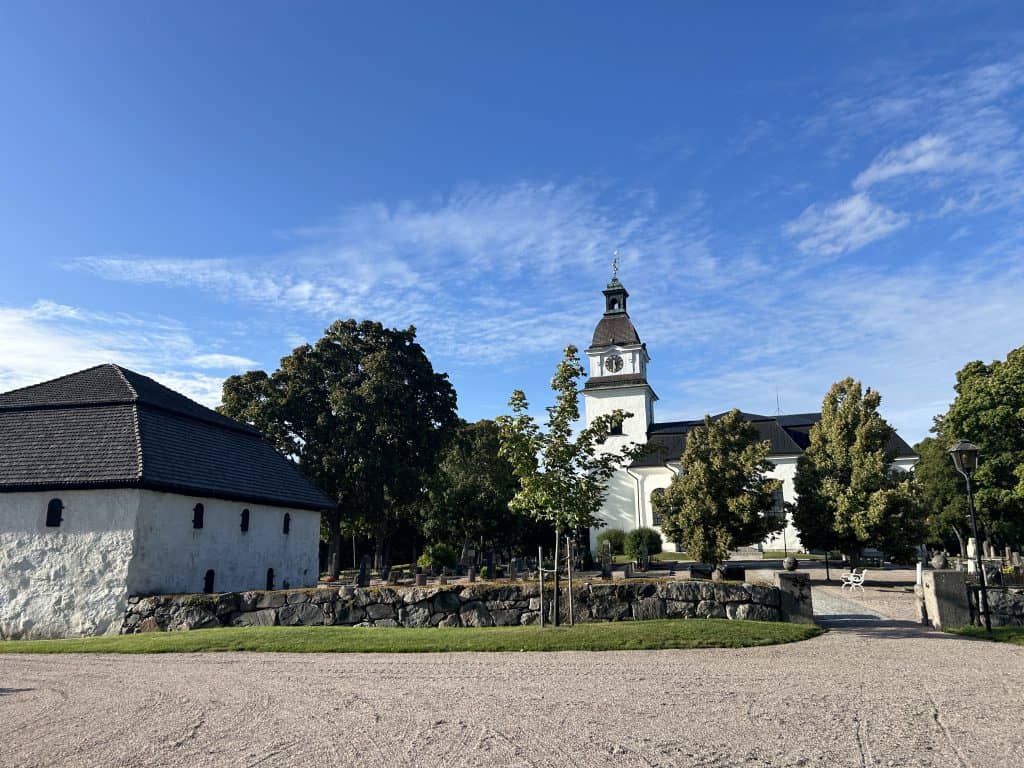
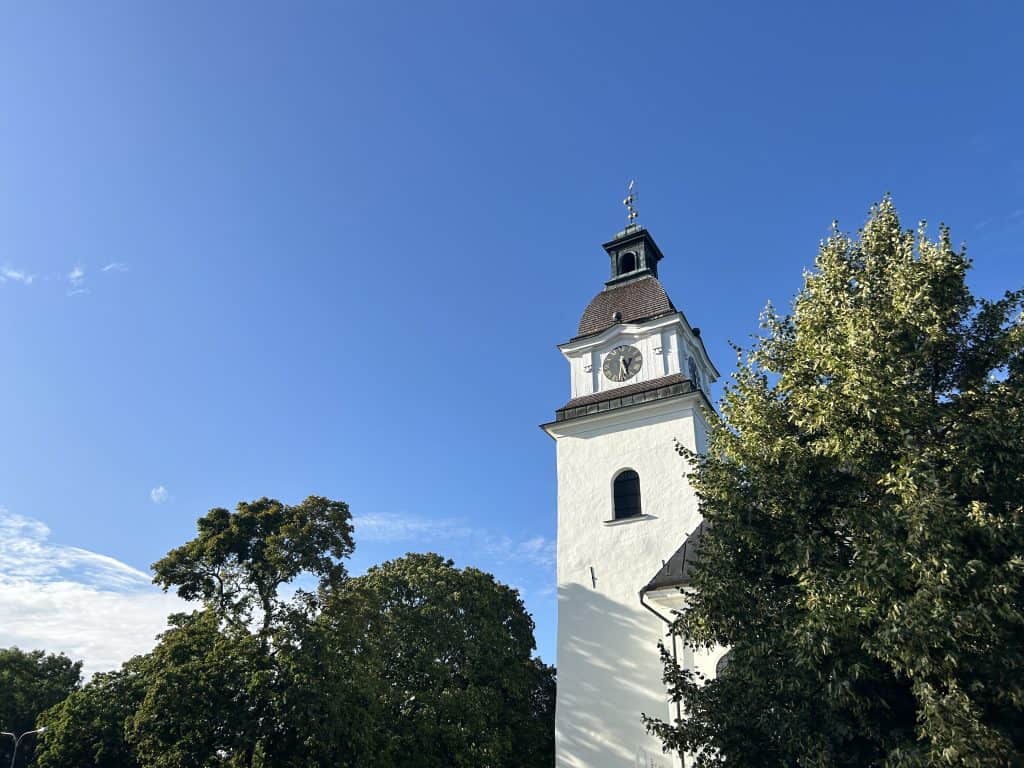
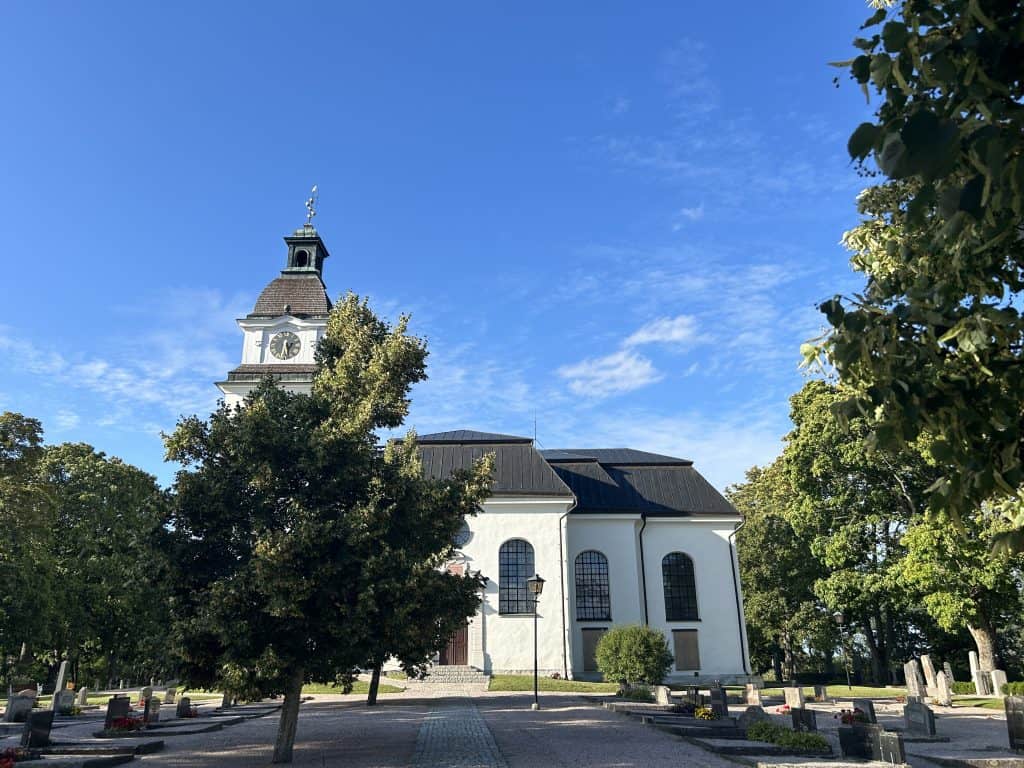
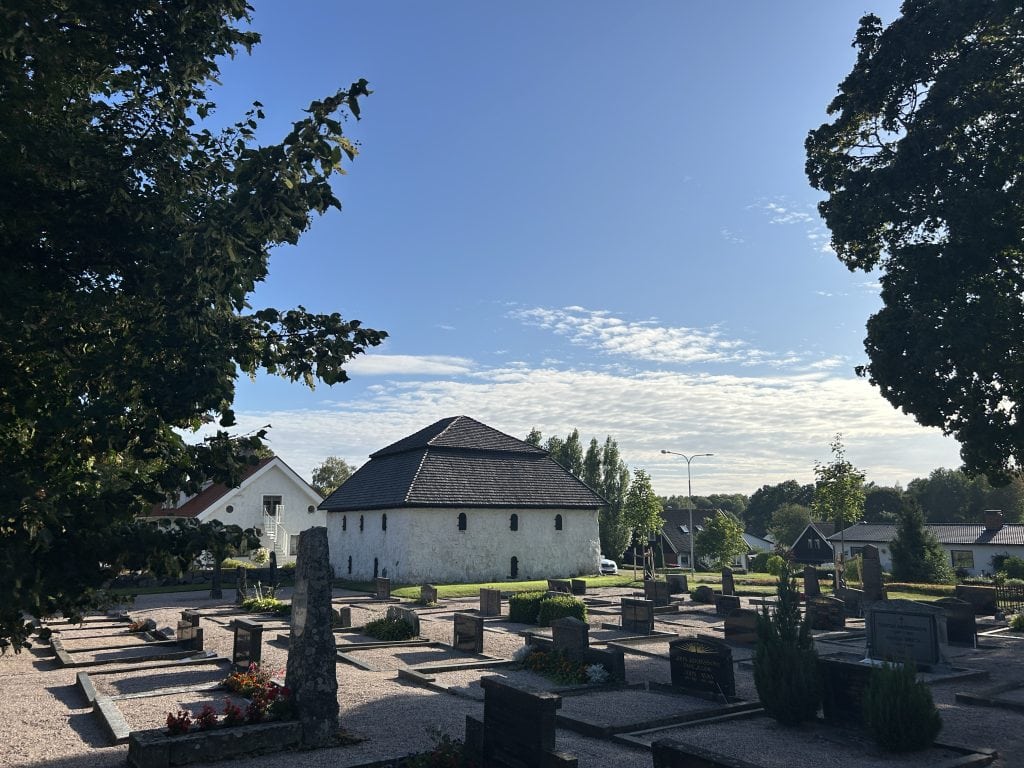
The Götlunda Church (Götlunda kyrka) is the most prominent landmark in the locality. The current church was completed in 1747 and replaced a former medieval church that stood on the same site. The church is built in a neoclassical style and features a white facade and a black roof. Its large clock tower is a key feature of the local landscape. The church is today a part of the Arbogabygden Congregation within the Evangelical Lutheran Church of Sweden.
The Rune Stone
Located at the Götlunda Church is a significant historical artifact, the Götlunda Rune Stone, which is designated as Sö 33 in the national registry. This Viking Age runestone dates back to the 11th century. It was discovered in the floor of the old medieval church when it was demolished in the 18th century. The stone features an inscription with runes carved within the body of a serpent. It stands as a direct link to the area’s pre-Christian, Viking Age past.
Götlunda Hembygdsgård
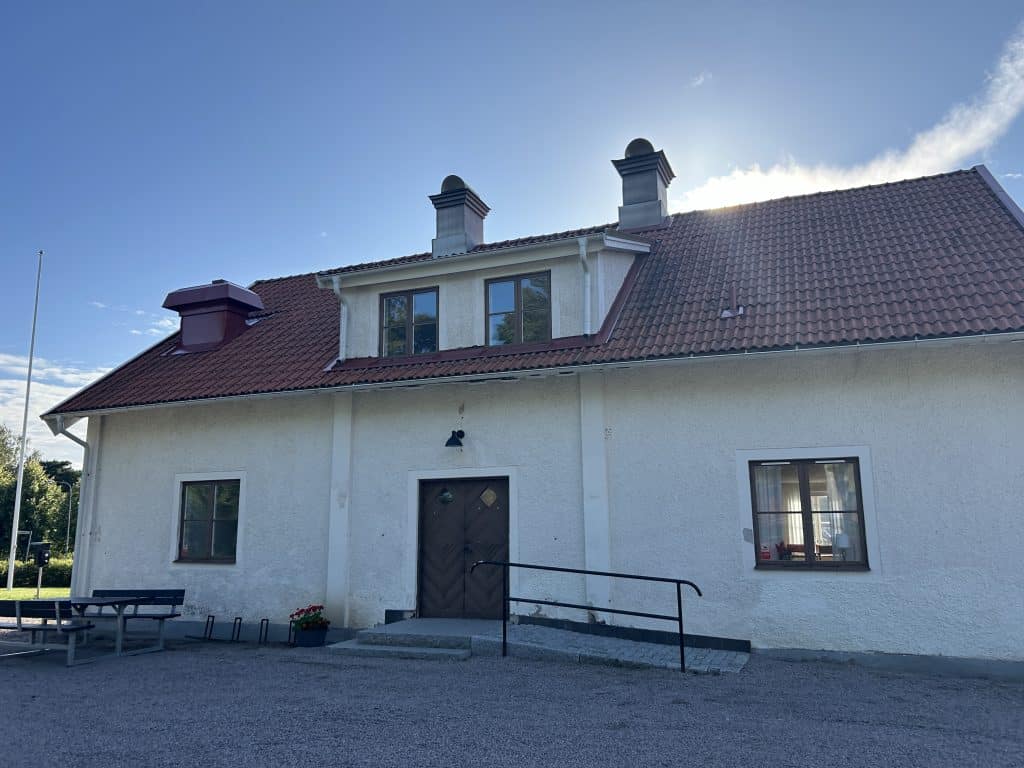
The Götlunda Hembygdsgård is the local heritage center. It is housed in a historic building that was formerly the parish’s main poorhouse. The center preserves and showcases the local history of the Götlunda parish. It contains collections of old tools, furniture, textiles, and photographs from the area. The heritage association that runs the center organizes events and activities that celebrate the local culture and history.
Lunger Nature Reserve
Located near Götlunda on the shore of Lake Hjälmaren is the Lunger Nature Reserve (Lungers hamn och naturreservat). The reserve includes a harbor area and a landscape of coastal meadows and oak forests. It is known for its rich birdlife and is a popular destination for birdwatching. The area also has walking trails and provides access to the shoreline of Lake Hjälmaren, which is Sweden’s fourth-largest lake.
Recreational Activities Nearby
The rural area surrounding Götlunda offers opportunities for outdoor recreation, particularly hiking and nature observation. The proximity to Lake Hjälmaren and the large forests of the region are key features.
Hiking
The area around Götlunda provides opportunities for hiking in the forests and fields of the Närke province. There are numerous local paths and small gravel roads suitable for walks. For more serious hikers, the long-distance Bergslagsleden hiking trail passes through the wider Arboga Municipality, to the north of Götlunda. This trail offers stages that run through the deep forests of the Bergslagen region.
Nature and Lake Hjälmaren
The large lake Hjälmaren, located just south of Götlunda, is a major feature of the regional landscape. The lake is a destination for birdwatching, with several nature reserves located along its shores. It is also used for recreational fishing. The surrounding agricultural landscape, with its open fields and traditional farms, also provides a scenic environment for drives and exploring the countryside.
How to Get to Götlunda
Reaching the locality of Götlunda requires travel to a rural part of central Sweden, located between the larger towns of Örebro and Arboga. A car is the most practical means of transport, as public transport links are limited.
The Open Road: Driving to Götlunda
Driving is the most straightforward way to reach Götlunda. The locality is situated just off the E20 motorway, which is the main highway connecting Stockholm and Gothenburg. From the E20, you would take an exit near Arboga and follow smaller local roads, such as Road U572, to reach the village. A car provides the necessary flexibility for exploring the surrounding rural area.
Arriving by Air: Nearby Airports
There is no airport in Götlunda. The two closest regional airports are Örebro Airport (ORB) to the west and Stockholm Västerås Airport (VST) to the east. Both are smaller airports that offer some domestic and international connections. For wider international access, Stockholm Arlanda Airport (ARN) is the main hub. From any of these airports, a rental car is the most practical option for completing the journey to Götlunda.
Connecting by Coach
There are no direct long-distance bus services to the small locality of Götlunda. Travel by coach would involve taking a service from a company like FlixBus to a larger nearby city, such as Örebro or Västerås. From these cities, travelers would need to transfer to a regional bus service or take a taxi to complete the journey.
On Track: A Journey by Rail and Bus
The closest major train station is located in the nearby town of Arboga. Arboga is a stop on Sweden’s main western railway line, and it is served by frequent trains from Stockholm, Gothenburg, and Örebro. From the Arboga train station, a connecting regional bus service, operated by Länstrafiken Örebro, runs to Götlunda. The bus journey is short, but services may be infrequent, so it is essential to check schedules in advance.
Driving Distances
The driving distance from 10 regional cities, according to Google Maps:
- Linköping, Sweden – 155 kilometers (2 h 10 min)
- Stockholm, Sweden – 164 kilometers (1 h 50 min)
- Gothenburg, Sweden – 312 kilometers (3 h 40 min)
- Oslo, Norway – 347 kilometers (4 h 20 min)
- Malmö, Sweden – 532 kilometers (5 h 50 min)
- Copenhagen, Denmark – 591 kilometers (6 h 30 min)
- Helsinki, Finland – 679 kilometers (14 h 40 min, includes ferry)
- Hamburg, Germany – 924 kilometers (10 h 50 min, includes ferry)
- Berlin, Germany – 1012 kilometers (12 h 30 min, includes ferry)
- Kiruna, Sweden – 1275 kilometers (14 h 40 min)
Explore More of Närke and Sweden


