Sedan, Champagne-Ardenne | Exploring France
Sedan is a historic town in the Ardennes department of northeastern France. It is part of the Grand Est region. The town sits within a bend of the Meuse River, a key geographical feature that has shaped its defensive history. With a population of approximately 16,000 residents, Sedan serves as a subprefecture and a local hub. The town is located about 10 kilometers south of the Belgian border, positioning it as a gateway to both the French Ardennes and neighboring Belgium.
The character of Sedan is defined by its immense fortress, which is one of the largest of its kind in Europe. The town’s identity is inextricably linked to its long military past. It was first the capital of a sovereign principality and later a key French border fortress. This history is visible in the town’s layout and its primary landmarks. Sedan is also situated within the Northern Vosges Regional Natural Park, offering access to the surrounding forested landscape.



A Short History of Sedan
The history of Sedan is a story of military power, strategic importance, and major European conflicts. For centuries, the town was the capital of the independent Principality of Sedan, a sovereign state that served as a refuge for Protestants. Its later incorporation into France saw it become a key border fortress. The town’s name is associated with two major battles that had significant consequences for the course of European history. This military legacy defines the town’s past.
Foundation of a Sovereign Principality
The history of Sedan began with the construction of its castle in 1424 by Evrard II de la Marck. The settlement grew around this fortress. For centuries, it was the capital of the Principality of Sedan, a sovereign state. The principality, which came under the control of the influential La Tour d’Auvergne family, became a refuge for Protestant dissenters during the 16th-century Wars of Religion. This made it a center for Protestant thought and education. Marshal Turenne, one of France’s most famous military commanders, was born in the castle in 1611. The principality was ultimately annexed by France in 1642.
The Battle of Sedan and Franco-Prussian War
Sedan became a crucial site in major European conflicts. It was the scene of a decisive French military defeat during the Franco-Prussian War in 1870. On September 1, 1870, the French army, led by Emperor Napoleon III, was encircled and defeated by Prussian forces. The emperor himself was captured here along with 100,000 soldiers. This event, known as the First Battle of Sedan, led to the collapse of the Second French Empire and paved the way for German unification.
World War II and the Maginot Line
In May 1940, during World War II, the area was the site of the Second Battle of Sedan. German forces, including Panzer divisions under Heinz Guderian, achieved a crucial breakthrough here. Their successful crossing of the Meuse River allowed them to bypass the main Maginot Line fortifications. This action was a key part of the Battle of France and contributed significantly to the rapid fall of France. The town was occupied by Germany for much of the war before being liberated in 1944.
Things to Do and See
Sedan’s sights are dominated by its large medieval fortress. The town’s points of interest reflect its long military history and its past as the capital of a principality. The historic center contains several notable buildings, while the surrounding area is part of a large natural park.
Château Fort de Sedan
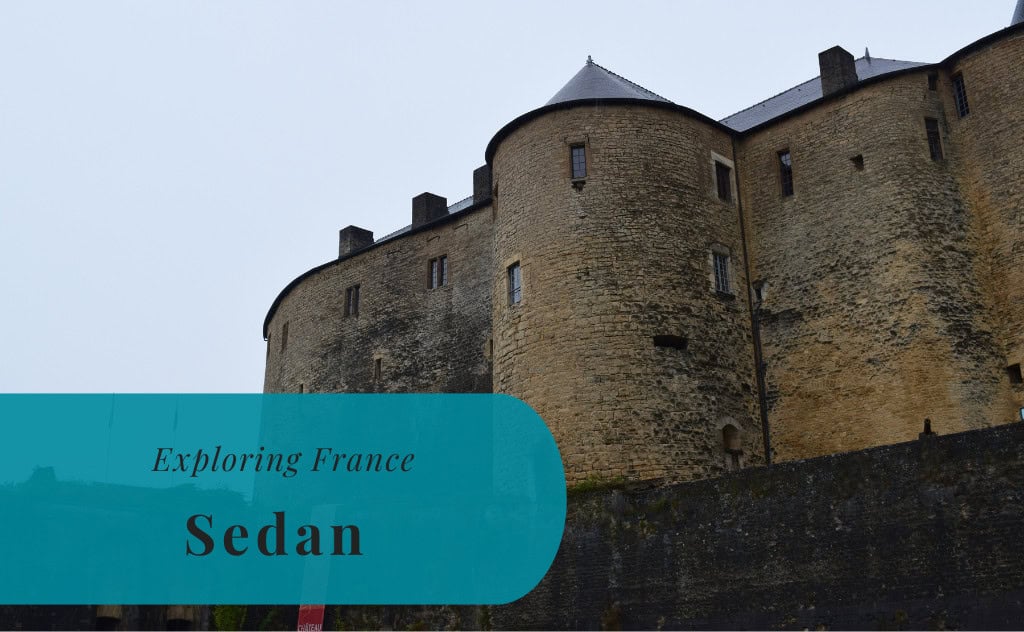
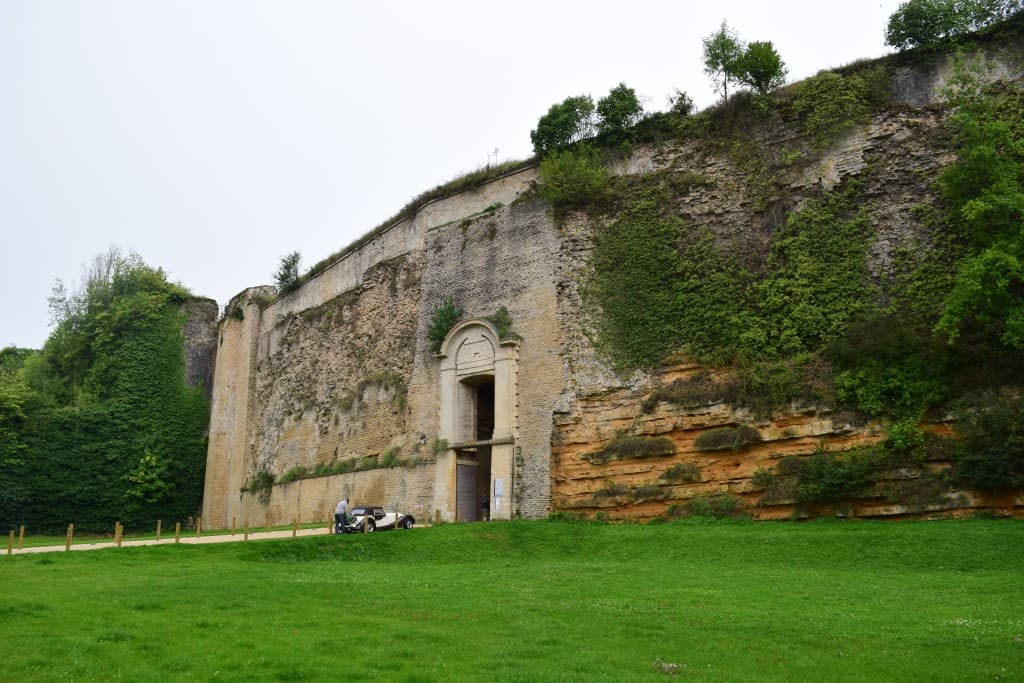
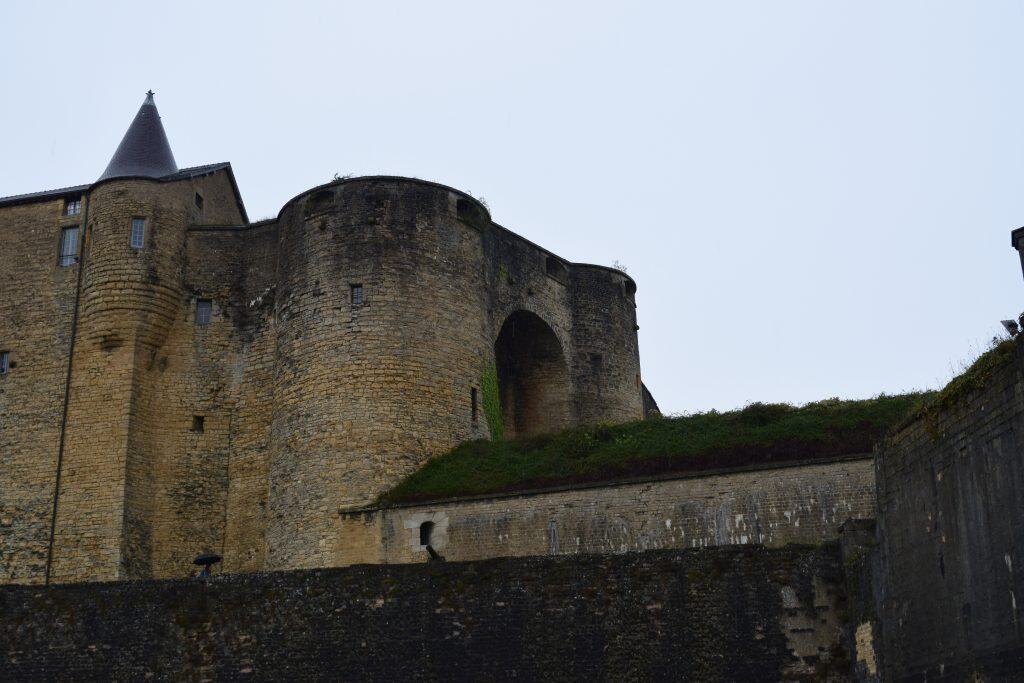
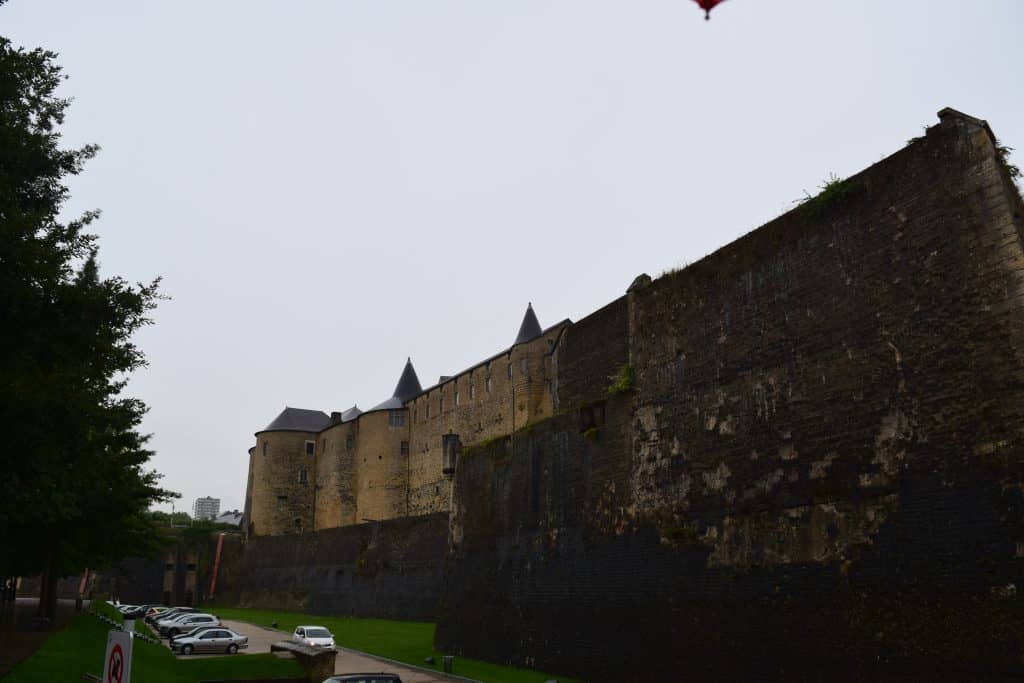
The Château Fort de Sedan is the city’s most prominent landmark and is often cited as the largest fortified medieval castle in Europe. Its construction began in 1424. The castle covers an area of 35,000 square meters across seven levels. Its defensive walls are exceptionally thick, reaching up to 26 meters in some places. It was designed to accommodate a large garrison, highlighting its strategic importance. Today, visitors can explore its extensive ramparts, bastions, and numerous rooms that tell the story of its history. A hotel and restaurant are also located within the fortress walls.
Place Turenne
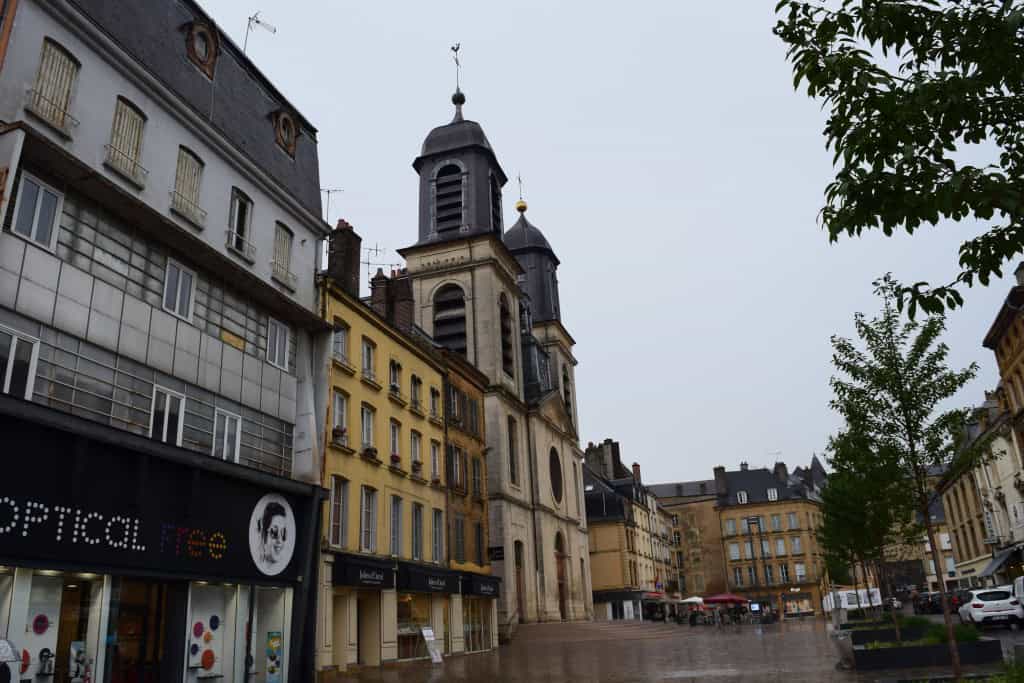
Place Turenne is a significant square in the heart of Sedan. This wide, tree-lined plaza was created after the city’s old fortifications were demolished in the late 19th century. Its name honors Marshal Turenne, Sedan’s most famous son, who was born in the Château Fort in 1611. A high relief on the square depicts a famous anecdote about a young Turenne. The square replaced former defensive walls, symbolizing the city’s transition from a purely military stronghold to a more open urban space.
Église Saint-Charles-Borromée
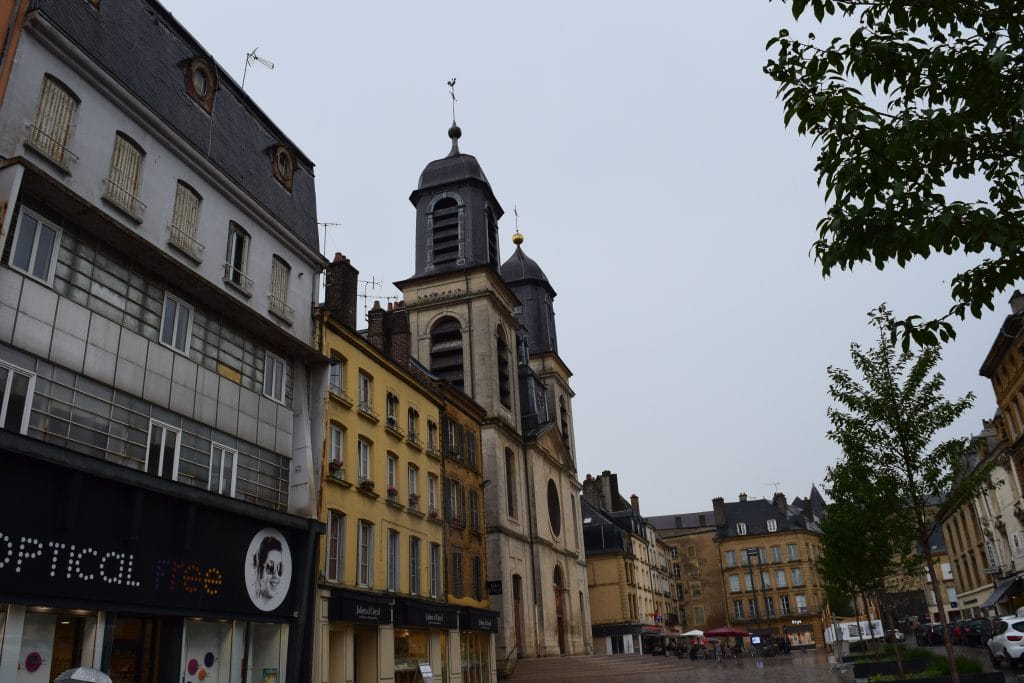
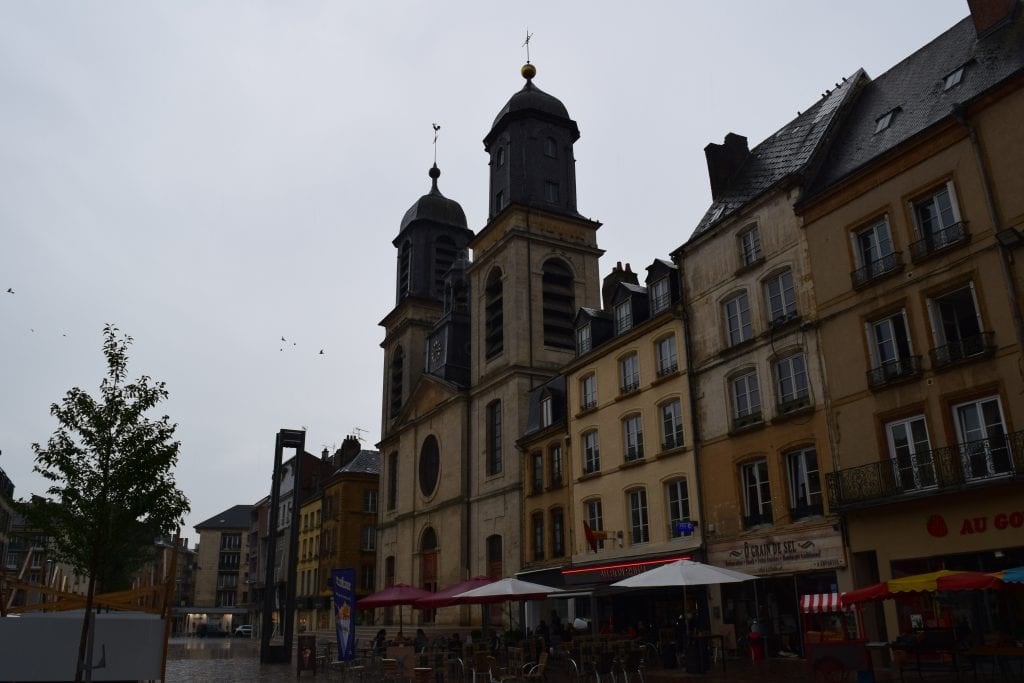
The Church of Saint Charles Borromeo (Église Saint-Charles-Borromée) is a notable religious building in Sedan. Built in the 17th century, it showcases classical architectural elements. It originally served as the church for the Protestant Academy of Sedan, which was a major center for Protestant education. This reflects Sedan’s historical role as a refuge for Protestants. The church adds to the city’s architectural diversity.
Jardin Botanique de Sedan
The Jardin Botanique de Sedan (Botanical Garden of Sedan) is a public park located in the city center. The garden was established in the late 19th century. It features a collection of trees, a bandstand, and several monuments. One of these monuments is dedicated to the soldiers from Sedan who died in the Franco-Prussian War. The park provides a green space for relaxation and walking for residents and visitors.
Historium de Sedan
The Historium de Sedan is a museum located within the Château Fort de Sedan. The museum focuses on the history of the castle and the principality. It features scenographic displays that bring different periods of the castle’s history to life. The tour often includes projections and audio effects that recreate the atmosphere of medieval life and the great battles that took place here. It provides a detailed look at the life of soldiers and nobles within the fortress walls.
Sports in Sedan
The sporting life in Sedan is centered on its main football club, which has a long and proud history. The surrounding Ardennes region also provides extensive opportunities for outdoor recreational activities like hiking and cycling.
Football
Football holds a significant place in Sedan’s community. The city’s primary football club has a history of competing at the highest levels of French football and commands local loyalty. Matches are social events that unite generations of fans. The club’s performance often draws significant local attention.
CS Sedan Ardennes
The town’s most prominent football club is Club Sportif Sedan Ardennes, commonly known as CS Sedan. Founded in 1919, they play their home matches at the Stade Louis Dugauguez, which has a capacity of over 24,000. CS Sedan has a successful history, including winning the Coupe de France twice (in 1956 and 1961). They have also spent several seasons in France’s top league, Ligue 1. After facing financial difficulties, the club has been working its way back up through the regional divisions.
Outdoor Activities
The Ardennes region surrounding Sedan provides a setting for numerous outdoor sports. The hilly, forested terrain is suitable for a variety of active pursuits. This emphasis on outdoor activities contributes to the region’s overall recreational culture.
Hiking and Mountain Biking
The Ardennes Regional Nature Park, which Sedan is part of, offers an extensive network of marked trails. There are over 1,200 kilometers of hiking paths and 450 kilometers of mountain bike trails in the wider park area. Routes cater to all levels, from gentle strolls along river valleys to more challenging forest climbs.
Trans-Ardennes Green Lane
The Trans-Ardennes Green Lane (Voie Verte Trans-Ardennes) is a popular cycling path. It follows the old towpath of the River Meuse. The path provides over 130 kilometers of car-free cycling from Givet on the Belgian border down to Mouzon. It is also part of the longer EuroVelo 19 (Meuse Cycle Route). This makes it suitable for family cycling and longer touring adventures.


Getting Around in Sedan
Navigating Sedan is straightforward due to its compact size. The town center, including the castle and main squares, is best explored on foot. For travel to the surrounding areas, a local bus network is available.
On Foot: The Town Center
Walking is the best way to explore the central part of Sedan. The Château Fort, Place Turenne, and the main shopping streets are all within a short walking distance of each other. The walk from the train station to the castle takes approximately 15-20 minutes. This allows visitors to see the town’s architecture and get a feel for its daily life at a relaxed pace.
Local Buses
A local and regional bus network connects Sedan with other towns and villages in the Ardennes department. These services are part of the Fluo Grand Est transport network. Buses are the primary mode of public transport for connecting Sedan with the nearby city of Charleville-Mézières, as well as with smaller communities in the region.
How to Get to Sedan
Reaching Sedan, located in the Ardennes region of northeastern France, is accessible via the European road and rail networks. Its proximity to Belgium and Luxembourg provides several options for international travelers.
Arriving by Air: Nearby Gateways
Sedan does not have its own airport. The closest international airport is Brussels South Charleroi Airport (CRL) in Belgium, located approximately 115 kilometers away. Luxembourg Airport (LUX) is another major option, around 120 kilometers away. For long-haul flights, Paris Charles de Gaulle Airport (CDG) is approximately 235 kilometers from Sedan. From any of these airports, the journey must be completed by a combination of train or rental car.
The Open Road: Driving the Autoroutes
Driving to Sedan offers flexibility for exploring the Ardennes region. The town is located on the A34 motorway. This highway connects it with Reims and the A4 motorway, which is the main east-west route between Paris and Strasbourg. From Paris, the drive is approximately 240 kilometers. The town is well-connected to the French and Belgian road networks.
Connecting by Coach
Long-distance bus services provide an economical way to reach Sedan. Companies like FlixBus and BlaBlaCar Bus operate routes to Sedan or to the nearby city of Charleville-Mézières. Direct bus connections from Paris are available. The journey from Paris typically takes around 3 to 4 hours. The bus stop in Sedan is often located near the train station.
On Track: A Regional Rail Link
Traveling to Sedan by train is a convenient option. The Gare de Sedan is the town’s main railway station. It is served by the TER Grand Est regional train network. Frequent trains connect Sedan with the larger nearby city of Charleville-Mézières, which is a major rail hub. From Paris Est station, you can take a high-speed TGV train to Champagne-Ardenne TGV or Reims, and then connect to a regional TER train to Sedan.
An International Ferry Approach
There is no direct ferry access to the landlocked region of the Ardennes. International travelers arriving by ferry would likely do so at the northern ports of France, such as Calais or Dunkirk. From these ports, the journey to Sedan is a long overland drive of approximately 300-350 kilometers by car or a combination of train and bus services.
Driving Distances
The driving distance from 10 regional cities, according to Google Maps:
- Luxembourg City, Luxembourg – 107 kilometers (1 h 30 min)
- Brussels, Belgium – 161 kilometers (2 h 00 min)
- Paris, France – 241 kilometers (2 h 40 min)
- Cologne, Germany – 247 kilometers (2 h 50 min)
- Strasbourg, France – 302 kilometers (3 h 10 min)
- Frankfurt, Germany – 345 kilometers (3 h 40 min)
- Amsterdam, Netherlands – 436 kilometers (4 h 40 min)
- Basel, Switzerland – 443 kilometers (4 h 40 min)
- Lyon, France – 509 kilometers (5 h 10 min)
- London, UK – 518 kilometers (6 h 20 min, includes ferry/tunnel)
Looking to Explore more of France and Europe?