Wola, Warsaw | Exploring Poland
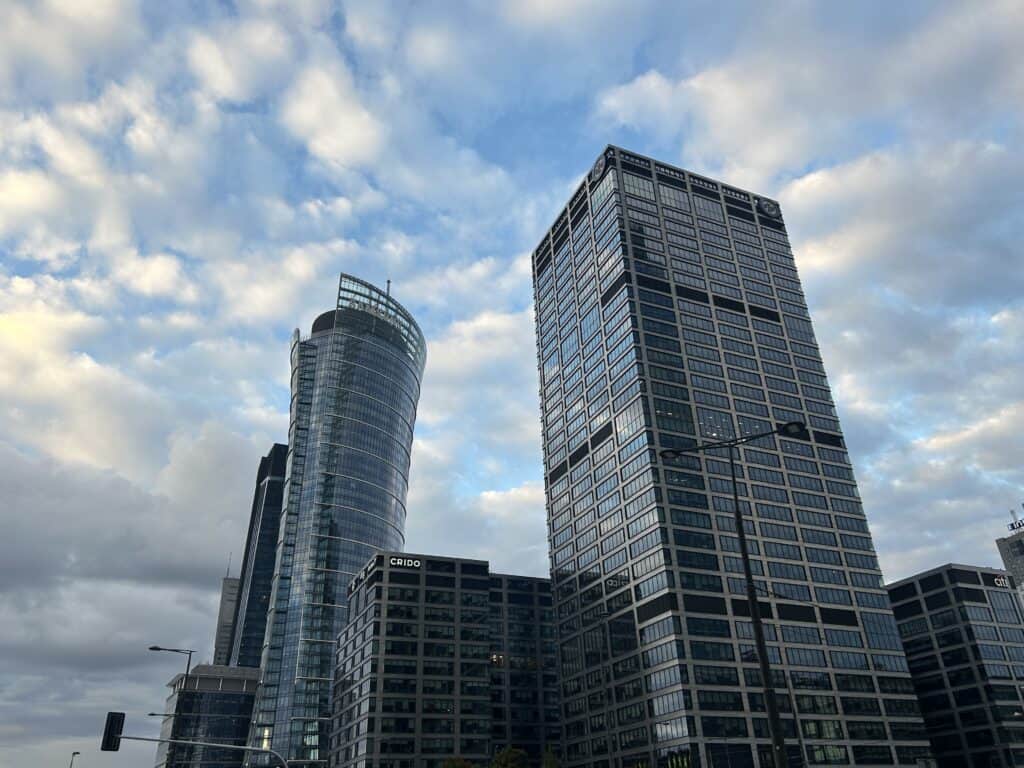
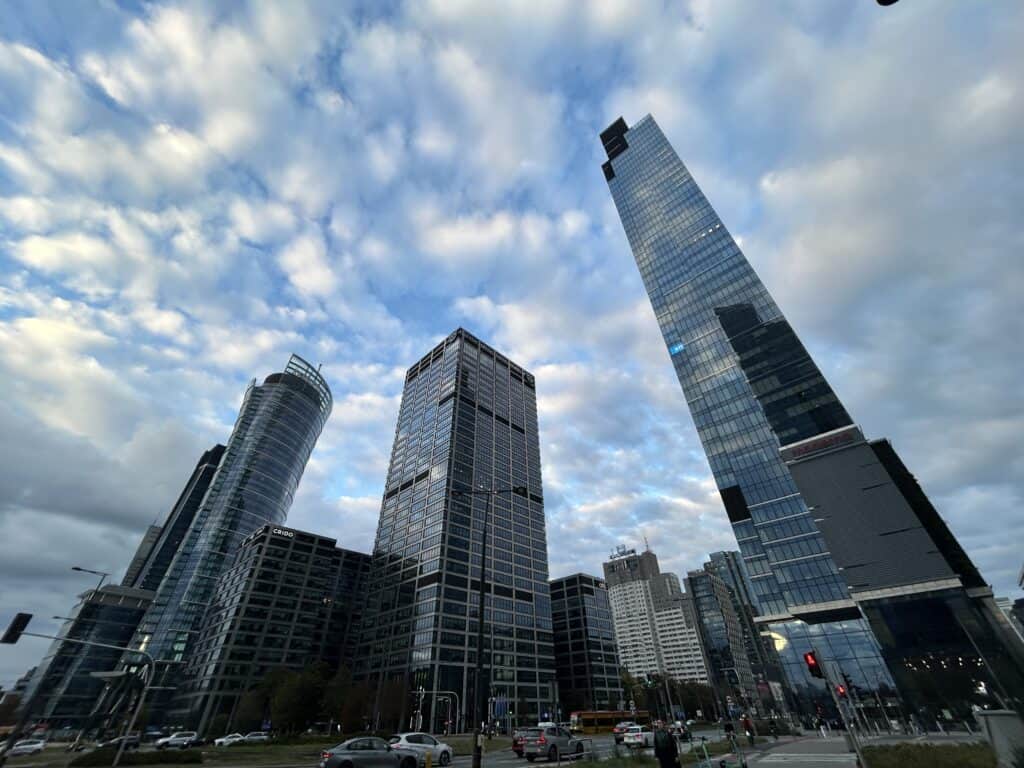
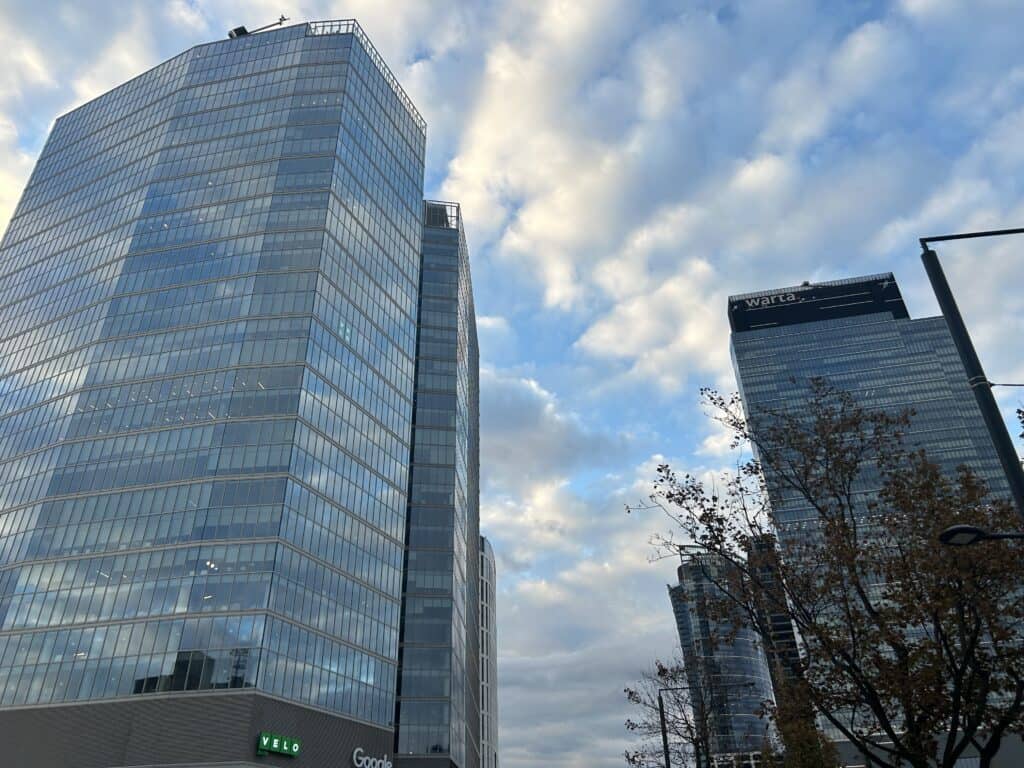
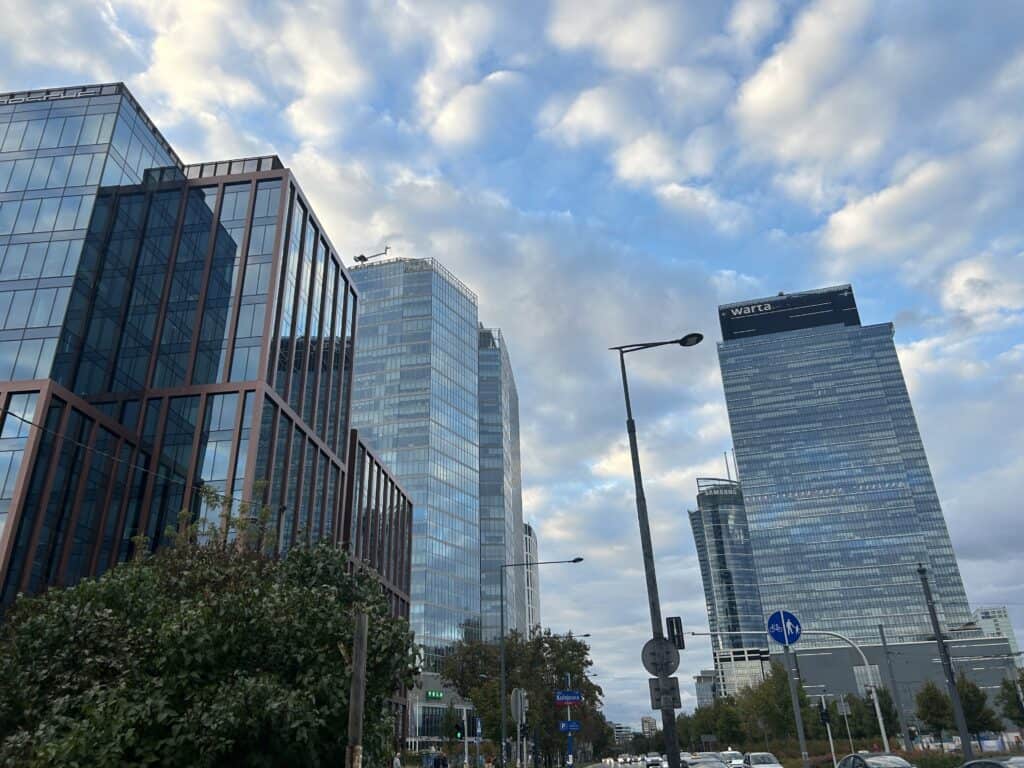
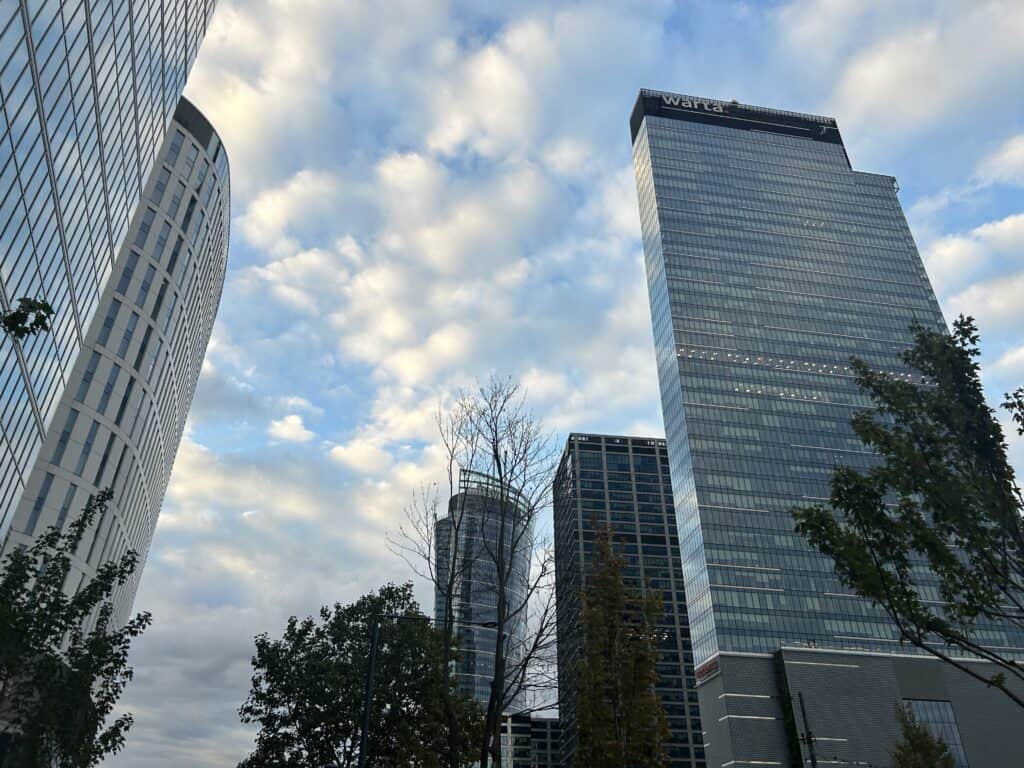
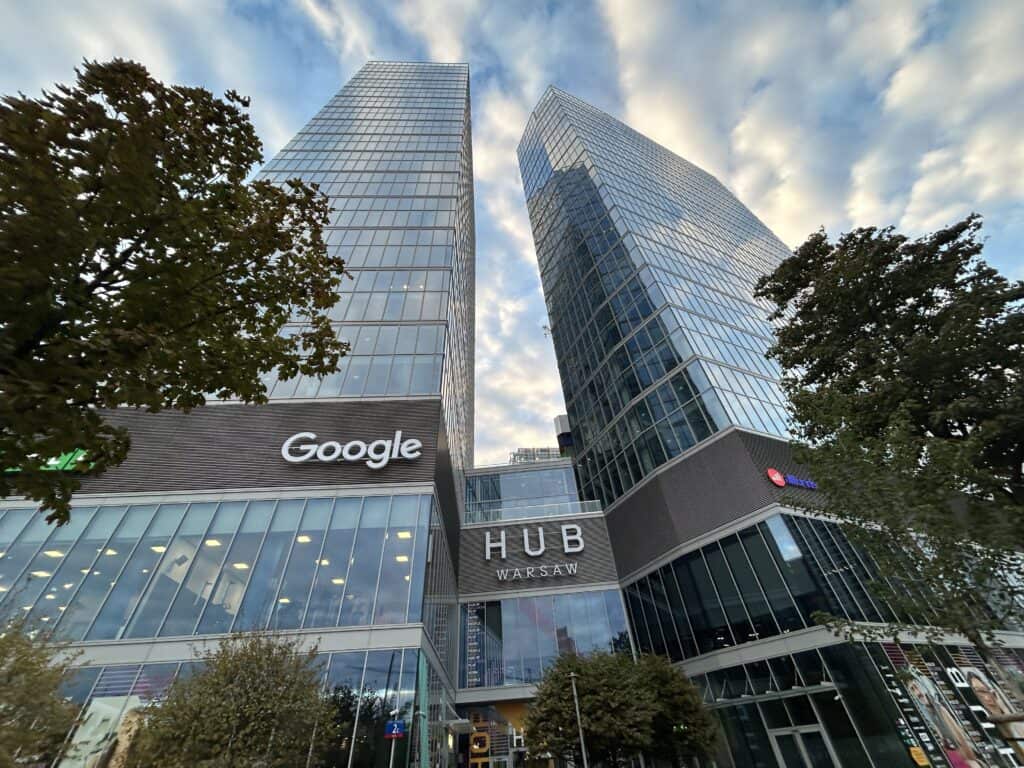
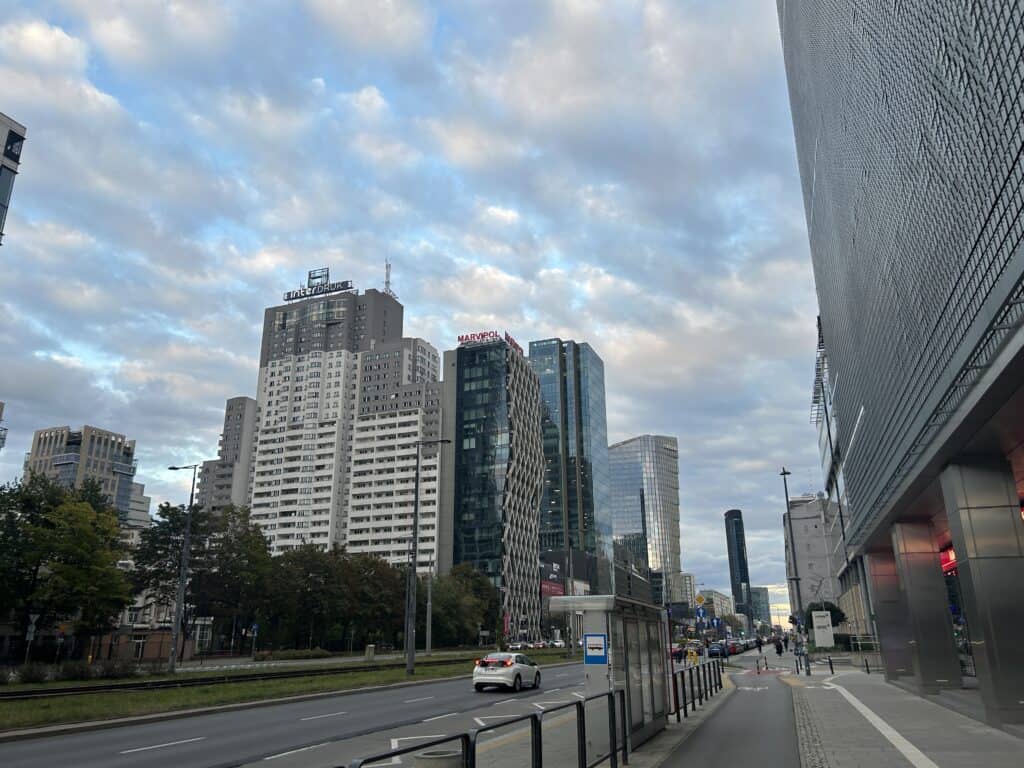
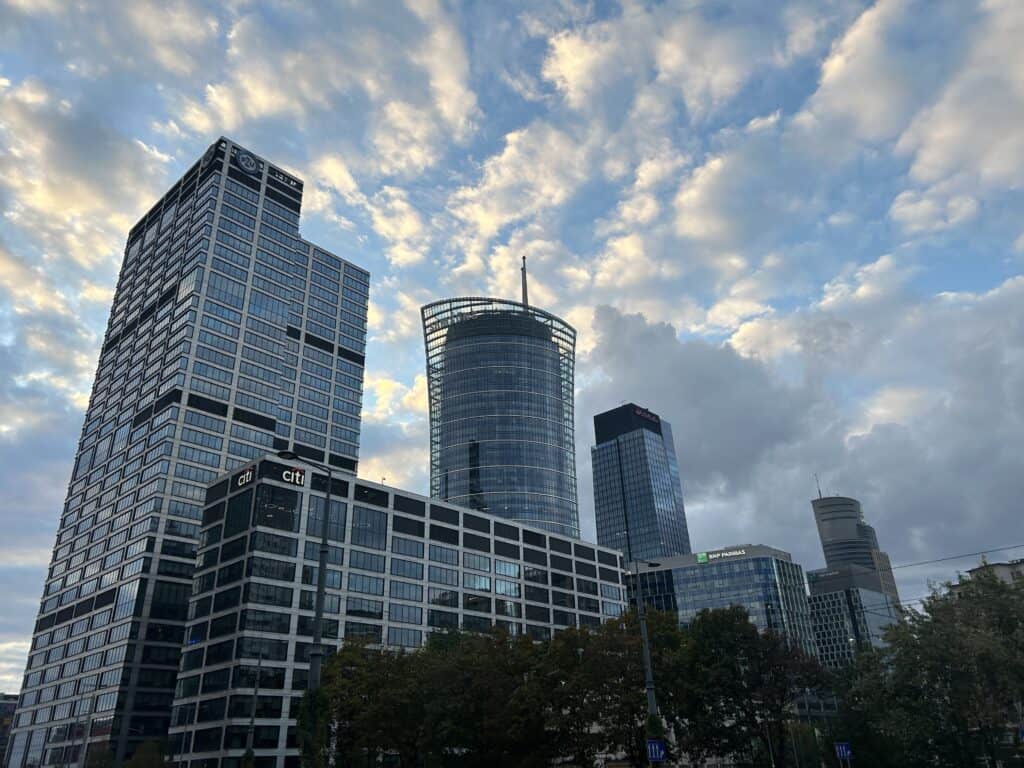
Wola, officially known as Dzielnica Wola m.st. Warszawy, is Warsaw’s primary business district, located directly west of the city center. Its skyline is dominated by modern glass skyscrapers that house the headquarters and major offices of international companies like Google, Goldman Sachs, and BNP Paribas. Below these towers, the streets are alive with energy, as people work in the offices and socialize in the trendy restaurants and shops found in repurposed industrial complexes like the Norblin Factory. Despite its modern appearance, glimpses of the past are visible in surviving pre-war brick buildings that stand between the new developments, hinting at a deeper story.
Covering an area of 19.26 square kilometers, Wola shares borders with Śródmieście to the east, Bemowo to the west, and Żoliborz to the north. As of the end of 2023, the district was home to over 152,000 residents, a population spread across several distinct neighborhoods, each with its own character. In the east, areas like Mirów and Czyste contain the bustling business core and key historical sites, while the western neighborhood of Odolany has rapidly transformed from an industrial zone into one of Warsaw’s largest new residential developments. More established neighborhoods such as Ulrychów and Koło offer a mix of older housing blocks and major green spaces, including Moczydło Park. This variety of neighborhoods creates a dynamic demographic mix, blending long-time inhabitants with the growing number of young professionals drawn to the corporate center.
History of Wola
The district’s present-day landscape is the result of a dramatic history. Wola’s story began centuries ago as a large field where Polish kings were elected. In the 19th century, it was transformed into a dense industrial powerhouse, filled with factories and tenement houses for workers. This era came to a tragic end during World War II, when the area was almost completely destroyed and its population decimated, particularly during the Warsaw Uprising of 1944. Wola’s subsequent reconstruction and recent economic boom have made it a powerful symbol of Warsaw’s resilience and capacity for renewal.
From Royal Village to Industrial Hub
In its early days, Wola’s importance grew when it was chosen as the election field for the Polish-Lithuanian Commonwealth. On this large open space, thousands of nobles would gather to choose their king, a unique part of Poland’s political system at the time. The first king elected here was Henry de Valois in 1573, and these elections continued until 1764, making Wola a site of key moments in the nation’s history. After the Partitions of Poland, the area’s focus shifted as industry arrived in the 1800s, and factories quickly replaced the open fields.
The Scars of the 20th Century
The 20th century was the most difficult time for Wola, especially during World War II. During the German occupation, a large part of the Warsaw Ghetto was located here, where hundreds of thousands of Jews were held before being sent to extermination camps. The district’s darkest moment was during the Warsaw Uprising in 1944. In response, Nazi forces carried out the Wola massacre, a planned mass murder of around 40,000 to 50,000 civilians in early August. This horrific event destroyed the district’s population and left its buildings in ruins.
The Modern Business Center
After the destruction of the war, Wola was slowly rebuilt, first with socialist-style housing. The biggest change began after communism fell, especially in the early 21st century. Developers used the central location to start a building boom that has changed Wola’s skyline. The district is now often called Warsaw’s ”new city center,” with many modern skyscrapers like the Varso Tower, the tallest building in the European Union. This quick development has made Wola a major financial hub, while also turning old industrial sites into popular places for shopping, dining, and living.
Sights in Wola
Wola has many different sights that tell the story of its change from a historic area to a modern city district. After learning about the area’s past, visitors can explore the places where this history happened. The attractions are part of the neighborhood itself, with old factories now housing museums and restaurants, and quiet cemeteries offering a peaceful break from the busy business district. A tour through Wola shows Warsaw’s character, its sad history, its strength, and its focus on the future.
The contrast in architecture is one of Wola’s most interesting features. Modern skyscrapers like the Warsaw Spire and Varso Tower stand out on the skyline, showing the district’s economic growth. At the same time, just a short walk away, you can find parts of its 19th-century industrial past and memorials that remind visitors of its wartime history. This contrast creates a powerful story, letting visitors walk through different periods of the city’s past. From the quiet grounds of historic cemeteries to the lively atmosphere of renovated breweries, Wola’s sights offer a full picture of a district that has constantly changed.
Warsaw Uprising Museum
The Warsaw Uprising Museum is probably Wola’s most important cultural site, offering a moving and detailed account of the 1944 fight against Nazi occupation. It opened on the 60th anniversary of the Uprising in an old tram power station, and the industrial building is a fitting setting for the exhibits. The museum takes visitors through the 63-day battle using artifacts, photos, and personal stories. It aims to show what life was like in occupied Warsaw and the bravery of its people. A full-size model of a Liberator bomber and a walk-through copy of a city sewer used by fighters are among its most powerful displays.
Powązki Cemetery
Powązki Cemetery, established in 1790, is one of the oldest and most famous cemeteries in Poland. It is the final resting place for many well-known Poles. The cemetery is also an outdoor museum of memorial art, with detailed sculptures and chapels made by famous artists. Walking along the Avenue of the Distinguished (Aleja Zasłużonych), you can see the graves of writers, scientists, and political figures, including Nobel Prize winner Władysław Reymont. The cemetery’s calm, tree-lined paths offer a quiet spot for reflection.
Jewish Cemetery on Okopowa Street
Next to the Powązki cemeteries, the Jewish Cemetery on Okopowa Street is one of the largest in Europe. It is an important monument to Warsaw’s large Jewish community, which was mostly destroyed in the Holocaust. The cemetery was started in 1806 and has over 200,000 marked graves, including those of famous people like Ludwik Zamenhof, the creator of Esperanto. Much of the cemetery is overgrown with trees, and old tombstones lean among them, creating a moving atmosphere. The site also includes mass graves of Warsaw Ghetto victims.
Norblin Factory
The Norblin Factory is a great example of how Wola has successfully reused its industrial past. This former metal-plating factory, which started in 1820, has been turned into a lively complex that combines history with modern life. The developers kept many of the original factory buildings and machines, fitting them into a new design with offices, shops, a cinema, and a large food hall. One of the unique attractions here is the Apple Museum Poland. The complex is a busy center for cultural events and exhibitions, making it a popular spot for both work and fun.
Browary Warszawskie
Similar to the Norblin Factory, Browary Warszawskie (Warsaw Breweries) has brought new life to a historic industrial site. The old Haberbusch and Schiele brewery, which operated from 1846 until World War II, is now a popular urban area. This large project combines modern homes and offices with beautifully restored 19th-century brewery buildings. The heart of the complex is a series of public squares and pedestrian streets with many restaurants, cafes, and bars. Many of these places sell craft beer, honoring the site’s history.
Wola Gasworks Museum
The Wola Gasworks Museum (Muzeum Gazownictwa) is a special museum focused on the history of gas production in Warsaw. It is located on the grounds of a working gas company in the original 19th-century buildings of the city’s first gasworks, which opened in 1888. Visitors can see old machinery, gas meters, and a collection of old gas-powered street lamps. The museum offers an interesting look into the technology that helped Warsaw grow and changed daily life for its people. It is a unique sight that shows an important part of the city’s industrial history.
Stacja Muzeum
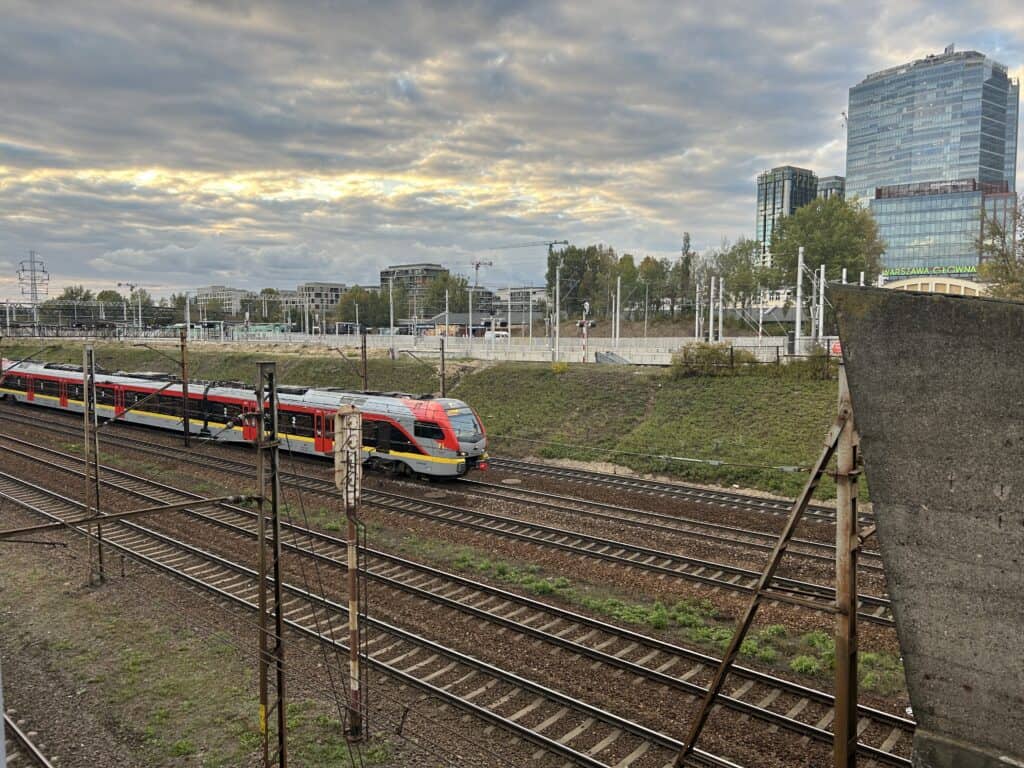
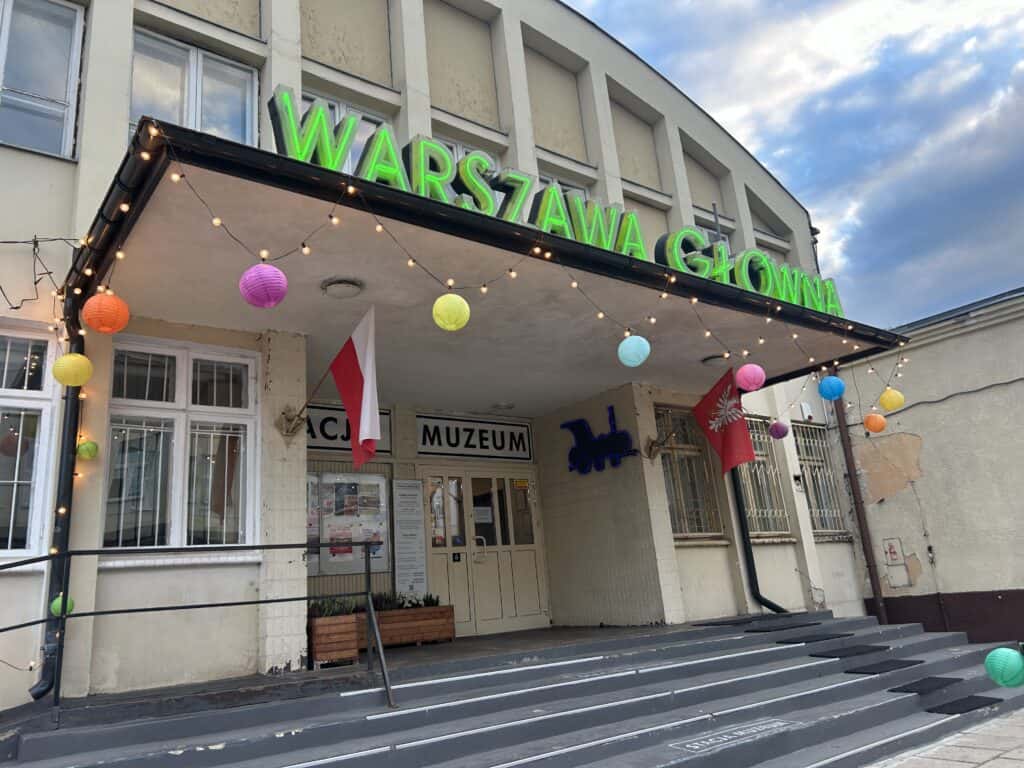
Located at the historic Warszawa Główna railway station, Stacja Muzeum is dedicated to the history of railways in Poland. The museum offers a fascinating journey through the evolution of rail transport, with its main attraction being the large open-air exhibition set on the old platforms. Visitors can walk among an impressive collection of historic rolling stock, including steam locomotives from various eras, diesel and electric engines, and unique wagons such as an armored train. Inside the former station building, additional exhibits showcase railway models, uniforms, signal equipment, and historical documents, providing a comprehensive look at the railway’s importance to Poland’s development.
Moczydło Park
Moczydło Park is one of Wola’s most visited green spaces, offering many fun activities. The park is built around a large man-made hill that gives wide views of the Wola skyline. It has several ponds, walking paths, and large lawns that are great for picnics. In the summer, the Moczydło Water Park is a big attraction with its swimming pools and water slides for all ages. The park’s mix of nature and modern fun facilities makes it an important green space for the district and a favorite spot for outdoor activities.
Sowiński Park
Named after General Józef Sowiński, a hero of the 1830 November Uprising, Sowiński Park is another key green area in Wola. The park was created in the 1930s and includes a historic amphitheater that has been used for many concerts and events. It is a calmer space than Moczydło, with old trees, nice walking trails, and playgrounds for children. The park also has several monuments, including one for its namesake general. It acts as a peaceful retreat for local families and a place for community events.
Keret House
The Keret House is a unique architectural project known as the narrowest house in the world, built in a small gap between two buildings. Designed by architect Jakub Szczęsny, it is only 152 centimeters at its widest point. It was created as a temporary home for visiting writers and artists, and its first resident was Israeli writer Etgar Keret, who it is named after. While it is not a normal tourist sight that people can enter freely, its clever design has made it a well-known landmark in Wola.
St. Lawrence’s Church
St. Lawrence’s Church (Kościół św. Wawrzyńca) is one of the oldest and most historically important buildings in Wola. The church was first built in the 17th century and stands where a fierce battle took place during the November Uprising in 1831. It was badly damaged during the Wola massacre and used as a site of executions. It was rebuilt after the war and now stands as a symbol of both faith and national history. Its simple appearance hides its deep historical importance as a witness to some of the biggest events in the district’s past.


Getting Around in Wola
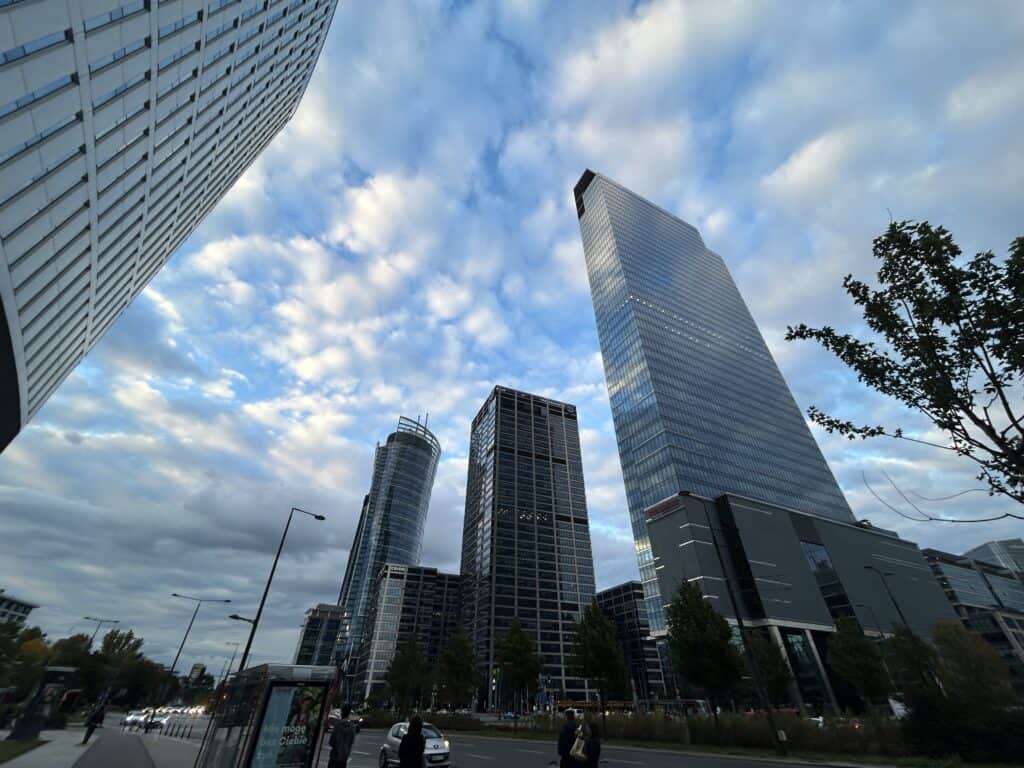
Getting around Wola and the rest of Warsaw is easy because of the excellent public transportation system. The district is a major transit route that connects the western parts of the city with the center, making it one of the best-connected areas in the capital. Whether you are going to the business district, exploring historical sites, or moving between neighborhoods, Wola offers many reliable options. The system is run by ZTM (Zarząd Transportu Miejskiego), which means you can use one ticket for buses, trams, and the metro.
Navigating by Tram and Bus
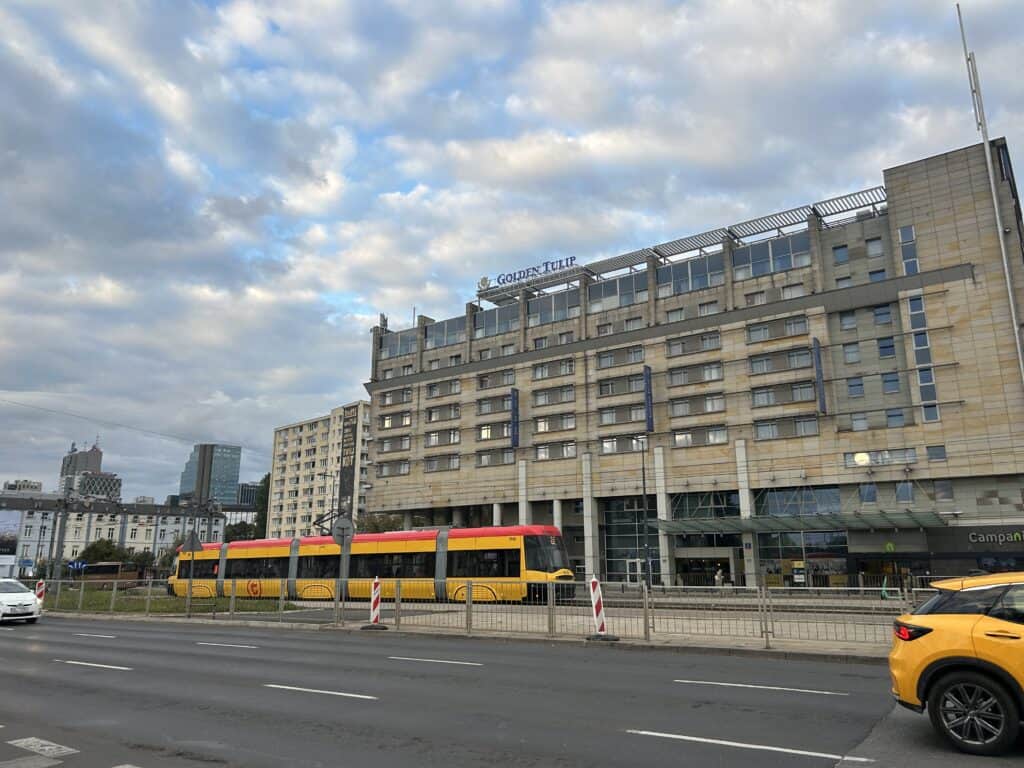
The main part of Wola’s public transport is a large network of tram and bus lines that run throughout the district, connecting it to all of Warsaw. Major streets like Aleja Jana Pawła II, Wolska, and Kasprzaka serve as main routes for many lines, with frequent service all day and night. Trams are especially good for traveling along the main east-west and north-south routes, as they offer a fast way to avoid road traffic. Buses support the tram network by serving local routes and reaching areas not directly on the tram lines.
Traveling by Metro: The M2 Line
The expansion of Warsaw’s metro system has been a big improvement for Wola, greatly improving its connections and cutting travel times to the city center. The M2 (second metro line) runs east-west through Wola, with key stations like Rondo Daszyńskiego and Płocka. The Rondo Daszyńskiego station is now the central point of the new business district and is used by thousands of people traveling to work every day. The metro is the fastest and most reliable way to travel across the city, as it avoids traffic and offers a comfortable ride in any weather.
Using City Bikes and Scooters
For shorter trips, Wola is well-served by bike-sharing and electric scooter services. The city’s Veturilo bike-sharing system has many stations near metro stops, major intersections, and residential areas. A growing network of bike paths makes cycling in the district safer and more pleasant. Additionally, several companies offer dockless electric scooters that can be found around the district and unlocked with a phone app. These provide a fun and fast way to make short trips around the neighborhood.
How to Get to Wola?
Getting to Wola is easy because of its location next to Warsaw’s city center and its connection to the capital’s great transport system. As a major business and residential area, the district is well-connected to national and international travel networks. This makes it simple to reach for visitors arriving from other parts of Poland or other countries. Whether you are arriving by plane, train, or car, there are many good options to bring you right into this busy district. The final part of the journey into Wola is usually easy thanks to the many local transport connections.
Arriving by Plane to Warsaw Airports
Warsaw has two international airports, and both provide easy access to Wola. Warsaw Chopin Airport (WAW), the city’s main airport, is located a few kilometers south and is about a 20-30 minute trip by taxi or ride-sharing service. You can also take city bus lines or the S2 and S3 urban rail lines to the city center, and from there Wola is a short ride away by public transport. Warsaw Modlin Airport (WMI), located further north and used mainly by low-cost airlines, is connected to the city by special shuttle buses and trains.
Reaching Wola by Train
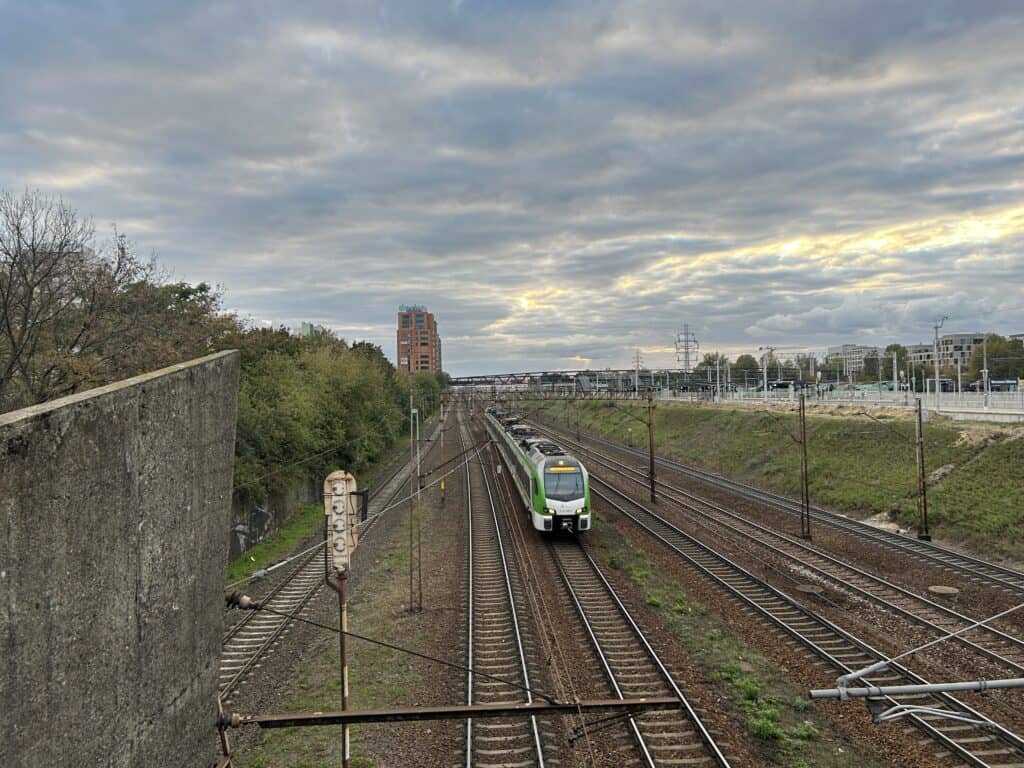
Warsaw is the main hub of Poland’s railway system, and Wola is very close to the city’s main train stations. Warszawa Centralna (Central Station) and the nearby Warszawa Śródmieście station are where most intercity and international trains arrive. From there, Wola is just a few stops away on the M2 metro line or a short tram or bus ride of less than 15 minutes. Additionally, the Warszawa Zachodnia (West Station), which is on the edge of Wola, is a major station for both long-distance and regional trains, offering direct access to the district.
Driving to Wola
For those traveling by car, Wola is connected to Poland’s main road network. The district is near major expressways like the S8, which is part of Warsaw’s ring road and connects to the A2 motorway running east-west across the country. While driving to Wola is easy, traffic in the business district can be heavy, especially during rush hours. Parking can also be difficult, as most street parking is paid and limited, but there are many public and private parking garages available.
National and International Bus Travel
The main station for long-distance and international buses is the Dworzec Autobusowy Warszawa Zachodnia, located right next to the Warszawa Zachodnia train station on the edge of Wola. This major bus terminal is used by many companies, with connections to hundreds of cities in Poland and across Europe. Arriving here puts you right at Wola’s doorstep, with direct access to local city buses and trams. This makes traveling by bus a very convenient and often affordable option.
River Transport on the Vistula
Although Warsaw is on the Vistula River, the city cannot be reached directly by international ferries, which mostly serve Poland’s Baltic Sea coast in cities like Gdańsk. However, travelers can take a ferry from Scandinavia to these coastal cities and then finish the trip to Warsaw by train, bus, or car, which usually takes 3 to 5 hours. In Warsaw, the Vistula River offers options for local boat trips, with tourist cruises and water trams running in the summer. These provide a different view of the city.
Driving Distances
The driving distance from 20 regional cities, according to Google Maps:
- Pruszków, Poland – 16 kilometers (0 h 25 min)
- Piaseczno, Poland – 21 kilometers (0 h 30 min)
- Legionowo, Poland – 26 kilometers (0 h 35 min)
- Otwock, Poland – 28 kilometers (0 h 35 min)
- Mińsk Mazowiecki, Poland – 43 kilometers (0 h 45 min)
- Łódź, Poland – 130 kilometers (1 h 30 min)
- Kraków, Poland – 295 kilometers (3 h 30 min)
- Poznań, Poland – 315 kilometers (3 h 00 min)
- Gdańsk, Poland – 340 kilometers (3 h 20 min)
- Wrocław, Poland – 350 kilometers (3 h 30 min)
- Lviv, Ukraine – 395 kilometers (5 h 20 min)
- Vilnius, Lithuania – 475 kilometers (5 h 40 min)
- Bratislava, Slovakia – 535 kilometers (5 h 50 min)
- Berlin, Germany – 575 kilometers (5 h 30 min)
- Prague, Czechia – 620 kilometers (6 h 10 min)
- Vienna, Austria – 680 kilometers (6 h 40 min)
- Budapest, Hungary – 865 kilometers (7 h 50 min)
- Copenhagen, Denmark – 1050 kilometers (10 h 40 min)
- Amsterdam, Netherlands – 1230 kilometers (12 h 10 min)
- Rome, Italy – 1760 kilometers (17 h 20 min)
Looking to Explore more of Poland and Europe?